
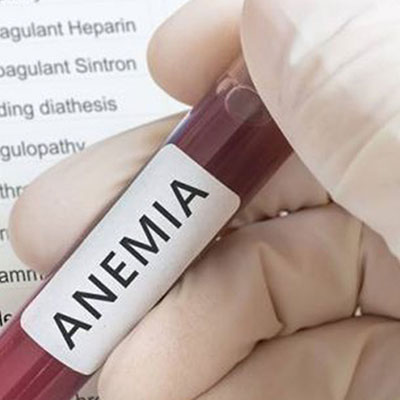
 Medical research has shown that men, particularly older men, with low testosterone are almost five times more likely to be anemic than men with normal testosterone levels.
Anemia is a condition in which you lack enough healthy red blood cells to carry adequate oxygen to your body’s tissues. Low testosterone, or “Low-T,” has been associated with anemia. Studies have indicated that older men with low testosterone are almost five times more likely to be anemic than men with normal levels.
Among the many testosterone functions, the hormone plays a critical role in the production of red blood cells. Therefore, anemia is often a symptom associated with testosterone deficiency. The higher-than-normal rates of anemia, particularly in men over 50 suffering from hypogonadism or low testosterone, have led medical researchers to further explore the connection between testosterone levels and anemia in older patients.
 Some patients with growth hormone deficiency can benefit from HGH peptide therapy.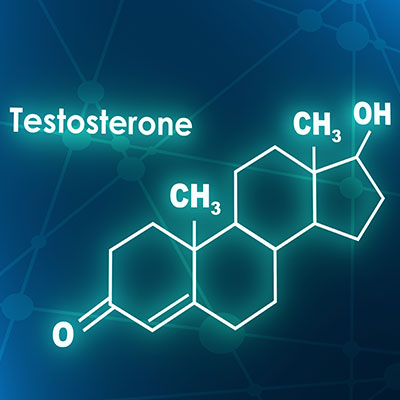
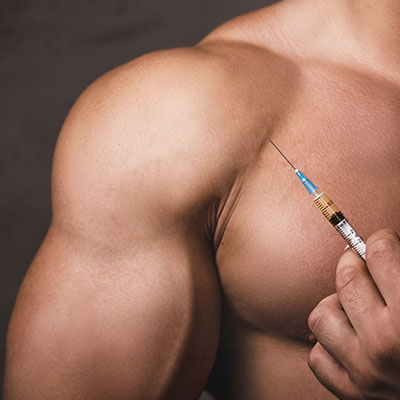 Testosterone replacement therapy can be prescribed in several different forms. Our doctors believe that testosterone injections are the safest and most effective form of testosterone therapy.
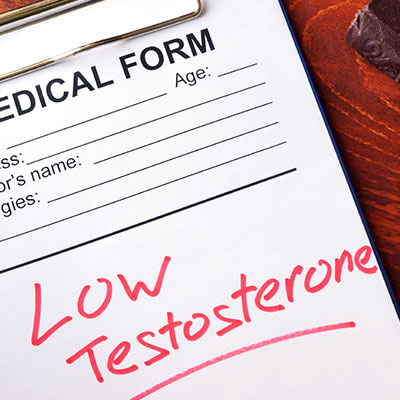 Testosterone Deficiency Syndrome, also known as “Hypogonadism,” is a condition in which your body does not produce sufficient testosterone. The conditions may simply be referred to as having a “testosterone deficiency” or “low testosterone.”
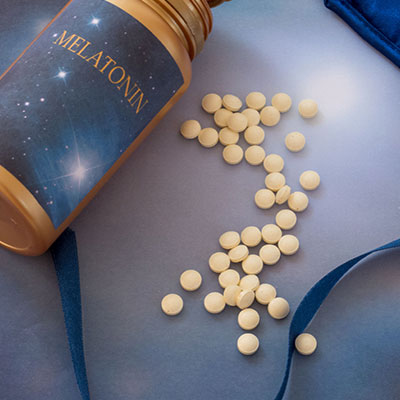 There is clinical evidence to indicate that supplementation with melatonin may increase human growth hormone (HGH) secretion.
 There are some vitamins, herbs, and other nutritional supplements that have been shown to raise testosterone levels.
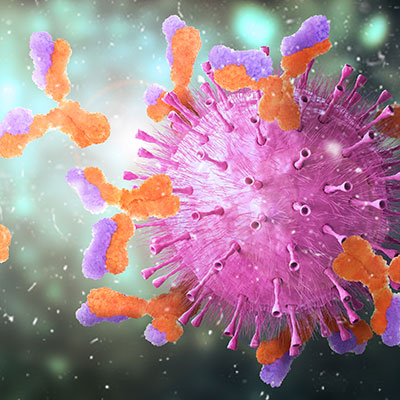 Testosterone has various impacts on a man’s immune system.
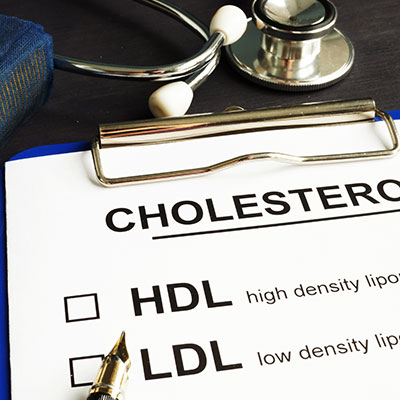 Research has found that there is a definite link between your testosterone level and your levels of “good” and “bad” cholesterol.
 Research has found that there is a definite link between testosterone, anxiety, and other emotional states.