
 There is a definite link between testosterone levels and your level of visceral fat. This is especially true for women.
Visceral fat is commonly referred to as “belly fat.” However, the true definition of visceral fat literally goes a lot deeper than that. Visceral fat technically is fat that wraps around your abdominal organs deep inside your body. While people who are noticeably overweight with a typical “big belly” will undoubtedly also have a lot of visceral fat, you can’t always feel it or see it. In fact, you can have a fairly flat tummy and still have visceral fat. That’s sometimes called TOFI, or “thin outside fat inside.”
The link between visceral fat and low testosterone is an interesting one. Studies have found that both men and women who are overweight and possess an excessive volume of visceral fat tend to suffer from low testosterone. The reverse has also been found to be true that people with low testosterone tend to be overweight and have a lot of visceral fat.
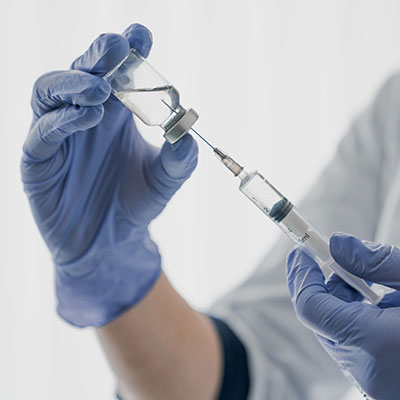 Injectable human growth hormone (HGH) is prescribed to treat adults and children with growth hormone deficiency (GHD).
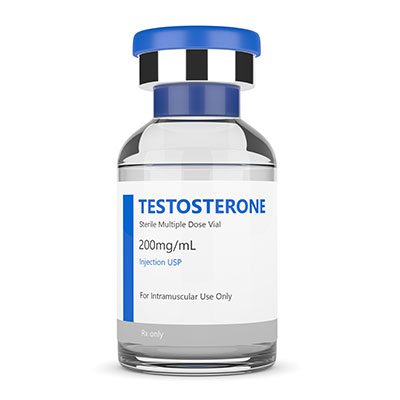 Injectable testosterone that is used for testosterone replacement therapy is available in several forms and sold under a variety of brand names. All are what are known as testosterone esters. Esterification is a chemical process that makes testosterone more soluble and, therefore, injectable.
 There are many myths and misconceptions about testosterone and testosterone therapy.
 There is a right way and a wrong way to stop testosterone therapy.
 The “before and after” results of testosterone replacement therapy for men and women can be completely transformative and life-changing.
 If you are looking for answers on where to legally and safely buy human growth hormone (HGH), you have landed on the right page.
 Patients often wonder how much does growth hormone therapy cost?
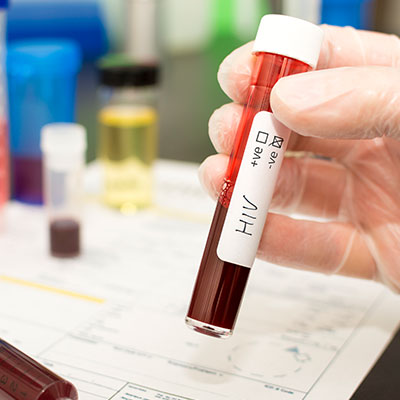 Low testosterone (hypogonadism) commonly affects HIV-positive men and is associated with a variety of clinical symptoms adversely affecting their quality of life.
 There is evidence that varicoceles -enlarged varicose veins of the testicles can impact the production of testosterone, leading to testosterone deficiency.