 Like any drug or medical procedure, HGH has some potential side effects to consider.
HGH is FDA approved for the treatment of growth hormone deficiency. HGH is generally regarded as safe. However, before starting HGH therapy, it is a good idea to understand the possible side effects of HGH injections.

Monday - Friday 08:00-6:00
Saturday and Sunday - CLOSED
1317 S Andrews Ave
Fort Lauderdale, FL 33316 (Mail Address)
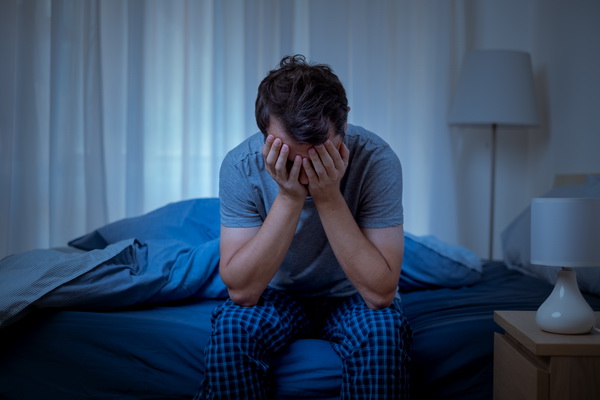 There is increasing clinical evidence that indicates that low testosterone is related to insomnia or disturbed sleep.
 As men age, some of their testosterone is converted into estrogen.
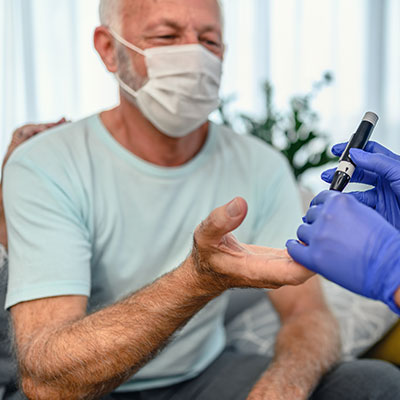 Human growth hormone (HGH) is essential to the process of turning the sugar in the foods that you eat into energy for your cells. Therefore, there is a link between HGH and hypoglycemia.
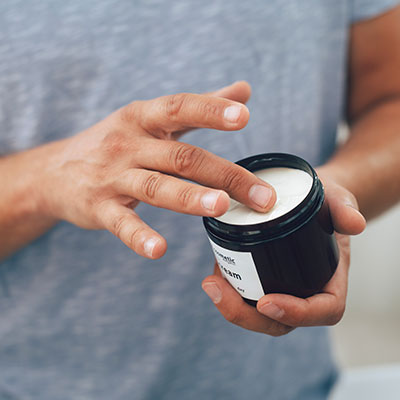 There is no such thing as “HGH gel.” Real HGH is a prescription medication, and it is only available as injections.
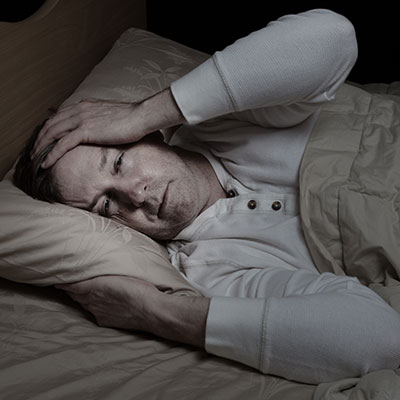 There is a link between night sweats and low testosterone. Profuse sweating at night could be a sign of low testosterone.
 A lack of energy and chronic fatigue could be a sign of a hormone imbalance in men.
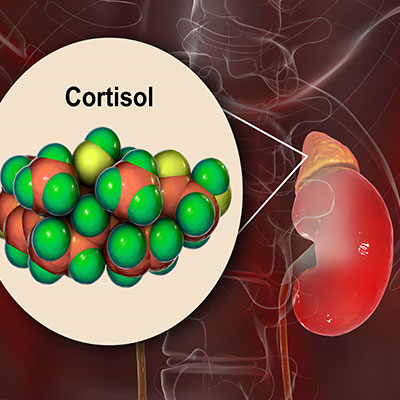 Cortisol is one of the steroid hormones and is made in the adrenal glands. It is responsible for a number of processes that can impact women’s health.
 A hormone imbalance in women occurs when hormones rise above or drop below normal levels in a woman’s bloodstream.
 There is a definite connection between testosterone levels, stress, anxiety, and depression.