
Progesterone therapy can be an important part of hormone replacement therapy (HRT) for women dealing with the symptoms of perimenopause and menopause.
Most women know that estrogen replacement is one of the most effective ways to treat common menopause symptoms, such as hot flashes, night sweats, vaginal dryness and mood changes. However, estrogen is only one of several hormones that affect a woman’s health, especially as she approaches menopause.
Progesterone is another key female hormone. It works alongside estrogen to regulate menstrual cycles, support reproductive health and protect the lining of the uterus. Changes in progesterone may also play a role in sleep problems, irregular periods and other concerns during perimenopause.
For many women, the best approach to HRT is not simply replacing estrogen. It is finding the right hormone balance based on their age, symptoms, health history and needs.
Women who still have a uterus generally need progesterone or a similar hormone when taking systemic estrogen therapy. Other women may also benefit from progesterone as part of a more complete treatment plan.
Understanding how progesterone works, when it is needed and how it can be combined with other hormones can help women make informed choices about their health after 40.
What Is Progesterone Therapy?
Progesterone therapy is a form of hormone treatment used to replace or supplement the progesterone a woman’s body produces naturally. It may be prescribed on its own or combined with estrogen as part of a hormone replacement menopause treatment program.
Progesterone is produced mainly by the ovaries after ovulation, which occurs when an egg is released during the menstrual cycle. Its primary role is to prepare the uterus for pregnancy and help regulate changes in the uterine lining.
During a woman’s reproductive years, progesterone levels rise and fall each month. However, as she enters perimenopause, ovulation becomes less regular. This causes progesterone levels to change, sometimes even before estrogen levels begin to decline.
By menopause, the ovaries produce very little progesterone. These changes are a normal part of aging, but they can affect a woman’s health and hormone balance.
Progesterone therapy helps address these changes when treatment is appropriate. It is especially important for women who have a uterus and take estrogen because it protects the uterine lining from the effects of estrogen alone.
Doctors may prescribe natural progesterone, also called micronized progesterone, or a related medication known as a progestin. Both can serve important roles in HRT, although they are not identical.
Why Do Women Need Progesterone?
Women need progesterone for much more than reproduction. While its best-known role involves pregnancy and menstrual cycles, progesterone also helps maintain a healthy balance between estrogen and other hormones.
Estrogen encourages the lining of the uterus to grow during the first half of the menstrual cycle. Progesterone helps control this growth after ovulation and prepares the lining for the next stage of the cycle.
Without enough progesterone to balance estrogen’s effects, the uterine lining may become too thick. This can lead to irregular bleeding and other health concerns. Women who take systemic estrogen after menopause and still have a uterus need adequate progesterone or another progestogen to help prevent these problems.
Progesterone may also influence other areas of women’s health, including:
- Menstrual health: Progesterone helps regulate changes in the uterine lining and supports normal menstrual cycles.
- Sleep: Progesterone and its natural breakdown products affect brain pathways involved in relaxation and sleep.
- Mood: Changes in progesterone may affect mood and emotional well-being in some women.
- Reproductive health: Progesterone prepares the uterus for pregnancy and helps support early pregnancy.
- Uterine health: Progesterone protects against excessive growth of the uterine lining when estrogen is used in HRT.
Progesterone’s effects on sleep and mood are still being studied, and not every woman will notice the same benefits. However, its role in protecting the uterus during estrogen therapy is well established.
What Are the Normal Levels of Progesterone in Women?
Normal progesterone levels vary greatly depending on a woman’s age, menstrual cycle and whether she has reached menopause.
In women who still have regular periods, progesterone is usually low during the first half of the menstrual cycle. After ovulation, levels rise as the body prepares for a possible pregnancy. If pregnancy does not occur, progesterone levels fall again before menstruation begins.
Typical progesterone levels in women who are not pregnant may fall within these general ranges:
| Stage |
Typical Progesterone Level |
| Before ovulation |
Less than 1 ng/mL |
| After ovulation |
About 2–25 ng/mL |
| After menopause |
Usually less than 1 ng/mL |
These are approximate ranges. Normal values vary by laboratory and the timing of the blood test.
What Are the Signs and Symptoms of Low Progesterone?
Low progesterone may contribute to several symptoms, especially during the years leading up to menopause. However, many of these symptoms can also be caused by changes in estrogen, other hormone problems or unrelated health conditions.
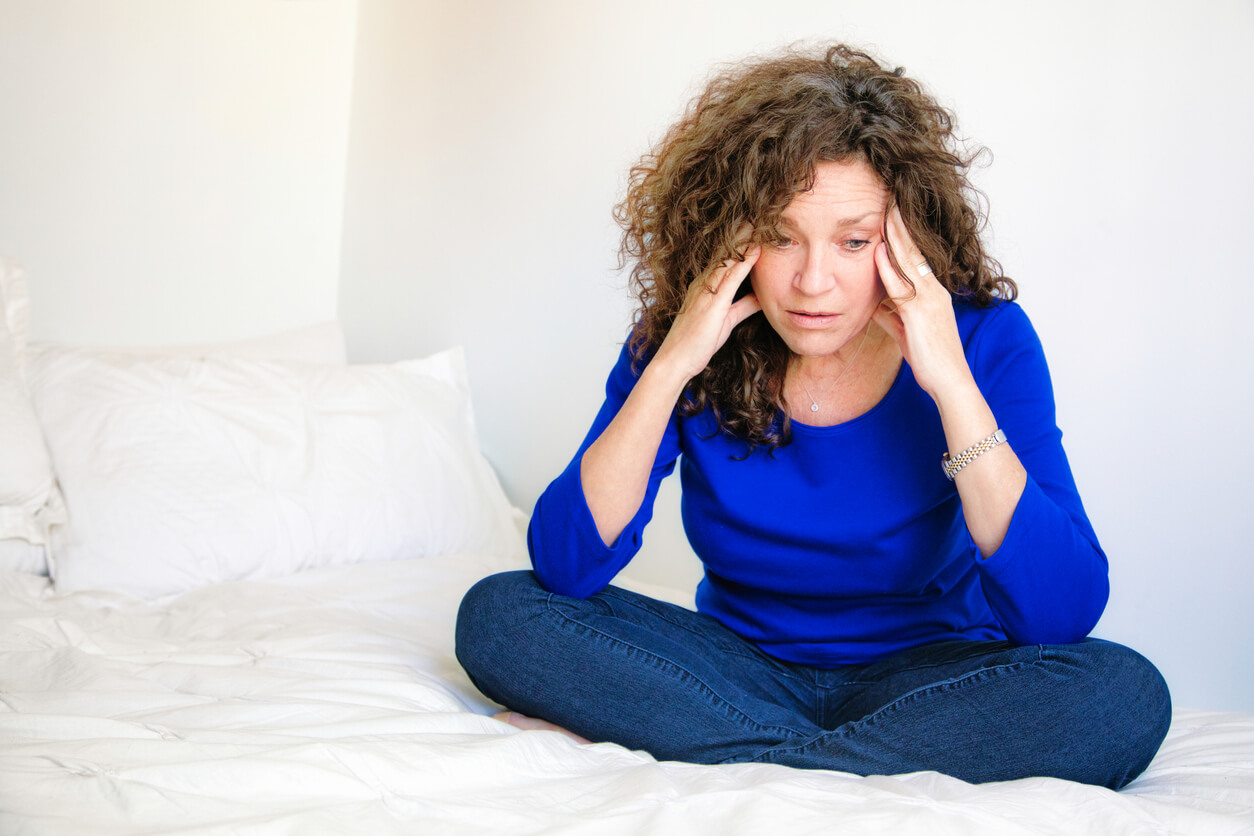
Some of the most common signs associated with low or changing progesterone levels include:
- Irregular menstrual periods: Cycles may become shorter, longer or less predictable as ovulation becomes irregular.
- Heavy menstrual bleeding: When ovulation does not occur, the uterine lining may continue to grow, leading to heavier periods.
- Sleep problems: Some women notice trouble falling asleep or staying asleep during periods of hormone change.
- Mood changes: Irritability, anxiety and changes in emotional well-being may occur during perimenopause.
- Breast tenderness: Shifts in estrogen and progesterone can cause sore or swollen breasts.
- Bloating: Hormone changes may contribute to fluid retention and feelings of fullness.
- Headaches: Some women experience headaches or migraines related to monthly hormone changes.
- Difficulty becoming pregnant: Low progesterone related to problems with ovulation may affect fertility.
- Spotting between periods: Changes in the uterine lining can sometimes cause unexpected bleeding.
These symptoms do not necessarily mean a woman has a progesterone deficiency. For example, hot flashes and night sweats are more closely linked to changing estrogen levels, while fatigue and poor sleep may have several causes.
Women experiencing several of these symptoms should seek a medical evaluation rather than assume that progesterone is the only problem. A doctor can review their menstrual patterns, hormone history and other health factors to determine whether treatment is appropriate.
How Is Progesterone Therapy Administered?
Progesterone therapy is available in several forms. The best choice depends on why it is being prescribed, whether a woman is also taking estrogen and her individual health needs. The most common forms include oral capsules, vaginal preparations and certain other hormone delivery systems.
Oral Progesterone
Oral micronized progesterone is a widely used treatment in HRT. It contains progesterone that is chemically identical to the hormone produced by the body.
Doctors often prescribe oral progesterone alongside estrogen to protect the lining of the uterus. It may be taken daily or during certain days of the month, depending on the treatment plan.
Because oral progesterone can cause drowsiness, doctors often recommend taking it at bedtime. Some women find this helpful when sleep problems are among their concerns.
Vaginal Progesterone
Vaginal progesterone is available in several forms, including gels and inserts. It delivers progesterone through vaginal tissues and is commonly used for certain reproductive and fertility treatments.
Progesterone Creams and Gels
Some women prefer creams or gels because they are easy to apply. These products may contain progesterone and are marketed for hormone balance or menopause support.
However, progesterone absorbed through the skin can be unpredictable. Many progesterone creams have not been shown to provide reliable protection of the uterine lining when used with systemic estrogen.
Women using estrogen should not rely on over-the-counter progesterone creams as a substitute for medically prescribed uterine protection.
Progestins and Other Options
Doctors may also prescribe progestins, which are medications that act in ways similar to natural progesterone.
These can be included in combined hormone pills or patches. A hormone-releasing intrauterine device (IUD) may also provide protection for the uterine lining in certain treatment plans.
The choice of progesterone or progestin depends on a woman’s symptoms, treatment goals, medical history and personal preferences. Her doctor can determine which option provides the right balance of benefits and safety.
Progesterone Therapy Combined With Estrogen for Perimenopause
Perimenopause is the transition period before menopause when a woman’s hormone levels begin to change. It often starts during her 40s, although some women experience symptoms earlier.
During this stage, estrogen levels may rise and fall sharply. Progesterone also becomes less predictable because ovulation occurs less often.
These changes can produce a wide range of symptoms, including irregular periods, sleep problems, hot flashes, mood swings and changes in sexual health.
Estrogen therapy may help relieve symptoms linked to changing estrogen levels. However, women who still have a uterus generally need progesterone or a progestin if they are taking systemic estrogen.
Combining these hormones helps protect the uterine lining while allowing estrogen to treat symptoms.
Progesterone or progestin therapy may also help some women who experience irregular or heavy periods during perimenopause. In certain cases, it can be prescribed even when estrogen therapy is not needed.
There are two common approaches to combining progesterone with estrogen:
Cyclic therapy: Estrogen is taken regularly, while progesterone is added for part of each month. This approach may be useful for women who are still having periods.
Continuous therapy: Estrogen and progesterone are taken regularly throughout the month. This approach may be appropriate for selected women based on their stage of menopause and bleeding patterns.
The best approach depends on the woman’s menstrual history, symptoms and treatment goals.
It is also important to remember that women can still become pregnant during perimenopause. Standard menopause HRT does not provide birth control, so contraception may still be needed.
The goal of combined therapy during perimenopause is to reduce disruptive symptoms while maintaining a healthy balance of hormones and protecting the uterus.
Progesterone Therapy Combined With Estrogen for Menopause
Menopause occurs when a woman has gone 12 consecutive months without a menstrual period, provided there is no other medical reason for the absence of periods.
By this stage, the ovaries produce much less estrogen and progesterone. These changes can lead to hot flashes, night sweats, vaginal dryness, sleep problems and an increased risk of bone loss.
Estrogen therapy is one of the most effective treatments for many of these symptoms. However, estrogen alone is usually not the right choice for women who still have a uterus.
Estrogen stimulates the uterine lining. Without progesterone or a similar hormone to control this effect, the lining can become too thick over time. This raises the risk of endometrial hyperplasia and uterine cancer.
Adding an appropriate amount of progesterone helps protect the uterus and makes systemic estrogen therapy a safer option for these women.
Some women also notice improvements in sleep when using oral micronized progesterone, although results vary.
Combined estrogen and progesterone therapy may offer several benefits:
- Relief from hot flashes and night sweats, primarily through estrogen’s effects.
- Improved sleep when menopause symptoms are keeping a woman awake.
- Protection of the uterine lining during systemic estrogen replacement.
- Better control of certain hormone-related bleeding problems.
- Support for overall menopause symptom management through an individualized HRT plan.
Women who have had their uterus removed usually do not need progesterone when taking estrogen. There are exceptions, depending on their medical history.
For women who do need both hormones, the amount of progesterone must be appropriate for the estrogen dose being prescribed.
Regular follow-up visits allow doctors to review symptom improvement, monitor side effects and adjust treatment when necessary.
Are There Any Reasons Not to Pair Progesterone Therapy With Estrogen?
Although progesterone and estrogen are often prescribed together, there are situations in which combined therapy is unnecessary or may not be appropriate.
The most common example involves women who have undergone a hysterectomy. If the uterus has been completely removed, progesterone is generally not needed to protect the uterine lining.
Another example involves women using low-dose vaginal estrogen for dryness or painful intercourse. These treatments act mainly on vaginal tissues and usually do not require progesterone.
Doctors must also consider a woman’s medical history before recommending hormone therapy.
Certain health conditions may make systemic hormone therapy unsuitable, including a history of some hormone-sensitive cancers, blood clots, stroke, serious liver disease or unexplained vaginal bleeding.
Progesterone itself can also cause side effects in some women. These may include dizziness, drowsiness, breast tenderness, bloating and changes in bleeding patterns.
Combined hormone therapy has risks that vary with a woman’s age, health, treatment type and length of use. These can include an increased risk of breast cancer with some combined regimens.
Women with unusual vaginal bleeding should have the cause evaluated rather than simply increasing their progesterone dose.
The decision to combine estrogen and progesterone should always be based on medical need. The goal is to prescribe the hormones a woman needs without adding treatments that provide no clear benefit.
Is Progesterone Therapy Ever Combined With HRT as Well?
Yes. Progesterone is often one part of a broader hormone replacement therapy program designed to address several hormone-related concerns.
While estrogen and progesterone are the two main hormones used in menopause HRT, they are not the only hormones that may affect women’s health after 40.
For example, some women also experience concerns involving testosterone, thyroid hormones or other aspects of hormone health.
A more complete HRT plan may address these issues when testing and medical evaluation show that treatment is appropriate.
Progesterone, Estrogen and Testosterone
Some women experience changes in sexual desire and function during menopause. In selected cases, doctors may consider testosterone therapy, especially for women with ongoing low sexual desire that causes distress.
When prescribed appropriately, testosterone may be used alongside estrogen and progesterone as part of an individualized plan.
However, testosterone is not routinely recommended for every woman experiencing menopause symptoms. Its use requires careful evaluation and follow-up.
Progesterone and Other Hormone Treatments
Women may also have thyroid disorders or other health conditions that affect their energy, weight, mood and general well-being.
These conditions may require treatment in addition to menopause HRT. Treating an existing thyroid problem, for example, can help address symptoms that estrogen and progesterone alone may not resolve.
The key is to identify the cause of each symptom rather than assume all changes after 40 are due to menopause.
A comprehensive hormone evaluation can help doctors determine which treatments may be useful, which are unnecessary and how different therapies should be managed together.
Natural Ways for Women to Boost Progesterone
Many women want to know whether lifestyle changes can improve progesterone levels without medication.
Progesterone production depends largely on ovulation. Still, several healthy habits can support reproductive health and overall hormone function.

- Maintain a healthy weight: Significant weight changes can disrupt ovulation. Maintaining a healthy weight may support more regular cycles in women who are still menstruating.
- Eat a balanced diet: Protein, healthy fats, fruits, vegetables and whole grains provide nutrients needed for normal hormone function.
- Exercise regularly: Moderate physical activity supports metabolic health, sleep and overall well-being.
- Manage stress: Chronic stress can affect menstrual cycles in some women. Relaxation practices and regular activity may help.
- Get enough sleep: Consistent sleep supports general health and may make hormone-related symptoms easier to manage.
- Avoid extreme dieting: Very low calorie intake can interfere with normal ovulation and hormone production.
- Limit alcohol and avoid smoking: These habits can support better long-term health during the menopause transition.
Women should be cautious about supplements marketed as natural progesterone boosters. Many lack good clinical evidence showing they can meaningfully raise progesterone levels.
Lifestyle changes may improve general health and help manage some menopause symptoms. However, they cannot replace prescribed progesterone when it is needed to protect the uterus during systemic estrogen therapy.
Why Women Should Come to The HGH Therapy Doctor for HRT
Women deserve hormone care that addresses more than one symptom or one hormone level.
At The HGH Therapy Doctor, we understand that hormonal changes during perimenopause and menopause can affect many areas of a woman’s life. From sleep problems and hot flashes to changes in energy, mood and sexual health, these symptoms can interfere with everyday comfort and well-being.
Our approach to hormone replacement therapy begins with a thorough medical evaluation. We review your symptoms, health history and treatment goals to determine which hormones may need attention.
For some women, estrogen replacement may provide the relief they need. For others, progesterone must be included to protect the uterus or may be considered for other clinical reasons. Some women may benefit from a broader hormone treatment plan.
If you are struggling with perimenopause or menopause symptoms and feel that estrogen therapy alone may not be enough, The HGH Therapy Doctor can help. Contact us today to schedule your hormone therapy consultation. Our experienced medical team can help you explore your options for progesterone therapy, estrogen replacement and personalized HRT designed to support your health and quality of life after 40.