Can HGH Help With Menopause Symptoms?
Can HGH help with menopause symptoms? For some women, medically supervised HGH therapy may support healthier aging when menopause symptoms overlap with adult growth hormone decline.
Menopause is usually described as a drop in estrogen and progesterone. That is accurate, but it is not the whole story. A woman does not reach midlife with only one hormone changing. Menopause often arrives at the same time the body is becoming less efficient at repair, sleep, strength, blood sugar control, stress response, and weight regulation. That is why two women with similar estrogen levels can feel very different. One may mainly deal with hot flashes. Another may be more troubled by belly fat, bone loss, poor focus, low stamina, or the feeling that her body no longer responds to the habits that used to work.
Human growth hormone, or HGH, is not a female sex hormone. It does not replace estrogen, restart periods, or directly treat the classic reproductive changes of menopause. Its role is different. HGH is involved in how the adult body maintains tissue quality, muscle, fat use, bone strength, recovery, and physical resilience. That matters because these are some of the same areas women often notice changing after 40.
The connection between HGH and menopause is therefore indirect but important. Menopause can expose weaknesses that were already building with age. A woman may blame every change on estrogen, when part of the problem is that her body’s broader hormone system has shifted. If growth hormone levels are low, the menopause transition may feel harder because the body has less support for rebuilding and adapting.
This is where medical judgment matters. HGH therapy should not be promoted as a universal menopause treatment. It should be considered only after a proper evaluation shows that a woman’s symptoms, history, and testing point toward adult growth hormone deficiency (AGHD) as part of the larger picture.
Can HGH Help With Menopause Symptoms?
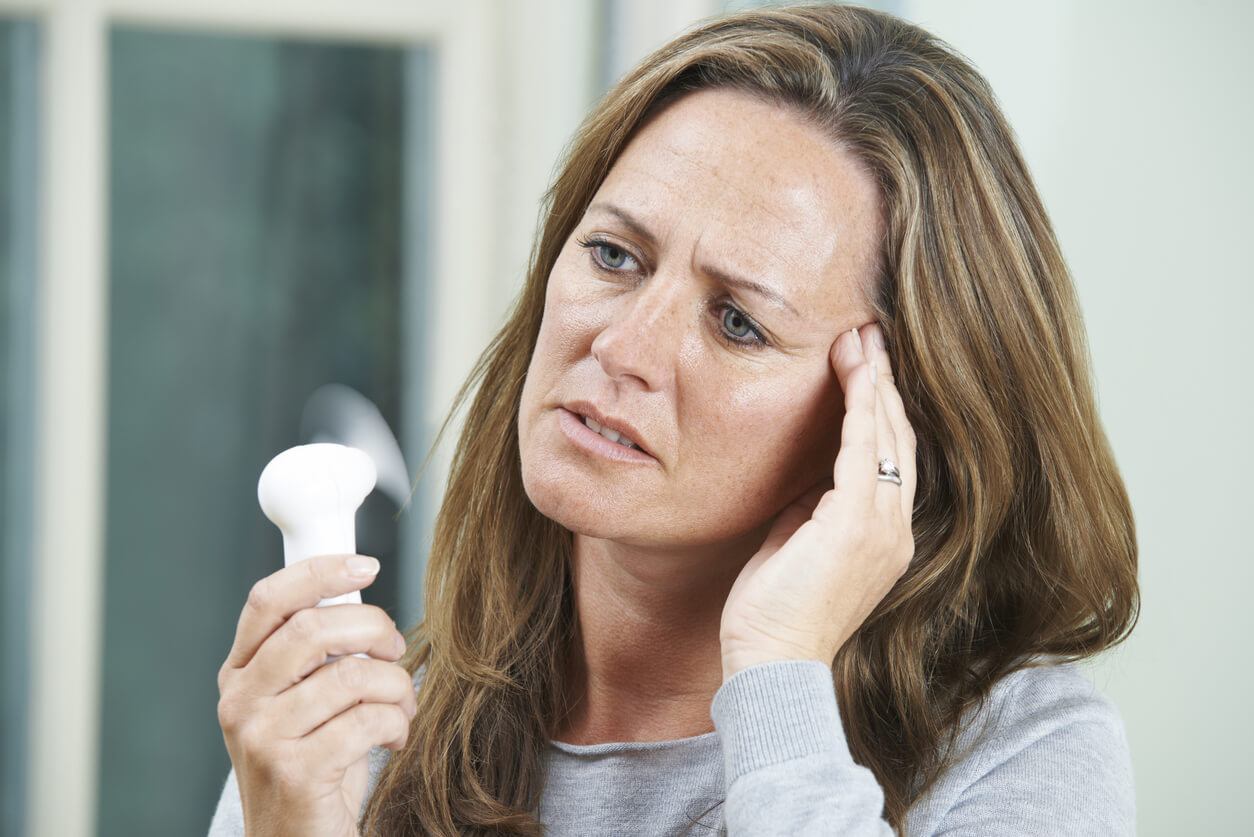
HGH can be relevant during menopause, but it helps to separate true menopause symptoms from midlife symptoms that happen around the same time. The “classic” menopause symptoms, hot flashes, night sweats, vaginal dryness, and cycle changes are more directly tied to estrogen decline. HGH is not usually the first answer for those issues. When a woman’s main complaint is temperature swings or vaginal discomfort, estrogen-based care or other menopause-focused treatments may be more appropriate.
HGH enters the discussion when the complaint is less about reproductive change and more about physical decline. Some women describe this as losing their edge. They are not just tired after a bad night of sleep. They feel as if their body has become harder to manage. They may say their waist changed quickly, their workouts stopped producing results, their thinking feels duller, or they do not bounce back the way they once did. Those concerns deserve more than a simple “that is menopause” answer.
The better question is whether a woman’s menopause experience is being made worse by another hormone deficit. If so, treating only estrogen may leave part of the problem untouched. That is why a broad hormone evaluation can be useful, especially for women who have already tried lifestyle changes or basic menopause care and still feel far from themselves.
Keep in mind the HGH therapy for women is not an instant fix. It should not be framed as a shortcut for diet, exercise, or sleep. Its place is more strategic. It may help selected women improve the internal conditions that make their healthy habits work again. That is a very different promise from “take HGH and menopause goes away.” It is also a more honest one.
A strong treatment plan starts with identifying what is actually driving the symptoms. For some women, HGH will not be the answer. For others, it may be the missing piece that explains why their body has changed in ways standard menopause care did not fully address.
Is HGH Safe for Women?
HGH can be safe for women when it is prescribed legally, dosed carefully, and monitored by experienced medical providers. Safety depends less on the hormone itself and more on how it is used. A responsible program begins with medical screening. It does not begin with a sales pitch, a one-size-fits-all dosage, or a promise that every woman over 40 should be on HGH.
Women should be cautious with any source that treats HGH like a beauty product or fitness supplement. Real HGH requires a valid prescription. It should be based on symptoms, lab work, medical history, and ongoing follow-up. This is especially important for menopausal women because they may already be dealing with sleep changes, blood pressure concerns, blood sugar shifts, thyroid issues, breast health screening, or other midlife risk factors that must be considered before treatment.
Side effects are more likely when dosing is too aggressive. Women may notice swelling, fluid retention, joint discomfort, numbness or tingling in the hands, headaches, or changes in blood sugar. These problems are often dose-related, which is why careful adjustment matters. The goal is not to push the body beyond normal function. The goal is to restore a healthier level when there is a clear medical reason to do so.
Some women should not use HGH. This may include women with active cancer, certain uncontrolled metabolic conditions, severe untreated sleep apnea, or other medical issues that make treatment unsafe. A qualified provider should review these concerns before prescribing anything. That review is not a formality. It is part of the treatment.
The safest HGH programs are conservative and personalized. They use the lowest effective dose, track symptoms over time, review lab markers, and make changes when needed. For menopausal women, this kind of supervision is not optional. It is what separates medical hormone care from unsafe, or illegal experimentation.
What Menopause Symptoms Can HGH Help?

The most useful way to think about HGH during menopause is to focus on symptoms that suggest the body’s maintenance system has slowed down. This is different from simply naming every possible sign of hormone decline. A woman does not need a generic checklist. She needs to know which complaints might reasonably point toward growth hormone evaluation.
One clue is a change in physical response. A woman may still be doing the same things she has always done, but the return on effort is different. Her usual exercise routine may no longer improve tone. Her normal eating pattern may not hold her weight steady. A minor strain may take longer to feel better. These changes can be demoralizing because they make a disciplined woman feel as if she has lost control.
Another clue is the timing. If symptoms appeared gradually through the 40s or worsened after menopause, it may be worth looking beyond estrogen alone. Growth hormone naturally declines with age. Menopause does not cause that decline by itself, but the two changes can overlap. That overlap may make midlife feel more abrupt than it really is.
HGH is not the first thought for the most common menopausal symptoms such as mood swings and vaginal dryness, though it can help alleviate those symptoms. HGH therapy is most relevant when the symptoms involve structure, function and vitality, rather than only comfort.
Let’s take a look at the benefits of HGH therapy for some specific menopause symptoms.
HGH Benefits for Menopausal Weight Gain
Menopausal weight gain is not always dramatic at first. It may begin as a waistline that thickens despite no major change in diet. Clothes fit differently. The same workouts feel less productive. A woman may lose five pounds, then regain it quickly. Over time, she may feel that weight control has become less predictable and less forgiving.
This shift has several causes. Estrogen decline can influence fat storage, especially around the midsection. Sleep disruption can increase cravings and reduce self-control. Stress can change eating patterns and raise cortisol. Lower activity from joint pain, fatigue, or caregiving demands can reduce daily calorie use. At the same time, aging often brings a quiet loss of muscle, which lowers the body’s energy needs.
HGH is relevant because menopausal weight gain is often not just a fat problem. It is a composition problem. A woman may not only be gaining weight; she may also be losing the firm tissue that used to help shape her body. That is why the scale can be misleading. Two women may weigh the same, but one has a stronger, healthier build while the other has more abdominal fat and less tone.
A medically supervised HGH plan may be considered when this kind of change matches symptoms and testing. The goal is not crash weight loss. It is to help the body respond better to the basics: protein, resistance exercise, sleep, and steady nutrition. When those basics are already in place, but results remain poor, hormone evaluation can reveal why effort is not translating into progress.
Women should be wary of any program that presents HGH as a stand-alone weight-loss tool. That is not the right use. Menopausal weight gain needs a full plan. HGH, when appropriate, belongs inside that plan, not outside it as a magic fix.
HGH Benefits for Mood Swings
Mood swings during menopause can be deeply frustrating because they do not always feel like “normal emotion.” A woman may feel irritated faster, more easily overwhelmed, or less patient with stress she used to handle well. She may also feel discouraged because her body, sleep, weight, and focus are changing at the same time. Mood is often the place where all those pressures show up.
Estrogen changes can affect mood directly, but they are not the only factor. Poor sleep can make anyone more reactive. Midlife stress can be intense. Blood sugar swings can affect emotional steadiness. Weight gain can affect confidence. A woman who feels physically depleted may have less tolerance for ordinary daily demands. By the time she says she is moody, she may really be describing a full-system strain.
HGH should not be presented as a mood medication. It is not a substitute for care when a woman has depression, anxiety, panic symptoms, trauma, or severe emotional distress. Those concerns deserve direct attention. However, HGH may be part of the conversation when mood changes appear alongside a broader decline in physical stamina and self-confidence.
The relationship is often indirect. When a woman starts to feel stronger, sleep better, recover more normally, and trust her body again, her mood may become steadier. That improvement does not happen because HGH “treats mood swings” in a simple sense. It happens because the physical burden behind some of those mood swings may be reduced, or even eliminated with prescription HGH injections.
This is an important distinction. It keeps the page medically responsible and more human. Menopausal women do not need to be told that every feeling is hormonal. They need a provider who can ask whether emotional changes are coming from hormones, life stress, sleep loss, metabolic strain, or all of those at once.
HGH and Improved Brain Fog in Women Over 40
Brain fog after 40 can be hard to explain to someone who has not felt it. It is not always severe memory loss. Often it is a slower mental pace. A woman may walk into a room and forget why, struggle to find a word, lose her train of thought during a busy day, or feel less sharp at work. These changes can be embarrassing because they touch identity. Many women are used to being the person who remembers everything.
Menopause can affect brain function because estrogen is active in areas related to memory, attention, and sleep. But brain fog is rarely caused by one factor. A woman with broken sleep, high stress, poor recovery, low thyroid function, blood sugar swings, or other hormone changes may feel mentally dull even if her estrogen treatment is technically adequate.
HGH may be worth evaluating when brain fog appears with a broader loss of day-to-day vitality. The point is not that HGH acts like a focus drug. It does not. The more realistic idea is that the brain works better when the body is sleeping, repairing, and regulating energy more effectively. If a woman is physically depleted, her concentration can suffer.
For this reason, brain fog should be handled with curiosity rather than assumptions. Is the woman sleeping through the night? Is she waking with night sweats? Is she under major stress? Has her thyroid been checked? Is she eating enough protein? Is she overusing caffeine to push through the day? Has she noticed the same pattern with weight, stamina, and recovery? These questions matter because they help determine whether HGH belongs in the conversation.
Women over 40 should not be brushed off when they say their mind feels different. At the same time, no single hormone should be blamed too quickly. The best care looks for patterns. When brain fog is part of a wider midlife hormone picture, HGH therapy may help some women feel more mentally present as their overall health improves.
HGH and Osteoporosis Prevention
Bone loss is one of the most serious health issues connected to menopause because it can progress quietly. A woman may feel fine while bone density is declining. The first warning may not be pain. It may be a scan that shows osteopenia, or worse, a fracture after a fall that should not have caused such damage.
Estrogen decline is a major reason bone loss speeds up after menopause. That is why bone health should be part of any serious menopause discussion. But bone strength is not controlled by estrogen alone. Bones also respond to strength training, protein intake, vitamin D, minerals, inflammation, thyroid balance, medications, genetics, and the body’s ability to rebuild tissue over time.
HGH has a logical place in this conversation because bone is living tissue. It is constantly renewed. Many studies have shown how HGH can improve bone density and help prevent osteoporosis related fractures. This does not mean HGH replaces osteoporosis medication, estrogen therapy, nutrition, or exercise. It means HGH may be one factor to evaluate when a woman is trying to protect her long-term strength.
The practical goal is not only to improve a number on a bone density report. It is to prevent the chain reaction that can follow weak bones: fractures, reduced mobility, fear of activity, loss of independence, and a smaller life. A woman who stays strong is more likely to keep walking, lifting, traveling, exercising, and living with confidence.
HGH therapy may be considered as part of a prevention-minded plan for selected women, especially when bone concerns appear with other signs that the body is not maintaining itself well. That plan should still include the basics: weight-bearing exercise, resistance training, nutrition, fall prevention, and routine screening. Bone health is long-term work. Hormone care can support that work, but it should never replace it.
Is HGH Ever Combined With Other HRT to Treat Menopause?

Yes, HGH is sometimes used with other hormone therapies, but only when the woman’s symptoms and lab results justify that kind of plan. Menopause care often begins with estrogen and progesterone because those hormones are central to the transition. Some women may also need testosterone support, thyroid evaluation, or metabolic care. HGH may be considered when the pattern points beyond ovarian hormone decline.
Combination therapy should be thoughtful, not excessive. The goal is not to give a woman every hormone available. The goal is to understand which systems are underperforming and why. A woman with severe hot flashes may need a different plan than a woman whose main concerns are body composition, bone density, and loss of physical capacity. A woman with thyroid dysfunction may not respond well until that issue is addressed. A woman with poor sleep may need sleep treated before any hormone plan can be judged fairly.
This is why a single prescription often does not solve everything. A woman may start menopause HRT and feel better in some ways but still struggle in others. That does not mean the treatment was wrong. It may mean it was incomplete. Estrogen may calm hot flashes but not fully address midlife changes in strength, shape, or recovery. Studies suggest that testosterone may improve desire or libido and other sexual dysfunction in perimenopause or menopause.
When HGH is combined with other forms of HRT, monitoring becomes even more important. The provider needs to know what changed, what did not change, and whether any side effects have appeared. Doses may need to be adjusted. Some therapies may be continued, reduced, or stopped depending on response. A good plan is not static. It evolves as the patient improves.
For menopausal women, the best hormone care is neither minimal nor aggressive. It is precise. It respects the fact that women can have several overlapping hormone issues without turning treatment into guesswork
Why Come to the HGH Therapy Doctor for Menopause Treatments?
When it comes to menopause all too often women are told that their symptoms are normal, and they should just “live with it.” Or if they are taken seriously, they are offered a single treatment option even when their concerns involve multiple symptoms. You will find a much different approach to menopause treatments at the HGH Therapy Doctor. We take a more complete view of menopause, aging, and hormone balance.
Women come to the HGH Therapy Doctor when they want answers that are specific to their body. We evaluate symptoms, medical history, hormone patterns, risk factors, and treatment goals before making recommendations. If HGH therapy is appropriate, it is prescribed and monitored with care. If another form of HRT is more relevant, that will be discussed. If a combined plan is best, we help patients understand how each part of treatment contributes to the larger goal.
This is especially important for women who feel that standard menopause conversations do not fully explain what they are experiencing. Hot flashes may not be their biggest concern. They may be more worried about losing muscle, gaining belly fat, feeling foggy, recovering slowly, or seeing their bone health decline. These concerns deserve more than a brief reassurance that they are “part of aging.”
The HGH Therapy Doctor focuses on safe, medically guided treatment. We do not believe in guessing, overprescribing, or using HGH as a one-size-fits-all solution. The goal is to help qualified women improve health, function, and quality of life with a plan that is thoughtful and realistic.
If menopause has changed the way you feel, look, think, recover, or move through your day, you do not have to accept those changes without answers. Contact the HGH Therapy Doctor today to schedule a consultation and learn whether HGH therapy, menopause HRT, or a personalized hormone plan may be right for you.
Frequently Asked Questions About HGH Therapy and Menopause
Can HGH help with hot flashes?
HGH is not usually the main treatment for hot flashes. Hot flashes are more closely related to estrogen changes and the way the body regulates temperature during menopause. Women with frequent or severe hot flashes may need evaluation for menopause hormone therapy or other treatments. HGH may still be considered if the woman also has signs of growth hormone decline, but it should not be presented as the primary answer for hot flashes.
Can HGH help with menopause belly fat?
HGH may help support healthier body composition in women who are appropriate candidates. Menopause belly fat can be influenced by estrogen decline, muscle loss, insulin resistance, sleep problems, and lower growth hormone activity. HGH therapy may support lean muscle and fat metabolism, which can make a complete weight-management plan more effective. It should be paired with nutrition, strength training, sleep support, and medical monitoring.
Is HGH therapy safe after menopause?
HGH therapy may be safe after menopause when it is properly prescribed and monitored. Safety depends on the woman’s medical history, lab results, dosage, and follow-up care. It may not be appropriate for women with certain health conditions, including some active cancers or uncontrolled metabolic problems. A responsible provider will screen carefully, start with an appropriate dose, monitor response, and adjust treatment when needed.
Can HGH be used with estrogen therapy?
In some cases, yes. HGH may be combined with estrogen therapy or other hormone treatments when testing, symptoms, and medical history support that approach. The purpose is not to give more hormones than necessary. The purpose is to address different parts of the hormone picture when more than one imbalance is affecting how a woman feels. Combination therapy should always be supervised by a qualified medical provider.
Who is a good candidate for HGH therapy during menopause?
A good candidate is usually a woman with symptoms and lab findings that suggest adult growth hormone decline may be affecting her health and quality of life. This may include changes in body composition, low vitality, poor recovery, reduced muscle tone, and other concerns that do not fully respond to standard menopause care. The only way to know is through a proper medical evaluation, including history, symptoms, risk review, and lab testing.