
Our Comprehensive Hormone Imbalance Test Panels
Comprehensive lab tests are the key to successful hormone therapy.
Many people live for years with symptoms they cannot fully explain. They feel tired even after sleep. They gain weight even when they “eat pretty well.” Their mood feels off. Their sex drive drops. Their focus is not what it used to be. They start to wonder: “Is this just aging? Or is something in my body out of balance?”
Hormones can be a big part of that story. Hormones are chemical messengers. They help control energy, sleep, hunger, muscle, fat storage, mood, and sexual health. When key hormones rise too high or fall too low, you can feel it in many parts of life.
This guide walks you through how hormone imbalance testing works, what it can (and cannot) tell you, and what usually comes next after results are reviewed.
What is Age-Related Hormone Decline?
Hormone levels naturally peak during early adulthood. From the mid-30s onward, the body gradually begins to produce fewer essential hormones. including testosterone, growth hormone, progesterone, estrogen, DHEA, and thyroid-related hormones. This decline affects men and women differently, but it is universal and progressive.
For men, testosterone decreases by about 1–2% per year starting around age 30. Human growth hormone, or HGH output, also gradually falls, reducing metabolism, muscle mass, and tissue repair. Many men are unaware of the decline until symptoms begin to interfere with their daily lives.
For women, estrogen and progesterone begin to fall during perimenopause, often dramatically. This hormonal shift contributes to changes in mood, weight, energy, sleep, and sexual wellness, long before full menopause begins.
Age-related hormone decline is not a disease. It is a biological reality. But modern diagnostic testing allows physicians to detect deficiencies early and design a personalized plan to keep hormones within optimal ranges.
What Are the Signs and Symptoms of Hormone Imbalance?
Hormone imbalance affects everyone differently. Some may notice subtle changes, while others experience a rapid shift in energy, appearance, emotional well-being, or physical comfort.
Common symptoms in both men and women include:
- Chronic fatigue or loss of motivation
- Difficulty losing weight or unexplained weight gain
- Decreased muscle tone and slower physical recovery
- Sleep disturbances and low sleep quality
- Mood swings, irritability, anxiety, or depressed mood
- Brain fog and difficulty concentrating
- Reduced sexual desire or performance changes
- Hot flashes or temperature regulation issues
- Hair thinning, dry skin, and reduced skin elasticity
Many individuals report feeling older than they are, as if their bodies and minds are not keeping up with the life they want to live. When several of these symptoms appear together, hormone testing can help identify the underlying cause.
How Do We Test For Hormone Imbalance?
Hormone testing is not one single test. It is a process. Think of it like putting puzzle pieces together.
A strong hormone evaluation usually includes:
A symptom review. We start by listening. Which symptoms are you feeling? When did they start? Are they daily or “on and off”? What has changed in your sleep, stress, appetite, weight, workouts, mood, or sex life?
A health and medication review. Many common medicines can affect hormones and cause the symptoms of hormonal imbalance. As can alcohol use, sleep patterns, major stress, recent illness, and even big changes in exercise or diet.
Lab testing. This is where we measure hormone levels and related markers. Most hormone testing is done with blood work. In some cases, saliva or urine testing can be used for specific hormones or specific situations, but blood testing remains the main medical standard for diagnosing most hormonal issues.
Repeat testing when needed. Some hormones change during the day. Some change across the month, particularly among females. Some change with sleep, food, illness, or stress. If a result is borderline or does not match your symptoms. we may repeat the test to confirm what is real and consistent.
Clinical interpretation. A number on a page is not the full story. Good hormone care looks at the full picture: symptoms, test timing, lifestyle, medical history, and patterns over time.
This is why “one quick hormone test” is often not enough. The goal is not just to find a result. The goal is to find the cause of how you feel and build a plan that makes sense.
In Office Lab Tests and Hormone Panels
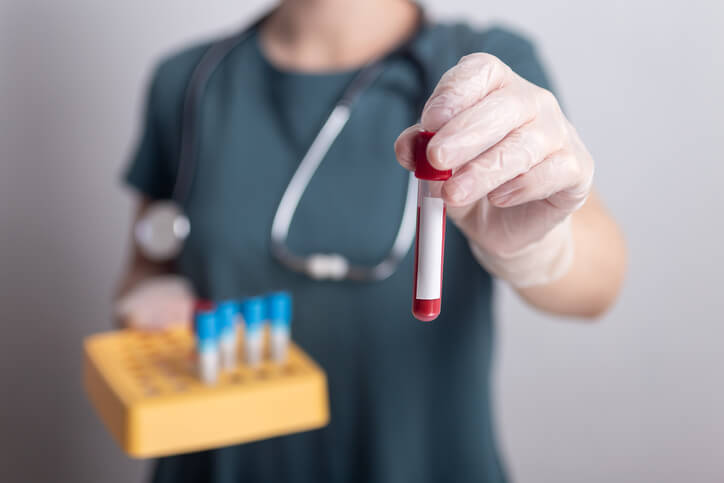
In-office lab testing is the most complete way to evaluate hormone imbalance. It allows for broader panels, more consistent sample handling, and better clinical follow-up.
What in-office labs can measure
A well-built hormone panel may include:
Testosterone testing
This can include total testosterone and, in certain cases, free testosterone. Testosterone screening may also include SHBG, which is a binding protein that affects how much testosterone is available to your tissues, plus LH and FSH, two critical hormones that help control testosterone production. Women as well as men can benefit from having their testosterone levels evaluated.
Estrogen and progesterone
Estradiol is the main estrogen measured in many panels. Progesterone is often evaluated based on cycle timing in women. These tests are primary done for women, but in some cases men’s estrogen levels may be tested.
Thyroid testing
Thyroid hormones are not “sex hormones,” but they strongly affect energy, weight, mood, heart rate, and body temperature. Many patients who think they have a “testosterone problem” or “cortisol problem” actually have a thyroid health issue, or a mix of both. Testing may include TSH and free T4, and sometimes free T3 or thyroid antibodies.
DHEA-S (an adrenal hormone).
DHEA is an adrenal hormone which can affect energy, mood, and sexual function and can also help give clues about adrenal function.
IGF-1
IGF-1 is often used as a screening marker when we are evaluating possible adult growth hormone deficiency. It is helpful, but it is not usually enough to confirm a diagnosis.
Metabolic and safety markers
Hormone symptoms often overlap with blood sugar issues, cholesterol issues, liver changes, anemia, and inflammation. So many panels also include things like a complete blood count (CBC), a metabolic panel (kidney/liver markers), A1C (average blood sugar), fasting glucose, and lipids.
Why timing matters for blood testing
Hormones are not fixed like blood type. Many hormones change throughout the day.
For example, testosterone is often higher in the morning. Because of that, medical guidelines commonly recommend checking testosterone in the morning and confirming low results with repeat testing on a separate day when diagnosis is being considered.
For women, cycle timing can matter, too. Hormones like estrogen and progesterone can change a lot across the month. That does not mean testing is useless, it means testing must be planned and interpreted correctly.
What you gain from in-office lab testing
In-office lab testing is often the best choice when:
- Symptoms are strong or worsening
- You want a full picture in one visit
- You have multiple symptoms across different systems (sleep, weight, mood, libido, energy)
- You want medical-grade confirmation before starting treatment
- You may be a candidate for prescription therapy that requires careful monitoring
In short: if you want the most complete “map” of your hormone health, in-office testing is usually the most direct route.
Hormone Panels for Men
Men’s testing typically focuses on hormones most responsible for energy, physical performance, metabolic function, and sexual wellness. A comprehensive men’s panel may include:
- Free testosterone
- Sex Hormone Binding Globulin (SHBG)
- IGF-1 (growth hormone marker)
- Estradiol (important for bone and cardiovascular health)
- LH and FSH (pituitary signaling hormones)
- DHEA
- Cortisol
- Thyroid hormones (TSH, T3, T4, reverse T3)
- Metabolic markers such as glucose and lipids
- Total testosterone
With accurate testing, low testosterone or HGH deficiency can be treated safely and effectively.
Hormone Panels for Women
Women’s hormone testing is essential not only during menopause but also throughout perimenopause and even pre-40 when symptoms first begin. A women’s panel may include:
- Estradiol and progesterone
- Testosterone (women need it too)
- FSH and LH
- DHEA
- Cortisol
- IGF-1
- Thyroid hormones (TSH, T3, T4, reverse T3)
- Prolactin
- Metabolic markers such as glucose, insulin, and lipids
Hormone symptoms in women are often attributed to stress, aging, or lifestyle, but testing reveals the true internal picture. With this insight, hormone replacement can be precisely tailored to each woman’s needs and goals.
Most Common Hormone Testing Panels & What They Reveal
| Hormone Panel |
Who It’s For |
Key Hormones Measured |
Primary Purpose / What It Reveals |
| Male Hormone Panel |
Men experiencing low energy, reduced strength, weight gain, or sexual performance changes |
Total & Free Testosterone, SHBG, Estradiol, LH, FSH, DHEA, IGF-1, Cortisol, Thyroid Markers |
Identifies testosterone deficiency, growth hormone insufficiency, pituitary signaling issues, adrenal fatigue, thyroid imbalance, and causes of low libido & declining metabolism |
| Female Hormone Panel |
Women experiencing perimenopause, menopause, irregular cycles, mood changes, or brain fog |
Estradiol, Progesterone, Testosterone, FSH, LH, DHEA, IGF-1, Cortisol, Thyroid Markers |
Detects estrogen/progesterone decline, hormonal causes of weight gain, decreased libido, sleep issues, mood changes, and menopausal/perimenopausal transition patterns |
| Adrenal Hormone Panel |
Individuals with chronic fatigue, stress sensitivity, poor sleep, or burnout symptoms |
Cortisol, DHEA, ACTH (if applicable) |
Reveals adrenal over-activation or adrenal fatigue that affects stress tolerance, energy, inflammation, weight regulation, and sleep quality |
| Thyroid Panel |
Patients with weight fluctuations, cold intolerance, brain fog, hair thinning, or persistent fatigue |
TSH, Free T3, Free T4, Reverse T3; Thyroid Antibodies (when indicated) |
Evaluates thyroid function and metabolic speed; identifies undiagnosed hypothyroidism, Hashimoto’s, or subclinical thyroid dysfunction impacting weight and energy |
| Endocrine Panel |
Patients with multiple hormonal symptoms or complex metabolic changes |
Pituitary Markers + Reproductive, Thyroid, Adrenal & Metabolic Hormones |
Assesses systemic hormonal signaling; helps identify combined hormone dysregulation rather than a single isolated deficiency |
| Metabolic Panel |
Patients with weight-loss resistance, insulin resistance, cardiovascular risk, or chronic fatigue |
Glucose, Insulin, Lipid Profile, Liver & Kidney Function |
Shows how hormones are impacting metabolism, inflammation, cardiovascular wellness, and long-term health / aging patterns |
At Home Hormone Testing Versus In Person Labs
Today, there are “at home” hormone test kits available. Both options can be valuable. The right choice depends on your goals, your symptoms, and how clear the answer needs to be.
When at-home testing may be enough to start
At-home testing can be a good first step when:
- your symptoms are mild to moderate
- you want a starting point before deciding on deeper testing
- you want convenience
- you mainly need screening-level insight
- you plan to confirm abnormal results with in-person labs
When in-person labs are usually the better choice
In-person labs are often the better option when:
- symptoms are strong or getting worse
- you have several symptoms across different systems
- you want a complete panel right away
- you may be considering prescription therapy like TRT
- you need confirmatory testing to make a clear diagnosis
For example, when we evaluate possible low testosterone, medical guidelines emphasize diagnosing only when symptoms are present and testosterone is consistently low, confirmed with repeat morning testing.
Furthermore, when evaluating true adult growth hormone deficiency, screening markers like IGF-1 may help, but diagnosis often requires specialized stimulation testing unless there is a known structural or genetic reason already established.
The bottom line
If you want a simple, low-friction start, at-home testing can help you begin.
If you want the clearest medical answers and a safer path toward treatment—full lab panels and clinician review are usually the strongest approach.
Many patients do both: at-home screening first, then in-office panels to confirm and build a treatment plan.
Hormone Testing After Diagnosis: What’s Next?
Once testing is complete, the next step is not “pick a hormone and start shots.” The next step is to understand what the testing really shows.
What testing can reveal
Sometimes hormone testing shows a clear hormone deficiency pattern. Other times it shows a mixed picture—like mild low testosterone levels plus thyroid issues plus high stress markers. In those cases, treating the full picture often works better than treating one lab number.
Confirming a diagnosis matters
Two examples show why confirmation is important:
Low testosterone
Diagnosis is not based on one test alone. Guidelines commonly recommend confirming low testosterone with repeat morning testing and matching results to symptoms.
Adult growth hormone deficiency
Symptoms can sometimes be vague and indicative of many other conditions. Because of that, diagnosis usually relies on stimulation testing rather than symptoms alone.
In the U.S., oral stimulation tests are often used for adult GH deficiency diagnosis in appropriate patients, which reflects how specialized GH testing can be.
What usually happens next:
After your results are reviewed, the next steps commonly include:
- A clear explanation of what the results mean in plain language
- A plan for confirmatory testing if needed
- A discussion of treatment options (medical and lifestyle)
- A safety and monitoring plan if prescription therapy is considered
- Follow-up testing to track response and adjust dosing safely
When treatment is appropriate, it is tailored. When treatment is not appropriate, we explain why and discuss safer, smarter options.
Testosterone Replacement Therapy
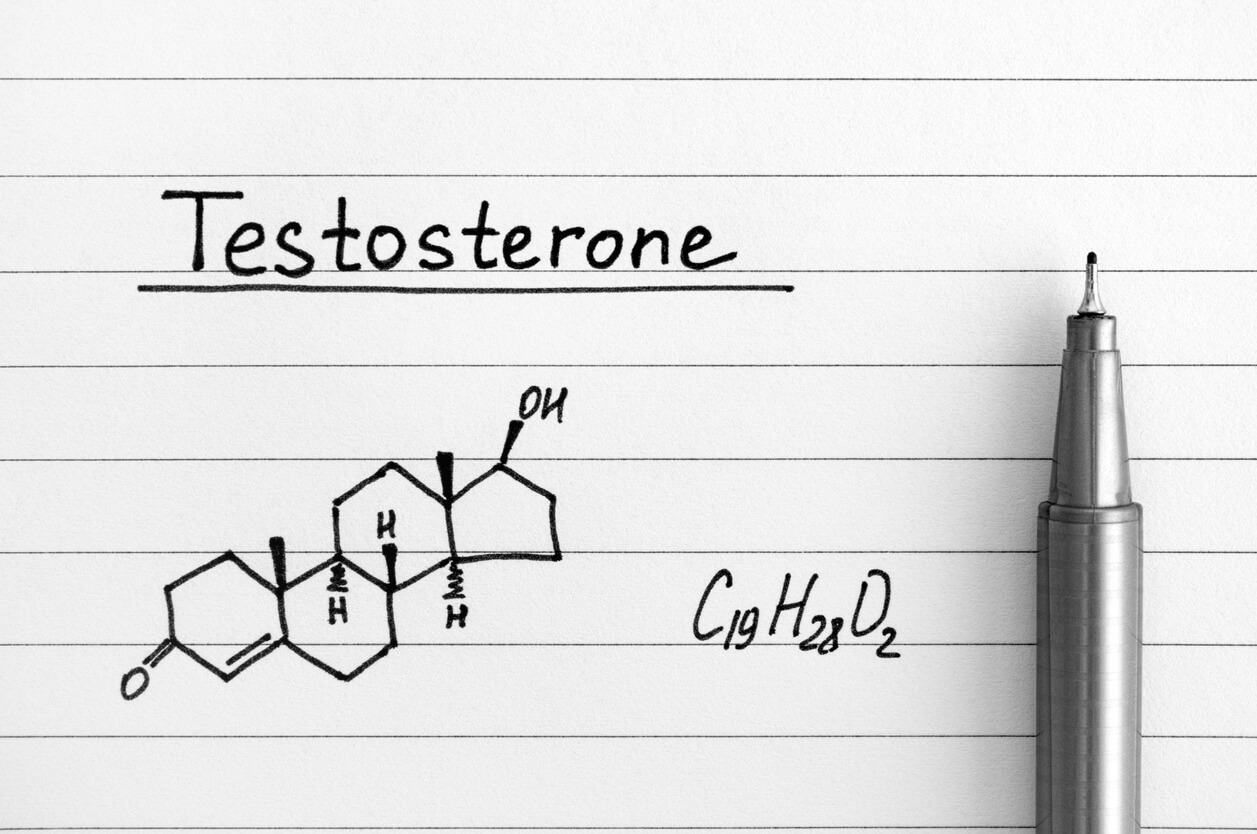
Testosterone replacement therapy (TRT) is a medical treatment used for men who have symptoms consistent with testosterone deficiency and consistently low testosterone levels confirmed by appropriate testing.
TRT is not a “quick energy fix” for everyone. It is not meant to be used as a general anti-aging product. The safest and most effective use is when a true deficiency is present and treatment is monitored.
The Benefits of TRT
When TRT is used for the right patient, for the right reason, and monitored properly, many men report meaningful improvements in daily quality of life.
Benefits can include:
Improved sexual health.
This may include better sex drive and improved sexual function in men with confirmed deficiency.
Better energy and motivation.
Many men describe fewer afternoon crashes and more consistent drive through the day.
Improved body composition.
Some men notice easier muscle maintenance and less fat gain when testosterone levels are restored to a healthy range, along with consistent exercise and nutrition.
Bone and blood benefits in certain patients.
Evidence summarized in clinical guidance notes benefits of TRT on measures such as bone density and anemia in some men with low testosterone.
It is also important to be honest about what TRT does not do:
- It does not replace good sleep.
- It does not cancel out poor nutrition.
- It does not automatically fix stress or relationship issues.
- It is not appropriate for everyone.
TRT works best when it is part of a full plan that includes lifestyle support and ongoing monitoring.
HGH Therapy
A proper medical approach to growth hormone therapy evaluation starts with testing and careful diagnosis. Adult growth hormone deficiency is a real medical condition, but it is not diagnosed by symptoms alone. It is typically confirmed through stimulation testing unless there is a proven, established cause already documented.
Why growth hormone testing is different
Growth hormone is released in pulses. It rises and falls. A single random GH blood test is usually not helpful.
Because of that, clinicians often use:
- IGF-1 as a screening marker (it reflects GH activity over time)
- stimulation testing to confirm whether the pituitary can produce GH properly
If a true deficiency is confirmed, treatment may involve prescription growth hormone under medical supervision, with individualized dosing and follow-up.
The Benefits of Growth Hormone Injections
For patients with confirmed adult growth hormone deficiency, growth hormone replacement therapy has been associated with benefits in areas such as:
Body composition
Many patients with GH deficiency have higher fat mass and lower lean mass. GH replacement can support healthier body composition over time.
Exercise capacity and stamina
Most patients report improved endurance and physical performance.
Skeletal integrity and bone health
Many studies show how HGH therapy improves bone heath, especially in more severe HGH deficiency.
Quality of life measures
Many patients with diagnosed deficiency report improvements in well-being and daily function with therapy.
We Take a Different Approach to Hormone Testing and Diagnosis
Many places sell hormone testing like a retail product: pick a kit, get a result, buy a supplement, repeat.
That is not how The HGH Therapy Doctor operates.
We take a medical-first approach built around three principles:
1) We test with a purpose
We do not order random labs. We choose tests that match your symptoms and your health history. We also consider timing, because timing can change results.
2) We aim for clear diagnosis, not confusion
Hormones interact. Testosterone is connected to sleep, weight, and stress. Thyroid affects energy and mood. Cortisol shifts with life stress and sleep. Growth hormone testing is specialized and cannot be guessed from symptoms alone.
Our goal is to simplify the picture, not overwhelm you with numbers.
3) We connect testing to a real plan
Testing is only valuable if it leads to smart next steps. Depending on your results, that plan may include:
- confirmatory testing
- lifestyle and recovery support (sleep, nutrition, exercise, stress)
- medically appropriate hormone therapy when indicated
- ongoing monitoring to ensure safety and long-term results
Hormone Testing: The HGH Therapy Doctor Promise
At The HGH Therapy Doctor you will never be left guessing about what your results mean. You will not be pushed into treatment that does not match your testing. And you will not be managed with a one-size-fits-all plan.
You will get a structured evaluation, clear interpretation, and a treatment path built around what your body actually shows, using either at-home testing, in-person lab testing, or the combination that best fits your situation.
If you have been feeling “off” for months or years, hormone testing can be a strong turning point. The goal is not just to label a problem. The goal is to help you feel like yourself again—with a plan you can trust.
Now that you know a lot more about how we test for hormone issues in adults, why not contact us today and get started? Your test results can lead you to being a whole new you!