If your workouts stopped working after 35 or 40, hidden hormone changes may be one reason your body no longer responds the way it used to.
Many adults reach a point where effort no longer matches results. You keep training. You try to eat well. You add more steps, more sets, more cardio, or more discipline, yet the mirror does not change the way it once did. The same routine that used to tighten your waist, build visible muscle, or leave you feeling strong now seems to produce smaller returns.
This can feel personal. It can make you wonder if you are lazy, inconsistent, or simply getting older. But in many cases, the problem is not a lack of willpower. It may be that your internal hormonal balance has changed. Exercise depends on more than movement. It depends on recovery, sleep, protein use, fat metabolism, and how your body responds to stress. All of those things rely on hormones, and in particular human growth hormone, or HGH.
As adults age, HGH levels tend to decline resulting in what is known as “age-related” or “adult-onset” growth hormone deficiency, both abbreviates “AGHD.”
Adults who are tested and diagnosed with AGHD can be treated effectively with HGH replacement therapy. HGH is not a magical “fountain of youth” that will reverse aging. The goal is to help the body respond more normally again when a hormone problem is holding progress back.
Hormones and Effective Exercise: What’s the Connection?
Exercise is a controlled form of stress. When you lift weights, walk hills, train with resistance bands, swim, or do high-intensity intervals, you are asking the body to adapt. The workout itself does not create the final result. The real change happens afterward, when the body repairs, restores, and becomes better prepared for the next challenge.
That response depends heavily on hormones. Hormones act like instructions. They tell the body when to build, when to use stored fuel, when to rest, and when to recover. If those signals are strong and balanced exercise tends to produce better results. If those signals weaken, the same effort may feel harder and produce less visible change.
This is one reason many people become frustrated in midlife. They may still have good habits, but their body no longer interprets training the same way. A workout that once led to soreness followed by improvement may now lead to fatigue that lingers. A modest calorie deficit that once trimmed body fat may now leave them hungry, tired, and stuck. A strength plan that once added shape may now simply help them maintain what they have.
HGH is especially important because it helps the body handle the “after” part of exercise. The workout sends the message. The body then has to answer that message. When HGH activity is lower than it should be, the answer may be weaker. The person is still training, but the return on that training can shrink.
Testosterone levels also play a role, especially for strength, drive, and lean muscle. In women, changing estrogen and progesterone levels can affect sleep, temperature control, energy, and fat storage. Still, this page focuses mainly on HGH because many adults overlook it when their workouts stop producing familiar results.
Why Does Muscle Growth Slow After 35?
Muscle growth often slows after 35 because the body becomes less responsive to the same training stimulus. This does not happen all at once. Most people notice it gradually. You may still be able to push through a workout, but the changes that used to appear within weeks may now take much longer. In some cases, they barely appear at all.
Part of this is normal aging. Middle-aged adults slowly lose muscle tissue over time, a condition known as sarcopenia, especially if they are not strength training. The body may also become less efficient at using dietary protein. Joints may feel less forgiving. Sleep may become lighter. Stress may stay higher for longer. Each of these changes can make it harder to build and keep muscle.
Hormone imbalances add another layer. HGH tends to decline with age, and that matters because muscle does not grow only from lifting weight. It grows from the body’s ability to respond to lifting weight. When HGH is low, the body may have trouble keeping up with the repair demands of regular training. Instead of feeling challenged and stronger, many adults feel drained and stalled.
This is not the same as saying HGH alone builds muscle. It does not replace training, protein, or consistency. But when a true deficiency is present, the body may not be able to fully benefit from those healthy efforts. That is why some adults say, “I am doing everything right, but nothing is changing.”
The key point is simple: when muscle growth slows after 35, the answer is not always “train harder.”
Which Hormones Are Most Essential for Exercise Capacity?
Exercise capacity means more than how much weight you can lift or how fast you can run. It means how well your body handles effort. It includes stamina, power, breathing comfort, recovery between sessions, and the ability to stay consistent without feeling worn down.
HGH is one of the most important hormones for muscle strength and exercise capacity because it influences how the body responds after activity. When HGH levels are healthy, workouts are more likely to feel productive instead of punishing. The body has a better chance of repairing the small stresses that exercise creates. That can help a person keep a steadier training rhythm over time.
HGH deficiency can create a different pattern. A person may begin skipping workouts not because they lack discipline, but because the last workout took too much out of them. They may feel sore for longer than expected. They may need more rest days than before. They may feel strong at the start of a plan and then lose momentum because the body does not replenish well enough between sessions.
Like HGH, testosterone also can influence strength, energy and exercise capacity.
Which Hormones Are Most Important for Building Muscle?
Building muscle requires a clear training signal and a body that can respond to that signal. You need resistance work, enough protein, enough calories or the right calorie balance, sleep, and time. Hormones help determine whether those inputs lead to visible improvement.
HGH is important because it supports the body’s rebuilding environment. In adults with low HGH, the muscles may not respond to training with the same firmness, fullness, or progress they once did. This can be especially frustrating for people who have stayed active for years. They know what effort feels like. They know what their body used to do. The change is not imagined.
Testosterone is also a major hormone for muscle. Men with low testosterone may lose strength, lose muscle size, or struggle to gain despite consistent training. Women also need balanced hormones to maintain muscle, especially as estrogen changes around menopause can affect body composition and exercise response. However, this page is focused mainly on HGH because growth hormone deficiency can quietly undermine training adaptation even when effort remains high.
Healthy insulin function is another part of the muscle-building picture. The body needs to move nutrients into cells and use food effectively. Chronic stress can complicate this process. Poor sleep can make it worse. That is why the best plans look beyond one hormone and consider the whole system.
For adults with confirmed HGH deficiency, treatment may help restore a better foundation for training. The goal is not oversized muscle or bodybuilder-style growth. The goal is a healthier response to exercise in adults whose effort no longer seems to register.
Which Hormones Are Most Important for Burning Fat?
Fat loss depends on energy balance, but hormones influence how hard or easy that balance feels. Two people can follow similar plans and get different results because their sleep, stress response, insulin function, sex hormones, and HGH levels are not the same.
HGH is relevant to fat burning and weight loss because adults with low growth hormone often notice changes in body composition. Fat may gather more easily around the abdomen. Muscle tone may soften. The scale may move slowly, but the waistline tells the real story. A person may not feel heavier by much, yet their clothes fit differently and their shape changes.
When HGH is low, workouts may burn calories in the moment but fail to change the body’s shape in a satisfying way. This is one reason endless cardio can disappoint adults over 35. They may finish the session tired but still see little change in stubborn fat.
Testosterone also matters for fat loss in men because low levels can make it harder to maintain lean mass. Less muscle can mean a lower daily energy demand. In women, perimenopause and menopause can shift fat storage patterns, especially around the midsection. Estrogen changes can also disturb sleep, and poor sleep makes fat loss harder.
HGH Therapy and Muscle Growth
HGH therapy may support muscle growth and muscle maintenance in older adults who have been diagnosed with adult growth hormone deficiency or clear age-related growth hormone decline. This is an important distinction. HGH should not be used by otherwise healthy people who want to bulk up, chase extreme size, or gain a competitive bodybuilding advantage.
In a medical setting, the goal is different. The goal of HGH Therapy is to help qualified adults regain a more normal hormone environment so strength training can work the way it should. Many adults with low HGH are not trying to become athletes. They want to carry groceries more easily, climb stairs with confidence, keep up with family, get the most out of their workouts, and stop feeling as if their body is fading ahead of schedule.
Muscle growth in this context does not mean dramatic overnight change. It means gradual improvement when HGH therapy is paired with strength and resistance training, protein intake, sleep, and follow-up care. The body still needs a reason to build muscle. Training provides that reason. HGH therapy may help the body respond when deficiency has weakened the response.
This is why medical supervision is essential. Proper care includes testing, symptom review, dosing decisions, and monitoring. More is not better. The right amount is the amount that supports safe progress for the patient’s condition. Using HGH without a diagnosis, without monitoring, or from an unverified source can be unsafe and should be avoided.
For adults who qualify, HGH therapy may help rebuild confidence in training. Not because it replaces work, but because the work begins to matter again.
HGH Replacement and Improved Recovery After Exercise
Recovery is where many adults first notice something has changed. In younger years, a hard workout may have left you sore but satisfied. After a day or two, you were ready to train again. Later in life, that same level of effort may leave you stiff, tired, and hesitant to repeat the session.
Poor recovery can quietly weaken an exercise program. You may reduce intensity because you dread the aftermath. You may stop progressing because your body always feels behind. You may move from strength training to easier activity, not because you prefer it, but because your system no longer tolerates the challenge.
Prescription HGH injections may help qualified adults by improving the body’s ability to restore itself after physical effort. This does not mean soreness disappears. Some soreness is normal when muscles are challenged. The issue is whether recovery feels reasonable or excessive. When a moderate workout creates several days of fatigue, something may be off.
Better recovery can also improve consistency. A person who recovers well is more likely to train regularly. Regular training produces better long-term results than short bursts followed by burnout. This is one reason recovery is not a side issue. It is central to fitness after 40.
Sleep, nutrition, hydration, and training design still matter. No hormone plan can make up for poor basics. But if those basics are in place and recovery still feels unusually slow, low HGH may be one reason the body is not keeping pace.
HGH Therapy and Overall Strength and Fitness
Strength is not only about muscle size. It is about the ability to use your body with confidence. Fitness after 40 often becomes less about appearance alone and more about staying capable. You want to lift, bend, walk, travel, work, play, and move through life without feeling fragile.
Low HGH can affect this sense of capability. A person may feel less powerful, less springy, or less physically reliable. They may still be able to exercise, but they feel as if they are always negotiating with their body. Instead of training to improve, they train to avoid losing ground.
HGH therapy may help qualified adults improve overall fitness when used as part of a larger plan that includes strength work, movement, nutrition, and medical monitoring. It is not a stand-alone fitness program.
This distinction matters. A patient should not expect HGH therapy to replace exercise. Rather, the therapy may help remove a barrier that has made exercise less effective. When the body responds better, workouts can feel more purposeful. Progress may become more realistic. The person may regain trust in their own effort.
For many adults, that restored trust is a major turning point. They stop feeling punished for trying. They begin to see training as something their body can use again.
Besides Muscle Loss Other Symptoms of Low HGH in Adults
Low HGH in adults can affect more than muscle. Because symptoms often develop slowly, many people do not connect them to hormone decline at first. They may assume they are simply busy, stressed, or older.
Other well-documented symptoms of low HGH in adults may include:
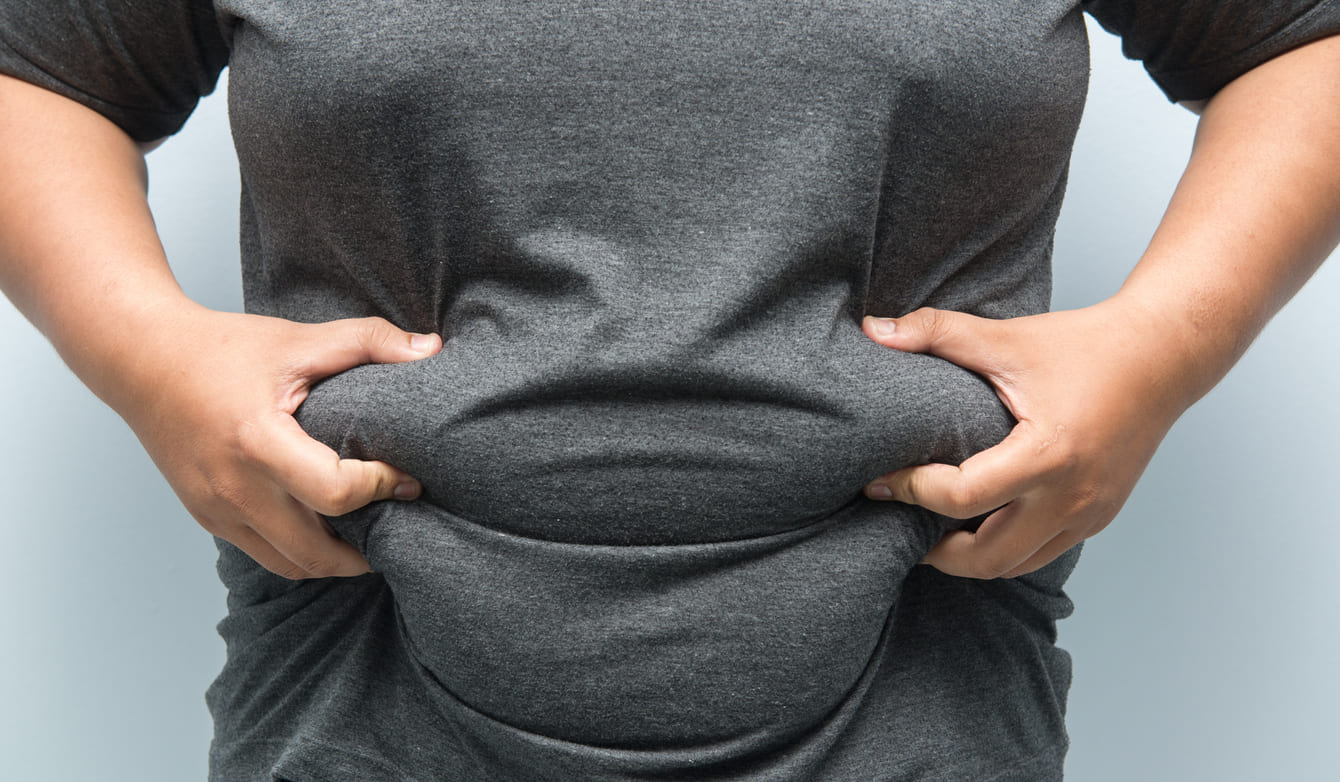
- More belly fat or a change in body shape
- Lower stamina during daily activity
- Slower recovery after exercise or illness
- Reduced exercise tolerance
- Less restful sleep
- Lower motivation or reduced sense of well-being
- Thinner or drier skin
- Sexual health issues
- Reduced bone strength over time
- Less physical resilience after stress
- Changes in cholesterol or metabolic health
- Feeling physically older than expected
- Lower confidence in strength and movement
Other Reasons My Workouts Are Not Working
Hormones may be part of the reason workouts stop working, but they are not the only possible cause. A strong evaluation should also look at training habits, recovery habits, food intake, sleep, stress, and expectations.
One common issue is doing the same workout for too long. The body adapts to repeated routines. If the weight, tempo, volume, or challenge never changes, progress may slow. This is not a failure. It is how the body works. Training needs some form of progression to keep producing change.
Another issue is too much cardio and not enough strength training. Cardio is useful for heart health and endurance, but it does not replace resistance work. Adults who want better body composition need to preserve and build muscle. Without strength training, weight loss can sometimes include muscle loss, which may make the body look softer even when the scale goes down.
Food intake can also be off in either direction. Some people eat more than they realize. Others eat too little for too long, leaving themselves tired and unable to train well. Protein may be too low. Meals may be poorly timed. Alcohol, late-night snacking, or weekend habits may quietly cancel out weekday discipline.
Stress is another major factor. A person living under constant pressure may struggle to recover, sleep, and make steady progress. Even a well-designed workout plan can fail if the body is always running on emergency mode.
Finally, expectations may need to change. Progress after 40 can still happen, but it often requires smarter training and better recovery. Trying to force the body with more punishment usually backfires. The goal is not to train like you are 22. The goal is to build a plan that works for who you are now.
Other Ways to Maximize Workouts As You Age
The best workout plan after 35 or 40 is not always the hardest plan. It is the plan your body can repeat, recover from, and build on. Consistency matters more than dramatic bursts of effort.
Strength training should be a priority. Adults need resistance work to maintain muscle, support joints, and keep metabolism active. This can include free weights, machines, resistance bands, bodyweight movements, or supervised training. The exact method matters less than steady progression and good form.
Recovery should also be planned, not treated as an afterthought. Rest days, mobility work, stretching, walking, and sleep all help the body absorb training. If every workout leaves you exhausted, the plan may be too aggressive or poorly matched to your current health.
Protein intake matters as well. Adults often need to be more intentional about protein than they were when they were younger. Spreading protein across meals can help support muscle maintenance. Hydration, mineral balance, and nutrient-rich meals also make workouts feel better.
Sleep may be the most underestimated fitness tool. Poor sleep can reduce motivation, increase hunger, worsen mood, and make training feel harder. A person who improves sleep often improves workout quality without changing much else.
Finally, track the right things. The scale does not tell the whole story. Strength, waist size, posture, energy during workouts, recovery time, and how your clothes fit can all show progress. If those markers are moving in the right direction, your plan may be working even when weight loss is slow.
Other Benefits of HGH Therapy for Adults Over 40
For qualified adults with low HGH, therapy may support several areas of healthy aging.
Other anti-aging and longevity benefits of HGH may include:
- Improved Sleep
- Support for bone strength
- Improved heart health, lowered risk of cardiovascular disease
- Improved skin quality
- Improved daily stamina
- Improved libido and enhanced sexual performance
- Better support for long-term mobility
- Improved mood and cognition
Why Come to The HGH Therapy Doctor for Optimal Aging?

If your workouts stopped working, the answer may not be another random program, supplement, or extreme diet. You may need to understand what has changed inside your body. The HGH Therapy Doctor helps adults look beyond surface-level fitness frustration and evaluate whether hormone loss is interfering with the results they are working hard to achieve.
The process starts with a careful review of symptoms, goals, medical history, and lab testing. This matters because hormone therapy should never be based on guesswork. Low HGH, low testosterone, thyroid concerns, menopause-related hormone shifts, and other issues can overlap. A proper plan begins by identifying which factors are most relevant to you.
The HGH Therapy Doctor focuses on medically supervised care for adults who want to age with strength, confidence, and control. If HGH therapy is appropriate, your plan is designed around safe dosing, monitoring, and long-term results. If another hormone issue is more important, that can be addressed as well. The goal is not to push one treatment. The goal is to match the right care to the right patient.
Workouts are supposed to help you feel stronger, not defeated. If you are training consistently but no longer seeing the progress your effort should produce, it may be time to look deeper. Contact The HGH Therapy Doctor today to find out whether low HGH or another hormone imbalance could be holding back your results and learn how a medically guided plan can help you get more from the work you are already putting in.
Frequently Asked Questions About HGH and Exercise Capacity
Can low HGH make workouts less effective?
Yes, low HGH may make workouts less effective in adults who have a true deficiency. The issue is not that exercise stops burning calories. The issue is that the body may not recover and adapt as well after training. When this happens, a person may feel stuck despite consistent effort.
Is HGH therapy used for bodybuilding?
No. Medically supervised HGH therapy should not be used as a bodybuilding shortcut or for bulking up in otherwise healthy people. It is intended for properly evaluated adults who show signs of low HGH and qualify for treatment. The goal is healthier function, not artificial enhancement.
How do I know if my workout problems are hormone-related?
Hormone-related workout problems often appear with a broader pattern. You may notice slower recovery, loss of muscle tone, more belly fat, low stamina, sleep changes, low libido, or reduced drive. Testing is needed to know whether HGH, testosterone, thyroid hormone, or another issue is involved.
Does testosterone matter as much as HGH for exercise?
Testosterone matters, especially for men with low levels. It can affect strength, drive, mood, and lean muscle support. HGH is different because it is closely tied to repair, recovery, and training response. Some adults need both hormones reviewed to understand why fitness results have changed.
Can women benefit from HGH therapy?
Women with confirmed low HGH may benefit from medically supervised therapy when symptoms and lab findings support treatment. Women may also experience exercise changes from perimenopause or menopause. A complete hormone evaluation can help determine whether HGH, estrogen, progesterone, testosterone, or another factor is involved.
Will HGH therapy help me lose belly fat?
HGH therapy may help support healthier body composition in adults with low HGH, especially when paired with strength training, nutrition, and better sleep. It is not a stand-alone fat loss treatment. Patients still need consistent habits, but hormone support may help those habits work better when deficiency is part of the problem.
How long does it take to see fitness improvements with HGH therapy?
Results vary. Some adults notice changes in recovery or stamina first, while body composition and strength changes may take longer. HGH therapy works gradually and should be monitored over time. Follow-up care helps ensure the plan remains safe, appropriate, and effective.