
Recovery, healing and recuperation after 40 can feel slower because the hormones that support repair, strength, sleep, and healing naturally decline with age.
Many adults notice this change before they fully understand why it is happening. A workout that once caused mild soreness may now leave the body aching for days. A small injury may linger. Energy may come back more slowly after stress, travel, illness, or surgery. Sleep may not feel as deep. Strength may be harder build. These changes can feel frustrating, especially for men and women who still eat well, stay active, and try to take good care of themselves.
While aging affects every system in the body, hormones play a major role in how well the body repairs itself. Human growth hormone, often called HGH, is one of the most important hormones involved in tissue repair, lean muscle support, fat metabolism, cellular renewal, and recovery. When adult growth hormone levels fall too low, the body may still heal, but the process may feel slower, weaker, and less complete.
Let’s look at why recovery changes after 40, how HGH supports healing and repair, and why supervised HGH therapy may help qualified adults feel stronger and more resilient.
Aging, Recovery and Hormones
Recovery is not just about rest. It is an active process that requires many systems to work together. When the body repairs itself, it must manage inflammation, rebuild tissue, restore energy, support immune function, protect muscle, and replace damaged cells. This process depends on sleep, nutrition, blood flow, physical conditioning, and hormone balance.
After 40, the body’s repair system often becomes less efficient. This does not mean a person suddenly becomes old or unhealthy. It means the internal signals that once helped the body rebuild quickly may not be as strong as they were in younger adulthood. Hormones are a major part of those signals. They help tell the body when to repair, what to rebuild, how to use stored fuel, and how to protect lean tissue during stress.
HGH is especially important because it is closely tied sleep and nighttime repair. The body releases much of its growth hormone during deep sleep. That is one reason poor sleep and slow recovery often show up together. When sleep becomes lighter with age, and HGH output also declines, the body may lose some of the strong repair support it once had.
This is why many adults over 40 describe a pattern that feels confusing. They may not be doing anything wrong. They may still exercise, eat protein, take vitamins, and follow a healthy routine. Yet they may feel sore longer, regain strength more slowly, or feel worn down after things that used to be easy. In many cases, the missing piece is not effort. It may be hormone support.
This is why hormone evaluation can be so useful for adults who feel they are no longer recovering like themselves. It can help explain why the body feels different and may reveal a treatable hormone problem that is holding back healing, strength, and daily vitality.
What Hormones Play The Greatest Role in Healing and Recovery?
Several hormones help the body recover, but HGH is one of the most important for healing, repair, and physical resilience. It supports the repair of muscle, bone, connective tissue, and skin. It also helps the body maintain lean mass, use fat for energy, and protect the body from the slower, weaker recovery pattern often seen with age-related hormone decline.
Testosterone levels also play a role, especially in muscle strength, drive, stamina, and sexual wellness. In men, low testosterone can make it harder to build and maintain muscle. In women, healthy androgen balance may also support energy, mood, and strength. However, testosterone is not the main focus when the concern is tissue repair and broad recovery. For many adults, HGH is the hormone most closely tied to the deeper repair process.
Thyroid hormones also matter because they help regulate energy use. If thyroid levels are too low, a person may feel tired, cold, sluggish, or slow to recover. Cortisol also has a role. It helps the body respond to stress, but when stress is high for too long, cortisol patterns may work against sleep, muscle health, and healing.
Insulin is another important hormone because it helps control blood sugar and fuel use. Poor blood sugar control can interfere with energy, inflammation, and wound healing. Estrogen and progesterone matter as well, especially for women in perimenopause and menopause. They can affect sleep, mood, joint comfort, body composition, and overall well-being.
Still, HGH stands apart because of its direct relationship to repair. It is active in the background when the body is rebuilding after strain. It supports collagen, muscle tissue, bone strength, and cellular renewal. It also helps preserve a healthier body composition, which is important because excess abdominal fat and low muscle mass can both make recovery more difficult.
The goal is not to treat one hormone in isolation without looking at the whole person. A smart medical approach considers symptoms, age, medical history, lab work, lifestyle, and goals. But when the main concern is slow healing, poor recovery, loss of lean tone, stubborn fat gain, and declining resilience after 40, HGH often deserves close attention.
HGH for Healing and Recovery: Mechanisms of Action
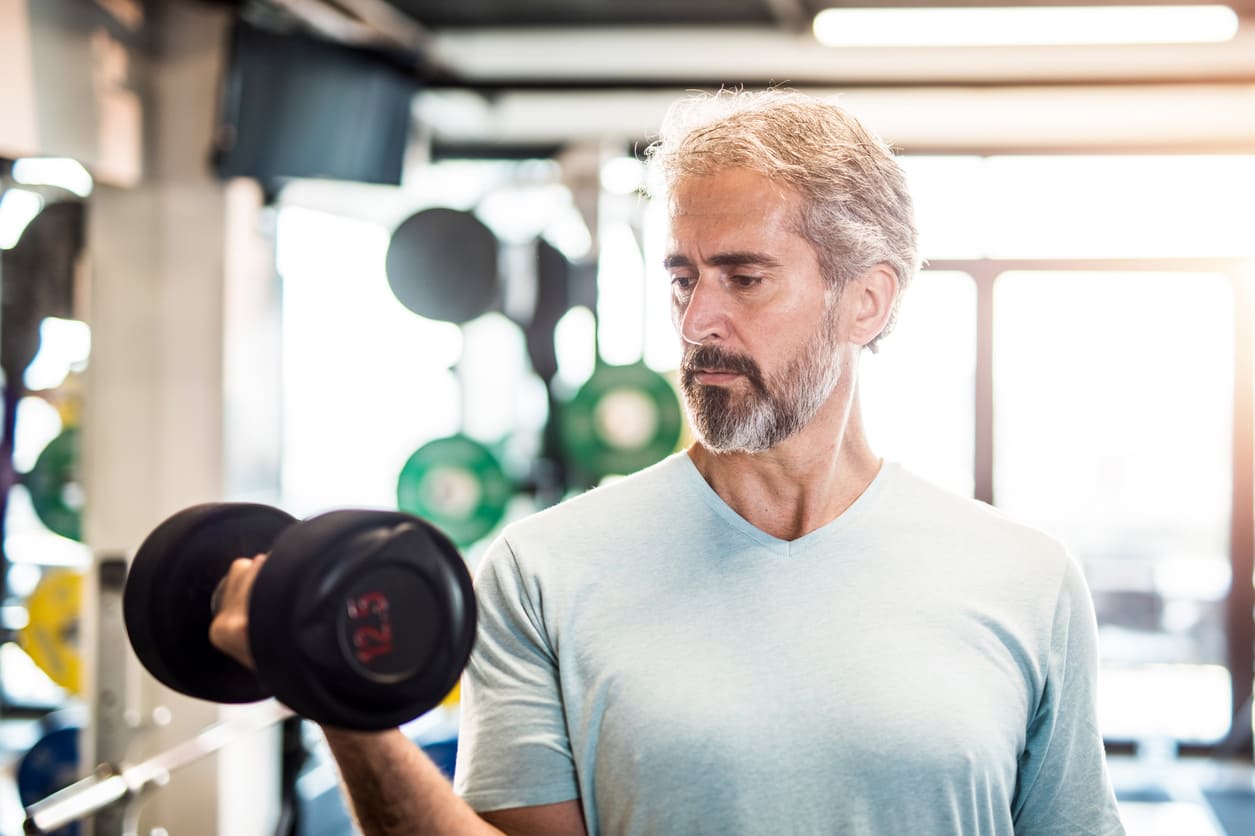
HGH helps the body repair itself in several important ways. One of its most important jobs is to support cell growth and renewal. The body is always replacing older cells with newer ones. This process keeps tissue stronger and more functional. When HGH levels are healthy, the body has better support for this ongoing repair work.
HGH also supports protein synthesis. Protein is the raw material the body uses to repair muscle, tendons, skin, and other tissues. After exercise, injury, illness, or surgery, the body needs to use protein efficiently. Low HGH caused by adult-onset or age-related growth hormone deficiency (AGHD), may make this process less effective, which can leave a person feeling weaker or slower to recover.
Another important action of HGH is its support for collagen. Collagen helps build the skin, joints, tendons, ligaments, and other connective tissues. As people age, collagen production naturally changes. This may contribute to thinner skin, slower wound repair, joint stiffness, and longer recovery after strain. HGH helps support the tissue-building environment the body needs for better repair.
HGH also plays a role in weight and fat metabolism. This matters for recovery because body composition affects healing. Adults with more lean muscle and less excess belly fat often have better strength, mobility, balance, and metabolic health. When HGH is low, many adults notice more fat around the midsection and less muscle tone. This shift can make the body feel older, heavier, and less responsive.
HGH supports bone health as well. Bones are living tissue. They are always being broken down and rebuilt. After 40, bone strength becomes more important for both men and women. Healthy HGH levels can support the normal renewal process that helps bones stay stronger over time.
Sleep is another key area. HGH release is closely linked to deep sleep, and deep sleep is when much of the body’s repair work takes place. Low HGH and poor sleep can create a difficult cycle. A person sleeps poorly, releases less repair-supporting hormone, recovers poorly, and then feels more tired and stressed the next day. When HGH deficiency is properly treated, many qualified adults report better recovery because their body has stronger support during the hours when repair should be happening.
This does not mean HGH therapy is a quick fix or a shortcut. It works best as part of a medical plan that includes sleep, nutrition, strength training, hydration, and ongoing follow-up and monitoring.
Why Else is HGH So Important For Men and Women Over 40?
HGH is important after 40 because the changes linked to low HGH can affect many parts of daily life. Recovery may be the first concern, but it is rarely the only one. Many adults with low HGH also notice changes in energy, body shape, strength, sleep, skin, mood, and motivation.
One reason HGH matters so much is that it helps preserve lean muscle. Muscle is not just for athletes. It supports posture, balance, metabolism, joint health, and independence. When muscle declines, everyday tasks can feel harder. Carrying groceries, climbing stairs, exercising, and staying active may require more effort. This can lead to less movement, which then causes more weakness over time.
HGH also helps support a healthier metabolism. Many adults over 40 notice that fat becomes easier to gain and harder to lose, especially around the belly. This can happen even when eating habits have not changed much. Low HGH can contribute to this shift because the body may burn fat less efficiently and preserve muscle less effectively.
For men, low HGH may show up as reduced strength, slower workout recovery, increased abdominal fat, lower stamina, and a general feeling of losing physical edge. For women, low HGH may contribute to softer body tone, slower recovery from exercise, stubborn weight changes, thinner skin, and fatigue that does not improve with rest alone. Both men and women may feel that their body is no longer responding the way it should.
HGH also affects confidence, mood, and self-esteem. When the body feels weaker, softer, slower, and more tired, it can affect how a person feels about aging. Many adults do not want to feel younger in an unrealistic way. They simply want to feel capable, strong, and in control again. Restoring low HGH to healthier levels may help support that goal in qualified patients.
For adults over 40 who want to stay active, maintain muscle, manage body composition, and feel more resilient, HGH can be a central part of optimal aging.
What Are the Signs and Symptoms of HGH Deficiency in Adults
Adult growth hormone deficiency can look different from person to person. Some adults have clear symptoms. Others notice a slow pattern that becomes more obvious over time. Because the symptoms can overlap with stress, poor sleep, aging, low testosterone, menopause, thyroid problems, or busy life demands, many people do not realize HGH may be involved.
One of the most common signs is slow recovery. A person may feel sore for longer after exercise. Minor strains may take more time to settle. A demanding week may leave them feeling drained instead of simply tired. They may need more rest than before but still do not feel fully restored.
Another common sign is loss of lean muscle. This may happen even when a person continues to exercise. Muscles may look flatter, softer, or less defined. The body may feel less firm. Some people notice that they are not as physically durable as they used to be.
Increased belly fat is also common. Adults with low HGH may gain fat around the waist even when their eating habits are reasonable. The body may feel like it is storing more and burning less. This can be discouraging because the person may be making real effort but seeing fewer results.
Fatigue is another major symptom. This is not always simple sleepiness. It may feel like low drive, low stamina, or a lack of internal power. A person may wake up tired, feel flat during the day, or struggle to keep up with work, family, fitness, and social life.
Low HGH may also affect mood and mental sharpness. Some adults describe feeling less motivated, less confident, or less mentally clear. Depression, anxiety and brain fog can also be symptoms of AGHD.
Skin and hair changes may also occur. Skin may look thinner or less firm. Wounds or bruises may seem slower to improve. Some people notice that their overall appearance looks more tired, even when they are sleeping enough.
Other possible signs include reduced exercise capacity, weaker bones, poor sleep quality, joint discomfort, and a general feeling that aging has accelerated. These symptoms do not prove HGH deficiency by themselves. Proper testing and medical review are needed. But they are important clues, especially when several appear together.
HGH and Post Workout Recovery
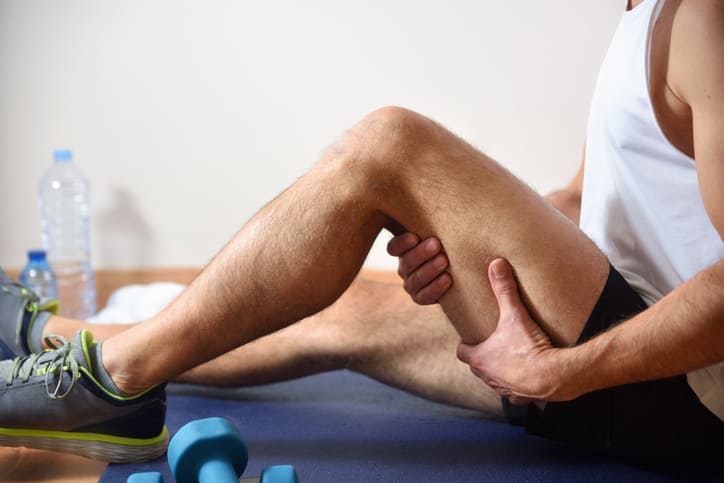
Exercise is one of the best things adults can do for long-term health, but after 40 the body may need stronger recovery support to keep up with training. This is where HGH becomes especially important. It helps the body repair muscle fibers, support connective tissue, use fat for energy, and rebuild after physical stress.
During exercise, muscles experience tiny amounts of damage. This is normal. The body repairs that damage and, when recovery is strong, the muscle becomes stronger over time. HGH supports this muscle repair process. When HGH levels are low, workouts may create more fatigue than progress. A person may feel sore longer, lose motivation, or stop improving despite consistent effort.
This does not only affect people who lift heavy weights or train like athletes. It can affect anyone who wants to stay active. A brisk walk, yoga class, bike ride, tennis match, gym session, or weekend project can leave the body feeling more worn down than expected. When recovery is poor, even healthy movement may start to feel like a setback.
HGH also helps protect lean muscle during fat loss efforts. Many adults over 40 exercise because they want to lose belly fat, improve tone, and feel stronger. If HGH is low, the body may have a harder time preserving muscle while reducing fat. This can make results slower and less satisfying.
If you are having trouble building and maintaining muscle while still working out, and true HGH deficiency is present, HGH injections can definitely help. However, we must state again that HGH is not recommended for bodybuilding or “bulking up” in otherwise healthy persons who have not been diagnosed with AGHD.
HGH and Post Surgical Healing
Surgery places major demands on the body. Even when a procedure goes well, the body must repair tissue, manage inflammation, rebuild strength, and restore energy. For adults over 40, this process can feel slower than expected. HGH is important after surgery because it supports many of the basic repair pathways involved in post-surgical healing.
After surgery, the body needs protein to rebuild tissue. HGH helps support protein use and tissue repair. It also supports collagen, which is important for skin, connective tissue, and wound strength. These actions matter because surgical recovery is not only about the incision closing. It is about deeper rebuilding, mobility, energy, and the return of normal function.
Muscle preservation is also important after surgery. Many adults lose muscle when they are less active during recovery. Even a short period of reduced movement can cause weakness, especially in older adults. HGH helps support lean tissue, which may make it easier for the body to maintain strength during a period of healing.
Energy is another major part of recovery. Surgery often leaves people feeling tired for longer than they expected. Some of that fatigue is normal. But when hormone levels are low, the return to full energy may be slower. HGH helps the body use fuel and support repair during rest, which may help qualified patients feel more able to rebuild after a medical procedure.
HGH therapy should always be handled carefully around surgery. It is not something a person should start or use on their own. A doctor must review medical history, medications, lab work, surgical plans, and overall health. The timing and appropriateness of treatment must be personalized. Safety and monitoring matter.
For adults with confirmed HGH deficiency, however, restoring healthier HGH levels may be an important part of a broader recovery plan. The goal is not to rush the body or ignore normal healing time. The goal is to support the body with the signals it needs to repair in a stronger, more complete way.
HGH and Recovery From Wounds and Injuries
Wounds and injuries can be frustrating because they often interrupt normal life. A pulled muscle, tendon strain, skin wound, joint injury, or lingering soft tissue problem can make daily activity more difficult. After 40, these problems may take longer to heal, and HGH may be one reason why.
HGH supports tissue repair by helping the body build and renew cells. It also supports collagen, which is central to skin and connective tissue strength. When HGH levels are low, the repair environment may not be as strong. The body may still heal, but the process may take longer and feel less reliable.
Injuries also create a risk of deconditioning. When a person cannot move normally, strength and mobility can decline. This can make recovery harder because the injured area is not the only problem. The whole body may become weaker from reduced activity. HGH helps support lean muscle, which may help protect physical function while the body heals.
Skin wounds also depend on good repair signals. Adults with low HGH may notice that cuts, scrapes, bruises, or surgical sites seem slower to improve. This can be especially concerning for people who are active, work with their hands, or have medical conditions that already affect healing. Studies have found that HGH can be quite helpful in difficult to heal or non-healing wounds.
Other Benefits of HGH Therapy for Adults Over 40
While this page focuses on healing and recovery, HGH therapy may offer other important benefits for qualified adults with low HGH. These benefits often connect back to recovery because the body works as one system. When energy, sleep, muscle, and metabolism improve, the whole person may feel better supported.
One major benefit is improved body composition. Adults with low HGH often struggle with increased belly fat and reduced lean muscle. HGH therapy may help support fat metabolism while helping the body preserve or rebuild lean tissue. This is especially true for men over 40.
Another benefit is better physical stamina. Low HGH can leave adults feeling drained or less capable. When HGH levels are restored under medical supervision, some patients report that daily tasks, workouts, and active hobbies feel more manageable. This can help them stay consistent with healthy routines.
Why Come to The HGH Therapy Doctor for AGHD Treatment?
If slow recovery, low stamina, stubborn belly fat, poor sleep, and weaker physical resilience are making you feel older than you should, The HGH Therapy Doctor can help you find out whether adult growth hormone deficiency is part of the problem.
The process begins with a careful medical review. Your symptoms, health history, goals, and lab results are evaluated together. This matters because HGH therapy should never be based on age alone or on a single complaint. The right plan must fit your body, your risks, and your long-term wellness goals.
The HGH Therapy Doctor provides physician-guided HGH treatment for qualified adults. Your plan may include prescription HGH injections, hormone monitoring, lifestyle guidance, and follow-up adjustments when needed. The goal is to support safe, effective treatment that helps restore healthier repair signals while keeping your care medically supervised.
When HGH therapy is appropriate, treatment is designed to support healing, recovery, lean muscle, metabolism, strength, and healthy aging. It is not about chasing extreme results. It is about helping qualified men and women over 40 feel more capable in their own bodies.
If you are tired of feeling like every workout, injury, stressful week, or procedure takes more out of you than it should, contact The HGH Therapy Doctor today to learn whether medically supervised HGH therapy may help you recover stronger and feel like yourself again.
Frequently Asked Questions About HGH, Healing and Recovery
How does HGH help with recovery after 40?
HGH helps support the body’s natural repair process. It plays a role in muscle repair, collagen support, tissue renewal, fat metabolism, and deep sleep recovery. After 40, HGH levels often decline, which may make soreness, fatigue, injuries, and general recovery feel slower. If testing shows adult growth hormone deficiency, supervised HGH therapy may help restore a stronger repair signal.
Can HGH therapy help me recover faster from workouts?
For qualified adults with low HGH, therapy may support better post-workout recovery by helping the body repair muscle and connective tissue. It may also support lean muscle and fat metabolism, which can improve how the body responds to training. It does not replace good exercise habits, rest, hydration, or protein intake. It works best as part of a complete health plan.
Can HGH help after surgery?
HGH supports tissue repair, collagen, protein use, and lean muscle maintenance, all of which are important during surgical recovery. However, HGH therapy around surgery must be managed by a doctor. The timing, dose, and safety of treatment depend on the patient’s medical history, surgery type, lab results, and overall health. It should never be self-prescribed.
What are the signs that low HGH may be affecting my recovery?
Common signs may include slow recovery after exercise, longer soreness, increased belly fat, lower stamina, reduced muscle tone, poor sleep, slower wound healing, and a general feeling that the body is not bouncing back well. These symptoms can have several causes, so proper lab testing and a medical review are needed before treatment is considered.
Is HGH therapy only for men?
No. Adult growth hormone deficiency can affect both men and women. Men may notice more belly fat, lower stamina, weaker workouts, and slower recovery. Women may notice softer body tone, fatigue, slow healing, skin changes, and reduced resilience. Treatment decisions should be based on symptoms, testing, medical history, and whether the patient is a good candidate.
Is HGH the same as testosterone?
No. HGH and testosterone are different hormones. Testosterone plays a major role in strength, libido, mood, and muscle support, especially in men. HGH plays a broader role in repair, recovery, collagen, metabolism, and tissue renewal. Some adults may have more than one hormone imbalance, which is why proper testing is important.
Is HGH therapy safe?
HGH therapy can be safe for qualified adults when prescribed and monitored by a licensed medical provider. Safety depends on proper diagnosis, appropriate dosing, real prescription medication, and follow-up testing. It is not safe to buy HGH from unverified sellers or use it without medical guidance. A supervised plan helps reduce risk and improve treatment quality.