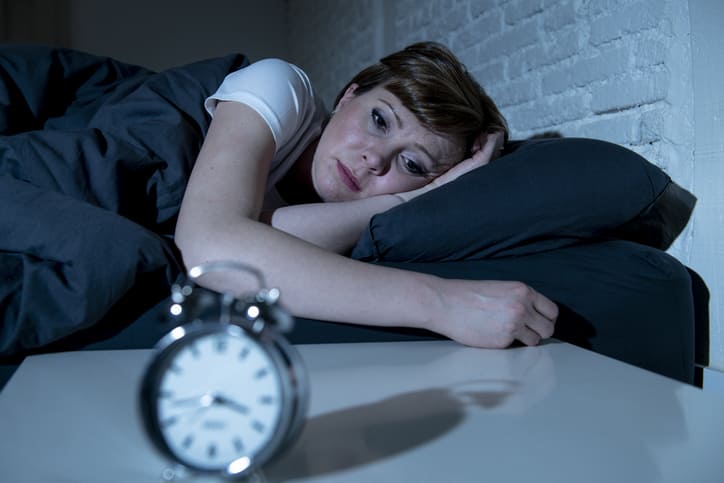
Waking up tired after a full night of sleep can be a sign that a hormone imbalance is preventing your body from getting the deep, restorative rest it needs.
Most people judge sleep by the clock. If they were in bed for seven or eight hours, they assume they should feel rested. But sleep is not only about time. It is also about quality, depth, breathing, stress, and recovery. You can spend the whole night in bed and still wake up feeling like your body never reset.
This is especially common after 40. Adults may still fall asleep, but the sleep feels lighter. They may wake during the night, rise too early, or feel as if they never reach the deeper stages of rest. Some people do not remember waking up at all. They only know the result — morning fatigue and the need for caffeine just to begin the day!
Hormones can be part of the “sleep quality” picture. Human growth hormone, or HGH, in particular is closely linked to the body’s sleep/wake cycle. Much of the body’s natural HGH release is tied to deep sleep, which is why poor sleep and low HGH can become connected problems.
That relationship only tells part of the story. Not every tired adult has HGH deficiency. Poor sleep can come from many sources. But when someone sleeps enough hours and still wakes up drained, it is reasonable to ask whether the body’s hormone system is helping or working against them.
A proper evaluation can separate ordinary tiredness from a deeper pattern. The goal is not to blame every bad night on hormones. The goal is to understand why sleep is not restoring you, and whether hormone therapy belongs in the solution.
Sleep, Fatigue and Hormone: What’s the Connection?
Sleep and hormones work in a loop. Hormones help regulate sleep, and sleep helps regulate hormones. Cortisol rises in the morning to help you wake up. Melatonin rises at night to help you wind down. HGH is released most strongly during deeper sleep. Other hormones also affect energy, appetite, temperature, mood, and the way the body handles stress.
When that rhythm is disrupted, the symptoms may feel vague. A person may say, “I am tired all the time,” “I wake up foggy,” “I crash in the afternoon,” or “I sleep, but I do not feel restored.” Those complaints are easy to dismiss because they are common. But common does not mean unimportant.
The body does much of its repair work at night. During normal, healthy sleep, the brain processes information, the immune system resets, and the nervous system moves out of high-alert mode. Hormones help coordinate that process. If one part of the system is out of balance, sleep may become less efficient. The person may still log enough hours but miss the kind of sleep that allows the body to feel renewed.
This is why sleep problems and fatigue should not be treated as separate issues. Poor sleep can cause fatigue, but fatigue can also reflect a body that is not restoring itself while asleep. Someone who sleeps poorly because they stay up late scrolling their phone may need better habits. Someone who sleeps enough but wakes exhausted may need a deeper medical evaluation.
For adults over 40, that evaluation becomes more important because hormone levels often shift with age. A careful review can help determine whether sleep problems are being driven by lifestyle, medical conditions, hormone decline, or a combination.
HGH and Sleep
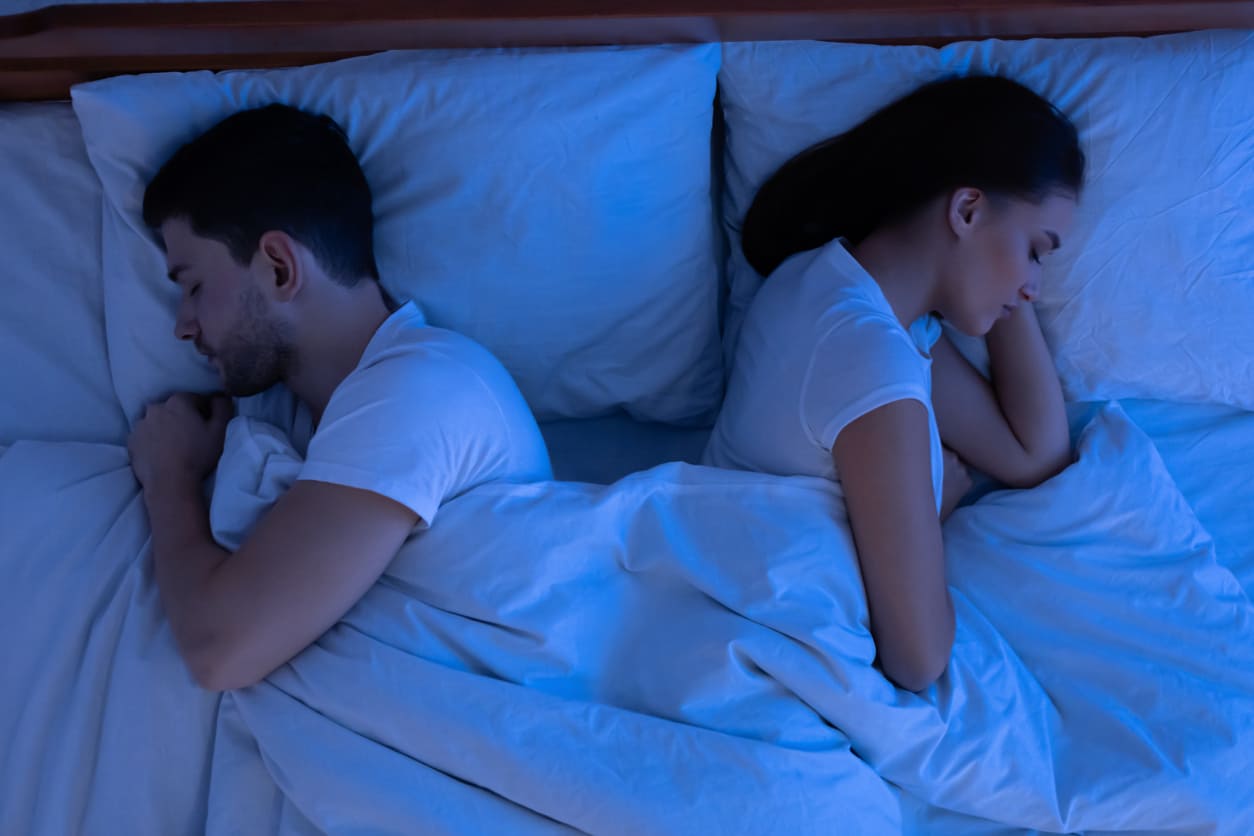
HGH and sleep are connected through the body’s natural overnight rhythm. In healthy adults, a major portion of growth hormone release happens during deep sleep, especially earlier in the night. This is one reason deep sleep feels different from light sleep. It is not just a state of rest. It is a time when the body performs important maintenance.
This does not mean HGH is a sleeping pill. It does not work like a sedative, and it should not be used simply because someone has insomnia. Deep sleep supports natural HGH release, and HGH helps the body carry out the overnight work that makes sleep feel restorative. When either side of that relationship is weak, the person may feel the effect the next day.
Many adults notice this without knowing the biology behind it. They may say they slept, but they did not “recover.” That word is important. Sleep should leave the body refreshed, renewed and better prepared for the day ahead. If the person wakes sore, sluggish, foggy, or physically depressed, it may mean that the night’s rest did not do its full job.
HGH lab testing may be appropriate when poor sleep sits inside the larger pattern already discussed above. The issue is not one restless night or a stressful week. It is the repeated feeling that the body is not resetting. In those cases, testing and medical review can help determine whether low HGH is one reason sleep feels less useful than it should.
A responsible provider will also look for other explanations. Sleep apnea, alcohol use, late meals, chronic pain, medications, depression, anxiety, and shift work can all reduce sleep quality. HGH therapy should never be used to avoid finding those causes. It should be considered only when the full picture supports it.
Does HGH Deficiency in Adults Cause Poor Sleep?
Adult HGH deficiency may contribute to poor sleep quality in some people, but it is rarely the only possible explanation. That is why symptoms alone are not enough. A person can feel exhausted for many reasons. The provider’s job is to identify whether low HGH is likely to be part of the problem or whether another sleep disorder or hormone imbalance is more likely.
The most useful clue is often the type of complaint. People with simple insomnia usually focus on trouble falling asleep or staying asleep. People whose fatigue may be tied to poor restoration often describe something different. They may sleep through the night but wake up feeling heavy, flat, or unrested. They may feel that rest does not “count” the way it used to. That does not prove HGH deficiency, but it can help guide the evaluation.
Testing matters because HGH deficiency in adults is a medical diagnosis, not a guess based on age. A careful workup may include symptom review, medical history, lab markers, and sometimes additional testing depending on the patient. The point is to avoid both extremes: ignoring a real hormone issue or prescribing HGH without enough evidence.
It is also important to consider cause and effect. Poor sleep can reduce the body’s natural hormone rhythm. At the same time, hormone decline can make sleep feel less restorative. In many adults, the two problems reinforce each other. That is why treatment may need to address both sleep quality and hormone balance rather than assuming one will automatically fix the other.
A patient who wakes up tired every day deserves a real answer. Sometimes HGH belongs in the conversation, and sometimes a different issue is clearly more important. The value of proper care is knowing which answer fits the patient.
What is Chronic Fatigue?
Chronic fatigue is more than feeling tired after a long day. It is ongoing tiredness that does not improve enough with rest and begins to interfere with normal life. A person may still go to work, care for family, and handle responsibilities, but everything takes more effort. They may feel as if they are pushing through each day rather than living it.
This kind of fatigue can be physical, mental, or both. Some people feel weak and heavy. Others feel mentally slow or emotionally worn down. Many describe a reduced ability to handle stress. The same schedule that once felt normal now feels overwhelming. Sleep may help somewhat but not fully.
Chronic fatigue is a symptom, not a diagnosis by itself. It can come from many causes, including anemia, thyroid disease, sleep apnea, depression, autoimmune illness, chronic infection, medication effects, poor nutrition, low testosterone, menopause-related hormone changes, adrenal stress, diabetes, and other medical problems. Because the list of possible causes is broad, guessing can waste time.
This is why a careful intake is so important. A provider needs to know when the fatigue began, whether it improves with sleep, and what other changes came with it. Those details help separate fatigue from true sleepiness, low mood, poor conditioning, or a medical disorder.
For adults over 40, chronic fatigue is often dismissed as “just getting older.” That answer is not good enough. Aging may change energy, but it should not make daily life feel like a constant uphill climb. Persistent fatigue deserves a medical explanation.
Is There a Link Between HGH Levels and Chronic Fatigue?
There can be a link between HGH levels, chronic fatigue and daily functioning, but the relationship should be handled carefully. Low HGH may be one contributor to a tired, under-restored feeling in some adults. It should not be treated as the default explanation for every person who lacks energy.
The most useful way to think about this link is through recovery. Some fatigue is caused by too much demand and not enough rest. Other fatigue remains even when the person is trying to rest. That second pattern raises more questions. If someone is sleeping reasonable hours, eating normally, and still feeling depleted, the body may not be restoring itself well. Hormones can be part of why that happens.
HGH testing may be considered when chronic fatigue appears with the broader pattern described earlier in this page. The provider should also look at more common causes first or at least at the same time. Sleep apnea is a major one. Thyroid problems, low testosterone, menopause-related changes, anemia, blood sugar problems, depression, chronic inflammation, and medication effects may also need attention.
The mistake would be to reduce chronic fatigue to a single hormone. One person may be exhausted because he snores heavily and stops breathing during sleep. Another may be tired because her menopause symptoms are breaking up the night. Another may have low thyroid function. Another may have several mild problems that add up. HGH is one possible factor, but it must be judged in context.
When HGH therapy is appropriate, patients may experience results that include increase energy over time. That does not mean instant energy. It means the body may gradually become more capable of responding to rest, exercise, and daily demands. For people who have felt stuck in a long fatigue cycle, that can be meaningful.
Can HGH Therapy Improve Sleep in Adults?
HGH therapy may improve sleep quality in selected adults, but it is not prescribed simply to make someone fall asleep faster. That distinction matters. If a person has primary insomnia, untreated sleep apnea, heavy alcohol use, or poor sleep habits, those problems still need direct attention. HGH therapy is not a substitute for diagnosing and treating the real cause of poor sleep.
Where HGH therapy may help is in the quality of restoration. Some adults are less concerned about falling asleep and more concerned that sleep does not work. They may wake up feeling as if they never reached the level of rest their body needed. For properly screened patients, HGH therapy may help make the night’s repair process more effective.
This kind of improvement usually happens gradually. A patient may first notice that mornings feel less punishing. Later, they may find that exercise, work, and daily responsibilities are easier to handle. The change is not always dramatic from one night to the next. It is often seen in the patient’s overall ability to recover.
A good provider will track sleep as part of the larger treatment response. Are you falling asleep more easily? Are you waking less often? Do you feel more alert in the morning? Are you still crashing in the afternoon? Has snoring been addressed? Are you drinking alcohol near bedtime? These questions help determine whether the plan is working or whether another issue is still interfering.
HGH therapy works best when the patient also practices good sleep habits. Consistent bedtimes, less evening screen use, reduced alcohol, and better stress control can make a real difference. Hormone therapy may support the process, but the patient still has to give the body a fair chance to sleep well.
Can HGH Help Me Awake Feeling Less Tired?
HGH therapy may help some adults wake feeling less tired when low HGH is part of why their sleep feels unrefreshing. The key is “part of why.” Morning fatigue is common, and many people try to solve it with coffee, energy drinks, or earlier bedtimes. Those may help temporarily, but they do not answer the bigger question: why does the morning feel so hard?
A person who wakes tired every day may have a sleep quantity problem, a sleep quality problem, or a recovery problem. Quantity is about hours. Quality is about how well the brain and body move through the sleep cycle. Recovery is about whether the body actually uses the night to repair and reset. HGH is most relevant to that last category.
This is why a patient may say, “I slept eight hours, but I feel like I slept three.” That sentence should prompt questions. Was the sleep fragmented? Was breathing normal? Was the bedroom too warm? Was alcohol involved? Was the person under stress? Are hormones shifting with age? Is fatigue new or long-standing? The answer often comes from the pattern, not from one symptom.
For adults who qualify for treatment, HGH therapy may help mornings feel less heavy over time. This does not mean every day becomes perfect. It means the patient may begin to feel more restored after normal sleep. That can change the tone of the entire day. When the morning begins with less struggle, work, exercise, mood, and decision-making may all feel more manageable.
The goal is not artificial stimulation. It is not to override the body with a quick burst of energy. The goal is to help the body regain a more normal rhythm of overnight repair and daytime function when a hormone problem is contributing to the fatigue.
What Other Hormones Contribute to Restful Sleep?
HGH is only one part of the sleep and energy picture. Several other hormones can affect how well a person sleeps and how rested they feel the next day. This is why a complete evaluation is often more useful.
Melatonin helps signal that it is time to sleep. It is sensitive to light, routine, age, and evening habits. Bright screens late at night or an irregular schedule can weaken that signal.
Cortisol should usually be higher in the morning and lower at night. Chronic stress can disturb that rhythm. When cortisol stays elevated late in the evening, the body may feel tired but wired.
Thyroid hormones affect metabolism and energy. Too little thyroid activity may leave a person sluggish and foggy. Too much can cause restlessness, racing thoughts, heat intolerance, and sleep disruption.
Testosterone can influence energy, mood, and drive, especially in men but also in women. Estrogen and progesterone also play a major role in women’s sleep during perimenopause and menopause, especially when temperature changes or anxiety break up the night.
Insulin and blood sugar also matter. A person who eats late, drinks alcohol, or has unstable blood sugar may wake during the night or feel drained in the morning.
Can Other Hormone Therapies Help Improve Low Energy and Poor Sleep?
Other hormone therapies may help improve low energy and poor sleep when testing and symptoms show that a specific hormone imbalance is involved. This is why hormone care should be personalized. The same complaint can have different causes in different people.
For men, testosterone replacement therapy may help when low testosterone is clearly present and symptoms match the diagnosis. If sleep is also poor, the provider should still check for sleep apnea and other causes, especially because untreated sleep apnea can worsen fatigue and hormone problems.
For women, menopause hormone therapy may help when sleep is disrupted by hot flashes, night sweats, anxiety, or other symptoms related to estrogen and progesterone decline. Improving those symptoms may allow the woman to sleep more deeply and wake with better energy. Women should be evaluated carefully so treatment matches their age, symptoms, history, and risk profile.
Thyroid treatment may be important when thyroid dysfunction is present. A person with low thyroid function may feel tired no matter how much they sleep. Correcting thyroid imbalance can improve energy, but dosing must be careful. Too much thyroid medication can make sleep worse.
Some patients need a combined approach. That does not mean giving every hormone to every tired person. It means identifying what is actually wrong and treating it in the right order. A patient may need sleep apnea care before hormone therapy can work well. Another may need menopause treatment first. Another may need HGH evaluation because the earlier pattern still has not been explained.
The best treatment plan is not the most aggressive one. It is the one that makes sense medically and improves the patient’s real life. Low energy and poor sleep are too important for guesswork.
How Important is Sleep to Health in Adults Over 40?
Sleep becomes more important, not less important, as adults get older. In youth, the body often recovers despite poor habits. After 40, the margin for error gets smaller. A few bad nights can affect mood, cravings, workouts, memory, blood pressure, and patience. Long-term poor sleep can affect nearly every part of health.
Sleep supports the brain. During rest, the brain processes memories, regulates mood, and clears waste products. Poor sleep can make people more forgetful, reactive, and unfocused. Many adults blame aging for these changes when sleep may be a major part of the problem.
Sleep also supports metabolism and heart health. Short or broken sleep can increase hunger, worsen cravings, affect blood sugar, and add strain to the cardiovascular system. For adults already dealing with midlife weight changes or stress, poor sleep can make the whole picture harder to manage.
Sleep supports hormones as well. The body depends on daily rhythms. When sleep is irregular or shallow, hormone signals can become less stable.
Most importantly, sleep affects quality of life. A tired person may stop exercising, avoid social plans, struggle at work, and feel older than they are. Improving sleep is not a small wellness goal. It is a foundation for aging well.
Other Ways to Improve Sleep
Hormone therapy can be helpful for the right patient, but sleep habits still matter. Even when hormones are part of the problem, poor routines can continue to interfere with rest. The goal is to create conditions that make it easier for the body to fall asleep, stay asleep, and wake restored.
Simple changes can have a large effect when they are practiced consistently:
- Keep a regular sleep schedule, even on weekends.
- Reduce screen time during the last hour before bed.
- Keep the bedroom cool, dark, and quiet.
- Avoid heavy meals close to bedtime.
- Limit alcohol, especially in the evening.
- Reduce caffeine after late morning or early afternoon.
- Get morning sunlight when possible.
- Exercise regularly but avoid intense workouts too close to bedtime.
- Use the bed mainly for sleep and intimacy, not work or scrolling.
- Create a short wind-down routine that signals the day is over.
- Treat snoring, gasping, or pauses in breathing as medical issues.
- Manage stress before bedtime with reading, stretching, breathing, or prayer.
- Keep pets from disrupting sleep if they wake you during the night.
- Avoid checking the clock repeatedly if you wake up.
- Speak with a provider if pain, medication, mood, or hormone symptoms are interfering with sleep.
These habits are not glamorous, but they work because they support the body’s natural sleep rhythm. They also make medical treatment easier to judge. If common sleep obstacles are still in place, it is harder to know how much hormones are contributing.
Good sleep hygiene does not replace medical care when a real disorder is present. It does, however, remove common obstacles and gives the body a better chance to respond.
Why Am I So Tired? The HGH Therapy Doctor Has Answers!
If you wake up tired even after a full night of sleep, you deserve more than a quick suggestion to drink less coffee or go to bed earlier. Those habits may matter, but they may not explain the whole problem. Persistent fatigue can have many causes, and hormones may be one of them.
The HGH Therapy Doctor helps adults understand whether HGH deficiency, another hormone imbalance, poor sleep quality, or a combination of factors may be affecting their energy. We begin with a careful consultation, symptom review, medical history, and appropriate lab testing. We do not assume every tired patient needs HGH therapy, but we do evaluate it when the pattern supports that possibility.
When HGH therapy is appropriate, it is prescribed and monitored by qualified medical providers. If another hormone issue is more important, that will be addressed. If sleep apnea, lifestyle habits, or another medical condition appears likely, that will be part of the discussion. The goal is not to force one treatment into every case. The goal is to find the reason you feel tired and build a plan that makes sense.
The HGH Therapy Doctor offers medically guided hormone evaluation for adults who want real answers about sleep, fatigue, and age-related hormone decline. If you are tired of waking up tired, contact The HGH Therapy Doctor today to schedule a consultation and learn whether HGH therapy or another personalized hormone treatment may be right for you.
Frequently Asked Questions About the Relationship Between HGH and Sleep
Can low HGH make you wake up tired?
Low HGH may contribute to waking tired in some adults, especially when sleep does not feel restorative. However, morning fatigue can also come from sleep apnea, stress, alcohol, medications, thyroid problems, low testosterone, menopause, poor sleep habits, and other medical issues. A proper evaluation is the only way to know whether HGH belongs in the explanation.
Does HGH therapy help you fall asleep?
HGH therapy is not a sleeping pill and is not prescribed simply to make someone fall asleep. It may help selected adults improve the restorative quality of sleep when low HGH is part of the problem. People with insomnia, snoring, anxiety, or poor sleep habits may need those issues addressed directly before hormone therapy can be judged fairly.
Why do I sleep eight hours and still feel exhausted?
Eight hours in bed does not always mean eight hours of good sleep. You may be waking briefly without knowing it, breathing poorly, sleeping too lightly, drinking alcohol too close to bedtime, or dealing with hormone changes that affect restoration. If this happens often, it is worth getting evaluated rather than assuming it is normal aging.
Is chronic fatigue always related to hormones?
No. Chronic fatigue can have many causes. Hormones are one possible factor, but they are not the only one. Anemia, thyroid disease, sleep apnea, depression, chronic illness, medication effects, poor nutrition, and blood sugar problems can all cause ongoing fatigue. Good care looks at the whole person before deciding on treatment.
What is the best first step if I wake up tired every day?
The best first step is to look for patterns. Track your sleep schedule, caffeine use, alcohol intake, snoring, nighttime waking, stress, and morning energy. Then speak with a medical provider who can evaluate both sleep and hormone health. If HGH deficiency or another imbalance is suspected, proper testing can help guide the next step.