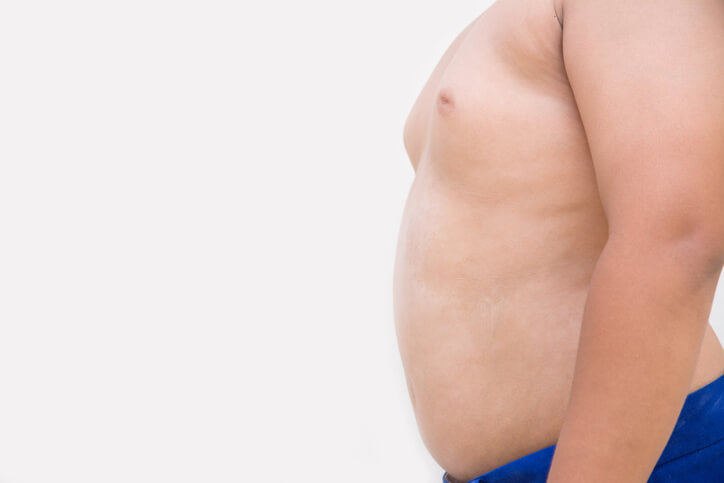
Gaining belly fat even when you eat healthy can be a sign that your hormones, metabolism, and aging body are no longer working together the way they once did.
Many adults reach a point where the old rules no longer seem to work. They may eat clean foods, watch portions, exercise, or avoid sugar, yet their waistline still expands. This can feel unfair and confusing. It can also make people blame themselves when the real issue may be deeper than willpower. As the body ages, changes in growth hormone, testosterone, thyroid balance, insulin response, stress hormones, sleep, muscle mass, and inflammation can all affect how fat is stored and how easily it comes off.
Why Diet and Exercise May Not Be Enough to Burn Visceral Fat
Eating healthy and exercising are important. They should always be part of a strong weight loss and wellness plan. But for many adults, especially after age 35, diet and exercise may not be enough to fully correct stubborn belly fat. This is because the fat that builds up around the waist is often not the same as the soft fat just under the skin. A deeper type of fat, called visceral fat, can collect around the organs inside the abdomen.
Visceral fat is more active than ordinary body fat. It does not just sit there. It can affect how the body handles sugar, hunger signals, inflammation, and hormone balance. This is one reason two people can eat similar diets but have very different results. One person may burn fat more easily, while another may keep storing fat around the belly even with steady effort. When visceral fat builds up, the body can become more resistant to change. Hunger may rise. Energy may fall. Blood sugar may swing more. The body may hold on to fat even when food intake is reasonable.
The issue is not that diet and exercise do not matter. The issue is that diet and exercise may need support from a more complete plan. This is particularly true the older we get. As we age, the body tends to lose lean muscle unless we work harder to protect it. Muscle helps burn calories all day, even at rest. When muscle declines, the body may burn fewer calories than it used to, even if weight on the scale changes slowly. People over 40 may also feel less driven to exercise, recover more slowly, or feel sore longer after workouts. Over time, this can create a cycle where movement decreases, fat storage increases, and the belly becomes harder to change.
Factors that Influence Stubborn Weight Gain: Aging and Hormones
Stubborn weight gain is often blamed on eating too much or not moving enough. Those factors can play a role, but they are not the whole story. Many people gain belly fat even though their habits have not changed very much. This often happens because the body itself has changed. Aging affects the way the body burns fuel, builds muscle, stores fat, manages stress, and responds to sleep.
Hormones act like messengers. They tell the body when to burn energy, when to store energy, when to repair tissue, when to build muscle, when to feel hungry, and when to feel full. When hormone signals change, weight can change too. These changes can happen little by little, so patients may not realize how much their body has shifted until their clothes fit differently or their belly fat and waist size keeps growing.
Human Growth Hormone or HGH, is one of the key hormones tied to body composition. It supports lean muscle, tissue repair, fat metabolism, and healthy recovery. Natural growth hormone levels tend to decline with age. When levels become too low, some patients may notice more fat gain, reduced muscle, lower stamina, and a softer body shape. This does not mean every person with belly fat needs HGH therapy. It means growth hormone status may be worth evaluating when weight gain is stubborn and paired with other signs of hormone decline.
Testosterone levels are also important for both men and women, though men have higher levels. When testosterone is low, the body may lose muscle and gain fat more easily, especially around the abdomen. For men, low testosterone may also be linked with low drive, erectile problems, poor mood, and reduced performance in the gym. For women, low androgen balance can affect energy, muscle tone, and sexual wellness.
Other hormones can also shape weight. Thyroid hormones help guide metabolic speed. Insulin helps move sugar from the blood into cells. Cortisol, the main stress hormone, can affect belly fat, cravings, sleep, and blood sugar patterns. Estrogen changes in women during perimenopause and menopause can shift fat storage toward the midsection. These systems overlap. When one system is off, others may become harder to manage.
This is why a complete medical review can be so valuable. Instead of treating belly fat as one simple problem, a comprehensive medical weigh loss program should look at the bigger picture.
Why Is It Easier to Gain Belly Fat As We Age and Harder to Lose?
Many adults feel as if their body changes without permission. The same meals that once helped them stay lean may no longer be enough. A few missed workouts may show up faster around the waist. A busy month, poor sleep, or added stress may lead to weight gain that does not come off easily. This is common because aging changes the way the body uses and stores energy.
One major reason is loss of muscle. Muscle is active tissue. It helps the body burn calories, support posture, regulate blood sugar, and stay strong. With age, adults tend to lose muscle unless they train, eat enough protein, sleep well, and keep hormones in a healthier range. When muscle declines, the body may burn less energy each day. This means a person can eat the same amount as before but slowly gain fat.
Sleep often changes with age too. Poor sleep can make weight control harder because it affects hunger, cravings, energy, and hormone rhythm. People who sleep poorly may crave more quick energy foods, feel less able to exercise, and store more fat around the belly. Even people who eat healthy during the day may struggle if sleep quality is low and stress is high.
Stress is another factor. Long-term stress can keep the body in a state that favors fat storage, especially around the waist. Stress may also lead to late-night eating, lower activity, and poor sleep. For many adults, the problem is not one large unhealthy habit. It is the daily strain of work, family, poor rest, low energy, and changing hormones working together.
Men and women also go through different hormone shifts. Men may see testosterone decline slowly over time. Women may notice stronger body changes during perimenopause and menopause. These changes can move fat toward the abdomen even if weight gain is not dramatic at first. The body shape changes, the waist grows, and the person may feel less like themselves.
The key point is that belly fat after 40 or 50 is often not just about discipline. It may reflect a body that needs a more advanced plan.
What Hormones Influence Metabolism and Weight Gain
Metabolism is the way the body turns food into energy and decides what to burn, store, repair, or build. It is not controlled by one thing. Several hormones help guide this process.
Growth hormone plays an important role in body composition. It helps support lean tissue, recovery, and fat use. Healthy growth hormone levels help the body maintain a more youthful balance between muscle and fat. When growth hormone levels decline, patients may notice increased abdominal fat, reduced strength, slower recovery, and less visible muscle tone.
Testosterone is another major hormone tied to metabolism. It helps protect muscle, support energy, and maintain a stronger body composition. In men, low testosterone can make fat gain more likely and muscle loss more noticeable. It can also reduce motivation, mood, and sexual function. In women, balanced testosterone also supports strength, drive, and body tone, though dosing and treatment goals are different.
Thyroid hormones influence how fast or slow the body uses energy. When thyroid function is low, some patients may feel cold, tired, sluggish, constipated, or mentally foggy. Weight may rise more easily, and fat loss may slow. Thyroid problems should be evaluated carefully because thyroid symptoms can overlap with other hormone concerns.
Estrogen also affects body fat, especially in women. As estrogen changes during perimenopause and menopause, many women notice more belly fat even if their lifestyle has not changed. Men can also have estrogen imbalance, especially when testosterone is low or body fat is higher. Hormones work as a network, so each one should be viewed as part of the larger picture.
Growth Hormone Deficiency and Weight Gain

Growth hormone deficiency can affect the way the body looks, feels, and performs. Growth hormone helps support lean muscle, healthy fat use, tissue repair, and normal recovery. When the body does not have enough growth hormone, patients may notice changes that go beyond ordinary weight gain. They may feel weaker, softer, more tired, and less able to respond to exercise.
One of the common concerns linked with low growth hormone is increased belly fat. This is not always dramatic at first. A patient may simply notice that their waist keeps growing, their clothes fit tighter, or their body looks less firm. Over time, they may also see a drop in muscle tone. Even if the scale does not rise quickly, the body may shift toward more fat and less lean tissue.
Low growth hormone can also make exercise feel less rewarding. Patients may put in the effort but see fewer changes. They may need longer recovery time. They may feel sore, drained, or less motivated. This can lead to shorter workouts, fewer training days, and more frustration. When effort does not lead to results, many people stop trusting their plan.
Energy is another part of the picture. Patients with low growth hormone may feel worn down even after rest. They may not have the same daily stamina they once had. When energy is low, it becomes harder to cook healthy meals, stay active, and follow a long-term plan. Weight gain can then become a symptom of a larger decline in vitality.
HGH therapy is not a general weight loss shot. It is a medical treatment for qualified patients who have signs, symptoms, and lab findings that support treatment. When properly prescribed and monitored, HGH therapy may help improve body composition by supporting fat metabolism, lean muscle, recovery, and energy. For patients with true need, this can make healthy eating and exercise feel more productive again.
Low Testosterone and Weight Gain
Low testosterone is one of the most common hormone issues linked with belly fat in men. Testosterone helps the body build and maintain lean muscle. It also supports energy, motivation, sexual performance, mood, and strength. When testosterone drops, many men notice that fat gain becomes easier and fat loss becomes harder.
Abdominal weight gain is often one of the signs that brings men in for help. A man may still look active on the outside, but his waist keeps expanding. He may lift weights but not see the same muscle response. He may feel less driven, more tired, or less confident. He may also notice lower libido or weaker erections. These changes often appear together because testosterone affects several parts of health at once.
Women can also be affected by low testosterone, though the discussion is different. In women, healthy androgen balance supports muscle tone, energy, desire, and overall wellness. When levels are too low, women may feel flat, weak, tired, or less responsive to exercise. Treatment must be carefully tailored because women need much lower dosing than men.
Testosterone replacement therapy (TRT) may help qualified men improve body composition when low testosterone is part of the problem. It can support lean muscle, strength, energy, and fat loss when paired with healthy eating and exercise. Some men also notice better mood, stronger drive, and improved sexual wellness. These benefits can make it easier to stay consistent with lifestyle changes.
Can HGH Therapy Help You Lose Stubborn Belly Fat?
HGH therapy has been proven to help patients lose stubborn belly fat when age-related growth hormone deficiency (AGHD) is part of the problem. It is important to understand what that means. HGH is not a simple diet drug. It is a hormone therapy used under medical care. Its value comes from helping restore a hormone signal that supports healthier body composition, recovery, and fat metabolism.
In patients who have been properly tested and diagnosed with AGHD, HGH therapy can help improve the body’s ability to use fat and preserve lean tissue. This matters because long-term weight control is not only about losing pounds. It is about improving the ratio of fat to muscle. A patient who loses muscle while dieting may become smaller but weaker, with a slower metabolism. A patient who protects or rebuilds lean tissue may have a better chance of keeping fat off.
HGH therapy may also support recovery. Better recovery can help patients stay more active and consistent. If someone can train more comfortably, move more often, and feel less worn down, their weight loss plan becomes easier to follow. This is one reason hormone therapy can be an important part of medical weight loss for selected patients.
Can TRT Help Burn Abdominal Fat?
Testosterone affects how the body builds lean mass, uses energy, and maintains strength. When levels are low, the body may be more likely to store fat around the middle and less likely to build muscle in response to exercise.
Men with low testosterone often say they are doing the basics but not getting results. They may eat fewer calories, cut alcohol, walk more, or lift weights, yet their waist size barely changes. They may feel weaker in the gym and less motivated in daily life. TRT has been shown to help by restoring testosterone to a healthier range, which can improve the body’s response to training and nutrition.
TRT may also help with energy and drive. This matters because weight loss is easier when a patient feels strong enough to participate in the plan. A man who has better energy may be more likely to train, prepare meals, sleep on schedule, and stay consistent. Improved mood and sexual wellness may also help restore confidence, which can make long-term change feel more possible.
TRT works best when paired with lifestyle change. A man should not expect testosterone alone to erase belly fat if diet, sleep, and activity are poor. But when low testosterone is corrected and the patient follows a structured plan, abdominal fat may become easier to lose. The body may also hold onto muscle better during weight loss, which supports a healthier metabolism.
For many men, TRT is the missing piece that helps their weight loss plan finally make sense. It may not replace healthy habits, but it can make those habits work better. When low testosterone is part of the reason belly fat keeps coming back, TRT can be a powerful tool in a complete medical weight loss strategy.
Hormone Therapy and Medical Weight Loss
Hormone therapy is often used as part of a broader medical weight loss plan. This is important because stubborn belly fat usually has more than one cause. A patient may have low growth hormone, low testosterone, insulin resistance, poor sleep, high stress, low muscle mass, or appetite changes. A strong plan should address the full picture instead of focusing on one tool.
Medical weight loss begins with understanding the patient. This may include a review of weight history, diet habits, exercise patterns, sleep, stress, medications, prior health issues, and hormone symptoms. Lab testing can help reveal problems that are not obvious from the outside. Once the causes are clearer, the treatment plan can be built around the patient’s needs.
For some patients, HGH therapy may be part of that plan. For others, TRT may be more important. Some patients may need thyroid support, menopause hormone therapy, or other treatment based on their lab results and symptoms. The point is not to give everyone the same program. The point is to find what is keeping that specific patient from making progress.
Medical weight loss may also include GLP-1 medications. These medications can help many patients control appetite, feel full sooner, and reduce overeating. They can be especially useful for patients who struggle with cravings or have a long history of weight gain. When used with hormone therapy, they may help reduce calorie intake while hormone support helps protect energy, muscle, and body composition.
Lifestyle counseling remains essential. Patients need practical guidance they can follow. This may include meal timing, protein intake, strength training, walking, sleep habits, alcohol reduction, and stress control. Supplements may also be used when they support the plan, such as nutrients tied to metabolism, recovery, or general wellness. But supplements should not replace medical care when hormone imbalance is present.
A complete plan can also help protect against the common problem of losing weight but feeling worse. Some people lose pounds through extreme dieting, but they lose muscle, strength, and energy along the way. A better plan aims to reduce fat while protecting lean mass and vitality. That is why hormone evaluation can be so valuable for adults who want more than a lower number on the scale.
Why Come to The HGH Therapy Doctor for Hormone Therapy and Medical Weight Loss
Patients come to The HGH Therapy Doctor because they want answers that go deeper than “eat less and move more.” They need a medical team that understands how hormones, aging, and metabolism work together.
At The HGH Therapy Doctor locations in Miami, New York, Los Angeles, Dallas, and all across the country, we focus on personalized weight loss and hormone care. That means treatment starts with the individual patient, not a generic plan. A patient’s symptoms, lab results, body composition goals, health history, and lifestyle all matter. This approach is especially important for HGH therapy, TRT, and medical weight loss because the right plan must be both effective and safe.
Most of all, patients choose The HGH Therapy Doctor because they want to stop feeling stuck. Belly fat that keeps growing despite healthy habits is not just frustrating. It is a sign that the body may need a closer look. With proper testing, careful treatment, and a complete medical weight loss plan, many patients can finally understand what has been holding them back and begin moving toward better body composition, better energy, and better confidence.
If you are tired of gaining belly fat even when you eat healthy, contact The HGH Therapy Doctor today to find out whether hormone therapy and a personalized medical weight loss plan can help you take control of your body again.
Frequently Asked Questions About Hormone Imbalance and Weight Gain
Why am I gaining belly fat even though I eat healthy?
Healthy eating is important, but belly fat can still increase when hormones, sleep, stress, aging, and muscle loss are working against you. As growth hormone and testosterone decline, the body may lose muscle and store more fat around the waist. Insulin, thyroid function, cortisol, and menopause-related hormone changes can also play a role. If your habits are good but your waist keeps growing, a hormone evaluation may help identify the missing piece.
What is visceral fat?
Visceral fat is deep belly fat that collects around the organs inside the abdomen. It is different from the softer fat under the skin. Visceral fat can affect blood sugar, inflammation, hormone balance, and long-term health. It is also one reason belly fat can be hard to lose with diet and exercise alone. A medical weight loss plan may help address the deeper causes behind visceral fat gain.
Can low growth hormone cause belly fat?
Low growth hormone may contribute to increased belly fat, reduced muscle tone, low energy, and slower recovery. Growth hormone helps support lean tissue and fat metabolism. When levels are low, the body may shift toward more fat and less muscle. HGH therapy may help qualified patients improve body composition when testing and symptoms support treatment.
Can low testosterone make men gain weight?
Yes, low testosterone can make it easier for men to gain fat, especially around the abdomen. It can also make it harder to build or keep muscle. Many men with low testosterone notice lower energy, reduced sex drive, weaker workouts, and a larger waist. TRT may help qualified men improve strength, energy, muscle support, and abdominal fat loss when combined with healthy habits.
Does HGH therapy work as a weight loss treatment?
HGH therapy is not a general weight loss drug. It is a hormone treatment for qualified patients with signs and lab findings that support the need. For those patients, HGH therapy may help improve body composition by supporting fat metabolism, lean muscle, recovery, and energy. It works best as part of a complete plan that includes nutrition, exercise, sleep support, and monitoring.
Can hormone therapy be combined with GLP-1 medications?
Yes, hormone therapy may be combined with GLP-1 medications when medically appropriate. GLP-1 medications may help with appetite control and fullness, while hormone therapy may help support energy, muscle, recovery, and body composition. The best plan depends on the patient’s lab results, symptoms, weight history, and goals. A medical provider can decide which options are safest and most useful together.
How do I know if hormones are causing my weight gain?
You may suspect hormones are involved if you gain belly fat despite healthy eating, feel more tired than usual, lose muscle, sleep poorly, have lower sex drive, or stop responding to exercise. The only way to know for sure is through a medical review and lab testing. The HGH Therapy Doctor can evaluate your symptoms, test key hormone levels, and build a plan based on what your body needs.