
Human growth hormone (HGH) therapy is the “gold standard” for treating adults with growth hormone deficiency (GHD). But is there a right time or “best age” to begin growth hormone treatment with HGH injections?
The question of when to begin Human Growth Hormone (HGH) therapy does not have a simple, one-size-fits-all answer. While some people assume that growth hormone treatment is only for young children or older adults, the reality is more nuanced. The “best age” to start growth hormone therapy depends largely on your symptoms, hormone levels, overall health, and lifestyle goals rather than just a number on the calendar.
HGH is naturally produced by the pituitary gland and plays a vital role in metabolism, cell repair, muscle development, and maintaining healthy tissues. Levels of HGH peak during adolescence and early adulthood, fueling growth, strength, and vitality. However, starting in your late 20s or early 30s, HGH production gradually begins to decline, often by about 10% every decade. By the time you reach your 40s and 50s, these lower levels can lead to noticeable changes in how you look, feel, and function.
So, when should you consider growth hormone therapy?
For many, the turning point is not a specific age but the onset of symptoms consistent with growth hormone deficiency (GHD). Common triggers that bring patients to us at The HGH Therapy Doctor include unexplained fatigue, muscle weakness, weight gain (especially around the midsection), loss of skin elasticity, or diminished mental sharpness. These symptoms can appear in your late 30s, 40s, 50s, or later, depending on genetic and lifestyle factors.
Ultimately, the best time to start growth hormone therapy is when clinical evaluation shows that your hormone levels are suboptimal and your symptoms are interfering with your quality of life. That’s why our doctors focus on individualized testing and treatment, ensuring HGH therapy is introduced at the right time for you.
What Is Adult Onset or “Age-Related” Growth Hormone Deficiency?
GHD is not limited to children. Adults can also experience low levels of HGH, often referred to as “adult-onset” or “age-related” GHD. This condition develops gradually as the pituitary gland slows down its production of growth hormone over time. Unlike childhood GHD, which is diagnosed early and linked to poor growth, adult-onset GHD manifests as changes in body composition, energy, and overall well-being.
When HGH levels decline, the effects ripple through almost every system of the body. HGH regulates metabolism, fat distribution, cardiovascular health, and cognitive performance. Without adequate levels, many adults experience weight gain, muscle loss, and slower recovery from exercise or injuries. Others notice thinning skin, reduced bone density, or increased sensitivity to stress.
Age-related GHD typically becomes more prominent starting in the 40s or 50s, though symptoms can appear earlier for some individuals. For example, someone in their mid-30s who leads a sedentary lifestyle, has a poor diet, or deals with chronic stress might feel the effects sooner than an active, healthy adult of the same age.
Understanding this condition is critical because untreated adult GHD doesn’t just make you feel older—it can accelerate the aging process itself. The good news is that with properly supervised HGH therapy, many of these negative effects can be reversed or slowed, restoring vitality and supporting long-term health.
It is important to point out that all HGH injections prescribed in our clinic use some form of the drug somatropin. Somatropin is a synthetic growth hormone made from human DNA so it is biologically identical to the HGH produced by your pituitary gland. Using recombinant growth hormone is one of the ways we can minimize the side effects and maximize the results of your program.
What Are the Symptoms of HGH Decline in Adults?
Declining HGH levels impact adults differently, but there are several hallmark symptoms that many patients experience as their hormone production diminishes. These symptoms often mimic “normal aging,” which is why they can go unnoticed or be brushed off for years before people seek medical help. Here are the most common symptoms to look for:
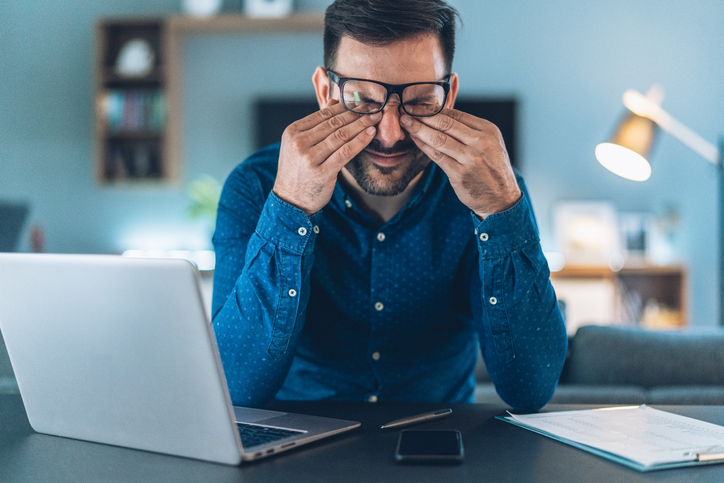
- Low energy and chronic fatigue
- Muscle loss and loss of the ability to build lean muscle, even when working out
- Weight gain, particularly belly fat
- Sexual health issues, loss of libido, and decline in sexual performance
- Loss of bone density
- Joint pain, particularly knee pain and hip pain
- Mood swings
- Memory loss and other cognitive issues
- Wrinkles, lines, and other signs of aging skin
At The HGH Therapy Doctor, we emphasize that you don’t have to accept these symptoms as “just aging.” With accurate testing and personalized treatment, HGH therapy can address these issues and restore balance, helping you regain both your physical vitality and emotional well-being.
Of course, these symptoms are only possible indicators of GHD. Blood tests and hormonal panels are required for an accurate diagnosis and a prescription for HGH.
What Are the Anti-aging Benefits of HGH Therapy?
Growth hormone replacement therapy has become a cornerstone of anti-aging medicine. Anti-aging medicine focuses on reducing the risks of aging-related diseases and improving overall health by addressing the biological aging process through lifestyle interventions and scientifically supported therapies like hormone replacement.
The American Academy of Anti-Aging Medicine (A4M) is a leading advocate for anti-aging practices. Dr. Ronald Klatz, co-founder of A4M and author of Grow Young with HGH, states, “The anti-aging effects of HGH impact the body holistically—mentally and physically, structurally and functionally. By restoring hormone levels, individuals can reclaim their vitality, health, appearance, and sexual wellness.”
Here are six well-documented anti-aging benefits of HGH.
1. Restoring Sexual Health and Libido
One of the most common — and frustrating — signs of aging is a decline in sexual desire and performance. Men may experience erectile dysfunction, while women often face reduced libido, vaginal dryness, or discomfort during intimacy. These changes frequently stem from declining HGH levels. Growth hormone therapy may help to restore sexual function by supporting hormone balance, circulation, and energy levels essential to sexual health in both men and women.
2. Strengthening Bones and Preventing Fractures
Human growth hormone plays a vital role in bone density maintenance. Clinical studies have shown that HGH not only helps increase bone mineral density but can also reduce the risk of fractures associated with osteoporosis. A study in the Journal of Clinical Endocrinology & Metabolism found that even years after receiving HGH treatment, women with osteoporosis experienced lasting protection against fractures. More recently, pooled data across multiple trials confirmed that HGH therapy benefits bone strength and helps prevent bone loss in both men and women.
3. Stimulating Thicker, Healthier Hair
Hair thinning and loss are other common symptoms of aging, often related to hormonal changes. Growth hormone helps rejuvenate hair follicles, supporting stronger, more vibrant strands. Just as HGH improves skin cell regeneration, it can enhance the health and growth rate of hair cells, promoting fuller, shinier hair for both men and women.
4. Enhancing Body Composition: Muscle Growth and Fat Loss
The age-related drop in HGH is partly responsible for the muscle loss and weight gain many experience as they get older. HGH therapy boosts protein synthesis, which helps build and maintain lean muscle mass. It also improves your ability to burn fat and convert food into energy. With higher HGH levels, patients often report better workouts, increased muscle tone, and reduced abdominal fat. Studies also suggest HGH may have a protective effect on cardiac muscle — supporting overall heart health.
5. Boosting Energy, Metabolism, and Vitality
Fatigue and sluggish metabolism are common complaints as we age — and they’re often linked to declining HGH. Growth hormone replacement can significantly improve metabolic rate, helping your body burn calories more efficiently and produce energy more effectively. The result? Increased stamina, sharper mental clarity, and an overall sense of vitality that many describe as “feeling years younger.”
6. Supporting Brain Health and Cognitive Function
Growth hormone has been shown to influence brain function in meaningful ways. Patients undergoing HGH therapy frequently report improved focus, sharper memory, and better emotional balance. Researchers believe this may be due to HGH’s role in supporting neurotransmitter production — including dopamine and serotonin — which regulate mood, motivation, and mental clarity. HGH also promotes neural repair and may enhance cognitive resilience over time.
The Benefits of HGH for Adults Over 40
Once you are over 35, HGH levels start to drop significantly. As you hit 40, early signs may include fatigue, reduced exercise capacity, and trouble sleeping. Growth hormone therapy can increase energy, improve sleep quality, and enhance recovery from workouts. Once you are over 40, GHD symptoms such as weight gain, reduced libido, and muscle loss often become more noticeable.
HGH therapy at this stage can help restore sexual function, lower bad cholesterol, improve heart health, and boost lean muscle mass.
The Benefits of HGH for Adults Over 50
Patients taking HGH in their 50s often see substantial benefits in terms of body composition. Many report shedding stubborn fat that resisted years of dieting. At the same time, HGH therapy supports rebuilding muscle tone, helping men and women feel stronger and more agile.
HGH therapy at this age also provides critical support for bone health. Osteopenia and osteoporosis become greater risks in the 50s, particularly for women after menopause. By increasing bone density, HGH therapy helps prevent fractures and maintain mobility.
Another important benefit is cardiovascular support. Research shows that balanced HGH levels can improve cholesterol profiles, reduce visceral fat, and support heart function. This makes HGH therapy a powerful tool for maintaining heart health during a decade when cardiovascular disease risk often rises.
The Benefits of HGH in Your 60s and Beyond

If you have heard that “60 is the new 40,” it probably came from people who are taking HGH! For men and women in their 60s and beyond, HGH therapy can deliver full-spectrum anti-aging effects: healthier skin, improved immune response, better bone density, sharper cognition, and greater overall vitality. Patients often report they feel “rejuvenated from the inside out.” For folks at this age, one of the primary benefits is the restoration of mobility and independence. By improving muscle strength, joint health, and bone density, HGH therapy helps older adults maintain the physical ability to remain active and independent longer.
Cognitive benefits are also significant. Many patients report clearer thinking, improved memory, and sharper focus. Since mental decline is one of the greatest fears of aging, the cognitive support offered by HGH therapy is highly valued.
Of course, the emotional benefits cannot be overlooked. Older adults often describe feeling younger, more optimistic, and better able to engage with family and community. The therapy doesn’t turn back the clock, but it allows you to continue living with vitality well into your later years.
Why Come to the HGH Therapy Doctor for HGH Treatment for Adults?
At The HGH Therapy Doctor, we understand that HGH therapy is not about chasing youth—it’s about restoring balance, improving health, and enhancing quality of life at any age. Our team of experienced, board-certified physicians specializes in hormone therapy for adults and has helped thousands of patients nationwide regain their energy, strength, and confidence.
If you’re experiencing symptoms of aging such as low energy, weight gain, thinning hair, or changes in skin tone — and you suspect declining HGH levels may be the cause — the first step is to book a free consultation with an HGH Therapy Doctor Clinic in your area.
With Clinics in Dallas, New York, Boston, Los Angeles, Miami, and all over the country, we take a unique approach to growth hormone therapy. Your anti-aging journey with HGH starts with a thorough evaluation of your health history, symptoms, and goals. You’ll then undergo diagnostic testing, including specialized blood work, to determine your current hormone levels. If age-related growth hormone deficiency is identified, we will design a personalized HGH skin and anti-aging treatment plan tailored to your needs.
You can even order your prescribed dose of HGH injections right from the medications page on our website.
If you’re ready to explore how HGH Therapy can help you look and feel younger, reach out to our HGH clinic today. With the right guidance and a properly managed treatment plan, you can start unlocking the many anti-aging benefits of growth hormone and reclaim your vitality at any age.
Frequently Asked Questions About HGH and Optimal Aging
Can HGH therapy help extend your life?
There’s growing evidence that HGH may positively influence longevity. Research funded by the NIH has shown that growth hormone can increase lifespan in animal models. While its effects on human lifespan remain under study, HGH’s benefits in quality of life and disease prevention are well supported.
Is HGH legal for anti-aging purposes?
Yes — but only with a valid prescription. HGH can legally be used for anti-aging when prescribed by a qualified physician for age-related growth hormone deficiency, diagnosed through specific blood testing.
Do you need a prescription to use HGH?
Absolutely. HGH injections are a controlled medication in the U.S. and must be prescribed after clinical evaluation and diagnostic confirmation of deficiency. Over-the-counter HGH products are not legitimate and often do not contain actual HGH.
At what age should I consider HGH therapy?
There’s no magic age. Most patients seek treatment in their 40s, 50s, or 60s, but the right time is when symptoms of decline begin interfering with your quality of life.
Is HGH therapy safe for older adults?
Yes, when prescribed and monitored by qualified physicians, daily growth hormone injections can be quite safe, even for older adults. At The HGH Therapy Doctor, we carefully tailor therapy to your individual needs and regularly monitor safety markers.
How is HGH therapy administered?
Most often HGH is given via daily or weekly subcutaneous injection using fine insulin needles. Patients typically find the process simple and painless.
How soon will I notice results?
Improvements vary by patient, but many begin noticing changes in energy, sleep, and mood within weeks. Full benefits in muscle, fat loss, and skin health often appear over several months.
Will I have to stay on HGH therapy forever?
Not necessarily. Some patients continue long-term for sustained benefits, while others use therapy for a set period. Treatment plans are individualized based on your goals and health profile.
Does HGH therapy help with weight loss?
Yes. By boosting metabolism, reducing visceral fat, and supporting lean muscle mass, HGH therapy can make weight loss efforts more effective.
Can women benefit from HGH therapy?
Absolutely. Women experience HGH decline too, particularly after menopause, and often see improvements in energy, body composition, bone health, and skin quality.
What makes The HGH Therapy Doctor different?
Our personalized approach, expert physicians, nationwide clinics, and track record of patient success make us the trusted leader in HGH therapy for adults.