Growth Hormone Deficiency in Adults: An Early Symptom Guide
It’s important that men and women get to know these early warning signs of growth hormone deficiency in adults
HGH therapy can offer many benefits for adults who are showing signs of growth hormone decline, but timing matters. The earlier you understand the symptoms of low HGH, the sooner you can take action and give your body a better chance to respond well.
This early symptom guide is meant to help adults recognize the warning signs of low HGH as well as provide a greater understanding about growth hormone deficiency.
In this guide you will learn how HGH impacts many parts of the body, so the symptoms can show up in different ways. One person may notice fatigue first. Another may notice stubborn belly fat, weaker workouts, or poor sleep. Someone else may feel mentally slower and less motivated. The key is looking at the full pattern. Let’s take a closer look.
What is HGH and Why Is It Important?
Human growth hormone, often called HGH, is a hormone made by the pituitary gland. Many people think of HGH only as the hormone that helps children grow. That is true, but HGH remains important long after childhood. In adults, it helps the body repair, rebuild, and maintain many of the systems that keep you feeling strong and well.
HGH supports metabolism. When HGH levels fall, this energy system may slow down, and that can leave you feeling more tired than you should.
HGH also plays an important role in muscle maintenance. Recovery is another major part of HGH’s job. HGH is also closely connected to sleep. This is why HGH is so important in adulthood. It is not only about growth. It is about repair, strength, energy, metabolism, sleep, and healthy aging.
What Is Adult Onset or Age-Related Growth Hormone Deficiency?
Adult onset or age-related growth hormone deficiency means the body is no longer making or using growth hormone at the level needed to support optimal function. This can happen for different reasons, but in many adults the issue develops slowly with age. The decline may begin years before the symptoms become obvious.
This gradual decline is one reason many people miss the early signs. They do not wake up one morning feeling completely different. Instead, the changes build slowly. Energy drops a little. Sleep becomes less refreshing. Workouts feel harder. Weight becomes easier to gain and harder to lose. Recovery takes longer. At first, each change may seem small. Over time, the pattern becomes harder to ignore.
Age-related hormone decline is also rarely a single issue. HGH is part of a larger hormone system. When one hormone begins to decline, others may shift as well. This is why adults with symptoms of low HGH often need a broader hormone evaluation, not just a narrow look at one area.
The important point is that early symptoms deserve attention. When symptoms are recognized sooner, the body may respond better to a well-designed treatment plan. Waiting until fatigue, weight gain, muscle loss, and poor recovery become severe can make the process harder. Early action allows for a more proactive approach.
Signs and Symptoms of GHD in Adults
Growth hormone deficiency in adults can affect the body in many ways because HGH touches many systems. When HGH levels decline, the symptoms can feel broad and hard to pin down.
Some people first notice that they no longer have the same energy. They may feel tired earlier in the day, need more caffeine, or struggle to get through normal tasks. Others notice changes in the mirror. Their body may look softer, especially around the abdomen, even though their routine has not changed much.
- Loss of muscle tone is also common.
- Sleep changes are another major clue.
- Brain fog and mood changes can also appear.
Othe Symptoms include:
- Daytime fatigue
- Thinning hair
- Weight gain
- Branin fog
- Mood changes
- Sexual health issues
What Are the Earliest Signs and Symptoms of Low HGH in Adults?
The earliest signs of low HGH are often subtle. They may not feel serious at first, or they may feel like “just getting older.” Which is why many adults ignore them. But these early changes can be important clues that the body is starting to lose some of its normal recovery and repair capacity.
Fatigue is often one of the first signs. This is not always extreme exhaustion. It may feel like your usual energy is lower than it used to be. You may still do everything you need to do, but it takes more effort. You may feel slower in the morning or more drained by late afternoon.
Sleep quality can also change early. Many adults notice they no longer wake up feeling truly rested. They may sleep for seven or eight hours but still feel like the sleep did not work. This can be one of the first signs that the body is not reaching the deeper repair stages as well as it once did.
Recovery changes may follow. A workout, long walk, busy workday, or weekend project may leave you more sore or tired than expected. Instead of bouncing back by the next morning, your body may need more time. This can be an early sign that tissue repair and energy restoration are slowing.
Body composition changes can also begin early. You may notice fat collecting around the midsection or a softer look in the arms, chest, legs, or waist. This can happen even with reasonable eating habits. When HGH declines, the body may become less efficient at using fat for energy and maintaining lean muscle.
Mental clarity may shift too. You may feel less focused, less driven, or less mentally quick. These changes may be mild at first, but they can affect work, confidence, and daily quality of life. The earlier these signs are recognized, the easier it may be to address them before they become more disruptive.
Symptoms of HGH Deficiency in Adults and Why They Occur

The symptoms of low HGH are not random. They happen because growth hormone supports several core functions in the body. When HGH levels decline, those functions may slow down or become less efficient.
HGH Deficiency and Fatigue
HGH deficiency can cause fatigue because of the relationship between growth hormone and cellular metabolism. Metabolism is how your body turns the calories in food into energy. HGH helps this process work more efficiently. When HGH levels are low, the body may not convert fuel into usable energy as well as it should.
How HGH therapy can help: HGH therapy can help with daytime fatigue by supporting healthier metabolism and better energy production. It may also improve sleep quality, which allows the body to recover more fully at night. Over time, many patients report steadier energy, fewer crashes, and a stronger sense of daily stamina.
HGH Deficiency and Decreased Muscle Mass
HGH helps adults maintain lean muscle by supporting tissue repair and rebuilding. Muscle is constantly being broken down and rebuilt, especially when you exercise or stay active. Growth hormone helps the body keep this process balanced so muscle can be maintained over time.
How HGH therapy can help: HGH therapy can support the body’s ability to repair and maintain lean tissue. When used as part of a complete plan that includes nutrition and activity, it may help improve muscle tone, strength, and recovery. The goal is not quick bulk. The goal is to provide better muscle support, healthier function, and improved resilience.
HGH Deficiency and Increased Weight
Increased weight, especially around the belly, is one of the most frustrating symptoms linked with low HGH. Many adults notice that they gain fat more easily than before, even when their habits have not changed very much. This can feel discouraging because the body seems to respond differently to the same food and activity.
How HGH therapy can help: HGH therapy may support healthier fat metabolism and improved body composition. By helping the body use stored fat more efficiently and support lean muscle, it can make weight management feel more realistic. Results are best when therapy is paired with a healthy eating plan, regular movement, and medical guidance.
HGH Deficiency and Brain Fog
Brain fog is one of the symptoms that can be hardest to explain, but many adults know exactly how it feels. You may feel mentally slower, less focused, or less sharp. You may forget small details, lose your train of thought, or struggle to stay engaged during the day.
Low HGH can contribute to brain fog in several ways. First, it can affect sleep quality. Second, low HGH can affect energy. The brain uses a large amount of energy to function well.
How HGH therapy can help: HGH therapy may improve brain fog by supporting deeper sleep, better recovery, and steadier energy. Many patients describe feeling clearer and more mentally present as their overall hormone balance improves. The goal is not to create artificial stimulation. It is to help the body and brain function more naturally again.
Low HGH Symptoms by Age
Low HGH can affect adults at different ages, but the way symptoms appear may change over time. In the earlier stages, symptoms may feel mild and easy to explain away. Later, the same issues may become more obvious and harder to ignore.
This is why age matters when looking at symptoms. A person in their 40s may mainly notice lower energy and harder weight control. A person in their 50s may notice more muscle loss, slower recovery, and more persistent sleep changes. The symptoms are related, but the intensity may increase as hormone decline continues.
What are the most common symptoms of low HGH in your 40s?
In your 40s, low HGH symptoms often show up as early performance changes. You may still be functioning well, but you may not feel as strong, rested, or resilient as you used to. In this decade, the most common symptoms often include lower energy, less restful sleep, slower workout recovery, stubborn belly fat, and early changes in muscle tone. Because these signs are still early, this can be an ideal time to seek evaluation.
Energy is a common early concern. You may feel more tired after work or need longer to get moving in the morning. You may still complete your day, but it feels like it takes more out of you. Afternoon fatigue may become more common, and caffeine may become more of a daily tool.
Body composition may also begin to change. You may gain fat around the waist or lose firmness in areas that used to respond well to exercise. Workouts may still help, but progress may be slower. You may need more discipline just to maintain what once came more easily.
Sleep may also start to shift. Many adults in their 40s report lighter sleep, earlier waking, or less refreshed mornings. These changes can be subtle, but they often connect with lower energy and slower recovery during the day.
What are the most common symptoms of low HGH in your 50s?
In your 50s, symptoms of low HGH often become more noticeable. The body may no longer hide the effects of hormone decline as well as it did in earlier years. What once felt like a mild change may now feel more persistent.
Fatigue may become harder to ignore. Instead of occasional low-energy days, you may feel that your baseline has changed. You may have less stamina for exercise, travel, work, or social plans. Recovery after activity may take longer than expected.
Muscle loss may also become more visible. You may notice less strength, softer muscle tone, or reduced endurance. Even with effort, it may be harder to maintain the same level of fitness. This can affect confidence and daily comfort.
Weight gain can become more stubborn in the 50s as well. Fat around the abdomen may be harder to lose, and old weight-loss strategies may not work as well. This can be especially frustrating for people who are still trying to eat well and stay active.
Brain fog and sleep issues may also become more regular. Poor sleep can lead to low energy, and low energy can lead to less activity. Less activity can then worsen weight gain and muscle loss. This is why the symptoms can begin to feed into each other.
How Is HGH Deficiency in Adults Diagnosed?
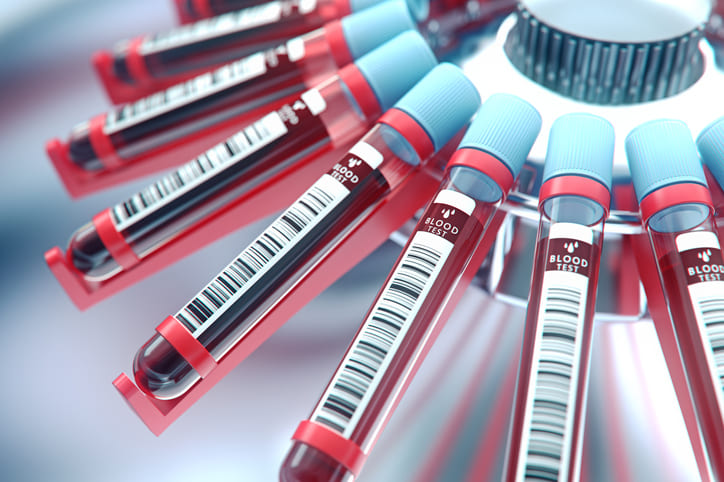
HGH deficiency in adults is diagnosed through a careful review of symptoms, health history, and lab testing. Because the symptoms can overlap with other hormone changes, it is important to look at the whole person rather than focusing on one complaint.
The process often begins with a conversation about how you feel. This includes your energy, sleep, weight, strength, recovery, mood, focus, and general health. The pattern of symptoms matters. One symptom alone may not point to low HGH, but several symptoms together can raise a stronger concern.
A provider may also review your medical history, lifestyle, and other factors that can affect hormone health. Sleep habits, stress, activity level, nutrition, medications, and past health issues may all be part of the discussion. This helps determine whether low HGH may be contributing to your symptoms or whether other issues also need attention.
Testing may include blood work to evaluate hormone markers and related health factors. Because HGH is released in pulses, evaluation is more involved than simply checking one number and making a quick decision. The goal is to build a clear picture of how your body is functioning.
A complete diagnosis is important because the best treatment plan depends on the full picture. The goal is not just to label a hormone level as low. The goal is to understand why you feel the way you do and create a plan that supports real improvement.
Is HGH Deficiency in Adults Accompanied By Other Hormone Imbalances?
Yes, HGH deficiency in adults can be accompanied by other hormone imbalances. Hormones do not work in isolation. They are part of a larger system, and changes in one area often appear alongside changes in another.
For men, low testosterone is one of the most common related concerns. Testosterone supports energy, muscle, mood, libido, motivation, and body composition. When both testosterone and HGH are low, symptoms can overlap and become more noticeable. A man may feel tired, weaker, less driven, and more frustrated with weight gain. Sexual health issues also may become more problematic.
Women may also experience changes in several hormones that affect energy, sleep, mood, and body composition. Hormone shifts can become more noticeable with age, especially when they occur alongside low HGH. This is one reason women may feel like several systems are changing at once.
Thyroid function, adrenal stress patterns, and metabolic health may also be reviewed depending on symptoms. This does not mean every person has the same imbalance. It means that a good evaluation should be broad enough to identify what is actually happening.
This is why patients with symptoms of low HGH are often tested for testosterone and other hormone imbalances as well. Looking only at HGH can miss part of the picture. A more complete review allows the treatment plan to match the patient’s needs more closely.
When several hormone issues are addressed in a thoughtful way, results may be stronger and more balanced. The goal is not to chase every hormone separately. The goal is to restore better function across the systems that affect how you feel every day.
How is HGH Deficiency in Adults Treated?
In qualifying patients, HGH deficiency in adults is treated with medically supervised HGH replacement therapy. The program is designed to restore growth hormone support in a way that fits the person’s symptoms, goals, and overall health picture.
HGH therapy is typically given by prescription injections such as Genotropin or Nordotropin. The treatment plan is personalized, which means the amount and schedule are based on the individual. This matters because every patient is different. Some adults are mainly concerned with fatigue and poor sleep. Others are more focused on muscle loss, body composition, recovery, or brain fog.
A good treatment plan does not stop at prescribing therapy. It also includes follow-up, monitoring, and adjustments when needed. As the body responds, the plan may be refined to support the best possible outcome. This helps make therapy more precise and more effective over time.
Patients often notice that improvements build gradually. Energy may become steadier. Sleep may feel deeper. Recovery may improve. Body composition may begin to shift. Mental clarity may become stronger. These changes usually happen as part of a broader return to better function.
HGH therapy also works best when paired with healthy habits. Sleep, nutrition, exercise, and stress control still matter. Therapy can support the body, but the foundation of daily health helps shape the final result. The strongest plans combine medical treatment with practical lifestyle support.
When to Get Started With the HGH Therapy Doctor
If you are over 40 and experiencing several of the symptoms described on this page, it may be time to take action. Fatigue, poor sleep, weight gain, muscle loss, slower recovery, and brain fog should not be ignored when they begin to affect your quality of life.
Many adults wait until symptoms become severe before seeking help. By then, they may feel more frustrated and less in control of their health. Starting earlier allows you to understand what is happening and address the problem before it continues to build.
At The HGH Therapy Doctor, the goal is to help patients identify the signs of low HGH and create a plan that supports better energy, recovery, sleep, body composition, and healthy aging. The process starts with a thoughtful evaluation, not a guess. Your symptoms, goals, and hormone picture all matter.
You do not have to accept feeling older, slower, or more tired as your new normal. If your body is showing signs of growth hormone decline, a personalized treatment plan may help you restore better function and feel more like yourself again.
What Makes Us Different
What makes The HGH Therapy Doctor different is our focused experience in growth hormone therapy and anti-aging medicine. We understand that low HGH symptoms can be frustrating because they often affect several areas of life at once. You may not only feel tired. You may also be sleeping poorly, gaining weight, losing strength, and struggling with focus.
That is why we do not treat HGH therapy like a one-size-fits-all product. We look at the full pattern of symptoms and evaluate how growth hormone may fit into your broader hormone health. This helps us create a plan that is more personal, more precise, and better aligned with your goals.
We also believe that patients should understand their care. You deserve a clear explanation of what HGH does, why symptoms occur, what testing may show, and how treatment may help. When you understand the process, you can make more confident choices about your health.
Our approach is built around medically guided care, ongoing support, and real-world results. The goal is not just to improve a lab value. The goal is to help you regain energy, strength, recovery, and confidence in how your body feels and performs.
If you are noticing the early signs of low HGH, now is the time to learn more. Waiting can allow symptoms to become more frustrating and harder to manage. A proper evaluation can help you understand whether growth hormone decline is part of the reason you feel different. Contact The HGH Therapy Doctor today to schedule your consultation and find out whether HGH therapy may help you feel stronger, clearer, and more like yourself again.
Frequently Asked Questions About the Symptoms of Low HGH in Adults
- Can low HGH symptoms be mistaken for normal aging?
Yes. Many low HGH symptoms look like common signs of aging at first. Fatigue, weight gain, poor sleep, muscle loss, and slower recovery are often explained away as stress or getting older. The difference is the pattern. When several symptoms appear together and keep getting worse, hormone decline may be part of the cause.
- Can low HGH affect motivation?
Yes. Low HGH may affect motivation by lowering energy, reducing recovery, and contributing to brain fog. When your body feels tired and slow, it is harder to stay active and focused. Many patients do not describe this as depression. They describe it as feeling less driven, less sharp, or less like themselves.
- Why does low HGH often cause belly fat?
HGH helps the body break down and use stored fat for energy. When HGH levels decline, fat metabolism may slow. At the same time, muscle mass may decrease, which can also slow daily calorie use. This combination can make belly fat easier to gain and harder to lose.
- Can low HGH make workouts feel harder?
Yes. Low HGH can make workouts feel harder because it affects muscle repair, energy, and recovery. You may still be able to exercise, but soreness may last longer and progress may feel slower. This can make it harder to stay consistent, even when you are motivated.
- Are symptoms different for men and women?
Men and women can share many of the same low HGH symptoms, including fatigue, poor sleep, weight gain, brain fog, and slower recovery. Men may notice strength, libido, and testosterone-related changes more clearly. Women may notice changes in sleep, body composition, mood, and overall vitality. A full evaluation helps identify the pattern.
- Can HGH therapy help if I also have low testosterone?
It may. Low HGH and low testosterone can occur together, especially in men over 40. Since the symptoms can overlap, both may need to be evaluated. When more than one hormone issue is present, a broader treatment plan may provide better results than focusing on only one hormone.
- How do I know if my symptoms are serious enough to get tested?
If fatigue, poor sleep, muscle loss, belly fat, slow recovery, or brain fog are affecting your daily life, it is reasonable to seek evaluation. You do not need to wait until symptoms are severe. Early testing can help you understand what is happening and whether HGH therapy may be appropriate.