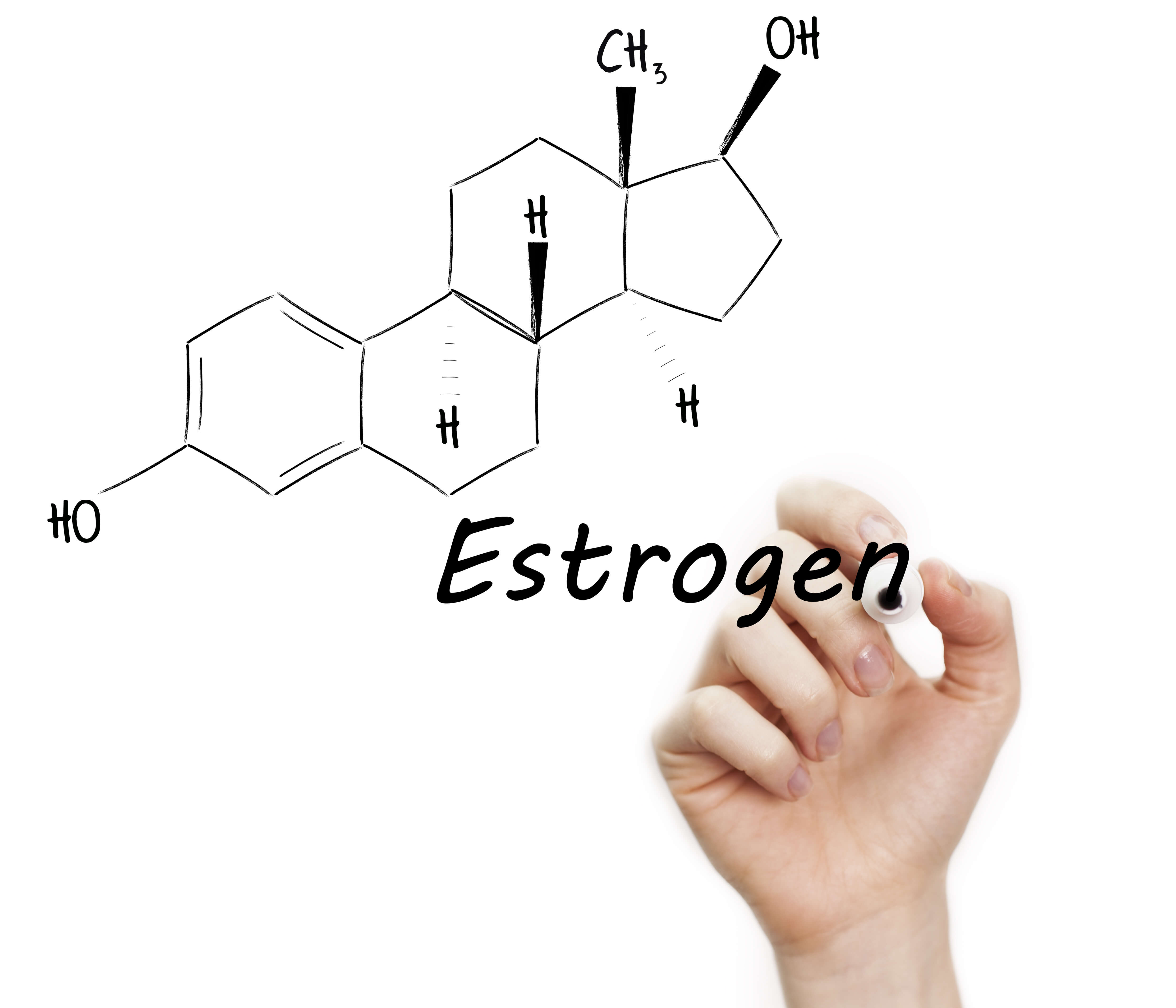
Low Estrogen in Women Under 50: A Complete Guide to Signs and Symptoms
Even women under the age of 50 need to be aware of the symptoms of low estrogen.
Low estrogen can affect women well before menopause and may cause changes in periods, sexual health, mood, sleep, weight, bone health, and overall well-being.
Estrogen levels naturally rise and fall throughout a woman’s life. They even change from one week to the next during the menstrual cycle. However, estrogen levels that remain too low can cause symptoms and may signal an underlying hormonal problem.
Low estrogen can occur in women in their 20s, 30s, and 40s for many different reasons. Some women develop low estrogen as they enter perimenopause. Others may have low estrogen because of changes in ovarian function, extreme stress, low body weight, intense exercise, certain medications, or other medical conditions.
The important point is that persistent symptoms should not simply be accepted as part of getting older. Hormone testing and a complete medical evaluation can help determine what is happening and whether treatment may help.
What Is Low Estrogen?
Estrogen is one of the main female sex hormones. It plays an important role in reproductive health, but its effects reach far beyond the ovaries and uterus.
Women actually produce several forms of estrogen. Estradiol is the main form during the reproductive years. Most estradiol is produced by the ovaries, although smaller amounts can also be produced by other tissues.
Estrogen helps regulate the menstrual cycle and supports fertility. It also helps maintain strong bones, healthy vaginal tissue, normal sexual function, skin health, cardiovascular function, and brain health.
Estrogen can also influence mood, sleep, body temperature, and the way the body stores fat.
Low estrogen occurs when the body does not produce enough estrogen for a woman’s age and stage of life. A single low laboratory result does not always mean that there is a problem because estrogen normally changes during the menstrual cycle. Doctors therefore look at symptoms, menstrual history, age, other hormone levels, and sometimes repeated blood tests before determining that estrogen is truly too low.
Why Should Women Under 50 Be Concerned About Low Estrogen?
Low estrogen deserves attention because the effects may extend beyond hot flashes or changes in the menstrual cycle.
Estrogen helps support tissues throughout the body. When levels stay low for a long period, women may experience “female sexual dysfunction” such as vaginal dryness, painful sex, lower sexual desire. Lower than normal estrogen in women can also lead to sleep problems, mood changes, and changes in energy or concentration.
Bone health is another important concern. Estrogen helps slow the natural breakdown of bone tissue. Women who experience significant estrogen loss at a younger age may begin losing bone density earlier than expected. Over time, this can increase the risk of osteopenia and osteoporosis.
Low estrogen may also affect fertility. Women who stop ovulating normally may have irregular periods or no periods at all. This can make pregnancy more difficult, depending on the cause of the hormonal change.
The younger a woman is, the more important it can be to find out why her estrogen is low. A 28-year-old with low estrogen and missing periods requires a different evaluation than a 48-year-old entering perimenopause.
Symptoms also matter. Women sometimes assume that poor sleep, low libido, mood changes, brain fog, or vaginal dryness must be caused by stress or aging. Hormonal changes may be contributing to some or all of these concerns.
How Common Is Low Estrogen in Women Under 50?
Low estrogen becomes increasingly common as women approach menopause, but it can occur at almost any reproductive age.
Most women begin menopause between about ages 45 and 55. Before menopause occurs, women usually go through perimenopause. During this transition, estrogen levels may rise and fall widely before eventually declining.
For that reason, women in their 40s frequently experience periods of low estrogen even if they are still having menstrual cycles.
Low estrogen is less common in women in their 20s and early 30s, but it still occurs. Younger women may develop reduced estrogen production because of ovarian problems, excessive exercise, very low calorie intake, rapid weight loss, chronic stress, certain medical treatments, or disruption of the hormonal signals between the brain and ovaries.
Some women under 40 develop primary ovarian insufficiency, sometimes called POI. In this condition, the ovaries stop working normally earlier than expected. Women with POI may still have occasional periods or ovulation, so the condition is not always the same as permanent early menopause.
What Causes Low Estrogen in Women Under 50?
There is no single cause of low estrogen in younger women. Finding the cause is one of the most important parts of treatment.
Perimenopause
Perimenopause is one of the most common reasons estrogen begins to become unpredictable in women in their 40s.
The ovaries gradually change the way they produce estrogen and progesterone. Hormone levels may sometimes be high and sometimes low. As perimenopause progresses, periods may become shorter, longer, heavier, lighter, or less predictable.
Women may also begin experiencing hot flashes, night sweats, poor sleep, vaginal dryness, mood changes, or changes in sexual desire.
Primary Ovarian Insufficiency
Primary ovarian insufficiency occurs when the ovaries stop functioning normally before age 40.
Some women with POI have very irregular periods, while others stop having periods for several months. Estrogen levels may become much lower than expected for their age.
The exact cause is not always known. Genetics, autoimmune conditions, cancer treatments, and other factors may sometimes contribute.
Because estrogen helps protect bone and other tissues, women with POI should receive a complete medical evaluation rather than simply waiting to see if symptoms improve.
Excessive Exercise or Very Low Body Fat
Exercise is healthy, but very intense training combined with inadequate calories can interfere with estrogen and progesterone production.
The brain may reduce the hormonal signals that tell the ovaries to produce estrogen. Menstrual periods may become irregular or disappear.
This problem is sometimes seen in endurance athletes, competitive athletes, dancers, and women who exercise heavily while maintaining very low body fat.
Rapid Weight Loss or Inadequate Nutrition
The reproductive system requires adequate energy and nutrients to function normally.
Major calorie restriction, eating disorders, or rapid weight loss can disrupt signals between the brain and ovaries. Estrogen production may fall, and menstrual periods may stop.
Restoring healthy nutrition and body weight may help hormonal function recover when inadequate calorie intake is the cause.
Stress
Severe physical or emotional stress can interfere with the normal hormone signals that control ovulation and menstruation.
Stress does not cause every case of low estrogen, and everyday stress by itself usually does not shut down estrogen production. However, prolonged or extreme stress can contribute to hormonal disruption, particularly when combined with poor sleep, heavy exercise, illness, or inadequate nutrition.
Medical Treatments or Surgery
Some cancer treatments can damage ovarian function and reduce estrogen production. Certain medications may also affect the hormones that regulate the ovaries.
Surgical removal of both ovaries causes an immediate drop in estrogen because the main source of estrogen production has been removed. Women who undergo this surgery before natural menopause may therefore experience symptoms very quickly.
Hormonal and Medical Conditions
The ovaries depend on signals from the brain and pituitary gland. Problems anywhere along this hormonal pathway may interfere with normal estrogen production.
Thyroid disorders, elevated prolactin levels, pituitary disorders, and other endocrine conditions may cause menstrual changes that appear similar to low estrogen.
This is why a proper evaluation should look beyond estrogen alone.
The Signs and Symptoms of Low Estrogen in Women Under 50
Low estrogen can produce many different symptoms. Some women notice only one or two changes. Others experience several symptoms at the same time.
Common signs can include:
- Irregular or missing periods. Low estrogen may interfere with ovulation and the normal menstrual cycle. Periods may become less frequent or stop altogether.
- Hot flashes and night sweats. Changes in estrogen can affect the brain’s temperature-control system, causing sudden warmth, sweating, flushing, or nighttime symptoms.
- Vaginal dryness. Estrogen helps maintain moisture, thickness, and elasticity in vaginal tissue. Lower levels may lead to dryness, irritation, or discomfort.
- Pain during sex. Vaginal dryness and thinning tissue can make intercourse uncomfortable and may contribute to reduced interest in sex.
- Lower libido. Hormone changes, poor sleep, vaginal discomfort, and mood changes can all contribute to a decline in sexual desire.
- Sleep problems. Some women have trouble falling asleep or staying asleep. Night sweats can make the problem worse.
- Mood changes. Women may notice increased irritability, anxiety, low mood, or feeling less emotionally balanced than usual.
- Brain fog or trouble concentrating. Hormonal changes can sometimes make women feel forgetful, mentally tired, or less focused.
- Headaches. Fluctuating estrogen levels may trigger headaches in some women, especially those who are already prone to hormonal headaches.
- Dry skin or changes in hair. Estrogen supports collagen production and skin hydration. Lower levels may contribute to drier or thinner skin.
- Urinary changes. Low estrogen can affect tissues around the bladder and urethra. Some women notice urinary urgency, discomfort, or more frequent urinary tract problems.
- Loss of bone density. This usually causes no immediate symptoms, but long-term estrogen deficiency may gradually weaken bone.
Not every woman with these symptoms has low estrogen. Thyroid problems, pregnancy, anemia, medication side effects, stress, sleep disorders, and other conditions can cause similar complaints.
That is why symptoms should be evaluated together rather than relying on one sign or one hormone test.
How Do Doctors Treat Low Estrogen in Women Under 50?
Treatment begins with finding out why estrogen is low.
Doctors may review menstrual history, symptoms, medications, pregnancy history, exercise habits, nutrition, and other health conditions. Blood testing may include estradiol along with other hormones that help show how the ovaries, thyroid, and pituitary gland are functioning.
Once the cause is identified, treatment can be personalized.
Women who are producing too little estrogen may benefit from hormone replacement therapy. Estradiol can be prescribed in several forms, including patches, creams, gels, or other preparations depending on the woman’s needs.
Women who still have a uterus are commonly prescribed progesterone along with estrogen. Progesterone helps balance the effects of estrogen on the uterine lining.
Bioidentical hormone replacement therapy, or BHRT, may also be an option for appropriate patients. Bioidentical hormones have the same basic molecular structure as hormones produced naturally by the human body.
The goal is not simply to raise a laboratory number. Treatment should help restore a healthier hormonal balance while improving symptoms and supporting long-term health.
Women receiving hormone therapy should be monitored. Doctors can review symptoms, repeat testing when appropriate, and adjust treatment based on how the patient responds.
Treatment may be different when low estrogen is caused by inadequate nutrition, intense exercise, significant weight loss, thyroid disease, elevated prolactin, or another medical condition. In these cases, correcting the underlying problem may help normal hormone production return.
Fertility goals also matter. A woman trying to become pregnant may require a different treatment strategy than a woman whose main goals are symptom relief, sexual health, bone protection, and overall wellness.
Is the Treatment the Same for Women in Their 20s, 30s, and 40s?

Treatment should reflect a woman’s age, symptoms, medical history, and goals.
A woman in her 20s with very low estrogen and no menstrual periods requires careful evaluation. Doctors may look for nutritional problems, excessive exercise, hormonal disorders, medication effects, or primary ovarian insufficiency. Fertility may also be an important consideration.
Women in their 30s may face many of the same issues. Pregnancy goals can play an especially important role in deciding how hormonal problems are managed.
By the 40s, perimenopause becomes a much more common cause. Women may still have regular periods while experiencing major hormonal swings. Others may notice irregular periods along with hot flashes, poor sleep, lower libido, vaginal dryness, or mood changes.
Hormone therapy can be personalized to the individual rather than prescribed according to age alone. The type of hormone, dose, method of delivery, symptoms, and need for progesterone should all be considered.
The goal is to treat the woman rather than simply treat a number on a laboratory report.
Are There Natural Ways for Women Under 50 to Boost Estrogen Levels?
Healthy lifestyle changes can support normal hormone production, especially when low estrogen is related to stress, nutrition, low body weight, or excessive exercise.
Women should make sure they are eating enough calories and getting adequate protein, healthy fats, vitamins, and minerals. Maintaining a healthy body weight is also important because being significantly underweight can interfere with ovulation and estrogen production.
Regular exercise supports bone, heart, muscle, and metabolic health. However, women who train intensely and have lost their menstrual periods may need to reduce training volume while increasing calorie intake.
Good sleep and stress management can also support normal hormonal signaling. A regular sleep schedule, relaxation techniques, moderate exercise, and time for recovery may all help the body function more normally.
Certain foods contain plant compounds known as phytoestrogens. Soy foods, flaxseed, legumes, and some whole grains contain these substances. They are not the same as human estrogen and should not be expected to correct significant hormone deficiency, but they can be part of a healthy diet.
Supplements should not be used as a substitute for diagnosis. Women with ongoing symptoms or missing periods should find out why estrogen is low before trying to correct the problem on their own.
Why Should Women Come to The HGH Therapy Doctor for Hormonal Issues?
Hormonal symptoms can be confusing because many different conditions produce similar changes. The HGH Therapy Doctor takes a comprehensive approach to hormone evaluation rather than assuming that every woman needs the same treatment.
Our doctors review symptoms, health history, menstrual changes, lifestyle factors, and laboratory results to build a more complete picture of your hormonal health. When hormone therapy is appropriate, treatment is personalized according to your age, symptoms, goals, and individual hormone levels.
Women may also have changes in progesterone, testosterone, thyroid hormones, or other hormones at the same time. Looking at the larger hormonal picture can help explain symptoms that a single estrogen test may miss.
Treatment plans may include bioidentical hormone replacement therapy, lifestyle recommendations, nutritional support, and ongoing medical monitoring when appropriate.
Find Out If Low Estrogen Is Affecting How You Feel
You do not have to wait until menopause to take hormonal symptoms seriously.
If you are under 50 and experiencing irregular periods, hot flashes, vaginal dryness, low libido, poor sleep, mood changes, or other unexplained symptoms, The HGH Therapy Doctor can help determine whether hormonal changes may be involved.
Contact us to schedule a consultation to discuss your symptoms, complete appropriate testing, and learn whether a personalized hormone treatment program is right for you.