
Hormonal changes after pregnancy can affect a new mother’s mood, energy, sleep, and overall health.
Pregnancy causes some of the biggest hormone changes a woman will ever experience. These hormones help her body support a growing baby, prepare for birth, and begin breastfeeding. Once the baby is born, many hormone levels change again, often very quickly.
For some women, this transition brings temporary mood swings, fatigue, or changes in their menstrual cycle. Others have symptoms that last longer and need medical attention. Hormone changes can also occur alongside postpartum depression or anxiety, two treatable conditions that deserve careful attention.
Understanding what happens after childbirth can help new mothers recognize when changes are part of recovery and when it may be time to seek help. With the right evaluation and support, women can address ongoing hormone problems and take steps toward feeling more like themselves again.
What Hormones Are Most Related to Pregnancy?
Several hormones work together throughout pregnancy. Each has a different role, and each adjusts after childbirth.
Estrogen rises greatly during pregnancy. It helps support the uterus, the placenta, and the baby’s development. Estrogen also influences mood, body temperature, and the tissues of the vagina. After delivery, estrogen levels drop sharply. They may stay relatively low for longer in women who breastfeed.
Progesterone also increases during pregnancy. It helps the uterus support a developing baby and prepares the breasts for milk production. Like estrogen, progesterone falls rapidly once the placenta is delivered. This sudden change may affect sleep and emotional well-being in women who are sensitive to hormone shifts.
Human chorionic gonadotropin, or hCG, is the hormone detected by pregnancy tests. It helps support early pregnancy and gradually falls after childbirth.
Prolactin signals the breasts to make milk. Its levels rise during pregnancy and respond to feeding after birth. Oxytocin helps the uterus contract during labor and helps release breast milk. It is also involved in bonding and feelings of connection.
Thyroid hormones help regulate energy use, body temperature, and many daily functions. Thyroid needs change during pregnancy. Some women later develop a thyroid problem after childbirth, which can cause symptoms that resemble depression or normal postpartum fatigue.
Cortisol, a hormone involved in the body’s response to stress, also changes during pregnancy and afterward. Together, these shifting hormones help explain why the postpartum period can feel so different from life before pregnancy.
Why Do New Mothers Experience Hormonal Imbalance After Giving Birth?

The biggest change begins when the placenta is delivered. During pregnancy, the placenta produces large amounts of estrogen and progesterone. Once it is gone, those hormone levels fall within a short time.
This is a normal part of childbirth. Yet the speed of the change can affect women differently. Some adjust with few symptoms. Others experience mood changes, sleep problems, or physical symptoms while their bodies find a new balance.
Breastfeeding can shape that recovery. Prolactin stays active as the baby feeds, and estrogen may remain lower. This can delay the return of monthly periods and may contribute to vaginal dryness or changes in sexual desire.
Lack of sleep, physical healing, stress, and the demands of caring for a newborn add to the challenge. These factors can affect emotional health even when hormone levels are following a normal recovery pattern.
In some cases, a medical condition is involved. Postpartum thyroiditis, for example, can cause thyroid hormone levels to become too high and later too low. Identifying these conditions matters because they may respond well to treatment.
What Is Postpartum Depression?
Postpartum depression is a form of depression that develops after childbirth. Related depression can also begin during pregnancy and continue after delivery. It can cause lasting sadness, loss of interest, hopelessness, or emotional exhaustion. Some women feel disconnected from their babies or struggle to enjoy activities they once loved.
It is different from the “baby blues.” Many new mothers feel tearful, irritable, or overwhelmed during the first days after birth. These mild changes usually improve within two weeks. Postpartum depression is more intense, lasts longer, or makes daily life difficult.
A sudden drop in estrogen and progesterone may be one factor in postpartum depression. Yet hormones are not the whole explanation. A history of depression, poor sleep, stress, limited support, and other life or health factors can all play a role. Women can develop postpartum depression even after a healthy pregnancy and an uncomplicated delivery.
The most important message is that postpartum depression is treatable. Counseling, medication when appropriate, and practical support can help women recover. Mothers who have persistent symptoms should contact their obstetrician or another qualified healthcare professional instead of waiting for symptoms to pass.
Thoughts of suicide or harming oneself or the baby need urgent professional assessment. Confusion, hearing or seeing things that are not there, or unusual beliefs after childbirth may signal postpartum psychosis, a medical emergency that requires immediate care.
How Long Does Postpartum Depression Last?
There is no single timetable for postpartum depression. It often begins during the first several weeks after childbirth, but symptoms may first appear later in the baby’s first year. Depression may also begin during pregnancy and continue after delivery.
Without treatment, symptoms can last for many months or longer. The length of recovery depends on how severe the depression is, how soon care begins, and which treatments are needed.
Some women begin to feel better within weeks of starting treatment. For others, improvement takes more time. Follow-up visits help doctors adjust the care plan and make sure progress continues.
Mothers should not use the baby’s age to decide whether their feelings deserve attention. Persistent sadness, fear, or loss of interest is worth discussing with a professional, whether it begins a few weeks or many months after birth.
Is Postpartum “Depression” and Postpartum “Anxiety” the Same Thing?
Postpartum depression and postpartum anxiety are different conditions, although they can happen together.
Depression often involves sadness, hopelessness, lack of enjoyment, or feeling emotionally numb. A mother may have little motivation or feel unusually distant from friends, family, or her baby.
Postpartum anxiety is more likely to involve constant worry, fear, or a feeling that something bad is about to happen. A mother may repeatedly check on her baby, struggle to relax, or find it hard to sleep even when she has a chance to rest. Some women experience panic attacks or unwanted, frightening thoughts.
Both conditions can affect appetite, sleep, concentration, and daily life. Neither can be diagnosed by checking estrogen or progesterone levels alone.
An accurate diagnosis helps guide care. Counseling and certain medications can treat postpartum depression and anxiety. A doctor can also look for physical conditions, including thyroid problems, that may be adding to the symptoms.
What Are the Symptoms of Postpartum Hormonal Issues?
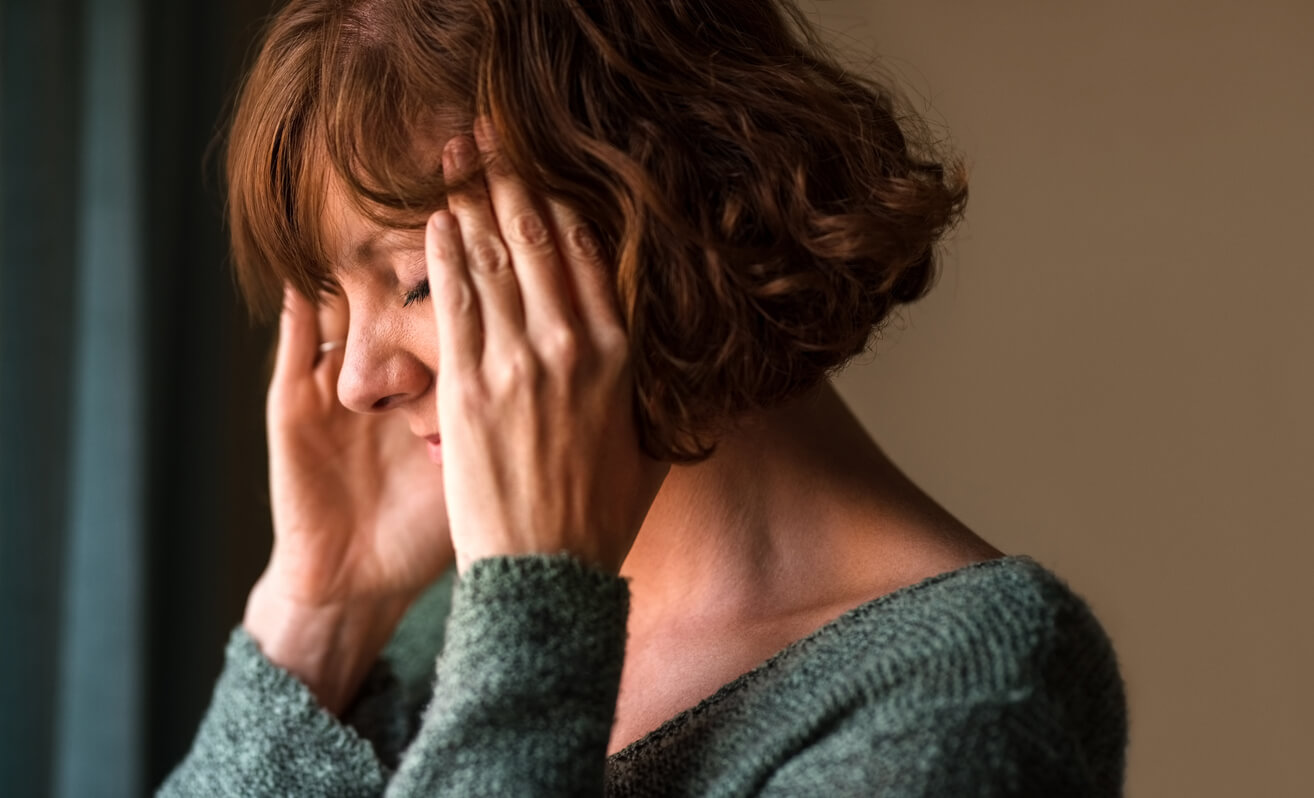
Postpartum hormone changes can affect the body as well as mood. The symptoms vary depending on which hormones are changing and whether an underlying condition is present.
Some women notice hot flashes, night sweats, vaginal dryness, or a lower interest in sex. Others experience hair shedding, changes in their skin, or delays in the return of regular periods. Many of these changes improve as postpartum recovery continues.
Low thyroid hormone levels may cause ongoing exhaustion, feeling cold, constipation, dry skin, and trouble managing weight. If thyroid hormone levels become too high, a woman may feel unusually anxious, shaky, irritable, or aware of a racing heartbeat.
Mood-related symptoms may include frequent crying, unusual anger, a constant sense of worry, or difficulty feeling pleasure. Trouble sleeping even when the baby is resting can also be a warning sign.
These symptoms can overlap. For example, fatigue may come from interrupted sleep, low iron levels after delivery, thyroid problems, depression, or several factors at once. This is why a careful medical review is more useful than assuming every symptom is caused by a hormone imbalance.
A new mother should seek help when symptoms are severe, keep getting worse, interfere with caring for herself or her baby, or do not improve over time.
Do Hormones Return to Normal on Their Own After Pregnancy?
For most women, many pregnancy-related hormone changes resolve naturally as the body recovers. Estrogen and progesterone fall soon after birth, while other hormones adjust over the following weeks and months.
Recovery does not look the same for everyone. Women who are breastfeeding may have lower estrogen levels and may not have regular periods for some time. Women who are not breastfeeding may see their menstrual cycles return sooner. Neither pattern automatically means something is wrong.
Some symptoms, such as temporary hair shedding or changes in sexual comfort, may improve without hormone treatment. Good nutrition, rest when possible, and support with newborn care can help women manage recovery.
Other problems need closer attention. Postpartum thyroiditis may develop several months after giving birth. Many women eventually regain normal thyroid function, while some need thyroid medication for a longer period.
Likewise, postpartum depression and anxiety are not conditions women should simply wait out in the hope that hormone levels will settle. Effective care is available, and earlier attention can help prevent symptoms from becoming more disruptive.
The best approach is to follow how a woman feels, not just the calendar. Symptoms that persist or seem out of proportion to normal recovery deserve an individualized evaluation.
How Do Doctors Diagnose and Treat Post-Pregnancy Hormonal Imbalance?
A good evaluation starts with a conversation. A doctor will ask when symptoms began, how they have changed, whether the woman is breastfeeding, and how she is sleeping and feeling emotionally. Her medical history, pregnancy, delivery, medications, and previous hormone or mood problems are also important.
The next step depends on the symptoms. Blood tests may check thyroid function, especially when fatigue, mood changes, temperature changes, or weight concerns suggest a thyroid problem. A doctor may also check for anemia or other conditions that can occur after childbirth.
Estrogen and progesterone levels normally change after delivery and during breastfeeding. Because of this, a single hormone test may not tell the whole story. Doctors should order tests that answer a specific medical question rather than treating every postpartum change as a deficiency.
Doctors also screen for postpartum depression and anxiety by asking about mood, worry, sleep, and the ability to manage daily activities. These conditions are diagnosed through a clinical assessment, not a standard hormone panel.
Treatment is based on what the evaluation finds.
For confirmed hormone problems, treatment aims to restore healthy hormone function and relieve symptoms. If a woman develops an underactive thyroid, thyroid hormone replacement may help restore normal function and improve how she feels. Other diagnosed hormone conditions may call for their own targeted treatment. The goal is to address the actual cause rather than use the same approach for every new mother.
For postpartum depression or anxiety, counseling is often an important first step. Doctors may recommend antidepressant medication or other specialized treatment when needed. The choice depends on symptoms, medical history, and whether the mother is breastfeeding. Appropriate mental health treatment should not be delayed while investigating hormone concerns.
Physical recovery also matters. Rest, help from family, balanced meals, gentle activity when medically cleared, and support with feeding can make daily life more manageable. These steps work best alongside medical care when a condition has been diagnosed.
Follow-up is essential. A woman’s needs can change as she heals, stops or continues breastfeeding, or begins having menstrual periods again. Regular reviews allow treatment to change with her needs and help her work toward lasting relief.
Why Women Should Come to The HGH Therapy Doctor for Any Hormonal Issues
Becoming a mother changes your life, but ongoing fatigue, low mood, or other troubling symptoms should not be dismissed as something you simply have to live with. When symptoms continue, understanding your hormone health may be an important step toward feeling better.
At The HGH Therapy Doctor, we believe women deserve individualized attention at every stage of life. Our approach to hormone health begins with understanding your symptoms, medical history, and personal goals. When testing reveals a hormone problem that may benefit from treatment, an individualized plan can help address the cause and support your well-being.
For women recovering from pregnancy, that also means recognizing when symptoms require specialized postpartum or mental health care. Hormone assessment can be part of a broader care plan, while postpartum depression and anxiety should receive appropriate treatment from qualified professionals.
You deserve to feel heard and supported as you recover and care for your family. Contact The HGH Therapy Doctor today to discuss your ongoing hormone-related symptoms and learn whether an evaluation or medically supervised treatment is right for you.