
HGH Therapy for Men Over 40: Benefits & Expectations
Human growth hormone or HGH is critical for strength, energy and overall optimal aging for men over 40.
Getting older does not mean you have to accept low energy, more body fat, slower recovery, and a steady loss of strength as your new normal. For many men over 40, changes in growth hormone levels can play a real role in how they feel, perform, and age.
If you have been feeling like your body is no longer responding the way it used to, HGH therapy may be worth a closer look. When used under proper medical care, it can help support energy, body composition, recovery, and overall well-being.
What Is HGH?
HGH stands for human growth hormone. It is a natural hormone made by the pituitary gland, a small gland at the base of the brain. This hormone helps regulate growth early in life, but it also remains important during adulthood.
In adult men, HGH helps support muscle tissue, metabolism, exercise recovery, body composition, bone health, and general repair inside the body. It works closely with other hormones and helps the body maintain lean tissue and use nutrients in an efficient way.
Even though many people think of HGH as something that only matters during childhood, it continues to play a major role throughout adult life. It helps the body repair itself, maintain physical function, and keep up with the demands of work, fitness, stress, and daily life.
When HGH levels drop too low, men may begin to notice a slow but steady decline in energy, stamina, strength, mood, and body composition. These changes can creep up over time, which is why many men assume they are just dealing with “normal aging” when something more specific may be going on.
Why Is HGH Important to Men as They Age?
As men get older, many hormone levels begin to shift. HGH is one of the hormones that commonly declines with age. That matters because HGH helps support some of the same things men often struggle with after 40: staying lean, keeping muscle, recovering from workouts, sleeping well, and feeling mentally sharp.
When healthy HGH activity starts to fade, the body may become less efficient. Recovery can take longer. Muscle may be harder to build and easier to lose. Belly fat may show up faster. Workouts may feel harder than they used to. Some men also notice lower drive, weaker motivation, and less confidence in how they feel physically.
This does not mean every man over 40 needs HGH therapy. But it does mean HGH is an important part of the conversation when a man feels like age has changed his body more than it should have.
What Are the Symptoms of Age-Related HGH Loss in Men?
The signs of low HGH in adult men are often gradual. They can build over time and may look different from one man to the next. That is one reason the problem is often missed at first.
Common symptoms may include:
- Low energy
- Reduced stamina
- Slower workout recovery
- Loss of muscle tone
- Increased belly fat
- Reduced exercise capacity
- Lower motivation
- Poor sleep quality
- Brain fog
- Changes in mood
- Lower confidence
- Less interest in sex or reduced sexual well-being
- A general sense that the body is aging faster than expected
Some men describe it in very simple terms. They say they do not feel strong anymore. They do not bounce back the way they used to. They are working harder for smaller results in the gym. They gain weight more easily, lose muscle more quickly, and feel like their edge is gone.
Because these symptoms can overlap with low testosterone, stress, poor sleep, or other health issues, proper testing matters. You do not want to guess. You want to know what is really going on.
How Is HGH Deficiency in Men Over 40 Diagnosed?
Diagnosing HGH deficiency in adult men is not based on symptoms alone. Symptoms matter, but they are only part of the picture. A good diagnosis starts with a full medical review, a symptom discussion, and lab testing that helps show whether growth hormone activity may be too low.
This process usually begins with a complete medical history and a clear look at what has changed. A provider will want to know about your energy, recovery, sleep, body composition, strength, exercise tolerance, mood, and sexual well-being. They may also ask about past injuries, pituitary problems, head trauma, other hormone issues, or medications.
Lab work is an important next step. Since HGH itself is released in pulses, it can be hard to measure directly with a single blood draw. That is why testing often includes related markers, along with a broader hormone review. In some cases, more advanced testing may be used when a clearer answer is needed.
The goal is not just to find a number. The goal is to understand the whole picture. That includes symptoms, hormone function, body changes, and whether more than one hormone system may be involved.
A careful diagnosis matters because many men over 40 who struggle with fatigue, weight gain, low strength, and poor recovery do not have just one issue. They may have a combination of hormone changes that all need to be addressed in a coordinated way.
How Is HGH Deficiency in Men Over 40 Treated?
If the above steps lead to a diagnosis of age-related growth hormone deficiency, the only clinically proven treatment is a prescription for HGH therapy. This means using growth hormone injections under medical supervision in a carefully managed plan designed around the patient’s symptoms, lab findings, and treatment goals.
The purpose of treatment is to help restore healthier hormone support so the body can function better again. For many men, that means helping the body improve recovery, rebuild lean tissue, reduce unwanted fat, improve stamina, and support a better overall sense of vitality.
Treatment is not a one-size-fits-all process. Dosing must be individualized. Progress must be monitored. Adjustments may be needed over time based on symptoms, lab response, and how the patient is feeling.
This is one reason expert care matters so much. HGH therapy should never be treated like a shortcut or a quick fix. It works best when it is part of a structured medical program that includes proper diagnosis, monitoring, and follow-up.
When done the right way, HGH therapy can become a powerful tool for men who want more than temporary results. It can help support long-term improvements in the way the body performs, recovers, and ages.
The Benefits of HGH Therapy for Men Over 40
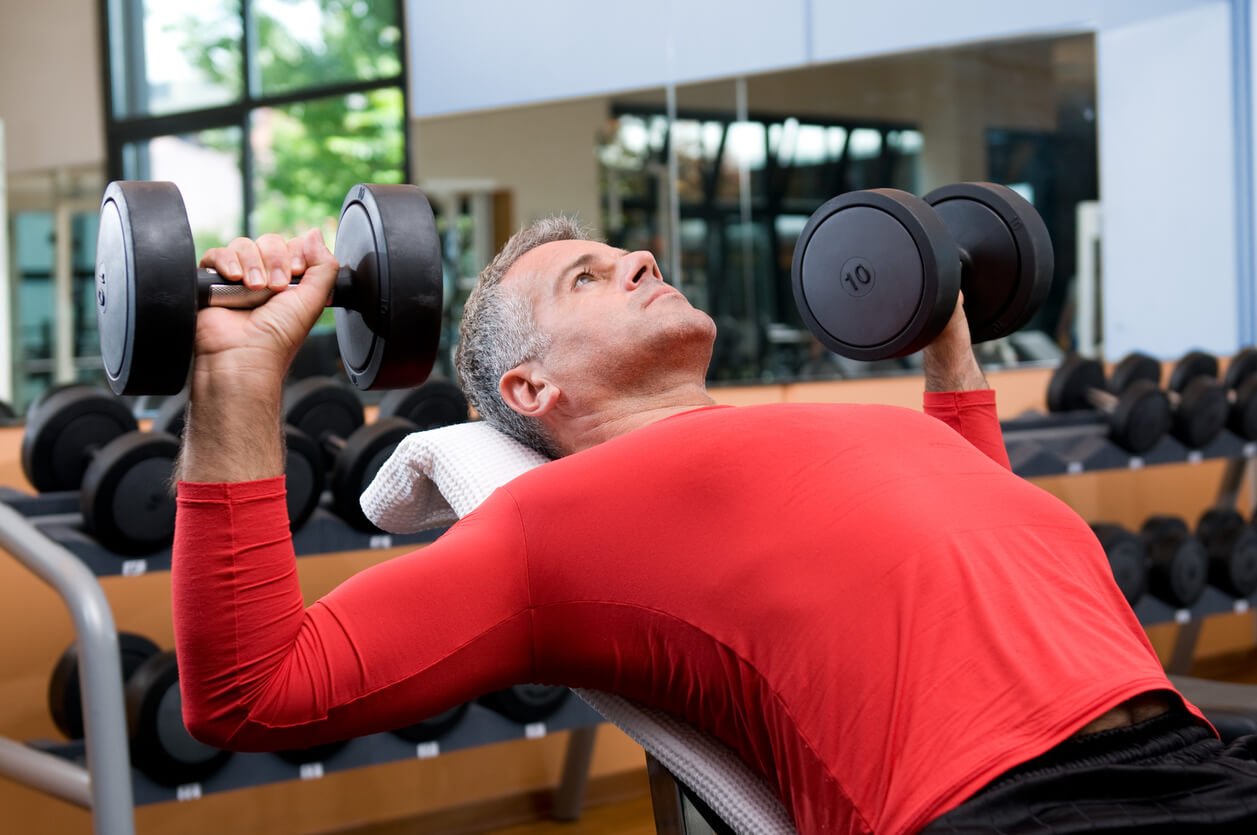
HGH therapy can offer a wide range of benefits for men over 40 who truly need it. These benefits usually build over time. Most men do not wake up one morning and feel completely different. Instead, they begin to notice steady improvements in the areas that had been slipping.
This often starts with better energy and better recovery. From there, men may notice improved endurance, stronger workouts, better muscle retention, easier fat loss, and a more positive outlook. Many men also report that they simply feel more like themselves again.
The major benefit areas often include physical performance, muscle health, body composition, emotional well-being, cognitive function, and sexual health. Each of these areas matters on its own, but together they shape how a man feels about his body and his life.
That is why HGH therapy can feel so meaningful for the right patient. It is not only about appearance. It is about function, confidence, resilience, and quality of life.
The Benefits of HGH Therapy for Men Over 40 for Strength and Endurance
Many men over 40 notice that their stamina drops before anything else. They get tired faster in the gym. Their workouts feel flatter. Activities that once felt easy begin to feel like work.
HGH plays an important role in repair, recovery, and physical performance. When levels are low, the body may not recover efficiently between workouts or daily physical stress. This can make strength training less productive and endurance harder to maintain.
With proper treatment, many men begin to notice improved workout tolerance and better exercise capacity. They may feel less worn down after activity. They may be able to train more consistently. They may also notice that strength and conditioning efforts begin producing better results again.
This matters far beyond the gym. Better strength and endurance can improve how a man moves through daily life. Climbing stairs feels easier. Long workdays feel less draining. Recreational sports become more enjoyable. Physical activity stops feeling like such a struggle.
For men who want to stay active and strong as they age, this is one of the biggest reasons HGH therapy can make such a noticeable difference.
The Benefits of HGH Therapy for Men Over 40 for Muscle Gain and Retention
One of the most frustrating changes many men experience after 40 is the loss of muscle. Even men who keep lifting may feel like they are shrinking, softening, or losing shape. Building new muscle often becomes harder, while holding onto existing muscle becomes a constant battle.
HGH supports lean muscle and helps the body maintain a more favorable balance between muscle and fat. When HGH support is too low, muscle mass can decline and the body may become less responsive to training.
HGH therapy may help men better retain lean mass and support healthier muscle development when it is combined with smart training, good nutrition, and consistent follow-up care. That can mean more visible muscle tone, improved firmness, and better functional strength.
This is not just about looking better in the mirror, though many men are motivated by that as well. Muscle matters for metabolism, mobility, balance, and long-term healthy aging. Men with better muscle retention often feel stronger, steadier, and more capable in everyday life.
For men over 40, preserving muscle is one of the most important parts of staying active and independent. HGH therapy can be an important part of that effort when low HGH is part of the problem.
The Benefits of HGH Therapy for Men Over 40 for Weight Loss
Weight gain after 40 can feel relentless. Many men notice that the same diet and the same activity level no longer give them the same results. Fat, especially around the midsection, becomes harder to lose and easier to gain.
This shift is often tied to changes in metabolism, lean mass, recovery, sleep, and hormones. HGH can influence several of these areas. When growth hormone support falls, body composition often shifts in the wrong direction. Men may gain abdominal fat while losing muscle at the same time.
That combination makes weight management even harder. Less muscle can mean a slower metabolic pace. More fat can make men feel heavier, less energetic, and less likely to stay active.
HGH therapy may provide enhanced weight loss and healthier body composition by helping reduce body fat while supporting lean mass. For many men, this creates better momentum. As body composition improves, workouts feel better, energy improves, and healthy habits become easier to maintain.
It is important to be realistic here. HGH therapy is not a magic weight-loss shortcut. But for the right patient, it can help make weight loss efforts more productive and more sustainable. When paired with medical guidance, exercise, sleep support, and nutrition, it can help men break out of the cycle where they keep doing the work but do not see the payoff.
The Benefits of HGH Therapy for Men Over 40 for Cognitive and Emotional Health
Aging is not just physical. Many men over 40 also notice mental and emotional changes when hormones begin to shift. They may feel foggy, less focused, less motivated, or more emotionally flat than before.
Low HGH has been associated with reduced well-being, lower energy, and changes in mood and mental sharpness. Some men say they feel less driven. Others say they feel mentally tired all day, even when they try to rest. Some feel more withdrawn or less engaged than they used to be.
HGH has been shown to support better mental energy, clearer thinking, and improved overall brain health. Better sleep, better exercise tolerance, and better body composition can also strengthen emotional health.
The result is often more than just better focus. Men may feel more present, more motivated, and more connected to daily life again. They may have a better sense of confidence and forward momentum.
That kind of change matters. When a man feels stronger in both body and mind, he often becomes more consistent in every other part of his health plan.
The Benefits of HGH Therapy for Men Over 40 for Sexual Well-Being
Sexual well-being is closely tied to energy, confidence, body composition, mood, and hormone balance. When any of these areas starts to break down, sexual health often suffers too.
Men with low HGH may notice they feel less interested, less energetic, and less confident. They may not feel as physically responsive or as mentally engaged. Sometimes the issue is not just desire. It is that the man no longer feels good in his own body.
HGH therapy can help support sexual well-being by improving some of the underlying factors that affect it. Better energy, stronger mood, improved body composition, and better overall vitality can all help a man feel more like himself again.
This is also where the bigger hormone picture matters. Many men over 40 with age-related HGH loss may also have low testosterone. If both issues are present, addressing only one may leave important gains on the table. When therapy is properly matched to the patient, the results can be much more complete.
For many men, sexual well-being improves not because one symptom changed in isolation, but because the whole system started working better again.
How Soon Before I Can Expect to See Benefits of HGH Therapy?
This is one of the most common questions men ask, and the answer is that benefits usually come in stages.
Some men begin to notice subtle changes within the first several weeks. This may include better sleep, improved recovery, a little more stamina, or a small shift in energy. These early changes may feel mild at first, but they are often a sign that the body is beginning to respond.
More visible body composition changes usually take longer. Improvements in muscle tone, fat loss, strength, and endurance often build over the following months. Cognitive and emotional benefits may also become more noticeable as the body begins to perform more efficiently.
The most important thing is to think in terms of steady progress, not overnight change. HGH therapy works through consistency. Men who stay engaged with treatment, follow their plan, and keep up with monitoring are the ones most likely to see the best results.
Patience matters, but so does expert management. The right dose, the right follow-up, and the right overall plan can make a major difference in how smoothly and effectively treatment works.
How Long Will I Have to Be on HGH Therapy?
That depends on your diagnosis, your response to treatment, and your long-term goals. For many men, HGH therapy is not a very short-term program. If the body is not producing enough growth hormone support on its own, ongoing treatment may be needed to maintain the benefits.
Some men think of hormone treatment as a reset. In reality, it is often more like a long-term support strategy. If treatment is stopped, the benefits may gradually fade and old symptoms may return.
That does not mean the plan never changes. Good treatment is dynamic. It involves regular monitoring, symptom review, lab work, and adjustments when needed. The goal is always to keep therapy appropriate, effective, and well matched to the patient over time.
Men who approach HGH therapy with a long-term mindset usually do best. They understand that the goal is not a temporary spike. The goal is better function, better aging, and better quality of life over the years ahead.
Is HGH Therapy Ever Combined with Other Hormone Therapies for Men?
Yes. In many cases, it is.
Men over 40 who have age-related HGH loss often also show signs of low testosterone. The two problems can overlap in a big way. Both can affect energy, recovery, body composition, mood, motivation, strength, and sexual well-being.
That is why many men are evaluated for more than one hormone issue at the same time. If both HGH and testosterone support are low, a treatment plan may include both HGH therapy and testosterone replacement therapy.
This combination can be especially helpful because the two therapies may support different but connected parts of male health. HGH can help with recovery, lean mass support, metabolism, and overall vitality. Testosterone can help support drive, strength, sexual health, performance, and confidence. Together, they may create more complete and more noticeable results for the right patient.
This does not mean every man needs both. It means treatment should match the real hormone picture. When care is individualized, men do not have to settle for partial progress. They can address the full set of hormone issues that may be holding them back.
For many men over 40, this combined approach becomes a powerful strategy for renewed vitality, improved performance, and a stronger sense of control over the aging process.
We Are a Recognized Leader in HGH Therapy

Choosing the right provider matters just as much as choosing the right treatment. HGH therapy should never be approached casually. It requires experience, careful testing, individualized dosing, and ongoing follow-up to get the best results.
That is why working with a focused, experienced clinic can make such a difference. A specialized practice understands that the goal is not just to hand out a prescription. The goal is to build a real treatment plan that fits the patient, tracks progress carefully and supports meaningful results over time.
At The HGH Therapy Doctor, we understand that men over 40 are not looking for hype. They are looking for answers. They want to know why they feel different, what can be done about it, and how to move forward with confidence.
Our team focuses on thoughtful evaluation, personalized treatment, and long-term support. We look at symptoms, labs, goals, and the full hormone picture. We also understand that many men need more than a quick fix. They need a real partner in the process.
That is what sets expert care apart. It is not just about treatment access. It is about precision, experience, monitoring, and a plan designed to help you feel strong, capable, and fully engaged in your life again.
Our approach is built around proper lab testing, individualized treatment, close monitoring, and a clear focus on long-term results. We take the time to understand the full picture, which allows us to create a plan that is designed for your needs, not someone else’s.
Our singular mission is to help you feel stronger, leaner, more energetic, and more like yourself again with care that is responsive, informed, and focused on real progress. Contact us today to schedule a consultation with The HGH Therapy Doctor and learn how HGH therapy can help you keep enjoying all the things you love about life!
Frequently Asked Questions About HGH Therapy for Men
- Is HGH therapy the same thing as testosterone therapy?
No. HGH therapy and testosterone therapy are different treatments that address different hormone issues. They can overlap in the symptoms they affect, but they are not the same. Some men need one, while others may benefit from both as part of a more complete hormone plan.
- Can I take HGH therapy even if I still work out regularly?
Yes. In fact, many men who seek treatment are already trying to stay active. They eat fairly well, exercise consistently, and still feel like their body is not responding the way it used to. When low HGH is part of the issue, proper treatment may help those healthy efforts work better.
- Will HGH therapy help me look younger?
Many men feel that they look healthier, leaner, and more fit as treatment begins to improve body composition and vitality. The goal, though, is not to chase a fake version of youth. The goal is to help your body function better, recover better, and support healthier aging.
- Do I have to be severely unhealthy to qualify for HGH therapy?
No. Many men who explore treatment are still functioning well enough to get through work and daily life. The issue is that they no longer feel sharp, strong, lean, or resilient. You do not have to wait until symptoms become extreme to get evaluated.
- Can HGH therapy support my fitness goals even if my main concern is performance?
It can, especially when low HGH is affecting recovery, stamina, lean mass, and body composition. For the right patient, treatment may help support a stronger return on the effort already being put into training, sleep, and nutrition.
- Is HGH therapy only for men with pituitary disease?
No. While pituitary problems are one important cause of adult growth hormone deficiency, men may also be evaluated because of age-related decline, symptom patterns, and broader hormone changes. The key is proper medical assessment, not guesswork.
- What should I do if I think low HGH is affecting me?
The best next step is a full evaluation with a provider who understands male hormone health and HGH therapy. That allows you to review symptoms, assess lab findings, and determine whether HGH therapy, testosterone therapy, or a more complete hormone plan is the right fit.