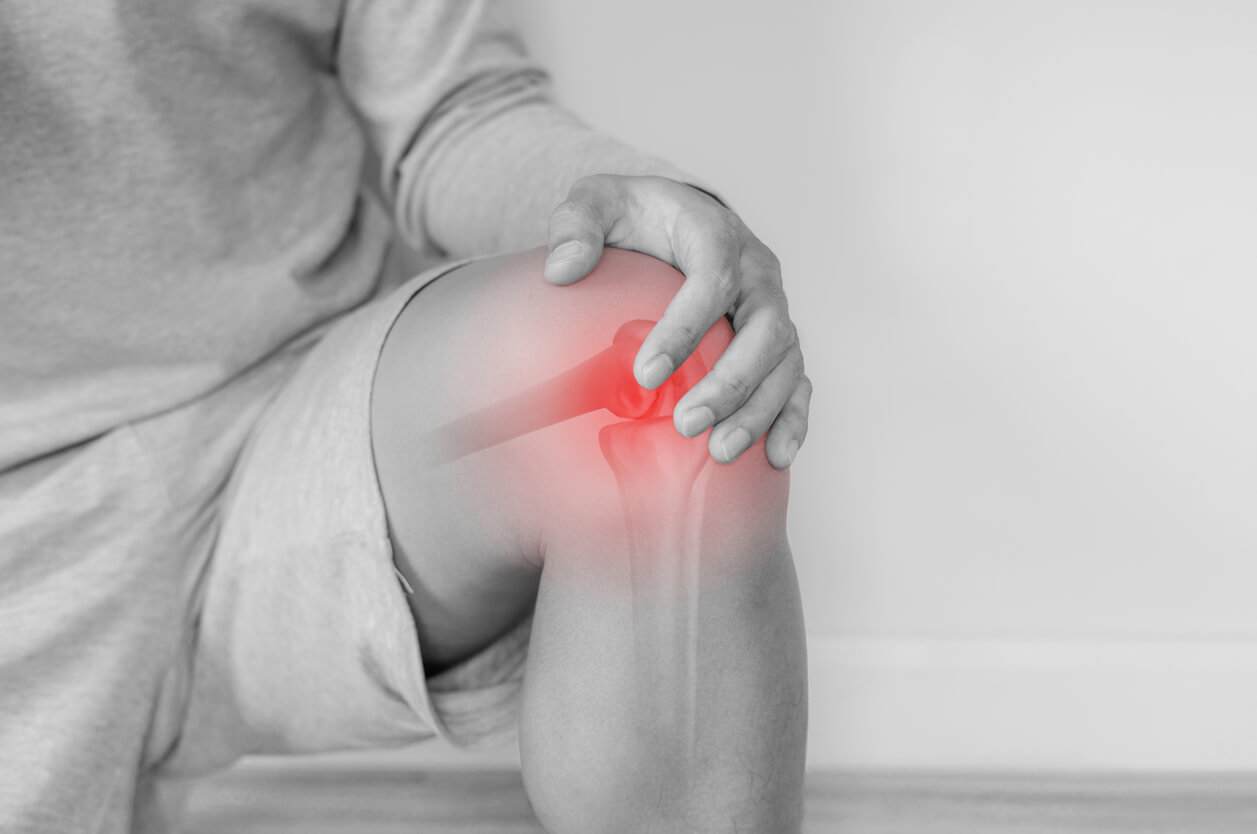
HGH and Joint Health: Why Everything Starts Hurting With Age
HGH and joint health are closely connected because growth hormone helps support many of the tissues involved in movement, repair, strength, and long-term mobility.
Joint pain has a way of making age feel more real. It may begin as a stiff knee in the morning, a sore shoulder after yard work, or a hip that complains after sitting too long. At first, many people blame it on an old injury, a harder workout, or simply getting older. Over time, however, the pattern becomes harder to ignore. The body no longer bounces back the way it once did. Small aches last longer. Swelling appears more easily. Exercise becomes less enjoyable because recovery feels unpredictable.
Human growth hormone, or “HGH,” is not a simple pain medicine. It is not taken the way someone might take an anti-inflammatory pill after a sore day. HGH is a hormone involved in tissue maintenance, muscle health, bone strength, body composition, metabolism, and repair. When adults have a true growth hormone deficiency, that deficiency can affect how the body feels and functions in broad ways. For some patients, joint discomfort is part of a larger picture that also includes fatigue, loss of strength, increased abdominal fat, slower healing, and a reduced sense of vitality.
The important point is that joint pain should not be treated casually or guessed at. Many things can make joints hurt, including arthritis, old injuries, tendon strain, inflammation, excess weight, low testosterone levels, low estrogen, thyroid problems, and poor recovery. HGH therapy may be appropriate for some adults with documented growth hormone deficiency, but it must be prescribed legally, monitored carefully, and used as part of a medically guided plan. The goal is not to chase youth or cover up pain. The goal is to understand why the body is struggling and whether hormone optimization can help restore better function.
Why Does Everything Start to Hurt With Age?
Many adults reach a point where the same body that once tolerated long days, heavy lifting, sports, travel, and exercise starts to feel less forgiving. This does not always happen suddenly. It often happens through small changes that slowly collect. Knees feel tight going downstairs. Hands feel stiff in the morning. The lower back takes longer to loosen. Shoulders ache after sleeping in the wrong position. A short walk that used to feel refreshing may leave the hips or ankles sore the next day.
Part of this is mechanical. Joints have endured years of movement, impact, posture habits, and sometimes injury. Cartilage may thin. Tendons and ligaments may lose some flexibility. Muscles that once protected the joints may weaken if activity levels drop. Extra body weight can increase stress on the knees, hips, feet, and lower back. Even mild changes in gait or balance can shift pressure into places that were not designed to carry it.
Aging also changes the “internal environment” that supports repair. Hormones that help maintain muscle, bone, connective tissue, sleep quality, and metabolic health may decline. Inflammation may become easier to trigger and slower to calm. Blood flow, nutrient use, and protein turnover may not work with the same efficiency. The result is that joints can become more sensitive, not only because the joint itself has changed, but because the whole support system around the joint is less resilient.
That is why joint health should be viewed as more than a cartilage issue. A painful joint is often surrounded by weak muscle, tight soft tissue, poor movement patterns, excess inflammation, or hormonal changes that reduce repair capacity. When a patient says everything hurts, the answer is rarely one single cause. The better question is what combination of age-related changes is making the body less able to absorb stress and recover from it.
Can Human Growth Hormone Help With Joint Pain?
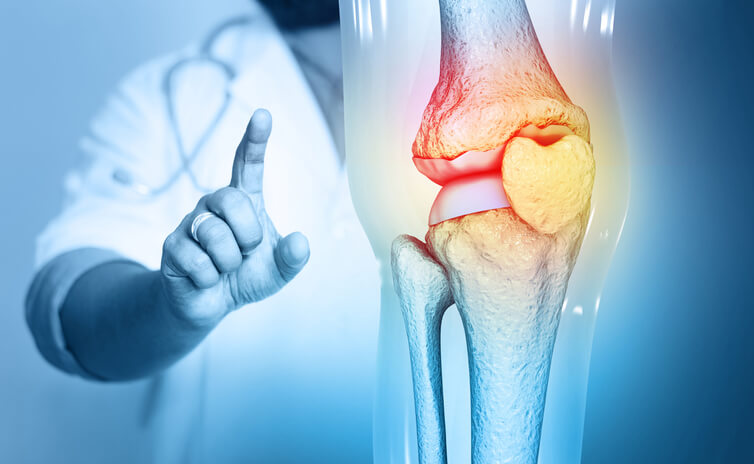
Human growth hormone may help some patients with joint pain when that pain is connected to medically confirmed growth hormone deficiency, poor tissue recovery, reduced lean muscle, low bone density, or broader hormone decline. That does not mean HGH is a direct cure for arthritis or an all-purpose joint pain treatment. It means that, in the right patient, improving a true deficiency may help the body support the structures that keep joints stable and functional.
Growth hormone plays a role in the maintenance of muscle, bone, and connective tissue. These tissues matter because joints do not work alone. A knee depends on the strength of the thigh and hip muscles. A shoulder depends on the rotator cuff, upper back, and surrounding tendons. A spine depends on core strength, posture, disc health, and balanced movement. When the support system weakens, joints often feel worse even if the joint surface itself is not the only problem.
For adults with proven age-related growth hormone deficiency (AGHD), HGH therapy may support better lean body mass, improved exercise tolerance, stronger connective tissue support, and better recovery from normal physical stress. Some patients report that they move more comfortably because their body feels better supported. Others notice that they can return to activity with less lingering soreness. These changes usually develop gradually and are best understood as functional improvement rather than instant pain relief.
It is also important to be honest about limits. If a joint is severely damaged, unstable, infected, or structurally worn down, HGH will not rebuild it into a normal joint. If pain is caused by an acute tear, fracture, autoimmune disease, or advanced osteoarthritis, that condition needs proper diagnosis and treatment. HGH may be one part of care only when a qualified provider determines that growth hormone deficiency is a meaningful contributor to the patient’s overall condition.
What Causes Joint Pain?
Joint pain can come from many sources, and the location of the pain does not always tell the whole story. Pain inside the knee may come from cartilage wear, but it may also come from tendon irritation, hip weakness, poor foot mechanics, inflammation, or extra weight. Shoulder pain may come from the joint, the rotator cuff, the neck, or years of posture and overuse. Hand pain may be related to arthritis, nerve issues, inflammation, or repetitive strain.
One common cause is osteoarthritis, which occurs when the joint surface and surrounding tissues change over time. This can lead to stiffness, aching, reduced range of motion, and pain with use. Another cause is injury. A sprain, tear, fracture, or old sports injury can leave lasting weakness or instability, even after the original injury seems healed. Tendons and ligaments can also become irritated when they are asked to do too much work without enough strength or recovery.
Inflammation is another major factor. Some inflammation is part of normal healing, but chronic inflammation can keep joints irritated. Diet, sleep loss, excess body fat, stress, autoimmune conditions, and metabolic problems can all affect inflammatory load. When inflammation is high, joints may feel swollen, warm, stiff, or unusually sensitive.
Hormones can also influence joint comfort. Testosterone helps support muscle mass and strength in men and women. Estrogen plays an important role in joint tissues, bone health, and inflammation control, especially for women during and after menopause. Thyroid hormones affect metabolism, energy, and tissue function. As we have already said, growth hormone helps support repair and body composition. When one or more of these systems is low, the body may lose some of the internal support that helps joints tolerate daily life.
How Can HGH Injections Be Used to Treat Joint Pain?
HGH injections are used only when a licensed medical provider determines that treatment is appropriate. The process starts with evaluation, not with medication. A patient with joint pain should first have a careful review of symptoms, medical history, prior injuries, current medications, activity level, body composition, and possible hormone-related signs. Lab testing may be used to evaluate growth hormone activity and related markers, along with other hormone or metabolic issues that may affect pain and recovery.
For joint-related concerns, the treatment plan should also include practical support. That may mean strength training, weight management, better sleep, anti-inflammatory nutrition, mobility work, or physical therapy when needed. HGH may help improve the body’s recovery environment, but joints still need smart movement and mechanical protection. A stronger, better-balanced body often places less stress on painful areas.
Progress should be measured over time.. Follow-up lab work and symptom reviews allow the provider to adjust the plan. The safest use of HGH is never casual or automatic. It is structured, prescribed, monitored, and revised based on how the patient responds.
Can Age-Related Growth Hormone Deficiency Cause Joint Pain?
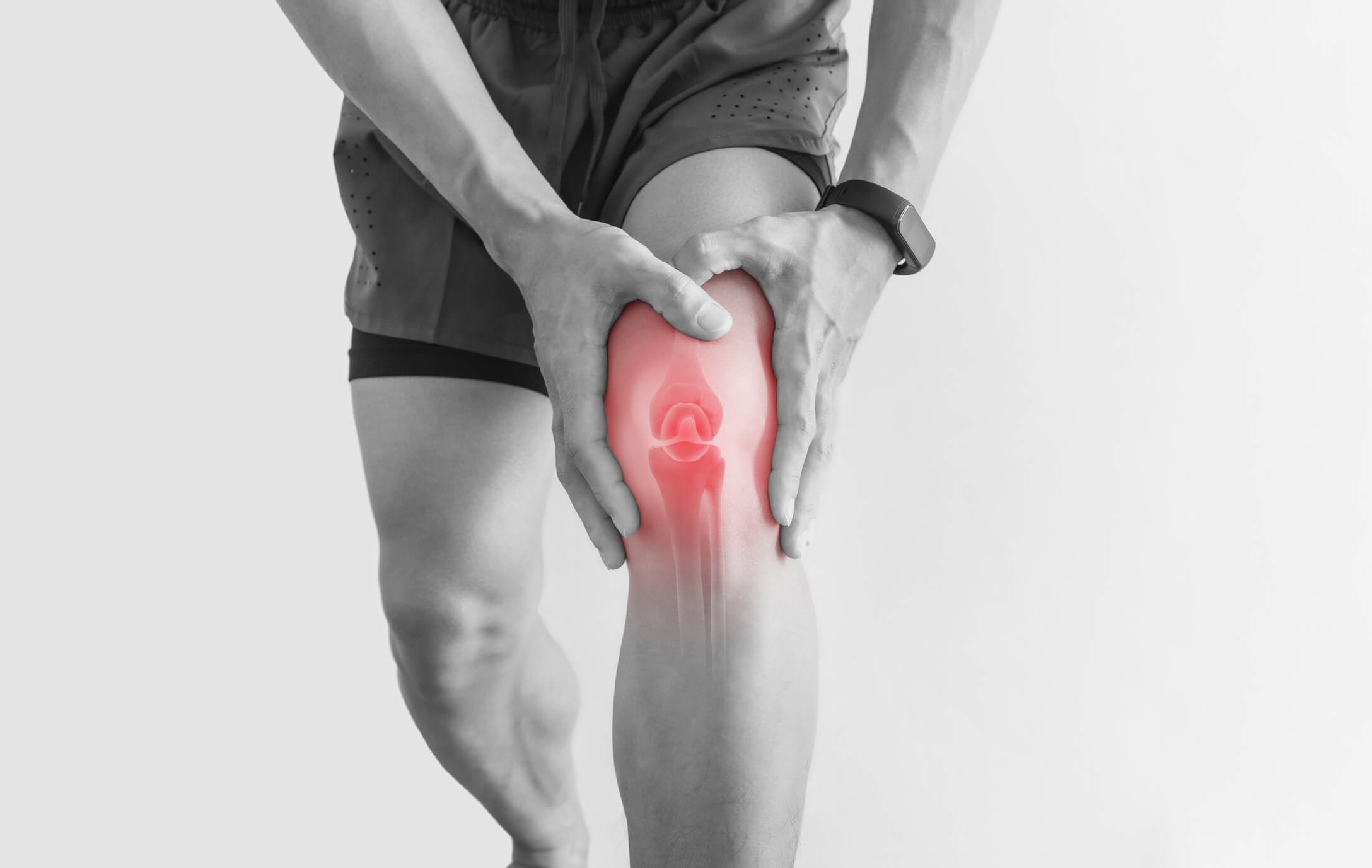
With a true diagnosis of AGHD, your body may become less efficient at maintaining lean tissue. Muscle loss matters because muscle acts like living shock absorption around the joints. Stronger muscles help control motion, reduce strain, and protect joint surfaces. When muscle fades, joints often take more direct pressure. This can make existing arthritis or old injuries feel worse.
Low growth hormone may also affect recovery. A patient may feel that soreness lasts longer than it should, that minor strains linger, or that exercise creates more discomfort than benefit. This can lead to a cycle of less movement, more weakness, more weight gain, and greater joint stress. In that cycle, pain is not just a symptom. It becomes a barrier that causes further decline.
Still, joint pain alone does not prove growth hormone deficiency. Many people with joint pain have normal growth hormone function. Others may have low testosterone, menopause-related estrogen decline, thyroid imbalance, inflammatory arthritis, or mechanical joint damage. That is why testing and medical interpretation are so important. HGH therapy should be considered only when clinical evidence supports it.
Do I Need a Prescription to Get HGH For Joint Pain?
Yes. In the United States, HGH requires a valid prescription from a licensed medical provider. It should not be bought from unverified websites, overseas sellers, fitness contacts, social media ads, or anyone offering hormone injections without proper testing and medical oversight. If a source promises HGH with no prescription, that is a serious warning sign.
This matters for legal reasons and health reasons. Real HGH is a powerful prescription medication. It can affect fluid balance, glucose metabolism, soft tissue, nerves, and other hormone systems. It may not be appropriate for people with certain medical histories, and it should be used with caution in older adults or patients with complex health risks. The only safe path is a legitimate medical evaluation followed by a prescription when clinically appropriate.
A prescription also helps protect patients from counterfeit or contaminated products. The hormone market is full of products that claim to be HGH but are not legitimate prescription medication. Some are mislabeled supplements. Some contain unknown ingredients. Some may be underdosed, overdosed, or unsafe. A licensed pharmacy and a proper prescription are essential.
Always keep in mind that joint pain by itself may not qualify someone for HGH therapy. A provider must determine whether growth hormone deficiency or another medical reason is present. This protects the patient from being treated for the wrong problem. It also ensures that the plan is based on the body’s actual needs, not on marketing claims.
Besides Joint Pain, What are Some Other Symptoms of GHD?
Adult growth hormone deficiency can affect more than joints because growth hormone is involved in body composition, strength, energy, metabolism, and general wellbeing. Some adults with low growth hormone report persistent fatigue that does not improve with normal rest. Others notice reduced stamina, lower exercise capacity, or a sense that their body has lost its usual drive.
Changes in body composition are also common. Patients may gain fat around the midsection even when their habits have not changed much. They may lose lean muscle or feel softer and weaker than they used to. Clothes may fit differently. Workouts may produce fewer results. This can be frustrating because the change often feels out of proportion to diet and activity.
Growth hormone deficiency may also be associated with reduced bone density, unfavorable cholesterol changes, reduced sense of wellbeing, and lower quality of life. Some patients describe mood changes, lower motivation, or a general feeling that their body is not functioning at its normal level. These symptoms can overlap with many other conditions, which is why a full evaluation matters.
For joint health, the broader symptom pattern is often more useful than one isolated complaint. A patient with joint pain, fatigue, muscle loss, abdominal weight gain, slow recovery, and reduced exercise tolerance may need a more complete hormone review. The goal is to identify the pattern, confirm what is happening through appropriate testing, and create a plan that treats the cause rather than chasing each symptom separately.
How Do I Get a Prescription for HGH Therapy for Joint Pain?
The first step is to schedule a medical consultation with a provider who understands hormone evaluation in adults. During that visit, the provider should ask about the joint pain itself, including where it occurs, how long it has been present, what makes it better or worse, and whether there is swelling, instability, numbness, weakness, or loss of function. That information helps determine whether the pain looks mechanical, inflammatory, hormonal, or mixed.
Lab testing is the next step when appropriate. Testing may include hormone markers, metabolic markers, and other blood work used to understand whether growth hormone deficiency or another imbalance may be present. Depending on the patient’s symptoms, the provider may also recommend imaging, orthopedic evaluation, physical therapy, or additional testing to rule out structural joint problems.
If the patient qualifies, the provider can prescribe HGH through a licensed pharmacy and explain how to use it safely. Follow-up is part of the prescription process. The provider should monitor symptoms, lab results, side effects, dose response, and overall progress. This is what separates legitimate HGH therapy from unsafe hormone sales. The prescription is not the finish line. It is the start of a medically supervised plan.
Are There Other Hormone Deficiencies That Could Contribute to Joint Pain?

Yes. Growth hormone is important, but it is not the only hormone that may affect joint comfort, strength, and mobility. Many adults with joint pain have more than one factor involved. A careful hormone evaluation can help determine whether HGH, testosterone, estrogen, thyroid function, cortisol patterns, or other systems are contributing to the way the body feels.
Testosterone helps support lean muscle, strength, bone density, and physical resilience. Low testosterone can leave joints less protected because the muscles around them may weaken. Men often think of testosterone only in terms of libido or energy, but it also plays a role in the musculoskeletal system. Women also produce testosterone in smaller amounts, and low levels may affect strength, motivation, and body composition.
Estrogen is especially important for women. During perimenopause and menopause, falling estrogen can be associated with joint stiffness, tendon sensitivity, changes in inflammation, and reduced bone protection. Many women are surprised when joint aches appear around the same time as sleep changes, hot flashes, mood shifts, and weight gain. In that setting, joint pain may be one piece of a larger hormone transition.
Thyroid problems can also affect muscles and joints. Low thyroid function may cause stiffness, aches, swelling, fatigue, and weight gain. High cortisol from chronic stress may interfere with sleep, recovery, blood sugar, and inflammation control. Because these systems interact, treating only one hormone without looking at the rest can miss the bigger picture. Joint pain often improves most when the body is evaluated as an integrated system.
Is HGH Therapy Ever Combined With Other HRT to Improve Joint Health
HGH therapy may be combined with other forms of hormone replacement therapy when testing and symptoms show that more than one deficiency is present. This is not done to create an aggressive hormone stack. It is done to correct documented imbalances in a controlled and medically reasonable way. The purpose is to help the body regain better support for strength, metabolism, recovery, and daily function.
For some men, HGH therapy may be considered alongside testosterone replacement therapy when both growth hormone deficiency and low testosterone are confirmed. In that situation, testosterone may help improve muscle strength, energy, libido, and body composition, while HGH may support recovery, tissue maintenance, and metabolic health. The combined plan should be monitored carefully because each hormone has its own dosing needs, benefits, and risks.
For some women, HGH therapy may be considered as part of a broader hormone plan that also addresses estrogen, progesterone, or testosterone when appropriate. This is especially relevant for women whose joint symptoms developed alongside other signs of menopause or hormone decline. Restoring balance may help support comfort, sleep, strength, and the ability to remain active.
The key is personalization. Combining therapies should never mean adding hormones until symptoms disappear. It should mean identifying what is low, what is high, what is safe, and what the patient actually needs. A responsible provider will start with evaluation, prescribe only when appropriate, and adjust treatment based on response. For joint health, the best outcomes often come from pairing hormone care with strength, mobility, nutrition, and healthy weight management.
Why Come to The HGH Therapy Doctor for Age-Related Hormone Issues?
The HGH Therapy Doctor works with adults who want a serious medical evaluation, not a rushed sales pitch or a one-size-fits-all hormone plan. Joint pain can be frustrating because patients are often told it is just aging, just arthritis, or just something they have to live with. Sometimes that is only part of the story. When joint discomfort appears with fatigue, weakness, stubborn weight gain, poor recovery, and lower vitality, age-related hormone decline may deserve a closer look.
Our process begins with listening. We want to understand how pain is affecting your actual life, your work, your exercise, your sleep patterns and your overall confidence in your physical abilities. From there, we look for patterns that may point toward growth hormone deficiency or another hormone imbalance. When testing supports treatment, we can help qualified patients access legal, prescription HGH therapy through proper medical channels.
If you are dealing with joint pain along with other signs of age-related hormone decline, you do not have to guess your way through it. The HGH Therapy Doctor can help you find out whether HGH therapy, another form of hormone replacement, or a broader treatment plan may be right for you. Contact The HGH Therapy Doctor today to schedule a consultation and take the next step toward better movement, better recovery, and a more complete understanding of your hormone health.
Frequently Asked Questions About HGH and Joint Health
Can HGH rebuild damaged cartilage?
HGH should not be viewed as a guaranteed way to rebuild damaged cartilage. Cartilage loss, arthritis, and structural joint damage are complex problems that may require orthopedic care, physical therapy, weight management, medication, injections, or surgery in advanced cases. HGH may help qualified patients with growth hormone deficiency support tissue maintenance, muscle strength, and recovery, but it is not a stand-alone cartilage repair treatment. The first step is finding out why the joint hurts.
How long does it take to notice joint-related benefits from HGH therapy?
HGH therapy works gradually. Patients who qualify may begin noticing changes in energy, recovery, body composition, or exercise tolerance over several months, but joint comfort can vary widely. Some patients feel better because they move better, sleep better, or regain strength around painful joints. Others may need physical therapy or orthopedic treatment in addition to hormone care. Progress depends on the cause of the pain, the severity of joint damage, dosing, health habits, and follow-up monitoring.
Can HGH make joint pain worse?
Yes, it can in some cases, especially if the dose is too high or the patient is sensitive to fluid retention. Possible side effects may include swelling, stiffness, joint discomfort, numbness, or carpal tunnel-like symptoms. This is one reason HGH should never be used without medical supervision. A responsible provider will monitor symptoms and lab results and adjust the dose when needed. The goal is safe correction of deficiency, not excessive hormone exposure.
Is HGH therapy safe for older adults with joint pain?
HGH therapy may be appropriate for some older adults, but it requires careful evaluation. Age, medical history, blood sugar, cancer history, medications, heart health, and other risk factors must be reviewed before treatment. Older adults may also be more sensitive to side effects such as swelling or glucose changes. Safety depends on proper patient selection, conservative dosing, legal prescribing, licensed pharmacy medication, and consistent follow-up. No one should start HGH simply because they have aches and pains.
Should I try HGH before seeing an orthopedic doctor?
Not if you have severe pain, sudden swelling, injury, joint instability, weakness, numbness, fever, or major loss of function. Those symptoms need prompt medical attention. Hormone evaluation is most useful when joint pain is part of a broader pattern of age-related decline, fatigue, poor recovery, muscle loss, weight gain, or low vitality. In many cases, the best plan may involve both orthopedic insight and hormone testing. The right order depends on your symptoms.
Can HGH help with tendon or ligament problems?
HGH is involved in tissue maintenance and repair, so patients often ask about tendons and ligaments. For a qualified patient with growth hormone deficiency, therapy may help create a better internal recovery environment. However, tendon and ligament injuries still need proper diagnosis, load management, rehabilitation, and time. HGH should not be used to push through an injury or avoid appropriate care. It may support the larger recovery picture only when medically indicated.
Is joint pain enough to qualify for HGH therapy?
Usually, no. Joint pain alone is not enough to justify HGH therapy. A prescription should be based on a full medical evaluation, symptoms consistent with hormone deficiency, appropriate lab findings, and a provider’s clinical judgment. Many joint problems have nothing to do with growth hormone. The purpose of testing is to identify whether HGH deficiency is actually part of the problem or whether another diagnosis, hormone imbalance, or treatment path makes more sense.