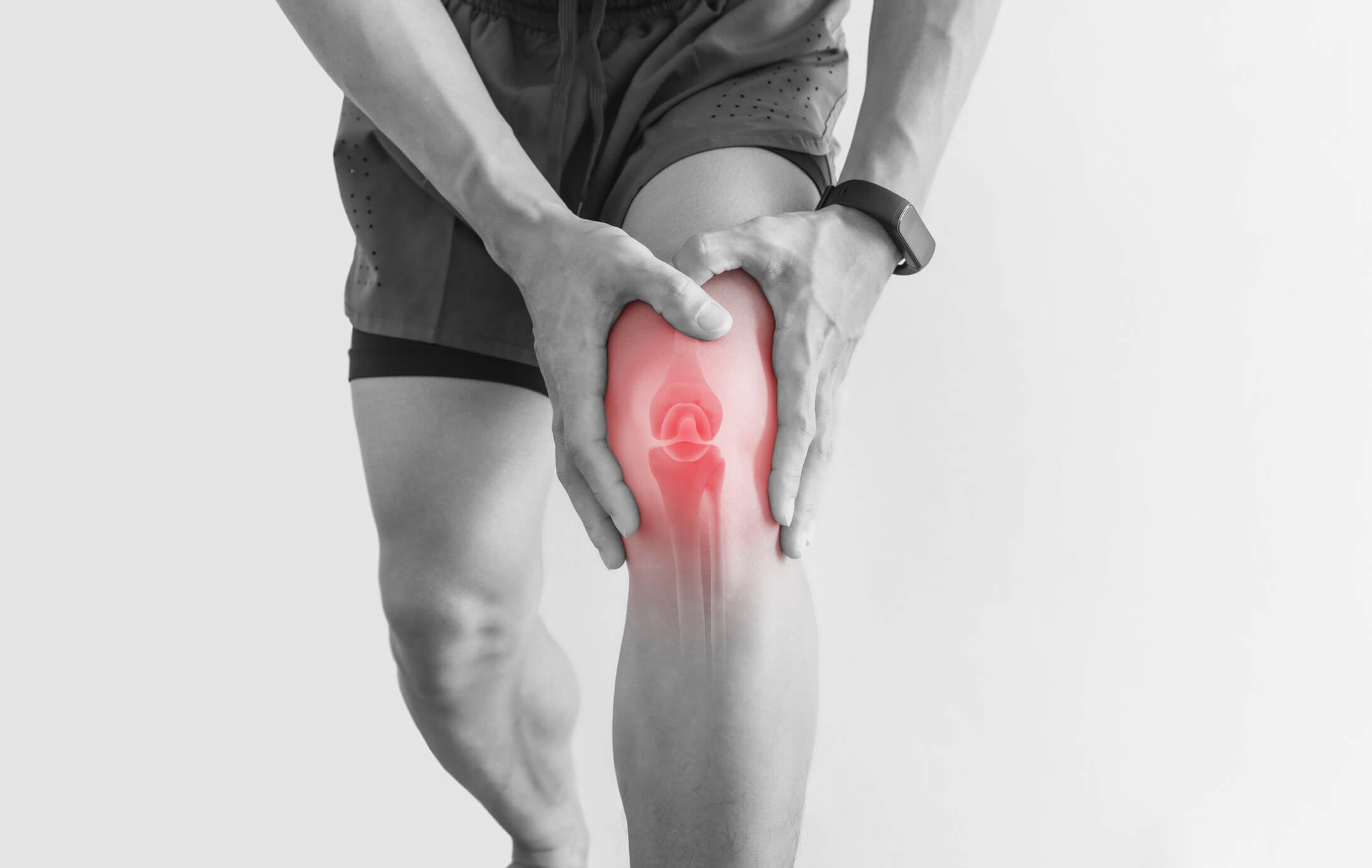
BPC-157 is a peptide that may help support the body’s natural repair response, reduce inflammation, and improve comfort in painful joints and injured soft tissues.
BPC-157 has gained attention as a peptide that may support healing in joints, tendons, ligaments, and other soft tissues. It is often discussed by adults who want another option for nagging joint pain, sports injuries, or slow recovery. One reason for this interest is the role BPC-157 may play in the body’s healing response to inflammation and tissue damage.
Research on BPC-157 has produced encouraging findings, especially in laboratory and animal studies. Human research is still limited, so no responsible provider should promise a specific result. Treatment should be based on the individual, the source of the pain, medical history, and a careful evaluation.
For the right patient, BPC-157 may be considered as part of a broader plan designed to reduce pain, support healing, improve movement, and help the patient return to normal activity.
What Is BPC-157?
BPC-157 is a small chain of amino acids known as a peptide. Amino acids are the building blocks the body uses to make proteins. Peptides act as signals that can influence many normal processes in the body.
BPC stands for “Body Protection Compound.” BPC-157 is based on a peptide sequence linked to protective proteins found in the digestive system. Researchers became interested in it because of the way it appeared to support tissue protection and repair in early studies.
Much of the attention around BPC-157 today involves injuries to muscles, tendons, ligaments, and joints. Research has suggested that the peptide may influence several parts of the healing process. These include blood flow to injured tissue, new blood vessel growth, collagen activity, and the body’s response to inflammation.
This does not mean BPC-157 simply “heals” every injury. Joint and soft tissue pain can have many causes. A worn joint is different from a torn tendon. A new sports injury is different from years of arthritis. Treatment needs to begin with an understanding of what is causing the pain.
What Causes Joint Pain in Most Older Adults?
Joint pain becomes more common as we get older because the body changes over time. Cartilage may become thinner. Muscles may lose strength. Tendons and ligaments can become less flexible. Past injuries may also leave areas that are easier to irritate.
A major part of many painful joint conditions is inflammation.
Inflammation is part of the body’s normal response to stress or injury. When tissue is damaged, the body sends chemical signals and immune cells to the area. This response can help begin the repair process. In the short term, that is useful.
The problem starts when inflammation lasts too long or becomes too strong. Ongoing inflammation can cause swelling, stiffness, warmth, tenderness, and pain. It can also make movement harder. When a joint hurts, people often use it less. That can weaken nearby muscles and reduce flexibility. The weaker and stiffer the area becomes, the more stress may be placed on the joint.
Inflammation can also be linked to arthritis, overuse, tendon problems, past injuries, excess body weight, and repeated stress on the same joint. In some cases, the pain is not coming from the joint itself. It may come from a tendon, ligament, muscle, or nearby nerve.
That is why finding the source of the problem matters. Reducing inflammation may improve comfort, but the best plan also addresses the reason that inflammation keeps returning.
How Does BPC-157 Help Improve Joint Health and Reduce Joint Pain?
The main reason BPC-157 is being studied for joint and soft tissue problems is its possible effect on inflammation and tissue repair.
When a joint or tendon is irritated, the body starts a complex repair response. Blood flow changes. Inflammatory signals rise. Repair cells move into the area. New tissue must form and organize. If this process becomes unbalanced, pain and swelling may continue even after the original injury should have improved.
BPC-157 appears to affect several parts of this process. Research suggests it may help calm certain inflammatory signals while also supporting the activity of cells involved in repair. It may also support blood vessel growth and blood flow in damaged tissue. Better circulation can help bring oxygen and nutrients to areas that need to heal.
This may be especially important in tendons and ligaments. These tissues do not receive as much blood flow as many muscles do. That is one reason tendon and ligament injuries can take a long time to heal.
BPC-157 has also been studied for its possible effects on collagen. Collagen is a major part of tendons, ligaments, cartilage, skin, and other connective tissues. During recovery, collagen fibers need to be produced and organized in a way that helps the injured area regain strength.
For a patient with joint pain, these effects may translate into less irritation, easier movement, and better tolerance for activity. However, response varies. BPC-157 is not a painkiller that simply blocks pain for a few hours. The goal is to support the conditions that allow damaged or irritated tissue to recover.
That difference matters. If pain comes from an injury that still needs protection, major structural damage, or a condition that requires another type of care, BPC-157 should not be used as a reason to ignore the problem or push through pain.
Is BPC-157 Good for Arthritis Pain?
Arthritis is one of the most common reasons adults develop ongoing joint pain. The most common type, osteoarthritis, develops as cartilage and other joint structures change over time. This can lead to stiffness, reduced motion, swelling, and pain.
Inflammation often contributes to arthritis symptoms. Even when wear and tear is part of the problem, irritated tissues inside and around the joint can produce inflammatory signals that make the area hurt more.
Because BPC-157 may help regulate inflammation, some patients are interested in it as an option for arthritis-related discomfort. The goal is not to claim that a peptide can rebuild a severely damaged joint or erase years of arthritis. Instead, treatment may be considered to help reduce irritation, support surrounding tissues, and make movement more comfortable.
A doctor should still determine how advanced the arthritis is and whether another treatment is needed. Severe loss of cartilage, major joint deformity, or pain caused by another condition may require a different approach.
Is BPC-157 Good for Back Pain?

Back pain is not one single condition. It can come from strained muscles, irritated joints, damaged discs, overworked tendons, poor movement patterns, arthritis, or nerve pressure. Because the causes are so different, the first step is finding out what is actually hurting.
BPC-157 may be considered when back pain has a soft tissue or inflammatory component. For example, an adult who repeatedly strains the same area or has chronic irritation around supporting tissues may be interested in a treatment designed to support recovery rather than simply mask discomfort.
Reducing inflammation can help make movement easier. That may allow the patient to participate more comfortably in stretching, strengthening, physical therapy, or other parts of a back care program.
However, BPC-157 is not a substitute for evaluating serious or persistent back pain. New weakness, numbness, loss of bladder or bowel control, fever, major trauma, or severe unexplained pain needs prompt medical attention.
For routine muscular or inflammatory back pain, a peptide program may be one part of care. The best results are more likely when treatment is paired with better movement, stronger supporting muscles, and changes that reduce repeated strain.
Is BPC-157 Good for Knee Pain?
The knee is one of the joints most often affected by age, arthritis, old injuries, excess stress, and sports-related wear. Knee pain may come from cartilage, tendons, ligaments, the kneecap, or other tissues around the joint.
BPC-157 is often discussed for knee pain because both inflammation and slow-healing soft tissues can play a role. Small human reports have also looked at BPC-157 in people with knee pain and found encouraging results, although the number of patients studied has been very small.
For some patients, the goal of treatment may be to reduce ongoing irritation and support the tissues around the knee. If pain improves, walking, exercise, and strengthening may become easier. Stronger leg muscles can then provide better support for the knee.
The cause of the pain still matters. A mild tendon problem, an overuse injury, and advanced arthritis are not the same condition. A doctor may recommend an exam and, when needed, imaging before deciding whether BPC-157 fits the treatment plan.
Is BPC-157 Good for Shoulder Pain?
Shoulder pain often develops because the shoulder is asked to move through a very wide range. Tendons and other soft tissues must work together every time you reach, lift, push, pull, or throw.
Common problems include tendon irritation, overuse, arthritis, strains, and injuries involving the rotator cuff. Inflammation can make these problems more painful and may limit motion. Once a person starts avoiding movement, the shoulder can also become stiff.
BPC-157 may be considered when inflammation and soft tissue recovery are important parts of the problem. Its possible effects on tendon repair make it especially interesting for people with nagging shoulder injuries that have been slow to settle down.
Treatment should still be matched to the injury. A complete tendon tear or major loss of shoulder function may need imaging or orthopedic care. BPC-157 cannot mechanically reconnect tissue that needs surgical repair.
For less severe problems, reducing irritation and supporting recovery may help a patient move more comfortably and get more from rehabilitation exercises. Restoring motion and strength remains an important part of long-term shoulder health.
Is BPC-157 Effective for Treating Tendon Tears and Other Sports Injuries?
Tendon injuries can be frustrating because tendons often heal slowly. They have less blood flow than many other tissues, and they are placed under tension every time the attached muscle works.
BPC-157 has received much of its attention from research involving tendon, ligament, and muscle injuries. Early studies suggest it may support new blood vessel growth, collagen activity, and tissue repair. These findings help explain why athletes and active adults have become interested in BPC-157 for injuries that do not seem to improve as quickly as expected.
Potential uses may include tendon irritation, mild strains, sprains, overuse injuries, and recovery from certain soft tissue injuries. The goal is to support healing while the injured area is protected and gradually returned to activity.
A peptide should not be used to rush a return to sports. Feeling better before the tissue has regained enough strength can create another injury. Rehabilitation still matters. In many cases, the patient needs a gradual plan for mobility, strength, balance, and sport-specific movement.
The size and location of a tendon tear also matter. Small or partial injuries may be managed very differently from a complete rupture. A severe tear may require an orthopedic evaluation and, in some cases, surgery.
BPC-157 is therefore best viewed as a possible part of a recovery plan rather than a replacement for proper diagnosis, rest, rehabilitation, and good return-to-activity decisions.
Other Benefits of BPC-157

Most people who ask about BPC-157 are interested in pain or injury recovery, but research has looked at several other possible effects.
Potential benefits being studied include:
- Supporting recovery of tendons, ligaments, and muscles
- Helping the body manage inflammation
- Supporting healthy blood flow to injured tissue
- Supporting collagen and connective tissue repair
- Helping protect tissues during the healing process
- Supporting recovery after exercise or physical strain
- Supporting digestive tissue health
- Helping injured areas regain normal function
These possible benefits are related to the same basic idea: BPC-157 appears to influence signals involved in protection and repair.
That does not mean every patient needs BPC-157 or will experience every possible benefit. A person seeking help for knee pain has different needs than an athlete recovering from a tendon injury. Treatment should have a clear goal.
Real Patient Experiences
Patients often become interested in BPC-157 after dealing with pain that has lasted for weeks, months, or even years. They may have tried rest, over-the-counter pain relievers, exercise changes, or physical therapy but still feel limited. Here are testimonials from some of our patient’s experiences with BPC-157.
“Knee pain had slowly taken away the things I enjoyed. Stairs were difficult, and I had stopped taking long walks. After starting my treatment plan, I noticed that the knee felt less irritated and I could move more comfortably. I was able to return to regular walks and start strengthening my legs again.” – Stephen R, Miami, FL
“I’m 48 and I had a shoulder problem that kept coming back every time I worked out. Rest helped for a while, but the pain always returned. With BPC-157 as part of my recovery plan, the shoulder gradually felt calmer and less stiff. I was able to work with my trainer and build back up without constantly feeling like I was starting over.” – Jonathan S, Chicago, IL
“I’m a runner and I injured a tendon and was frustrated by how slowly it was improving. What mattered most to me was being able to recover without rushing. Over time, the soreness decreased and I could do more of my rehab exercises. I eventually returned to the activities I had been avoiding.” – Gloria G, Los Angelas, CA
Experiences like these show what our patients usually care about most. They are not looking for a laboratory number. They want to walk without thinking about every step, sleep without being awakened by a sore shoulder, exercise without fear of another setback, or return to the activities that make them feel like themselves.
Keep in mind however, that individual results can differ. The source and severity of the injury, general health, activity level, age, and adherence to rehabilitation can all affect the outcome, but these experiences are similar to most of our patients with joint pain who have tried BPC-157.
How Do I Know if BPC-157 Is Right for Me?
BPC-157 may be worth discussing if joint or soft tissue pain is limiting your daily life and inflammation or slow recovery appears to be part of the problem.
Possible candidates may include adults with nagging knee, shoulder, or back discomfort; active adults recovering from strains or overuse injuries; people dealing with tendon or ligament problems; or patients whose joint pain makes it harder to stay active.
The decision should not be made from symptoms alone. Joint pain can sometimes signal a problem that needs a different type of treatment. A medical evaluation can help determine whether the pain is coming from arthritis, a tendon, a ligament, muscle tissue, a nerve, or another source.
Your doctor should also review your medical history, current medications, previous injuries, goals, and other treatments you are using. If imaging or another evaluation is needed, that should be considered before a plan is started.
It is equally important to have realistic goals. BPC-157 should not be viewed as a shortcut that makes severe damage disappear. The goal is to support the body’s repair response and help create better conditions for recovery.
Patients should also be willing to address the factors that caused or maintain the problem. That may mean changing a workout, improving strength and considering other therapies to lose excess weight.
A personalized plan is usually more useful than choosing a peptide simply because it is popular. The right question is not only, “Can BPC-157 help joint pain?” It is, “Does BPC-157 make sense for my kind of joint pain and my overall treatment plan?”
Why Come to The HGH Therapy Doctor for BPC-157 and Related Treatments
The best peptide treatment begins with knowing why you are in pain and what you want treatment to accomplish.
At The HGH Therapy Doctor locations in Boston, Chicago, Miami and nationwide, BPC-157 and related therapies are approached as personalized medical treatments, not one-size-fits-all products. The process begins with a consultation and health review. Your symptoms, injury history, current medications, activity level, and goals can all help determine whether peptide therapy may be appropriate.
The goal is not merely to make a painful area feel different for a few days. The goal is to help you recover, move better, return to activity, and protect your long-term health.
If joint pain, a tendon injury, or slow recovery is keeping you from the life you want to live, contact The HGH Therapy Doctor today. Schedule a consultation to learn whether BPC-157 or another personalized treatment may be a good fit for your needs.