BPC-157 for Gut Health: What’s the Connection
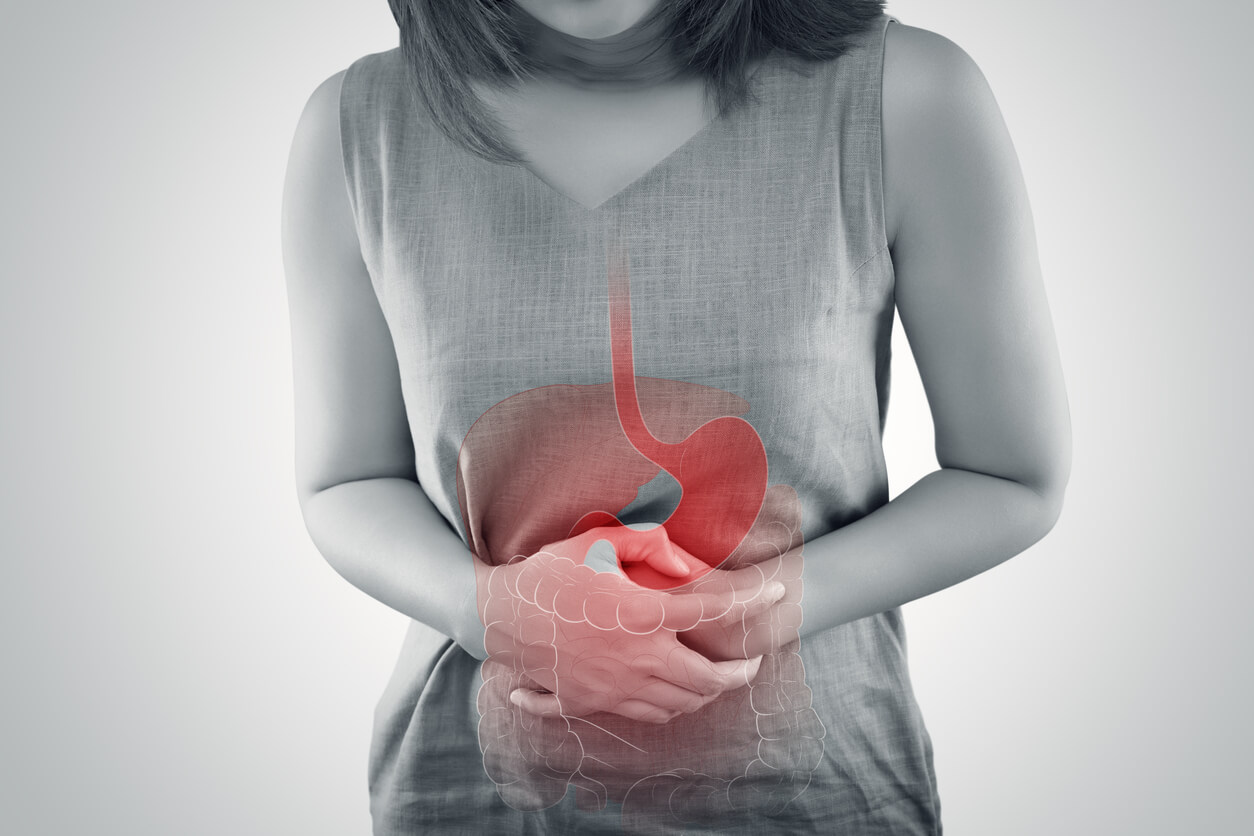
BPC-157 is a peptide that has been linked to improved gut health.
Your gut plays a major role in digestion, immune health, energy, inflammation, and overall wellness. When the digestive tract is not working as it should, the effects can reach far beyond an upset stomach. Poor gut health may affect how you feel, how well you absorb nutrients, and how your body responds to stress and inflammation.
This is one reason there has been growing interest in BPC-157 for gut health. BPC-157 is a peptide that has been studied for its possible role in protecting tissues and supporting the natural healing process. Much of the research on BPC-157 has focused on the stomach and intestinal tract. Studies have looked at its effects on stomach tissues, intestinal injuries, inflammation, ulcers, and other forms of digestive damage.
BPC-157 may also support tissue repair in other parts of the body. This has made it of interest to people looking for help with joint health, muscle recovery, inflammation, and overall healing.
BPC-157 is not a cure for digestive disease, and results can vary from one person to another. However, under the guidance of an experienced doctor, peptide therapy may be one part of a larger plan designed to improve gut health, reduce inflammation, and support better health from the inside out.
What is the Gut Microbiome?
The gut microbiome is the large community of bacteria and other tiny organisms that live inside your digestive system.
Not all bacteria are harmful. In fact, many of the bacteria living in your gut perform jobs that are important to your health. They help break down food, produce certain nutrients, support the immune system, and help keep harmful organisms under control.
A healthy gut normally has many different types of helpful bacteria living together in balance.
Problems can occur when that balance changes. Diet, illness, stress, medications, lack of sleep, alcohol use, and other factors may affect the mix of bacteria living in the digestive tract.
When harmful bacteria become too common or helpful bacteria decline, some people may experience digestive symptoms such as gas, bloating, changes in bowel habits, or stomach discomfort.
The gut microbiome is only one part of gut health. The condition of the stomach and intestinal lining is also important. These tissues form a barrier between what is inside your digestive tract and the rest of your body.
Supporting a healthy digestive system therefore involves more than simply adding “good bacteria.” It means supporting healthy digestion, a strong intestinal lining, proper nutrition, and balanced inflammation.
How is Gut Health Related to Overall Health and Wellness?
Good gut health can have an impact on much more than digestion.
Your digestive tract is responsible for breaking down the food you eat and helping your body absorb the nutrients it needs. If digestion or absorption is poor, the body may have a harder time getting full value from even a healthy diet.
The gut also works closely with the immune system. A large amount of immune activity takes place around the digestive tract because the body must constantly decide which substances are harmless and which could pose a threat.
There is also a strong connection between the gut and brain. The digestive system and nervous system send signals back and forth through what is often called the gut-brain connection. This may help explain why stress can upset your stomach and why digestive problems can sometimes affect mood or how you feel.
Inflammation is another part of the picture. Some inflammation is a normal and healthy response to injury or illness. Problems may occur when inflammation becomes excessive or lasts too long.
Good gut health may therefore support:
- Healthy digestion and nutrient absorption
- Normal immune function
- A healthy response to inflammation
- More regular bowel function
- Better energy and overall wellness
- Healthy communication between the gut and brain
Improving gut health often requires several steps. Diet, sleep, exercise, stress control, hydration, and treatment of existing digestive problems may all matter. For certain patients, peptide therapy may also be considered as part of an individualized wellness plan.
What is BPC-157?
BPC-157 is a short chain of amino acids known as a peptide. Amino acids are the basic building blocks used by the body to make proteins and perform many other important jobs.
The letters BPC stand for “Body Protection Compound.” BPC-157 contains 15 amino acids and has been studied extensively for its possible tissue-protective and healing effects.
One of the most interesting things about BPC-157 is its close connection to the digestive tract. Research has examined how the peptide may help protect stomach and intestinal tissues and support the healing of damage to the digestive system.
Studies have also explored its possible effects on blood flow, tissue repair, inflammation, tendons, muscles, ligaments, and other tissues.
These effects have made BPC-157 an increasingly discussed peptide in regenerative and wellness medicine.
However, peptide therapy should never be treated as a one-size-fits-all solution. Your symptoms, health history, current medications, and treatment goals should be reviewed before BPC-157 is considered.
BPC-157 and Gut Health

BPC-157 has attracted special interest for gut health because much of its early research centered on the digestive system.
Studies have examined BPC-157 in connection with the stomach, esophagus, small intestine, colon, and other digestive tissues. Preclinical research has suggested that it may help protect gastrointestinal tissues and support healing after certain types of damage.
Researchers are still working to understand exactly how BPC-157 produces these effects.
One possible factor is its effect on blood vessels. Healthy blood flow helps bring oxygen and nutrients to damaged tissues. BPC-157 has been studied for its possible effects on blood vessel formation and circulation during tissue repair.
It may also interact with chemical signals involved in inflammation and healing.
Another area of interest is the protective lining of the digestive tract. Keeping this lining healthy is important because it acts as a barrier and helps protect the tissues underneath from stomach acid, digestive chemicals, bacteria, and other substances.
For these reasons, BPC-157 may be considered by some doctors when supporting patients who have ongoing digestive concerns or who want to improve overall gut health.
The goal is not simply to mask stomach symptoms. The larger goal is to create conditions that may help the digestive system function and recover more effectively.
BPC-157, Gut Healing and the Reduction of Gut Inflammation
Inflammation is part of the body’s normal healing response. When tissue is damaged, inflammation helps the immune system respond to the problem.
However, too much inflammation or inflammation that continues for a long time can become harmful.
Chronic inflammation in the digestive tract may irritate tissues, interfere with normal digestive function, and contribute to pain, diarrhea, bloating, or other symptoms.
BPC-157 is being studied in part because of its possible effects on both tissue healing and inflammation.
Clinical research suggests BPC-157 may influence several pathways involved in tissue repair. It has also been studied for its possible ability to protect cells, support blood vessels, and help damaged gastrointestinal tissues recover.
This combination is important.
Simply reducing inflammation does not always address the health of damaged tissue. Supporting healing without addressing ongoing inflammation may also be less effective. The potential value of BPC-157 is the possibility that it may support several parts of the healing process at the same time.
Researchers have also studied BPC-157 in models involving stomach damage caused by alcohol and certain medications. These studies found protective effects on stomach tissues.
Still, digestive symptoms can have many causes. Persistent stomach pain, bleeding, severe diarrhea, unexplained weight loss, or other ongoing problems require proper medical care. Peptide therapy should complement good medical evaluation rather than replace it.
Is BPC-157 Good for Stomach Health and Gastrointestinal Issues?
BPC-157 may have potential as a supportive therapy for stomach and gastrointestinal health, but its usefulness depends on the individual.
A major area of BPC-157 research has involved what scientists call “cytoprotection.” In simple terms, this refers to helping protect cells and tissues from damage.
This is especially interesting in the stomach.
The stomach has to protect itself every day from strong acid and other digestive substances. Its lining provides an important protective barrier.
Research involving BPC-157 has examined stomach ulcers, intestinal injuries, inflammation, digestive tract wounds, and damage to the stomach lining. Animal studies have also looked at healing in different areas of the gastrointestinal tract.
This does not mean BPC-157 will solve every stomach problem.
Heartburn, ulcers, irritable bowel symptoms, inflammatory bowel disease, food intolerance, infection, and other digestive conditions may have very different causes. The best treatment depends on finding out what is actually causing your symptoms.
For the right patient, BPC-157 may be used as a supportive treatment designed to encourage normal healing and help create a healthier environment within the digestive system.
How Is BPC-157 Used to Improve Gut Health: Administration and Dosage
BPC-157 is typically administered via injection. BPC-157 therapy should be personalized rather than based on a dose found online or recommended by another patient.
There is no single dose that is right for every person. A doctor should consider factors such as your age, body size, symptoms, health history, treatment goals, other medications, and the reason BPC-157 is being used. Peptide programs commonly use measured doses given on a specific schedule. Your healthcare provider should explain exactly how much to use, how often to use it, and how long your treatment is expected to continue.
Treatment length can also vary. Some people may use peptide therapy for a shorter period as part of a recovery program. Others may require a different schedule based on their symptoms and response.
Peptides work through signals within the body. Increasing the amount on your own does not guarantee faster healing or better results. It may simply make your treatment harder to manage. Complete lab testing is usually done before prescribing BPC-157 or any peptide therapy.
Follow-up and ongoing monitoring is also important. Follow up gives your healthcare provider a chance to discuss changes in symptoms, determine how well the treatment is working, and decide whether the dose or treatment schedule should be changed.
BPC-157 should be viewed as part of a complete treatment plan. Improving gut health may also require changes in diet, hydration, stress, sleep, alcohol intake, medications, or other factors affecting the digestive system.
What Gut Conditions is BPC-157 Best For?
There is not one digestive condition that can be called the single “best” use for BPC-157.
Research has explored BPC-157 in relation to several types of gastrointestinal injury and inflammation. Areas of study have included stomach ulcers, intestinal damage, inflammation of digestive tissues, healing after intestinal injury, and inflammatory bowel conditions.
For patients, the more useful question is whether BPC-157 makes sense for their specific condition and health goals.
A person with occasional digestive discomfort has very different needs from someone with a diagnosed bowel disease. Likewise, someone recovering from an injury to the digestive tract may require a different approach than a patient seeking general gut support.
A full medical review should come first.
Your doctor may want to know when your symptoms began, what foods make them better or worse, whether your bowel habits have changed, what medications you use, and whether you have already been diagnosed with a gastrointestinal condition.
BPC-157 may then be considered when the potential goals of therapy match the patient’s needs.
Those goals might include supporting tissue repair, helping maintain the digestive lining, promoting a healthy inflammatory response, or supporting recovery as part of a broader treatment program.
Can You Take BPC-157 if You Have Ulcerative Colitis?
Ulcerative colitis is a long-term inflammatory bowel disease that affects the colon. It can cause inflammation and sores in the lining of the large intestine.
Because inflammation and tissue damage are major parts of ulcerative colitis, researchers have been interested in whether BPC-157 could have a useful role.
BPC-157 has been studied specifically in connection with inflammatory bowel disease and ulcerative colitis. Earlier human investigation and a larger body of animal research have explored its possible effects on inflammation, tissue protection, and healing in the gastrointestinal tract.
That does not mean someone with ulcerative colitis should stop their current medical care and replace it with BPC-157.
Ulcerative colitis can be serious. Treatment may be needed to control inflammation, manage symptoms, reduce flare-ups, and help prevent complications. Current medical guidelines use established therapies based on the type and severity of disease.
If you have ulcerative colitis and are interested in BPC-157, your full medical history should be reviewed first.
Your doctor needs to know what medications you take, how active your disease is, whether you are currently experiencing a flare, and whether you are being treated by a gastroenterologist.
BPC-157 should be considered, when appropriate, as a possible supportive part of a larger care plan rather than a substitute for needed treatment.
What Are Some of the Other Benefits of BPC-157?
BPC-157 is not only being studied for gut health. Research has explored its possible effects on several tissues and different parts of the healing process.
Potential benefits being studied include:

- Joint support: BPC-157 may support tissues around the joints and may help promote a healthier recovery response after strain or injury.
- Muscle recovery: Studies have looked at its possible role in muscle healing and tissue repair after damage.
- Tendon health: BPC-157 has been widely studied in animal models involving tendon injuries and the healing process.
- Ligament support: Its potential effects on connective tissue repair have also made BPC-157 of interest for ligament recovery.
- Healthy inflammation: BPC-157 may help support the body’s normal response to inflammation in several types of tissue.
- Tissue repair: One of the main areas of BPC-157 research involves helping damaged tissues move through the natural healing process.
- Blood vessel support: BPC-157 has been studied for its effects on blood vessels and circulation involved in tissue repair.
- Wound healing: Research has explored BPC-157 in several different types of wounds and tissue injuries.
- Recovery after physical activity: Because of its possible effects on muscles, tendons, and other tissues, BPC-157 may be included in some programs designed to support recovery.
The important word in each of these benefits is “potential.”
Response to peptide therapy varies. BPC-157 should not be presented as a guaranteed way to heal an injury, cure inflammation, or reverse a medical condition.
Instead, doctors may use peptide therapy as one part of an individualized program designed to support the body’s own repair and recovery processes.
Why Come to The HGH Therapy Doctor for Peptide Therapies Like BPC-157
Peptide therapy works best when the treatment is chosen for you rather than copied from someone else’s program.
The HGH Therapy Doctor takes an individualized approach to peptide therapy. Our doctors consider your symptoms, health history, current medications, lifestyle, and treatment goals before recommending a program.
This is especially important when considering BPC-157 for gut health.
Digestive symptoms may come from many different conditions. Simply treating every case of bloating, stomach pain, or poor digestion in the same way may miss the actual cause of the problem.
Our goal is to determine whether peptide therapy makes sense for your needs and, when it does, develop a treatment program that is appropriate for you.
Your doctor will explain how your peptide therapy should be used, how long treatment may continue, what you can reasonably expect, and how your progress will be followed.
Treatment may also include recommendations designed to support better nutrition, recovery, hormone balance, exercise, sleep, and overall health.
When medication is prescribed through telemedicine, treatment requires consultation with an appropriately licensed medical provider. Prescribed medications are obtained with a valid prescription and provided through licensed pharmacy services according to applicable requirements.
BPC-157 is not a magic answer for poor gut health. But for the right patient, it may be one useful tool within a much larger plan for better digestive health and wellness.
Contact The HGH Therapy Doctor today to learn more about BPC-157 and other peptide therapies. Our medical team can help determine whether peptide therapy is a good fit for your health needs and wellness goals.