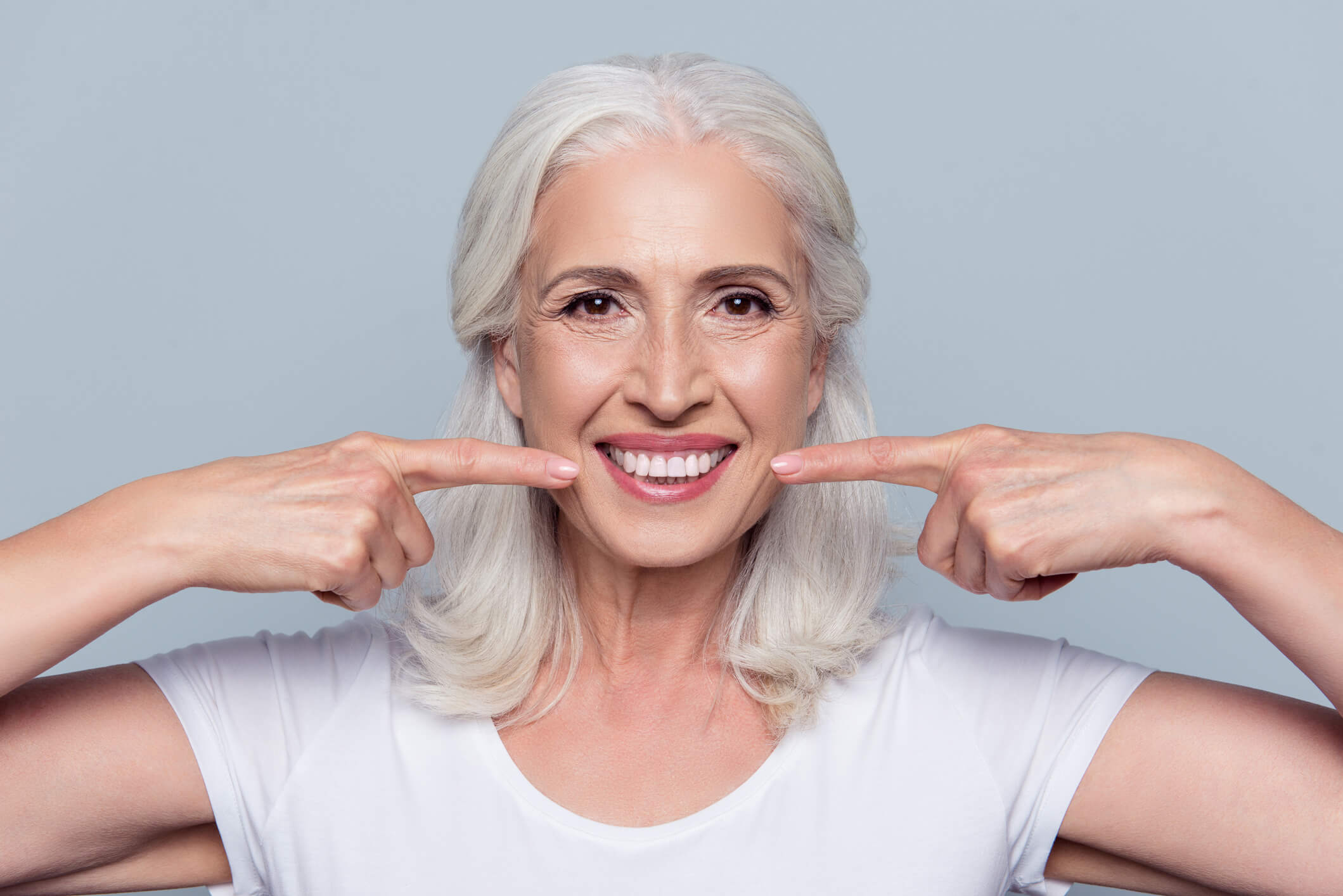
 Age-Prevention and Healthy Aging Beyond HGH Therapy
When it comes to optimal aging, HGH therapy and other forms of hormone therapy are only part of the picture.
Healthy aging is not about “stopping time.” It is about protecting the things you want to keep such as daily energy, physical health, clear thinking, good intimacy, and the ability to keep doing all of things that you love.
For many adults, changes start around age 40. Recovery can slow. Sleep can get lighter. Weight can shift toward the belly. Mood and drive can feel different. These changes do not mean you are “broken.” They are often signals that your body needs a smarter plan.
HGH Therapy and other forms of hormone replacement (HRT) can be a valuable medical tool, and may even increase life expectancy for the right patient. But it is not a complete longevity strategy by itself. The best results usually come from a full approach that supports lifestyle, metabolic health, and HRT when appropriate.
Optimal Aging Strategies for Adults Over 40 and Beyond
If you want a plan that works, start with the foundations. These are simple, but they are powerful when done consistently.
First, protect muscle. Muscle helps with balance, blood sugar control, and healthy body weight. Most adults lose muscle more easily with age unless they train it.
Second, move daily. A hard work out once a week cannot “fix” six days of sitting. Walking, light cardio, and strength work all count. Consistency matters more than perfection.
Third, eat in a healthy way that you can continue that does not seem hard or forced. Mindful eating can help you do this. Also, focus on whole foods, plenty of fiber, and enough protein. Limit ultra-processed foods and sugary drinks, which can raise hunger and worsen sleep.
Fourth, make sleep a priority. Sleep is when your body repairs. Poor sleep often leads to more cravings, more stress, and less movement the next day.
Make a serious effort to manage stress, think positively and reduce negative thoughts.
Finally, get proactive medical guidance. Over 40, it helps to monitor blood pressure, blood sugar, cholesterol, thyroid function, and (when appropriate) hormone levels—so problems are found early, not after years of damage.
Heathy Aging Tips for Men Over 40
In your 40s, the goal is to stay strong, lean, and resilient without burning yourself out.
Strength training two to four times per week can help you keep muscle and protect joints. Pair it with simple mobility work so stiffness does not creep in. A daily walk also helps your heart and your mood.
Many men ignore early warning signs like rising belly fat, lower drive, slower recovery, or poor sleep. These can be lifestyle-related, but they can also be linked to health markers that need attention, such as blood pressure, blood sugar, sleep apnea, or hormone imbalance.
Alcohol and late-night eating are common “hidden” problems in this age group. Both can reduce sleep quality and make weight gain easier. Even small reductions can improve energy within weeks.
Healthy Aging Tips for Men Over 50
In your 50s, think less about “peak performance” and more about durability. You want strength, balance, and steady health markers.
Keep strength training but train smarter. Focus on legs, hips, back, and core. Add balance work a few minutes a day. This lowers injury risk and keeps you confident.
Protein intake matters because it supports muscle and helps you feel full. Many men eat too little protein during the day and then overeat at night. A steadier pattern often helps body composition and energy.
Also take sleep seriously. Loud snoring, waking often, and daytime fatigue are not “normal aging.” They can be signs of sleep apnea, which can raise blood pressure and strain the heart.
Healthy Aging Tips for Women Over 40

In your 40s, many women enter perimenopause. Hormone shifts can happen in waves. Sleep, mood, cycles, and weight can change even if you have not changed your routine.
Start by protecting sleep. Morning light exposure, a consistent bedtime, and less late caffeine can help. If sleep becomes a constant struggle, talk with a clinician. Sleep problems can be hormonal, but they can also be related to thyroid issues, iron deficiency, anxiety, or sleep apnea.
Strength training is especially important. It supports bone, muscle, and metabolism. It also improves posture and can reduce aches.
Nutrition matters too, but “eating less” is not always the answer. Focus on nutritionally balanced meals. Many women do better when meals include protein and fiber, which can reduce cravings and energy crashes.
Healthy Aging Tips for Women Over 50
During and after the menopause transition, the focus is often on bone, heart, and brain health. It is also about staying strong enough to live the life you want.
Resistance training and weight-bearing exercise help protect bones and muscles. Walking is helpful, but strength training adds the “signal” bones need to stay dense.
Cardiovascular risk tends to rise after menopause. Regular checks of blood pressure, cholesterol, and blood sugar help you act early. These markers matter for longevity and for brain health.
Joint stiffness can increase if movement becomes less varied. A good baseline is walking most days, do strength work two to three days per week, and add short mobility sessions.
If hot flashes, mood changes, or sleep disruption are affecting daily life, ask about your HRT options. Some women do well with lifestyle alone, while others benefit from individualized medical care.
Age Prevention Strategies for All Adults 60 and Beyond
Over 60, the best “antiaging” strategies are the ones that protect independence.
Fall prevention is huge. Strong legs, better balance, good vision, and the right footwear reduce risk. Medication review also matters, because some drugs can cause dizziness.
Strength training still works at this age. Even modest resistance training can improve function and quality of life. It is one of the most reliable ways to fight frailty.
Keep your brain engaged and your social life active. Isolation can increase health risk over time, and staying connected supports mood, motivation, and daily routines.
Consider alcohol-free living. If you must imbibe, try to keep it to just one or two drinks a week.
Stay positive, stay engaged with people and in your community, many studies also recognize the benefit of spiritual health and prayer.
What is Antiaging Medicine?
Antiaging medicine, often also called longevity medicine or “lifestyle medicine,” focuses on extending health span, or how long you live with good function.
A credible longevity clinic does not promise miracles. It uses prevention, careful testing, and practical plans. The goal is to find risks early, improve daily habits, treat medical problems that shorten life, and use therapies (including hormones) only when the benefits are likely to outweigh the risks.
The Role of Hormone Replacement Therapy: Beyond HGH
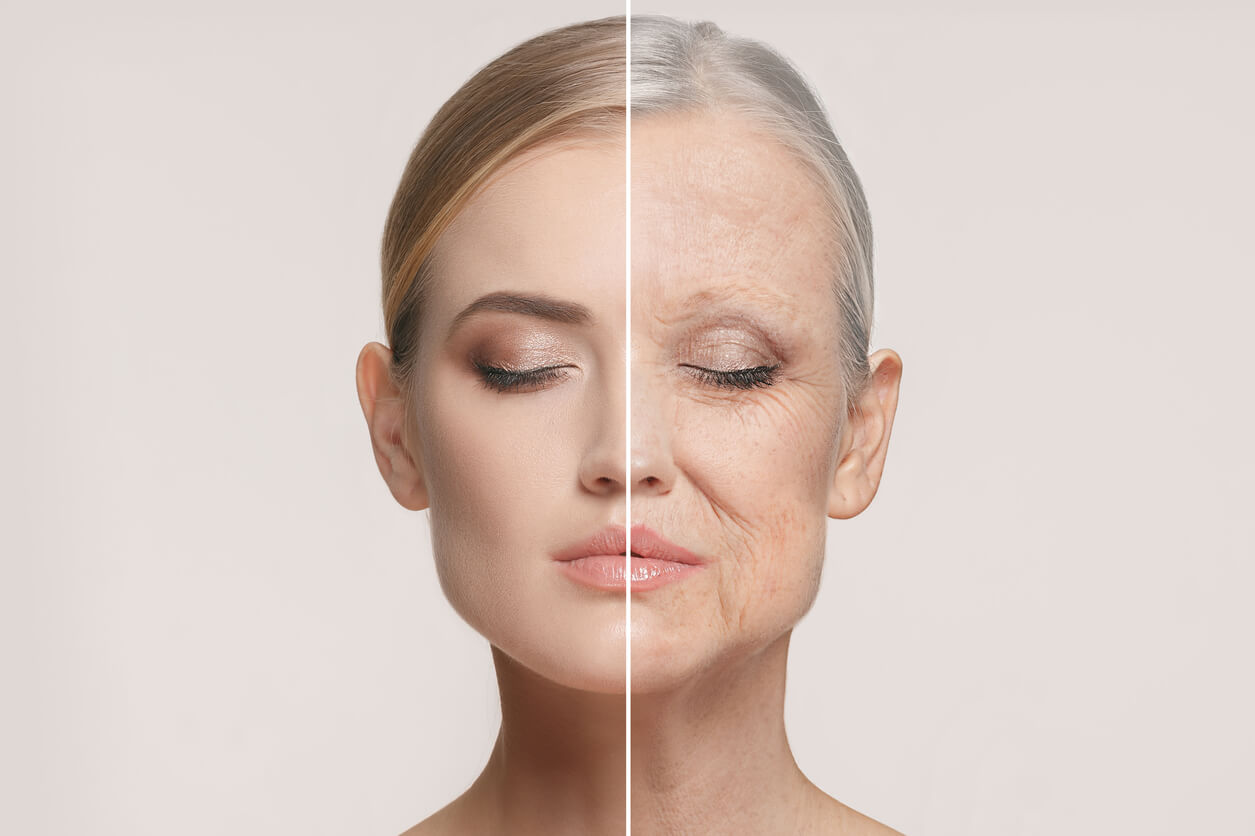
Hormones are chemical messages that help your body run smoothly. With age, some hormone levels can shift, and symptoms can follow—low energy, poor sleep, mood changes, changes in body composition, or lower sexual function.
HGH Therapy can be a cornerstone of an antiaging hormone strategy for adults who have a medically appropriate reason for treatment and are monitored by a qualified clinician. But it is not the only option, and it is not right for everyone.
A comprehensive approach may include testosterone therapy for men with confirmed low testosterone and symptoms, as well as carefully individualized hormone therapy for women when menopausal symptoms are disruptive and medical history supports treatment. Thyroid treatment is also important when true thyroid disease is present, because thyroid levels can strongly affect energy and metabolism.
The key point is this: hormone care works best when it sits on top of a strong lifestyle plan. Sleep, exercise, nutrition, and stress management can change how hormones behave and how you feel often as much as any prescription.
What Does Current Research Suggest About Extending Human Lifespan?
We do not yet have a proven “longevity pill” that reliably extends maximum human lifespan in healthy people. But we do have strong human research showing that certain choices and treatments can reduce early death risk and extend the years you live in good health.
Large studies of U.S. adults suggest that stacking several low-risk lifestyle factors—such as not smoking, staying active, maintaining a healthy weight, eating well, and limiting alcohol—can be linked with longer life expectancy. Other studies have also found that physical activity is strongly associated with lower risk of death from any cause. Benefits are seen even at moderate activity levels, and less sedentary time appears helpful.
A recent study in the prestigious New England Journal of Medicine, found that treating cardiovascular risk factors also matters. In people at higher risk, a major randomized blood pressure trial showed lower risk of death from any cause with more intensive blood pressure control compared with standard control.
Diet patterns can reduce major health events. In a large trial, a Mediterranean style eating pattern supplemented with extra-virgin olive oil or nuts lowered major cardiovascular events in high-risk adults. New England Journal of Medicine
Several reviews have found that very short and very long sleep duration are associated with higher risk of death from any cause in studies that followed people over time. Strong social connection is also associated with better survival, while social isolation and loneliness are linked with higher risk for early mortality.
Longevity science also studies calorie restriction in humans. A long-term randomized program – the CALERIE Trial – reported measurable changes in several health markers, though it is not a simple “copy and paste” plan for everyone.
What to Expect at an Antiaging Clinic?
A well-run antiaging clinic like The HGH Therapy Doctor should feel organized and personalized, not sales-driven.
Most patients start with a detailed intake that covers symptoms, goals, medical history, medications, sleep, stress, and family history. Then labs are selected based on your story, often including metabolic markers, lipids, thyroid testing, and hormone evaluation when appropriate.
After that, you should receive a plan that combines lifestyle steps with medical prevention. Follow-up is essential. Longevity care works best when your plan is adjusted based on how you feel, what your labs show, and what is realistic for your life.
What Is the Ideal Longevity Program?
The ideal program is the one that is safe, personalized, and repeatable.
It usually has a simple structure: strength training plus regular walking or cardio; a whole-food eating pattern with enough protein and fiber; protected sleep; realistic stress tools; and a prevention plan that keeps blood pressure, blood sugar, and cholesterol in healthy ranges. Hormone therapy may be added only when symptoms, labs, and risk review support it, with ongoing monitoring.
We Take a Different Approach to Antiaging Medicine and Longevity
At The HGH Therapy Doctor, longevity is treated as medical care—not a trend.
We begin with the full picture: symptoms, labs, risk factors, and lifestyle. If HGH Therapy is appropriate, we consider how it fits into a wider plan that supports training, nutrition, sleep, and other hormones when needed.
We prioritize safety and oversight. Hormone therapy should have clear goals, careful dosing, and follow-ups so treatment stays appropriate over time.
We also keep plans practical. Extreme rules often fail. We focus on steps that patients can actually keep doing—because consistency is what builds real, long-term change.
If you are ready to learn more about how hormonal balance and a healthier lifestyle can add more life to your years and more years to your life, contact The HGH Therapy Doctor near you today!
Frequently Asked Questions About Longevity and Life Extension
Can I really slow aging, or is it all genetics?
Genes matter, but habits matter too. Large studies suggest that not smoking, staying active, maintaining a healthy weight, and eating well are linked with longer life. You do not need perfection. You need steady, repeatable routines that lower your risk over time.
Is HGH Therapy a good idea for everyone over 40?
No. HGH is a prescription treatment, and it is not for casual use. The right candidates are evaluated carefully, and therapy should be supervised by a qualified clinician. Many people feel better by improving sleep, movement, nutrition, and heart and metabolic health—whether or not hormone therapy is used.
What are the most important “longevity labs” to check?
There is no single list for everyone. Many plans start with blood pressure, blood sugar markers, cholesterol and triglycerides, kidney and liver function, and thyroid testing. Some patients also benefit from hormone testing, depending on symptoms and goals. The key is follow-up, because labs should guide action—not just create data.
Do supplements help with longevity?
Sometimes, but supplements are not magic. They can help correct deficiencies or support a specific goal, but they can also be unnecessary or interact with medications. A safer approach is to start with food, sleep, and movement, then add supplements only when they have a clear purpose and you trust the product quality.
How long does it take to see results from a longevity program?
Many people notice early improvements in 4 to 8 weeks, such as better sleep and steadier energy. Strength, body composition, and lab changes often take a few months. The biggest longevity gains come from consistency over years, with periodic check-ins to keep the plan on track.
Is stress really that important for aging?
Yes. Chronic stress can harm sleep, raise blood pressure, drive cravings, and reduce motivation to exercise. You do not need a stress-free life. You need daily tools that help you recover, such as movement, sunlight, breathing practices, and social support.