
How to Qualify for HGH Therapy: Medical Requirements Explained
HGH Therapy can have many positive benefits – for the right patient.
Growth hormone replacement therapy is meant for adults who have a real medical need. It is not intended to “boost energy,” “increase strength” or any other casual or “non-medical” use. The first step is finding out whether your symptoms and test results point to true growth hormone deficiency and whether treatment is safe and appropriate for you.
Many adults ask about HGH because they feel older, slower, or less like themselves. They may notice stubborn weight gain, loss of muscle tone, poor recovery, low energy, reduced stamina, or a drop in overall well-being. Those concerns are real, but symptoms alone are not enough to qualify. In men and women, HGH is prescribed to treat a verifiable medical condition, most often adult growth hormone deficiency, and that diagnosis has to be confirmed with the right clinical workup.
That matters for two reasons. First, many common symptoms can overlap with stress, poor sleep, low testosterone, thyroid problems, menopause, depression, or other hormone issues. Second, HGH is a prescription therapy with real medical rules, real dosing standards, and real safety concerns. The goal is not to hand out injections to anyone who asks. The goal is to identify the right patient, confirm the reason for treatment, and build a plan that is both safe and medically sound.
What is HGH Replacement Therapy
HGH replacement therapy is treatment with a prescription medication known as somatropin, which is lab made but “bioidentical form” of the HGH normally made by your pituitary gland. It is prescribed to increase HGH levels in people who do not make enough growth hormone on their own. Official prescribing information for somatropin products states that adult patients must have documented growth hormone deficiency before replacement treatment is started.
In practical terms, this therapy is used when the body’s growth hormone output has dropped enough to cause meaningful symptoms and measurable problems. In adults, growth hormone is tied to body composition, muscle mass, exercise capacity, bone health, and overall quality of life. When levels fall too low, people often feel the effects long before they know the cause. Proper treatment aims to restore healthier function, not to create an artificial edge or turn HGH into a cosmetic shortcut.
It is important to note that HGH therapy is a cornerstone of anti-aging medicine. However, that does not mean that HGH is some kind of “miracle powder” that can turnback time. The truth is that many of the symptoms we think of as growing older — loss of muscle tone, weight gain, brain fog, sexual health symptoms, could be directly related to declining levels of HGH. However, HGH is not prescribed just to make you feel younger, and it will not, in otherwise healthy adults. But, if these kinds of symptoms appear, along with verifiable below normal HGH levels, HGH therapy can help.
What Are The Symptoms of HGH Deficiency in Adults?
Adult growth hormone deficiency does not usually announce itself with one single sign. Instead, it often shows up as a cluster of changes that build over time. Many adults notice that they are gaining weight more easily, especially around the midsection, while losing muscle tone and strength. They may feel less energetic, less resilient, and slower to recover from exercise or daily stress. Some also report lower drive, reduced stamina, poorer sleep, and a general sense that their body no longer responds the way it used to.
Body changes are often one of the clearest clues. Adults with growth hormone deficiency can have more body fat and less lean mass. That shift may make workouts feel less productive and can make weight management harder even when diet and activity have not changed much. Over time, this can affect strength, physical confidence, and motivation.
There can also be mental and emotional effects. Some people describe brain fog, low motivation, low mood, or reduced sense of well-being. Others say they simply do not feel sharp or fully present. These symptoms are not unique to growth hormone deficiency, which is exactly why medical evaluation matters, but they are part of the overall picture doctors consider.
Bone and recovery issues can matter too. Growth hormone plays a role in bone health and tissue repair. Adults with deficiency may not recover as well from strain, hard training, or the normal wear and tear of daily life. In the right patient, restoring growth hormone can support body composition, bone density, and quality of life, but only after the diagnosis is truly confirmed.
How is Growth Hormone Deficiency Diagnosed in Adults
Diagnosing adult growth hormone deficiency takes more than one simple blood draw. Growth hormone is released in bursts, so a random growth hormone level is not a reliable way to tell whether someone qualifies. That is why the diagnostic process usually combines symptoms, history, blood work, and a stimulation test that measures how the body responds under controlled conditions.
Medical history matters a great deal. A doctor will want to know whether you have symptoms that fit the pattern, whether you have had prior pituitary disease, head trauma, brain surgery, radiation, or other hormone problems, and whether another condition could explain what you are feeling. In some adults, growth hormone deficiency is part of a larger pituitary problem. In others, the concern is more subtle and requires careful sorting out.
Blood work usually includes IGF-1 testing, which is a marker influenced by growth hormone. IGF-1 can be helpful, but on its own it does not prove or rule out adult growth hormone deficiency. Even people with normal IGF-1 may still have deficiency, which is why doctors often move on to a stimulation test when suspicion remains high.
Imaging may also be part of the workup. When doctors suspect a pituitary problem, MRI or CT imaging can be used to look at the pituitary gland and surrounding area. That helps identify tumors, injury, or other structural problems that may explain hormone loss and can also affect whether treatment is appropriate.
Qualifying Lab Tests for HGH Therapy
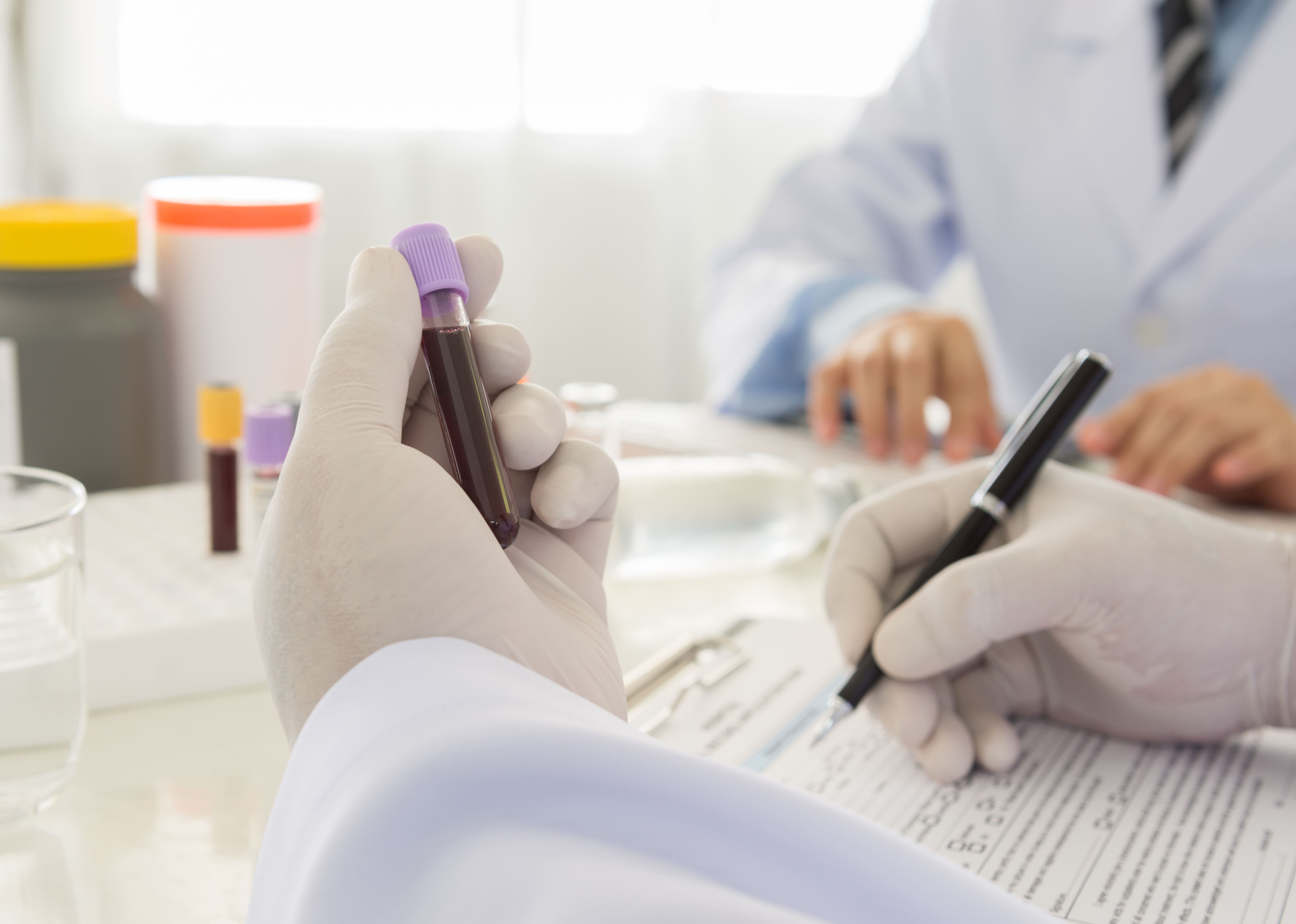
The lab process begins with baseline hormone testing. IGF-1 is commonly checked because it reflects overall growth hormone activity better than a single growth hormone reading. Doctors may also check thyroid hormones, testosterone levels, cortisol-related markers, blood sugar, and other labs to make sure the full hormone picture is understood. This matters because several hormone problems can produce overlapping symptoms, and treating the wrong issue will not help.
If the history and labs point toward possible deficiency, the next step is usually a growth hormone stimulation test. Clinical guidelines explain that adult growth hormone deficiency depends on the accuracy of the stimulation test used. These tests work by giving a medication or trigger that should provoke growth hormone release, then measuring the body’s response over time. If the response stays below the accepted cut point for that test, it supports the diagnosis.
Several stimulation tests are used in adult practice. The insulin tolerance test has long been viewed as a gold standard, but it is not right for everyone and can be unpleasant or risky in some patients. The glucagon stimulation test is another well-established option, and guideline recommendations note that the cut points may need to be adjusted based on body mass index, so people are not misclassified. Macimorelin is another test option used in appropriate adult cases.
That is one reason real qualification is more detailed than many people expect. A person does not qualify because they are tired, because they want help in the gym, or because they saw online claims about HGH. They qualify when symptoms line up with the medical picture and validated testing supports the diagnosis. That distinction protects patients and keeps treatment focused on real need.
HGH Therapy Eligibility and Prescribing Guidelines
The central rule is simple: HGH therapy is prescribed for adults with confirmed growth hormone deficiency, not for casual performance use, cosmetic use, or ordinary aging by itself. The usual pathway to prescription HGH therapy is adult-onset or age-related HGH decline that reaches a medically significant point and is verified through proper testing. To reiterate, that means not every age-related slowdown qualifies.
There are also other legitimate adult uses of somatropin in specific settings. For example, somatropin is also prescribed in adults with HIV-associated “muscle wasting” or “cachexia” to increase lean body mass, body weight, and physical endurance under medical supervision. That is a different clinical situation from routine adult replacement therapy, but it shows that HGH is a real medical drug used for real medical conditions.
You may also hear HGH discussed in connection with recovery or healing. In real medical practice, those decisions are not casual and are not interchangeable with treatment for adult growth hormone deficiency. The focus for this page is the adult who may have verifiable GHD and wishes to know whether they meet accepted prescribing standards. In that setting, the requirements remain clear: symptoms, full hormone review, appropriate testing, and physician oversight.
HGH Therapy Medical Requirements for Men
While the qualifying guidelines for HGH therapy are basically the same for males and females, there can be some subtle differences in requirements.
In men, growth hormone deficiency can look like a slow physical fade. A man may notice that body fat is rising even when his habits have not changed much. He may struggle to maintain muscle, recover poorly after exercise, feel less driven, and lose some of the physical resilience he once took for granted. Some men also report lower sexual confidence or reduced overall vitality, though sexual symptoms can also overlap with testosterone issues and need to be sorted out carefully.
That overlap is important. A man with low energy, weight gain, and reduced performance may have low testosterone, thyroid trouble, poor sleep, stress overload, insulin resistance, growth hormone deficiency, or some combination of those problems. Qualifying for HGH therapy therefore requires more than matching a few symptoms from a checklist. It requires showing that growth hormone deficiency is part of the real medical picture.
For men, the diagnostic criteria are the same core criteria used in adults generally. The doctor looks at symptoms, medical history, IGF-1 and related labs, and the result of an accepted stimulation test. Body weight and metabolic factors can affect interpretation, which is one reason adult growth hormone testing is not a do-it-yourself process. Proper cut points and proper context matter.
When a man truly qualifies, treatment can address the root issue rather than chasing symptoms one by one. The goal is to support lean mass, healthier body composition, better recovery, stronger physical function, and improved quality of life in a patient whose deficiency has been medically verified.
HGH Therapy Medical Requirements for Women
In women, the pattern can look a little different, even though the medical requirements remain the same. Many women who are later found to have growth hormone deficiency first describe persistent fatigue, low drive, brain fog, reduced exercise recovery, gradual muscle loss, and weight gain that feels out of proportion to their efforts. They may also feel less strong, less steady, and less like themselves.
These symptoms are easy to confuse with menopause, thyroid imbalance, stress, poor sleep, or other hormone changes, so a careful evaluation is especially important. Qualifying for HGH therapy in women is not based on how busy life feels or how hard weight loss has become. It is based on whether the medical workup shows true deficiency.
The process is the same: symptom review, broader hormone testing, IGF-1 assessment, and an accepted stimulation test when indicated. Clinical guidance also notes that adult dosing is individualized and that age, sex, body size, and other patient factors can affect both diagnosis and treatment decisions. In other words, this is personalized medicine, not one-size-fits-all therapy.
For the woman who truly qualifies, HGH therapy may help address the underlying hormone problem that is contributing to fatigue, poor body composition, low physical resilience, and reduced quality of life. The key is making sure the diagnosis is right before treatment begins.
Can You Get HGH Therapy Online if You Qualify?
Yes, if you qualify, you may be able to get HGH therapy online, but only through a reputable and reliable online hormone clinic. That part matters. HGH is a prescription treatment for a real medical condition. It should never come from a random website, an online seller with no real doctor involved, or any source that offers HGH without proper testing, diagnosis, and follow-up care.

If a clinic is willing to prescribe HGH with little or no evaluation, that is a major warning sign. A reliable online clinic should also require proof that you meet the medical requirements for treatment. That usually means your provider is looking at the same things a quality in-person clinic would review. They should consider your symptoms, your hormone levels, your IGF-1 results, your broader health picture, and any other findings that help determine whether true growth hormone deficiency may be present.
A quality online clinic should also use legitimate pharmacies and prescription channels. Your HGH should come from a properly licensed pharmacy, not from an unverified source. That protects you from counterfeit products, poor-quality medications, and unsafe handling. When a clinic follows proper pharmacy and prescribing standards, it helps ensure that the medication you receive is the medication your doctor intended you to have.
Follow-up care is another major part of what makes an online hormone clinic reputable. Getting approved for HGH is only the beginning. A good clinic continues to monitor your progress, review your response to treatment, adjust dosing when needed, and repeat labs when appropriate. Real HGH therapy is not a one-time transaction. It is an ongoing medical relationship that should include supervision, communication, and careful attention to how you are doing over time.
It is also important that an online clinic looks at the full picture instead of focusing on HGH alone. Many symptoms linked to low growth hormone can overlap with other issues, such as low testosterone, thyroid imbalance, menopause, stress, poor sleep, or metabolic changes. A reliable provider should be willing to look deeper and determine whether HGH is truly the right answer. In some cases, the safest and most honest answer may be that another treatment path makes more sense. That is often a sign of good medicine, not a reason to walk away.
Convenience is one of the biggest benefits of online hormone care. For people with busy schedules, limited local options, or a preference for private treatment from home, telemedicine can make the process much easier. But convenience should never replace quality. The best online clinics combine ease and access with proper diagnosis, licensed prescribing, lab testing, and ongoing medical oversight. That is the standard patients should look for.
The Benefits of HGH Therapy for Those Who Qualify
When HGH therapy is used in the right adult patient, the benefits can be meaningful. Clinical guidance and long-term outcome data support improvements in body composition and quality of life, and treatment has also been linked with favorable changes in bone metabolism and some cardiovascular risk markers in properly selected adults with growth hormone deficiency.
Some of the most commonly reported benefits include:
These benefits are strongest when therapy is properly dosed and monitored. Guidelines note that individualized dose adjustment has improved effectiveness and reduced side effects. That means treatment should be tailored, followed closely, and adjusted based on response and labs rather than pushed too hard.
This is also why qualifying matters so much. The people most likely to benefit are the people who actually need replacement. When HGH is used as true hormone replacement rather than as a shortcut, the goal is to bring the body back toward healthier balance, function, and performance.
Should You Ever Use HGH Without Medical Supervision?
No. HGH should never be used without a prescription, proper diagnosis, and ongoing medical supervision. The rules around qualification exist for a reason. Growth hormone is not a harmless wellness trend. It is a real prescription therapy with real risks if used by the wrong person, at the wrong dose, or for the wrong reason.
Clinical guidelines specifically warn against inappropriate and unapproved use of recombinant growth hormone. That means bodybuilding use, casual anti-aging use, and underground use fall outside proper medical practice. Beyond the legal issue, there is also a health issue: people who self-treat may miss a serious underlying condition, use counterfeit or poor-quality products, or create avoidable complications.
Official prescribing information also lists important safety concerns. Somatropin should not be started in some patients with acute critical illness, and active malignancy is a contraindication. Labeling also warns about glucose intolerance or diabetes risk, fluid retention, joint pain, swelling, and nerve compression problems such as carpal tunnel syndrome, especially in adults.
That is why real medical care matters so much. A legitimate HGH program screens patients, confirms need, reviews safety issues, explains the plan clearly, and keeps monitoring in place. Anything less is not smart medicine. It is a gamble.
We Follow All the Prescribing Guidelines for HGH and More
The right HGH program begins with the right standard of care. That means listening to symptoms, reviewing your health history carefully, ordering the right labs, confirming deficiency through accepted diagnostic methods when appropriate, and making sure treatment is safe before a prescription is written.
It also means not cutting corners. Not every person who asks about HGH is a candidate, and honest medicine requires saying that clearly. A strong program protects patients by distinguishing between normal aging, overlapping hormone problems, and true growth hormone deficiency. When treatment is appropriate, the plan should be tailored, supervised, and adjusted with care.
Good care goes beyond basic prescribing rules. It looks at the full person, not just one lab value. It checks for other hormone issues that may be affecting how you feel. It watches your response over time. It helps you understand what therapy can do, what it cannot do, and why proper follow-up matters. That kind of careful approach gives the right patient the best chance for a strong outcome.
What Makes Us Different
What makes The HGH Therapy Doctor different is that we treat HGH therapy like real medicine, because that is exactly what it is. We do not approach growth hormone as a trend, a shortcut, or a one-size-fits-all solution. We take the time to understand your symptoms, review your health history, evaluate your lab work, and determine whether you truly meet the medical requirements for treatment.
Our approach is thorough, careful, and patient-focused. If you qualify, your plan is built around proper diagnosis, safe prescribing, smart dosing, and close follow-up. If HGH is not the right fit, we believe you deserve an honest answer. That commitment to doing things the right way helps protect your health and gives you a clearer path forward.
If you have been dealing with low energy, muscle loss, weight gain, poor recovery, or a steady decline in how you feel, it may be time to look deeper. The first step is not guessing. It is getting a proper evaluation.
Schedule a consultation with The HGH Therapy Doctor today to review your symptoms, lab needs, and possible eligibility for HGH therapy. If you qualify, we can help you move forward with a treatment plan built on real medical standards and personalized care.
Frequently Asked Questions About Who Qualifies for HGH Therapy
- Can I qualify for HGH therapy just because I am getting older?
No. Getting older by itself does not qualify you for HGH therapy. A doctor must find evidence of true growth hormone deficiency through symptoms, history, lab work, and usually a stimulation test. Clinical guidance specifically separates real adult GHD from ordinary aging alone.
- Is a low IGF-1 level enough to get a prescription?
Usually not by itself. IGF-1 is helpful, but it is only one part of the picture. Adults with normal IGF-1 can still have growth hormone deficiency, and many patients need stimulation testing for confirmation.
- What kind of doctor evaluation is usually needed before HGH is prescribed?
A proper evaluation usually includes symptom review, medical history, hormone labs, IGF-1 testing, and often a stimulation test. Imaging such as MRI may also be needed if a pituitary problem is suspected.
- Can men and women qualify for HGH therapy under the same rules?
Yes. Men and women may describe symptoms differently, but the core qualification process is the same. The diagnosis still depends on medical history, labs, and accepted testing that confirms true deficiency.
- Is HGH legal for bodybuilding or casual performance use?
No. HGH is a prescription drug meant for approved medical use. Clinical guidelines discuss the inappropriate and unapproved use of recombinant growth hormone in sports and aging, and official labeling requires documented deficiency for adult replacement therapy.
- What happens if someone uses HGH without supervision?
That can be dangerous. A person may use the wrong dose, miss a serious underlying medical problem, or develop side effects such as swelling, joint pain, carpal tunnel symptoms, and blood sugar problems. Some people should not use somatropin at all, including those with active malignancy or certain acute critical illnesses.
- If I qualify, what benefits should I realistically expect?
The right patient may see support for lean muscle, body composition, recovery, energy, physical function, bone health, and overall quality of life. The key phrase is “the right patient.” The best results come when treatment is used as true hormone replacement after proper diagnosis