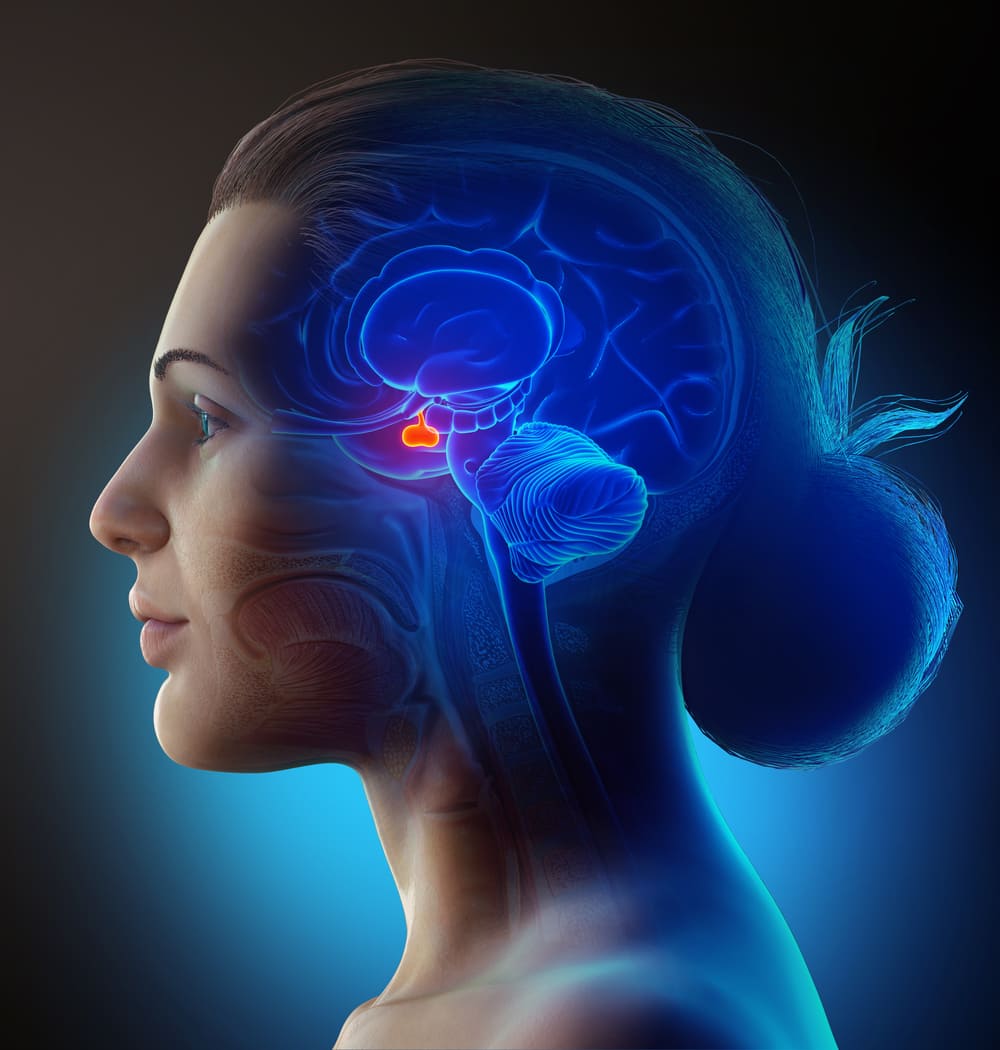
Hormonal Balance, Mental and Cognitive Health
Hormone therapy especially testosterone replacement therapy (TRT) and growth hormone therapy can be key to supporting mood, improving depression symptoms, and overall mental well-being for patients diagnosed with legitimate hormonal issues.
Hormone replacement therapy (HRT) can positively affect mood disorders and emotional balance by helping stabilize hormone levels that influence brain chemistry, cognitive function, and emotional resilience. This is one reason many men and women dealing with age-related hormone decline report improved mood, fewer feelings of anxiety or depression, and better mental focus once their hormones are brought back into healthier ranges.
Science has long recognized a connection between hormone levels and mental and psychological well-being. Hormones are chemical messengers that influence nearly every system in the body, including the brain. Testosterone and human growth hormone (HGH), in particular, play meaningful roles in neurological function. When these hormone levels decline with age, the effects can extend beyond the physical—impacting memory, mood, stress tolerance, and even overall outlook on life.
This is why adults in their 40s and beyond may find that hormone decline doesn’t just reduce energy and vitality, but can also affect how they think and feel day to day. At The HGH Therapy Doctor, we’ve seen how personalized hormone replacement therapy, including TRT and medically supervised growth hormone therapy, can help support mood, slow memory loss, and promote better overall brain health.
Which Hormones Impact Brain Health?
Hormones act like messengers in your body, carrying signals that influence everything from growth to metabolism and energy. What many people don’t realize is how strongly hormones can affect mood and emotions. When hormone levels are stable, brain chemistry is often more balanced, which can help you feel calmer, more focused, and more emotionally steady. When hormones fluctuate or decline, that balance can be disrupted—leading to irritability, anxiety, sadness, or mood swings that feel out of character.
Testosterone and human growth hormone (HGH) are closely tied to mood disorders and emotional health because they influence important brain chemicals called neurotransmitters. Two of the most well-known neurotransmitters are serotonin and dopamine. Serotonin helps regulate feelings of calm and contentment, while dopamine plays a role in motivation, pleasure, and focus. When testosterone and HGH are within healthy ranges, serotonin and dopamine are often better supported, which can help protect against low mood and emotional instability.
When testosterone or HGH drops too low, serotonin and dopamine activity may also decline. At the same time, cortisol—the body’s primary stress hormone—may increase. This shift can make it harder to handle stress, think clearly, or stay positive. Many people describe this as brain fog, irritability, feeling “on edge,” or feeling down for no clear reason.
In this way, hormones, neurotransmitters, and emotions are all connected. Hormone therapy that restores testosterone or HGH doesn’t only support physical wellness, it may also help rebalance brain chemistry, often leading to a steadier mood, stronger resilience to stress, and improved emotional well-being.
Mental and Emotional Health: What’s the Difference?
People often use “mental health” and “emotional health” as if they mean the same thing, but there is an important difference. Mental health relates to how well your brain processes information, your ability to focus, remember, learn, solve problems, and make decisions. Emotional health is more about feelings, how you respond to life’s challenges and how well you can manage emotions like sadness, anger, frustration, or worry.
These two areas of health are deeply connected. Your brain can recognize what something is, but your emotions shape how it feels to you. Good emotional health does not mean you feel happy all the time. It means you can experience both positive and negative emotions, and still recover, adapt, and move forward when life is difficult.
Hormone Imbalance and Mental Health
As people age, hormone levels can decline and disrupt both mental and emotional balance. It is these hormonal shifts that can cause increased stress, irritability, low motivation, or brain fog once we are over 40 as compared to earlier years. Hormones often play a bigger role in these changes than most people realize, and addressing hormone imbalance can be an important step in understanding what is really driving the way you feel.
Hormone Optimization and Hormone Therapy for Brain Health
As we age, many of us experience forgetfulness, difficulty focusing, or mental fatigue often described as “brain fog.” While these changes can be frustrating, they are not always something you simply have to accept.

At The HGH Therapy Doctor, we recognize that many of these symptoms may be linked to hormone imbalance, and that restoring healthy hormone levels can help support clearer thinking, better focus, and improved emotional well-being.
Hormone therapy isn’t only about physical vitality or sexual wellness. It can also be about supporting a sharper mind and more stable moods so you can feel like yourself again and show up fully in your daily life.
Hormone therapy may address root factors that contribute to age-related cognitive issues by helping support neurotransmitter activity, healthy blood flow to the brain, and the repair and maintenance of neural connections.
Here is a snapshot of how hormone therapy can support cognition:
- Improved neurotransmitter balance – Estrogen and testosterone may support dopamine and serotonin activity, which can help with motivation, focus, and emotional stability.
- Enhanced neuroplasticity – Growth hormone (HGH) and IGF-1 (insulin-like growth factor 1) may support neural repair and long-term memory formation.
- Better cerebral blood flow – Estrogen and testosterone can support healthy blood vessel function, helping brain cells receive oxygen and nutrients.
- Reduced inflammation and oxidative stress – Hormone decline may be linked with increased inflammation; restoring balance can help counter these effects.
- Improved sleep and circadian rhythm – Balanced hormones may support healthier sleep cycles, which are essential for learning, memory, and mental processing.
Together, these effects can contribute to better focus, stronger memory, faster recall, and a calmer, more balanced mental state.
How HGH and Testosterone Impact Mental Clarity
Hormones are chemical messengers that communicate with the brain. They influence neurotransmitters like serotonin and dopamine—often called the body’s “feel-good” chemicals. Testosterone and HGH also help keep cortisol, the body’s main stress hormone, in a healthier range. When testosterone and HGH are too low, serotonin and dopamine activity can drop while cortisol rises. That combination can make it harder to stay calm, optimistic, or focused.
When TRT or HGH therapy restores these hormones to healthier levels, many patients report feeling less anxious, less irritable, and more emotionally steady over time.
Can TRT Improve Brain Health and Mental Clarity?
Research has shown an association between low testosterone levels and depressive symptoms in some populations. Testosterone is not only important for muscle, bone, and energy, it also supports brain function, including systems involved in serotonin and dopamine activity. These are the same brain chemicals many antidepressant medications are designed to influence.
A well-known study published in Psychoneuroendocrinology found that older men with low testosterone had nearly twice the risk of depression compared to those with normal levels. This helps explain why mood challenges can become more common after age 40, when testosterone naturally declines.
When testosterone drops too far, men and women may notice low mood, loss of drive, reduced confidence, or rising anxiety. For some patients, restoring testosterone through medically appropriate TRT can be a major turning point—helping them feel more stable and emotionally balanced again.
Testosterone, Cognition, and Brain Health
Beyond mood, testosterone also plays a role in cognitive performance. Low levels can make it harder to concentrate, remember details, or feel mentally sharp. Many people assume this is “just aging,” but hormone decline can be a contributing factor.
When testosterone is restored to appropriate levels, many patients describe clearer thinking and less mental fog. They often find it easier to organize thoughts, stay on task, and feel more mentally present. In this way, testosterone can play a quiet but meaningful role in keeping the mind sharp and adaptable.
How TRT Improves Emotional Health and Mental Wellbeing
TRT may help support both mood and cognitive function by addressing a root driver: low testosterone. Patients commonly report feeling more positive, less anxious, and more confident as levels stabilize. Many also notice improved memory and focus, which can help them feel more engaged at home and at work. There have been multiple clinical studies that indicate how TRT can help reverse some cognitive and emotional effects linked to low testosterone.
If you are between the ages of 40 and 65 and you don’t feel like yourself, it is reasonable to consider having your hormone levels evaluated. Testing is the first step, and only a qualified medical provider can determine whether symptoms are related to low testosterone or another cause. At The HGH Therapy Doctor, we provide thorough evaluations to help you understand how your hormone levels may be affecting your mood, motivation, and mental clarity.
Other Benefits of TRT
TRT may support more than brain health. Many patients also experience improved energy, better sleep, increased strength, and renewed interest in intimacy. The benefits can be wide-reaching, helping men and women feel more like themselves in multiple areas of life.
Here is an overview of common benefits patients may experience with TRT:
- Increased energy levels
- Improved sexual health
- Improved heart health, lowered risk of cardiovascular disease
- Improved sleep
- Weight loss and all of the emotional and physical improvements that come with it
- Improved bone health
- Overall improvement in quality of life
Can HGH Therapy Improve Brain Health and Emotional Wellbeing?
When most people hear about HGH, they think of physical benefits such as supporting energy, muscle tone, and fat metabolism. But HGH is also tied to emotional well-being. One common sign of adult growth hormone deficiency is persistent low mood, mood swings, or symptoms that feel similar to depression.
At The HGH Therapy Doctor, we often see patients who have struggled for years with fatigue, irritability, and foggy thinking begin to feel meaningful improvement once growth hormone levels are properly addressed. Research supports this connection. Studies suggest HGH therapy can improve mood, memory, and overall mental well-being in adults with confirmed growth hormone deficiency.
HGH may influence the brain in several ways. It can support healthy sleep patterns, help regulate stress hormones, and promote normal brain chemistry. Many patients report feeling calmer, more positive, and more resilient once hormone levels are corrected and stabilized.
Many clinical papers published in respected journals support the connection between growth hormone deficiency and an increased risk for depression:
- A 2021 article in Frontiers in Neuroendocrinology found a strong correlation between low growth hormone levels and elevated depression scores.
- Another study titled Human Growth Hormone in the Treatment of Biological Depression concluded that HGH may offer a promising therapeutic option for certain patients with clinical depression.
- A 2001 trial demonstrated improved cognitive function, memory, and mood among older adults treated with HGH.
- In 2004, a comparative study published in Medicina observed that HGH therapy significantly enhanced both cognition and mood in adults diagnosed with GHD.
Other Benefits of HGH Therapy
Just like TRT, HGH therapy can support multiple areas of health. Beyond mood and cognitive function, many patients report improvements in energy, muscle tone, bone strength, and recovery. Some also notice changes in skin and hair quality, immune resilience, and easier weight management when combined with healthy lifestyle habits.
Here are additional benefits patients may experience with HGH therapy:
- Increased strength and stamina
- Increased ability to build lean muscle
- Greater exercise capacity
- Improved sexual wellness
- Better sleep
- Improved metabolic health, lowered risk of heart disease, high blood pressure, and diabetes
- Improved bone density, lowered risk of osteoporosis, and osteoporosis-related fractures
Other Ways to Improve Emotional Health
Hormone therapy can be powerful, but it often works best when paired with supportive daily habits. Regular exercise, quality sleep, and stress management practices can make a measurable difference in how you feel. Staying connected with loved ones, building healthy routines, and doing activities that give you a sense of purpose can also support emotional wellness. At The HGH Therapy Doctor, we encourage patients to pair hormone therapy with lifestyle steps that help create long-term stability—both physically and emotionally.
Finding the Best Hormone Replacement Therapy for Brain Health
If you are concerned about memory loss, focus and mood swings, your hormones may be to blame.
Hormone therapy can make a meaningful difference in mental clarity and emotional stability, but not all clinics approach HRT the same way. At The HGH Therapy Doctor, we take the time to understand your symptoms, review your labs carefully, and design a plan that fits your needs. We personalize treatment, discuss benefits and risks in plain language, and provide guidance on lifestyle choices that can improve results and help you feel your best.
We see ourselves as partners in your health. Restoring testosterone and HGH may be part of the solution, but our larger goal is to help you thrive physically, mentally, and emotionally so you can enjoy life with more confidence and clarity. Get started by contacting The HGH Therapy Doctor location near you today.
FAQs About TRT, HGH, and Mental Health
Can testosterone therapy help improve my mood?
Yes. Many patients report that TRT helps reduce feelings of sadness, lowers anxiety, and supports a more balanced mood when low testosterone is a contributing factor.
How does HGH therapy affect emotional health?
HGH therapy may support better sleep, healthier stress-hormone balance, and improved brain chemistry, which can help stabilize mood—especially in adults with confirmed growth hormone deficiency.
How Do I Know if Low Hormones Are Effecting My Mood and Cognition?
If you are over 40 and experiencing mood swings or cognitive issues, a hormonal imbalance may be the cause. But the only way to know is with proper hormonal testing.
Do women benefit from hormone therapy for mood issues?
Yes. Hormone decline can affect both men and women. When hormone imbalance contributes to mood symptoms, treatment may help support emotional stability and overall well-being.
How soon will I notice changes in my mood after starting hormonal therapy?
Some people notice improvements within weeks, while others experience gradual changes over a few months as hormone levels stabilize and the body adjusts.
Does hormone therapy replace antidepressants?
Not always. Some patients find they need less medication after hormone balance improves, while others do best with a combined plan guided by their medical providers.
Can hormone therapy improve memory and focus?
Often, yes. Restoring testosterone and HGH to appropriate levels may help improve concentration, clearer thinking, and memory recall when hormone decline is part of the problem.
What makes The HGH Therapy Doctor’s approach different?
At The HGH Therapy Doctor, we take a personalized, whole-person approach using comprehensive testing, careful medical oversight, and lifestyle guidance to support both brain and body health.