
How to Optimize Hormone Balance Through Lifestyle Modification
In addition to Hormone replacement therapy (HRT), there is a lot you can do in terms of lifestyle to keep your hormones optimized and in proper balance.
Hormones are chemical messengers. They travel through your blood and tell your body what to do. They help control your energy, sleep, mood, hunger, weight, and sex drive. When hormones get out of balance, many people feel “off” in ways that are hard to explain. You may feel tired, gain belly fat, lose muscle, sleep poorly, or feel less interest in sex. You may also feel more stress, brain fog, or low motivation.
This is especially true as you age. Most issues with age-related hormonal imbalance are related to two critical hormones: testosterone and human growth hormone (HGH). Testosterone is a hormone that helps with muscle strength, sex drive, energy, and mood. It is made mostly in the testicles in men and in smaller amounts in women. HGH is a hormone made in the brain. It helps your body repair tissue, support healthy muscle, and recover from exercise. HGH is not released all day long. It comes out in “bursts,” and one of the biggest bursts happens during deep sleep.
At The HGH Therapy Doctor, while we do provide hormone replacement therapy, we stress a simple idea: that lifestyle is the basis of hormone health. If your sleep, food, stress, and activity are working against you, it is harder for your body to keep hormones in a healthy range. And if you are taking hormone therapy, lifestyle still matters because it can help you get better results and feel better overall.
Lifestyle Factors and Hormone Levels
Hormones do not change for just one reason. They change because of many things happening at the same time. Think of it like a team sport. If one player is struggling, the whole team can struggle too. Here are the lifestyle factors that most often affect hormone balance:
Sleep: Sleep is one of the biggest drivers of hormone release and recovery. If you sleep too little for too long, hormone levels can drop and symptoms can grow.
Body fat (especially belly fat): Extra body fat, especially around the waist, can lead to lower healthy hormone patterns. Many people notice more hormone symptoms as belly fat increases, even if their weight “only” goes up a little.
Food choices and weight change: What you eat affects your weight, your blood sugar, and your ability to recover from exercise. Those things all connect to hormones.
Exercise and movement: Regular movement supports better sleep, better weight control, and better energy. Strength training helps keep muscle, which is important as we age.
Alcohol and recovery habits: Alcohol can hurt deep sleep and can also affect hormone production, especially with heavy or frequent use.
Stress: Stress is normal, but constant stress can make it harder for your body to recover. When your body feels “under threat” all the time, it tends to focus on survival first. In that state, many people sleep worse, crave more sugar, gain belly fat, and feel more tired.
The good news is this, you do not have to fix everything at once. Many people see real improvement by fixing the biggest “weak links” first, usually sleep, daily movement, and food quality.
How to Balance Your Hormones Naturally

“Natural hormone balance” does not mean magic tricks or quick hacks. It means helping your body do the basics well, day after day by implementing a more healthy lifestyle.
A simple and safe way to address hormonal imbalances is start is to focus on these goals:
Get your sleep steady. Try to go to bed and wake up at similar times most days. Sleep is not only about hours. It is also about routine.
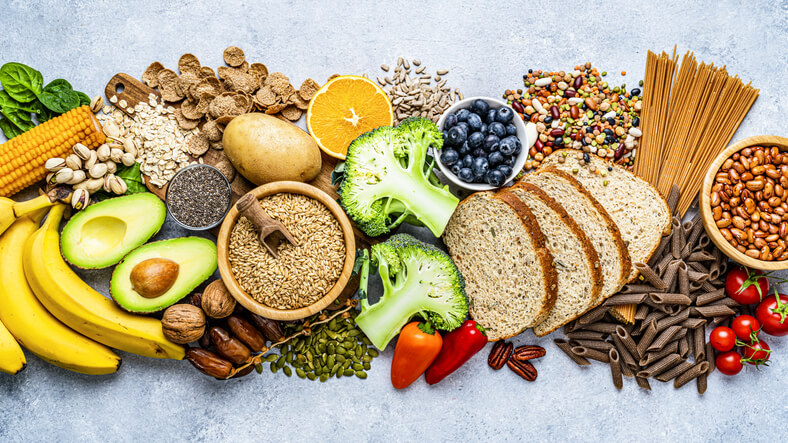
Eat real food most of the time. Build meals around protein, fruits, vegetables, and high-fiber foods. Limit sugary drinks and highly processed snacks.
Move every day. Daily walking helps many parts of health. It also supports better sleep and better weight control.
Add strength training. You do not need to train like a bodybuilder. You just need regular muscle work, done safely.
Cut down the biggest “hormone blockers.” For many adults, the biggest blockers are poor sleep, too much alcohol, and high stress with no recovery time.
A note about symptoms and testing
Many hormone symptoms can look like other health problems. For example, poor sleep from sleep apnea can cause fatigue, low sex drive, and weight gain. Some people also have low energy or brain fog from thyroid problems, depression, or medication side effects.
That is why lab testing matters when symptoms are serious or long-lasting. It helps you avoid guessing. It also helps your provider make a plan that fits your body, your goals, and your health history.
Natural lifestyle steps can help many people, but they should not replace medical care when it is needed.
How Does Diet Impact Hormone Levels?
Food affects hormones in a few clear ways. You do not need complicated rules. You need to have steady habits.
Diet affects hormones through weight and belly fat
If your body stores more fat, especially around the belly, hormone balance often gets worse. The key is not “crash dieting.” Quick, extreme diets can backfire. They can leave you tired, hungry, and more likely to quit.
The goal is slow, steady change you can keep.
Many men who are overweight see improvements in testosterone levels after weight loss. Most also feel better in real-life ways, like improved energy and improved sexual function. This is not because weight loss is “easy.” It is because belly fat can push the body toward worse hormone patterns.
Diet affects hormones through blood sugar balance
If you eat lots of sugary foods and drinks all day, your blood sugar rises and falls again and again. Many people feel tired, hungry, and moody when this happens. Over time, this pattern can make weight gain easier.
A simple fix is to build meals that keep you full longer. Most people do well when meals include:
- A protein (chicken, fish, eggs, beans, tofu, or Greek yogurt)
- A high-fiber food (vegetables, fruit, beans, or whole grains)
- A healthy fat (olive oil, avocado, nuts, or seeds)
You do not have to follow a perfect diet. You just need a pattern that keeps you steady.
Diet affects hormones through missing nutrients
Your body needs vitamins and minerals to do its job. If you are low in key nutrients, hormone health can suffer.
For example, if someone is low in zinc, that can be linked with lower testosterone. In those cases, fixing the deficiency can help. This does not mean everyone should take zinc. It means your body works best when you are not deficient.
Vitamin D is another example people ask about. Some studies show that vitamin D may help testosterone in certain men, while other studies show little or no change. The safest plan is not to guess. It is to test when needed and treat deficiencies with clinical guidance.
Diet affects hormones through alcohol
Alcohol matters for hormone health for two big reasons. First, it can hurt deep sleep. Second, heavy or frequent alcohol use can lower testosterone production over time.
If you are trying to optimize hormones, cutting back on alcohol is often one of the fastest “high impact” changes.
How Does Exercise and Physical Activity Affect Your Hormones

Exercise is one of the best tools for hormone health, but it must be the right kind of exercise at the right amount.
Strength training supports healthy testosterone
Strength training helps your body keep muscle and build strength. This supports better body shape, better metabolism, and better confidence. Many people also notice better energy and mood when they train regularly.
You do not need complicated workouts. Many people do well with a simple plan:
- Strength training 2 to 4 days per week
- A mix of leg work, pushing, pulling, and core work
- Slow, steady progress over time
Progress does not mean “go heavy every day.” It means you slowly get stronger over weeks and months, with good form and enough rest.
Hard exercise can support HGH patterns
HGH often increases during harder exercise. This is one reason many people feel a “second wind” during intense training and feel good afterward. But intense exercise should be used the right way.
If you do hard workouts every day without rest, your body may not recover well. Poor recovery can lead to worse sleep, more injuries, and burnout. That is not good for hormones.
A safe “starter” plan for many adults is:
- Strength training a few days per week
- Walking most days
- One or two “harder” cardio sessions per week, only if your health allows it
Daily movement matters
If you do one workout but sit the rest of the day, you miss a big chance for better health. Daily movement helps with weight control, sleep, mood, and energy. Those changes support healthier hormone patterns.
If you want a simple goal, start with walking. It is safe for most people, easy to track, and easy to build into your routine.
Sleep and Hormone Levels: What’s the Connection?
Sleep is one of the strongest lifestyle drivers for hormone balance.
Sleep and testosterone
Testosterone is closely tied to sleep. When sleep is short or poor for many nights, testosterone can drop. Many people also feel worse in daily life when sleep is poor. They feel more tired, less motivated, and hungrier. That can lead to weight gain and worse habits, which can make hormone balance worse.
Sleep and HGH
HGH produced and released by the pituitary gland mostly during deep sleep. If deep sleep is poor, HGH release may also be lower. This matters because deep sleep is when your body does a lot of its repair work.
How to improve your sleep patterns in simple steps
You do not need fancy tools. Start with basics:
Keep sleep and wake times steady. Even on weekends, try not to shift too much.
Make your room cool, dark, and quiet. Small changes here can help quickly.
Avoid alcohol close to bedtime. Alcohol can make you sleepy at first, but it can reduce deep sleep later.
Cut screens before bed if you can. If you must use screens, lower brightness and avoid stressful content.
Pay attention to warning signs. If you snore loudly, wake up choking or gasping, or feel exhausted in the morning, talk to a clinician. Sleep issues are common and treatable, and improving sleep can improve how you feel across the board.
The Top Five Natural Ways to Optimize Testosterone Levels
1) Get enough sleep
Better sleep supports better hormone patterns. Sleep disturbances can lower testosterone in a short period of time. Try these five tips:
1.) Pick a bedtime you can keep and keep it like an appointment
Going to bed and waking up at relatively the same time every day, even on the weekends, helps reset your circadian rhythm and keep your testosterone levels from fluctuating.
2) Lift weights a few days each week
Strength training supports muscle and can support healthy testosterone over time.
Try this: Start with 2 days a week and keep it simple.
3) Work toward a healthier waistline
Extra belly fat is often linked with worse hormone balance. Many men see testosterone improve with weight loss.
Try this: Walk daily and cut sugary drinks first.
4) Cut back on alcohol
Heavy drinking can lower testosterone over time and also harm sleep.
Try this: Choose fewer drinking days per week.
5) Eat enough protein and real food (avoid crash diets)
Very low-calorie diets can leave you tired and make it harder to train and recover.
Try this: Add protein at breakfast and lunch and keep healthy snacks available.
The above tips not only can help you maintain optimal testosterone levels, they can also lower blood pressure, reduce insulin resistance, and improve heart health!
The Top Five Natural Ways to Optimize HGH Levels
1) Protect deep sleep
HGH release is closely tied to deep sleep.
Try this: Keep a steady bedtime and a cool, dark room.
2) Add short bursts of harder exercise (if safe for you)
Harder exercise can support healthy HGH patterns.
Try this: Once or twice per week, do short intervals like brisk hill walking.
3) Do strength training
Strength training supports muscle and healthier body balance.
Try this: Use safe form and slowly increase weight or reps.
4) Work on healthy weight (especially belly fat)
Higher body fat, especially around the waist, can be linked with lower HGH release.
Try this: Combine daily movement with better food choices you can keep.
5) Avoid habits that wreck sleep
Late alcohol, heavy late meals, and irregular sleep schedules can reduce deep sleep.
Try this: Eat dinner earlier when you can and create a calm bedtime routine.
Lifestyle Changes in Support of Hormone Therapy: A Comprehensive Approach
If you are on TRT or HGH therapy or think you may be in need of hormone therapy, lifestyle still matters. In fact, lifestyle often decides how good your HRT results will be.
Here is why:
Lifestyle helps symptoms improve more fully – If you sleep poorly, you may still feel tired even if labs improve. If you do not move, it is harder to improve strength and body shape.
Lifestyle helps your plan stay safe and steady – Good habits support better heart health, better weight control, and better sleep. These are important for long-term health.
Lifestyle helps you get more value from your treatment – Hormone therapy is not meant to replace healthy habits. It is meant to support your body when you truly need medical help. The best plan uses both.
A patient-friendly, comprehensive hormone therapy plan usually includes:
Sleep first: Aim for steady sleep times and enough hours.
Food that matches your goal: If your goal is fat loss, keep meals consistent and avoid liquid sugar. If your goal is strength, eat enough protein and do not under-eat.
Exercise you can recover from: Strength training plus walking is a strong base. Add harder workouts only when sleep and recovery are good.
Alcohol and stress control: Cutting back on alcohol often improves sleep and recovery. Stress management supports better sleep and better eating habits.
Regular check-ins and labs: If symptoms are strong, comprehensive hormone testing helps you avoid guessing and helps you get a plan that is personal and safe.
If you feel tired, gaining weight, losing strength, or not feeling like yourself, do not assume it is “just age.” Lifestyle changes can help, but you may be a good candidate for HRT. But the only way to know is to contact us today for your free evaluation.
Frequently Asked Questions About Hormones and the Impact of Lifestyle
Can lifestyle changes really improve low testosterone symptoms?
Yes—especially when symptoms are driven by poor sleep, excess body fat, high stress, heavy alcohol intake, or inconsistent training. Many people see meaningful improvements in energy, motivation, body composition, and libido when they address those basics consistently. However, if symptoms are persistent or severe, lab testing is still important to rule out medical causes.
How quickly can sleep improvements affect hormones?
Sleep can cause hormonal imbalance faster than people expect. Better sleep can improve morning energy, mood, appetite control, and workout recovery within days to weeks. Hormones tend to follow those improvements over time—particularly when sleep is consistent, deep, and aligned with a steady schedule.
Is cardio or weight training better for hormone balance?
Both help, but in different ways. Weight training is especially helpful for maintaining muscle and supporting healthy testosterone signaling. Cardio supports heart health, stamina, and metabolic health. For most people, a balanced routine that includes both—plus recovery days—is the best long-term approach.
Does alcohol really affect testosterone that much?
It can. Alcohol often interferes with sleep quality and recovery, and those two factors alone can affect hormone balance. If you are trying to optimize hormones, cutting back—especially on frequent or heavy drinking—is one of the most reliable lifestyle upgrades.
Can I “naturally boost HGH” without therapy?
You can support your body’s normal HGH release patterns by improving deep sleep, exercising consistently, and reducing excess body fat. That said, “boosting HGH” naturally has limits. If someone has true growth hormone deficiency, it requires medical testing and clinical supervision.
Should I take vitamin D or zinc to boost testosterone?
Only if you actually need them. These supplements are most useful when someone is deficient. Taking high doses is “just in case” can be unnecessary and sometimes counterproductive. A better approach is to focus on a nutrient-dense diet and use lab testing when appropriate.
Do lifestyle changes still matter if I’m on TRT or HGH therapy?
Absolutely. Lifestyle determines how well you translate treatment into real results—better body composition, stronger workouts, improved recovery, steadier energy, and healthier metabolic markers. Therapy can help, but sleep, nutrition, training, and stress management are what make progress sustainable.