
Many people only think of growth hormone deficiency in children. However, adult-onset, or age-related, growth hormone deficiency (AGHD) is far more common than most people realize. Unfortunately, you cannot rely on symptoms alone to know if you have this condition. The only way to confirm a diagnosis of AGHD and receive a valid prescription for HGH therapy is through specific laboratory tests. These tests not only use blood samples to measure growth hormone function but also look for biomarkers that reflect your body’s ability to produce and respond to HGH.
Diagnosis is a multi-step process that combines a patient’s clinical history with advanced hormone testing and blood work. Unlike testosterone or thyroid hormones, HGH is secreted in pulses throughout the day, making a random blood sample insufficient. Instead, physicians rely on laboratory tests that look at indirect but reliable “biomarkers,” including insulin-like growth factor 1 (IGF-1). Other kinds of diagnostics, such as dynamic stimulation testing, may be used to assess your body’s ability to produce and release HGH.
If you are experiencing symptoms such as chronic fatigue, reduced muscle mass, increased belly fat, difficulty focusing, or mood instability, these could all point to AGHD. However, these symptoms alone are not enough to justify treatment. Proper HGH blood testing ensures a correct diagnosis, helping prevent mismanagement and guaranteeing that therapy is both effective and safe.
In the following sections, we will explore the most common HGH blood tests, what “normal” HGH levels look like in adults, and how to prepare for your evaluation. With accurate testing, adults struggling with low growth hormone can move forward with confidence, knowing they have objective proof of their deficiency and a clear pathway toward personalized treatment with HGH injections.
The Most Common Blood Tests for Diagnosing Growth Hormone Deficiency
Diagnosing HGH deficiency in adults requires more than a single test of blood samples. A random HGH reading is unreliable because HGH is secreted in small bursts, particularly at night. For this reason, doctors turn to a combination of laboratory methods to obtain an accurate diagnosis of adult growth hormone deficiency.
The insulin-like growth factor (IGF-1 test) is the most commonly used. IGF-1 is produced by the liver in response to HGH, and unlike HGH itself, IGF-1 levels remain relatively stable throughout the day. Low IGF-1 levels strongly suggest inadequate growth hormone production. This test is often the first indicator that a patient may be deficient.
Another important tool to detect adult growth hormone deficiency is the growth hormone stimulation test. In this procedure, a stimulant agent—such as insulin or arginine—is administered to trigger HGH release from the pituitary gland. Blood is then drawn at specific intervals to see how well your body responds. Failure to produce adequate HGH during this challenge confirms a diagnosis of deficiency.
In addition to these primary tests, physicians may also order baseline metabolic evaluations, thyroid testing, or other hormone panels to rule out related conditions. The diagnosis is never based on numbers alone; it is the combination of test results, medical history, and physical symptoms that determines whether HGH therapy is necessary.
These blood tests are not only essential for diagnosis but also serve as benchmarks for future monitoring. Once treatment begins, follow-up testing helps ensure your therapy is safe, effective, and customized to your individual needs.
What Are the Normal HGH Levels for Adult Men and Women?
Unlike hormones such as testosterone or estrogen, HGH does not have a steady level throughout the day. It rises and falls in “pulses,” especially during deep sleep. For this reason, direct HGH blood measurements are rarely reliable. Instead, doctors look at IGF-1 ranges, which provide a more consistent picture of growth hormone activity.
While exact ranges vary by laboratory and methodology, typical IGF-1 reference values include:
- Men ages 20–40: 200–450 ng/mL
- Men over 40: 100–300 ng/mL
- Women ages 20–40: 150–400 ng/mL
- Women over 40: 100–275 ng/mL
Falling below these ranges, especially when combined with symptoms like fatigue, brain fog, muscle weakness, and abdominal weight gain, may indicate AGHD. These numbers, however, are only one part of the diagnostic puzzle.
To see if you qualify for growth hormone treatment, your physician will interpret test results in the context of your symptoms, age, and overall health. Some people with “borderline” values may still benefit from therapy if their daily functioning is significantly impacted. Conversely, others with numbers at the low end of the range may not require intervention.
At HGH Therapy Doctor, we treat each patient individually. Testing is not about chasing numbers but about confirming deficiency and providing a medical plan that restores vitality, balances hormones, and promotes long-term health.
Understanding HGH Blood Test Results
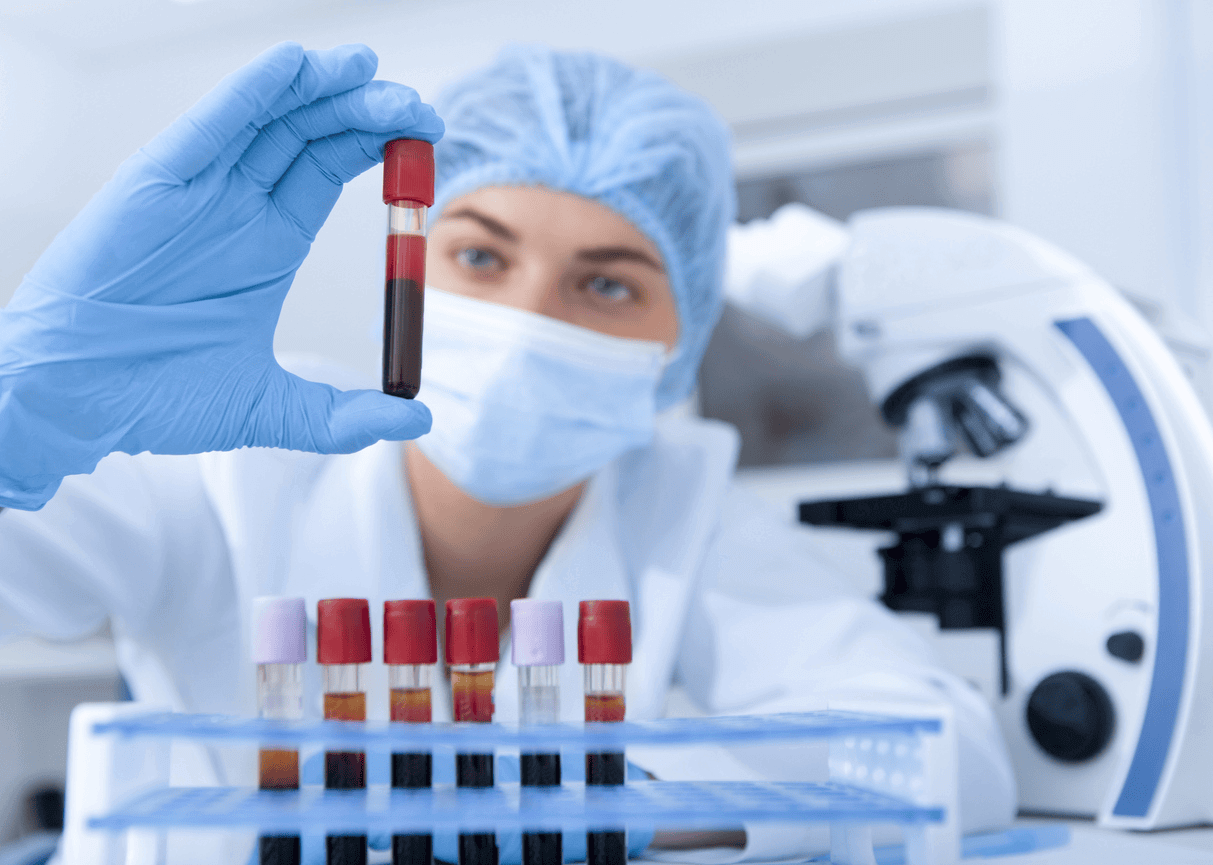
Once your testing is complete, your physician will review the findings in detail. Unlike a simple cholesterol panel, HGH results require expert interpretation. A single number cannot confirm or rule out GH deficiency. Instead, your doctor will consider the results of stimulation tests, IGF-1 measurements, and your overall symptom profile.
If testing reveals inadequate growth hormone production, you may be a candidate for prescription HGH therapy. This type of growth hormone treatment, available by injection and must be carefully monitored by a qualified physician. At HGH Therapy Doctor, we perform ongoing follow-up testing to ensure your treatment remains safe and effective.
The results of your HGH blood test are more than just a diagnosis; they form the foundation of your personalized treatment plan. Properly monitored HGH therapy can improve energy, restore muscle tone, reduce stubborn fat, and support overall mental clarity. Understanding your test results is the first step toward reclaiming your health.
How Do I Prepare for an HGH Blood Test?
The preparation for HGH testing depends on the type of test being performed. If you are scheduled for an IGF-1 blood test, preparation is usually minimal. However, stimulation testing may require more specific steps.
Common preparation guidelines include:
- Fasting for several hours before the test.
- Avoid certain medications that could interfere with results.
- Taking a prescribed stimulant as directed by your physician prior to the test.
- Performing a brief exercise if requested, since activity can affect HGH release.
It is critical to follow your doctor’s instructions carefully. Failure to do so may result in inaccurate results, requiring the test to be repeated.
At HGH Therapy Doctor, your care team will walk you through the entire process, ensuring that you are comfortable and fully informed. Preparation not only helps with accuracy but also reduces unnecessary stress, making the testing process smooth and reliable.
What Do the Results of Your HGH Blood Test Mean?
If your HGH and IGF-1 test results indicate insufficient hormone production, you may be diagnosed with AGHD. For adults, this means that your pituitary gland is no longer producing enough growth hormone to sustain vital processes such as metabolism, cellular repair, and cognitive function.
Being diagnosed with AGHD can be overwhelming, but it is also empowering. With this knowledge, you can take proactive steps to restore balance through prescription growth hormone treatment. When prescribed and monitored by experienced physicians, HGH therapy is both safe and effective.
Potential benefits of treatment include:
- Increased physical energy and endurance
- Greater lean muscle development
- Improved fat metabolism and reduced body fat
- Better mood, memory, and cognitive performance
- Stronger bones and reduced osteoporosis risk
- Enhanced sleep and sexual function
Blood test results are not the end of the story—they are the beginning of a comprehensive treatment journey that can restore vitality and confidence.
Comparison of HGH Blood Tests
| Test |
Purpose |
Reliability |
When It’s Used |
Preparation |
| IGF-1 Test |
Measures insulin-like growth factor-1, a stable reflection of HGH activity |
High reliability for long-term HGH activity |
First-line test for suspected AGHD; used to monitor treatment response |
None (simple blood draw) |
| HGH Stimulation Test |
Assesses pituitary response after a stimulant (e.g., insulin, arginine) |
Very reliable for confirming deficiency |
Gold standard for diagnosing AGHD when IGF-1 levels are low or inconclusive |
Fasting required; stimulant given before blood draws |
| HGH Suppression Test |
Evaluates whether HGH production can be lowered appropriately |
Reliable for detecting HGH excess (acromegaly) |
Rarely used for AGHD; performed when excess growth hormone is suspected |
Fasting required; glucose or other agent administered |
| Baseline Metabolic Panel |
Evaluates related metabolic factors (cholesterol, glucose, liver enzymes) |
Moderate; provides supporting information |
Used alongside HGH testing to rule out related metabolic or endocrine issues |
Usually fasting (for glucose/lipid accuracy) |
| Thyroid & Other Hormone Panels |
Rules out thyroid or pituitary dysfunction that can mimic AGHD |
High for ruling out secondary causes |
Ordered to ensure symptoms are due to HGH deficiency and not another hormone issue |
None (simple blood draw) |
How Do We Treat Growth Hormone Deficiencies?
The gold standard for treating AGHD is prescription growth hormone therapy. HGH replacement is only available through injections. There is no such thing as an HGH pill, spray, or powder. Any such product claiming to be HGH or containing HGH is misleading and should be avoided.
If you are interested in HGH therapy, you should only choose from the kind of “name brand” HGH injections like these we prescribe, such as:
- Genotropin
- Omnitrope
- Norditropin
- Humatrope
- Saizen
These brands differ slightly in dosage options and delivery systems, but all are effective when prescribed by a qualified physician. The right brand for you depends on your specific medical profile, lifestyle, and treatment goals.
At HGH Therapy Doctor, we ensure every patient receives a tailored program with ongoing monitoring. Growth hormone therapy is not one-size-fits-all, and careful management is essential to ensure safety and results.
What Kind of Results Could I Expect From Growth Hormone Therapy?
Adults who undergo properly supervised HGH therapy often experience dramatic improvements in health and quality of life. Some of the most common benefits reported include:
- Reduced body fat and improved body composition
- Enhanced stamina and physical performance
- Better sleep cycles
- Improved cognitive function and mood regulation
- Strengthened bones and cardiovascular health
- Higher libido and improved sexual wellness
Results vary from patient to patient, and the timeline for improvement may range from weeks to several months. Consistency, medical supervision, and adherence to your treatment plan are essential for the best outcomes.
How Does Growth Hormone Therapy Work?
HGH is produced and released by the pituitary gland, one of the most important glands of the endocrine system. As we age, our natural production of HGH steadily declines. This leads to slower cell regeneration, reduced energy, diminished muscle tone, and many of the symptoms commonly associated with aging.
HGH therapy restores youthful levels of the hormone, allowing the body to repair tissues, boost metabolism, and support cardiovascular and neurological health. By increasing IGF-1 production in the liver, therapy enhances the body’s ability to rebuild and rejuvenate itself.
Over time, this process can restore energy, sharpen mental clarity, reduce fat, and build lean muscle. The science of HGH therapy is straightforward: by replacing what age takes away, the body functions more like it did in your youth.
Is Growth Hormone Therapy Right for Me?

If your HGH blood testing confirms deficiency and you are struggling with fatigue, weight gain, mood decline, or reduced physical performance, then HGH therapy may be right for you. The key is proper testing and expert medical oversight.
Without treatment, AGHD often worsens with age, compounding symptoms and reducing quality of life. With treatment, however, many patients feel as though they have been given a second chance. At HGH Therapy Doctor, our patients often describe their results as life-changing.
Does It Matter Where You Get Your Hormones Tested and HGH Prescribed?
Yes, it matters greatly. While at-home kits and generic clinics may seem convenient, they often lack the precision, medical oversight, and follow-up care required for safe hormone therapy.
At HGH Therapy Doctor, we provide expert testing, diagnosis, and personalized treatment plans. Our specialists are recognized leaders in hormone replacement medicine and have helped countless men and women restore balance, vitality, and confidence through HGH therapy.
When it comes to hormone health, precision and expertise matter. Choose a trusted partner committed to your long-term success.
If you are struggling with fatigue, stubborn weight gain, poor sleep, or declining vitality, it may be due to growth hormone deficiency. At The HGH Therapy Doctor, we provide accurate testing, expert diagnosis, and individualized HGH therapy programs to help you restore energy, strength, and confidence.
Contact us today to schedule your confidential consultation. Take the first step toward reclaiming your health and vitality with HGH Therapy Doctor.
FAQs: HGH Blood Testing and HGH Therapy
1. Why can’t a simple blood test diagnose HGH deficiency?
Because HGH is secreted in pulses throughout the day, a single measurement is unreliable. IGF-1 testing and stimulation tests provide more accurate results.
2. What is an IGF-1 test, and why is it important?
IGF-1 reflects your body’s average HGH activity, making it a more stable and reliable marker than direct HGH levels.
3. How long does an HGH stimulation test take?
Typically, 2–4 hours, as blood is drawn at multiple intervals after a stimulant agent is administered.
4. Do I need to fast before my HGH blood test?
Yes, for most tests, you will be asked to fast for several hours to ensure accurate readings.
5. How often do I need follow-up blood tests once I start HGH therapy?
Monitoring is usually performed every 3–6 months to ensure safety and effectiveness.
6. Are there risks to HGH blood tests?
Risks are minimal—similar to any blood draw—though stimulation testing may cause temporary dizziness or nausea.
7. Can HGH therapy be adjusted based on my blood test results?
Yes, dosage adjustments are made based on test findings to ensure your therapy is both safe and effective.
8. How soon after diagnosis can I begin HGH therapy?
Once testing confirms HGH deficiency and your physician approves, treatment can usually begin immediately.