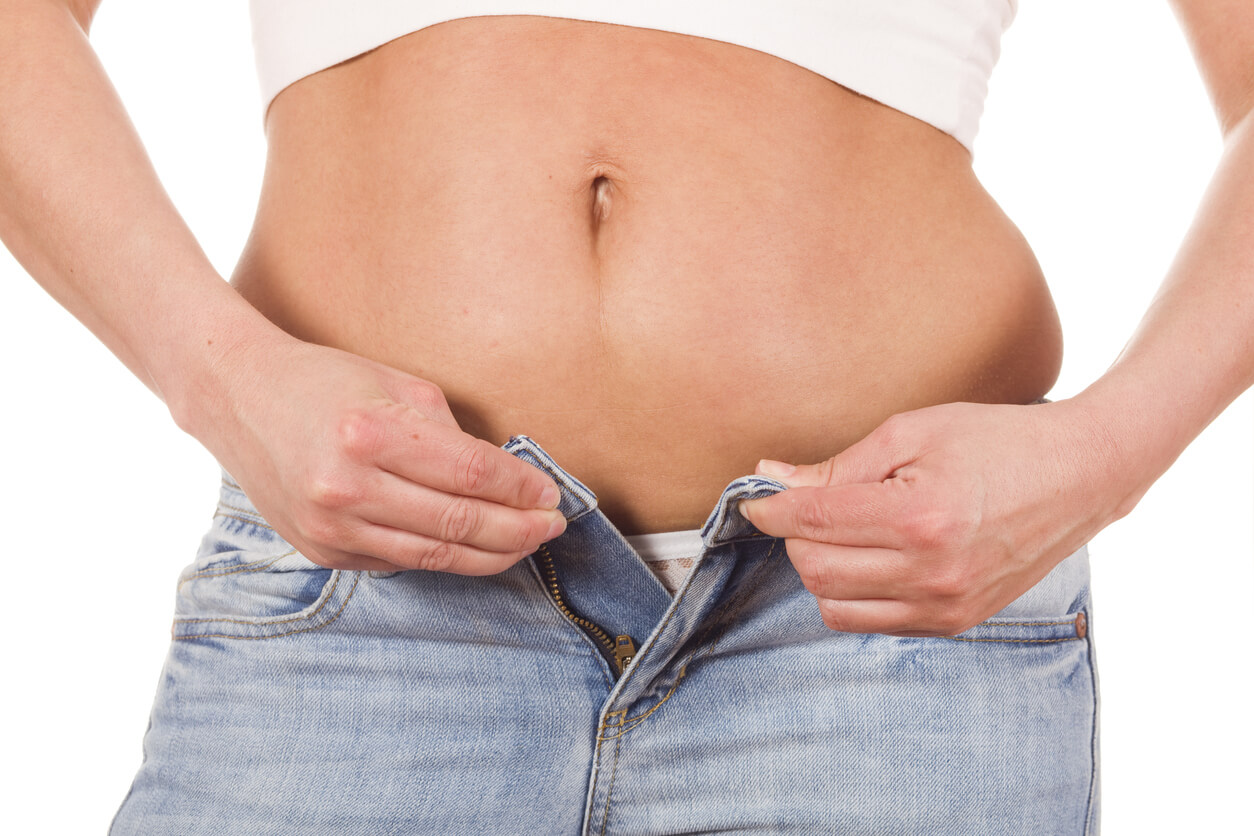
 HGH Therapy can boost metabolism and help your body burn fat and build more lean muscle, providing healthy and sustainable weight loss.
HGH plays an important role in how your body uses energy, builds lean muscle, and burns fat. As natural HGH levels drop with age, many adults begin to notice slower metabolism, more body fat, less muscle tone, and lower energy.
This is where HGH Therapy comes in. While HGH is not specifically prescribed for “weight loss”, in adults who are struggling with weight and have been diagnosed with low HGH levels, it can help in many ways.
Let’s take a closer look at how HGH helps support metabolism, why that matters for fat loss, and how treatment may help the body work more efficiently again.
How Does HGH Affect Metabolism and Fat Loss?
HGH, or human growth hormone, helps regulate many important jobs in the body. One of its biggest roles is helping the body manage how it uses fat, sugar, and muscle tissue for energy. When HGH levels are healthy, the body is often better able to maintain lean muscle, use stored fat, and keep metabolism moving at a steadier pace. When levels fall, many adults notice that it becomes easier to gain fat and harder to stay lean.
This is one reason HGH therapy often gets attention in the weight loss conversation. HGH is not usually prescribed as a stand-alone weight loss drug. That is not the point of treatment. The real goal is to restore healthy hormone support in a way that helps improve body composition, energy use, and metabolic function. For many patients, one of the most noticeable benefits is that fat loss becomes easier while muscle maintenance improves.
In people with significant obesity, HGH may also be used as part of a broader medical weight loss plan. In that setting, it is not a shortcut. It is one tool that may help the body respond better to healthy eating, activity, and physician-guided treatment.
What Is Metabolism?
Metabolism is the process your body uses to turn food into energy. It includes everything your body does to keep you alive and functioning. Your metabolism helps control how you burn calories, how you store fat, how you build or keep muscle, and how much energy you have during the day.
A faster and healthier metabolism does not mean your body is working too hard. It means your body is using fuel in a more efficient way. That matters because efficient metabolism helps support a healthy weight, stronger muscles, better stamina, and more stable daily energy.
Metabolism is affected by many things. Age matters. Muscle mass matters. Sleep matters. Hormones matter too. When important hormones like HGH drop with age, the body may start burning fewer calories, storing more fat, and losing muscle over time.
How Does HGH Affect Metabolism?
HGH helps the body in two very important ways when it comes to metabolism. First, it helps support the breakdown of stored fat. Second, it helps protect and support lean muscle tissue. These two actions matter because muscle burns more energy than fat, even when your body is at rest.
In adults with growth hormone deficiency, the body often shifts in the wrong direction. Fat stores increase, especially around the waist. Lean muscle may decline. Energy may drop. Over time, this can make weight gain more likely and fat loss more difficult. Adults with growth hormone deficiency are known to have less lean body mass and more body fat than healthy controls.
HGH therapy can help reverse some of those changes in the right patients. Research in adults with confirmed growth hormone deficiency has shown reductions in body fat and increases in lean body mass with treatment. That does not mean overnight transformation. It means the body may begin to work in a more supportive and balanced way again over time.
HGH also affects the way the body handles fats and sugars. This is part of why it is tied so closely to overall metabolic health. When treatment is properly monitored, it may help improve several markers linked to metabolic wellness and body composition.
HGH and Improved Body Composition
Body weight does not tell the whole story. Two people can weigh the same and look very different based on how much of that weight is fat and how much is lean muscle. That is what body composition means and why body composition matters.
For many adults, the real problem is not just the number on the scale. The problem is that they have more fat mass and less lean muscle than they used to. This often happens with age, low activity, poor sleep, stress, and falling hormone levels. It can lead to a softer body shape, slower metabolism, lower strength, and reduced stamina.
HGH therapy may help improve body composition by helping the body reduce fat mass while supporting lean tissue. This is a major reason why patients often report that clothing fits better, waist size improves, and body shape changes even before large changes show up on the scale.
This is also why HGH is often discussed in anti-aging medicine. It supports more than appearance alone. Better body composition can make movement easier, support better energy, and help patients feel stronger and more capable in daily life.
Can HGH Help You Build Muscle and Burn Fat?

Yes, that is one of the most well-known effects of HGH therapy when it is used appropriately in adults who truly need treatment. HGH helps support lean muscle and encourages the body to use fat more effectively. This combination can make a real difference for body recomposition.
It is important to understand what this really means. HGH does not replace exercise, healthy eating, or a sound treatment plan. It does not melt off fat without effort. What it can do is help create a stronger foundation for better results. When patients have healthier hormone support, they often find it easier to stay active, recover from exercise, and maintain the lean muscle that helps keep metabolism stronger.
That matters because muscle and metabolism work together. The more lean muscle your body keeps, the better your calorie use tends to be. Over time, that relationship can support fat loss and better weight control. This is one reason most patients notice gradual changes in shape, tone, and weight after starting therapy under medical supervision.
Why Is Increasing Metabolism Important for Older Adults
As people get older, many notice that the same habits no longer give the same results. Weight is easier to gain. Belly fat becomes harder to lose. Muscle tone fades faster. Energy drops. Recovery takes longer. A big reason for this is that metabolism often slows with age.
When metabolism slows, the body burns fewer calories and often stores more fat. At the same time, natural muscle loss becomes more common. In older adults this is a recognized condition known as Sarcopenia, which is defined as “the age-related progressive loss of muscle mass and strength.”
This can create a frustrating cycle. Less muscle leads to lower calorie burn. Lower calorie burn makes fat gain more likely. Extra fat makes movement harder. Lower activity then worsens the problem.
Supporting metabolism is important because it helps older adults protect strength, mobility, stamina, and independence. It is not only about looks. A healthier metabolism supports better function across the whole body. HGH is one of the hormones that help support this process, which is why low levels can have such a noticeable effect over time.
For many adults, improving metabolism can mean feeling more like themselves again. It can mean better energy in the morning, less struggle with stubborn fat, and a more active lifestyle overall.
HGH, Obesity and Weight Loss
HGH is not specifically prescribed as a weight loss treatment. That point is important. The goal of therapy is to support hormone balance, better body composition, and improved metabolic function. Still, weight loss is often one of the major benefits patients notice, especially when treatment is part of a complete physician-guided plan.
Obesity is closely tied to poor metabolic health, low activity, chronic inflammation, and hormone imbalance. In some patients, low HGH activity and excess body fat can feed each other. More body fat can worsen hormone problems, and weaker hormone support can make fat loss harder. This is one reason stubborn weight gain can feel so difficult to reverse without a more complete treatment strategy.
When HGH is used for the right patient, it may help the body become more responsive to lifestyle changes. Patients often do better with movement, daily energy, and body composition goals when the body is no longer working against them in the same way.
For adults with significant obesity, HGH may also be added to a broader medical weight loss program in select cases. In that setting, it supports the larger goal of improving metabolic health, preserving lean tissue, and helping the body burn fat more effectively while other treatments address appetite, nutrition, activity, and long-term weight control.
How HGH Helps Reduce the Risk of Metabolic Conditions
Metabolism affects far more than body weight. It also influences blood sugar control, waist size, fat storage, cholesterol balance, energy use, and inflammation. When metabolism becomes unhealthy, the risk of bigger problems often rises.
Adults with low growth hormone levels often show a pattern of increased belly fat, lower lean muscle, poorer lipid balance, and higher rates of metabolic syndrome. These are not small changes. They are part of the reason low HGH can affect whole-body health.
HGH therapy may help improve some of these risk factors by improving body composition and supporting healthier metabolic function. Better lean mass, lower fat mass, and improved lipid patterns can all be part of the bigger picture. This does not mean HGH is a cure-all. It means that better hormone support may help move the body in a healthier direction.
This is why treatment should always be individualized. Good care looks at the full picture, including symptoms, body composition, weight history, lab work, and overall wellness goals.
HGH and Reduced Risk of Metabolic Syndrome
Metabolic syndrome is a cluster of health problems that often happen together. These may include high belly fat, blood sugar problems, abnormal cholesterol, and high blood pressure. When these issues build up, the risk of future health trouble rises.
Adults with growth hormone deficiency have been shown to have higher rates of metabolic syndrome than the general population. That matters because it helps explain why low HGH can affect much more than appearance or energy alone.
By helping reduce fat mass and support healthier body composition, HGH therapy may help improve some of the same risk factors tied to metabolic syndrome. That is especially important for older adults who are beginning to notice weight gain around the middle, lower muscle tone, and changes in energy or stamina.
When used as part of a full treatment plan, HGH can support a healthier metabolic profile. For many patients, this means treatment is about much more than the scale. It is about improving the internal conditions that help the body function better day after day.
HGH and Reduced Risk of Cardiovascular Disease
Heart health and metabolic health are closely linked. When body fat rises, especially around the waist, the strain on the body can increase. Problems with cholesterol, blood sugar, and inflammation can also raise long-term cardiovascular risk.
Adults with untreated growth hormone deficiency have been found to have an unfavorable cardiometabolic profile, and HGH therapy has been associated with improvement in several cardiovascular risk factors, especially those tied to body composition and lipids.
This does not mean HGH is a direct heart medicine. It means that supporting healthier hormone balance may help improve some of the conditions that affect heart health over time. A leaner body composition, better metabolic function, and healthier energy balance can all be part of that larger benefit.
For patients already dealing with weight gain, slower metabolism, and age-related body changes, that broader support can be very meaningful. It is another reason why a careful, medically supervised plan matters so much.
The Other Benefits of HGH Therapy
Weight loss and metabolism are only part of the story. Many adults seek HGH therapy because they want to feel healthier, stronger, and more capable overall. When treatment is appropriate, the benefits often reach many parts of daily life.

Common benefits may include:
- Better body composition
- Improved lean muscle support
- Reduced fat mass
- Better exercise recovery
- Improved daily energy
- Better physical stamina
- Support for healthier aging
- Improved sense of wellness and quality of life
These benefits can work together. Better energy can make it easier to stay active. Better recovery can help patients exercise more consistently. More lean muscle can support stronger metabolism. Lower body fat can help clothes fit better and movement feel easier. Over time, these changes often build on each other in a very positive way.
Why Come to The HGH Therapy Doctor for Treatment?
The right treatment plan should never be one-size-fits-all. Hormone care works best when it is based on your symptoms, your goals, your body composition, your health history, and careful medical oversight.
That is especially true with HGH therapy. The goal is not simply to chase weight loss. The goal is to understand why metabolism has slowed, why body composition has changed, and how hormone support may help restore better balance. Good treatment is thoughtful, personalized, and built around safe follow-up and real progress over time.
For patients who struggle with low energy, stubborn fat gain, lower muscle tone, and age-related metabolic slowdown, expert evaluation can help uncover whether HGH therapy should be part of the answer.
What Makes Us Different
At The HGH Therapy Doctor, with locations in New York, Miami, Los Angeles and more, treatment starts with the full picture. Our team looks beyond the number on the scale and focuses on the real reasons your body may not be responding the way it used to. We take time to understand your symptoms, your health history, your goals, and the way age-related hormone changes may be affecting your metabolism, body composition, and quality of life.
Our doctors use a personalized approach built around careful testing, clinical judgment, and ongoing monitoring. That means your plan is designed for you, not pulled from a generic template. If HGH therapy is appropriate, it is guided with close attention to safety, progress, and long-term results. We also understand that for some patients, the best outcome comes from combining hormone support with a broader medical weight loss strategy to help protect muscle, improve fat loss, and support healthier aging from the inside out.
If you are struggling with slower metabolism, stubborn weight gain, loss of muscle tone, or low energy, it may be time to look deeper. Contact Us today to schedule a consultation and find out whether a personalized HGH treatment plan can help support fat loss, lean muscle, and healthier metabolism.
Frequently Asked Questions About HGH, Metabolism and Weight Loss
- How long does it usually take to notice body composition changes on HGH therapy?
Many patients notice early changes in energy or recovery before they see major changes in the mirror. Body composition changes often build gradually over several months. Fat loss and muscle support usually happen over time, especially when treatment is paired with healthy eating, strength training, sleep, and regular follow-up.
- Is HGH therapy the same as taking a weight loss drug?
No. HGH therapy and weight loss drugs are not the same. Weight loss drugs usually focus on appetite, fullness, or blood sugar control. HGH therapy is different. It supports hormone balance, body composition, and metabolic function. In some patients, it may be used alongside a broader medical weight loss plan rather than instead of one.
- Can you lose inches even if the scale does not change much at first?
Yes. That can happen because body composition matters more than weight alone. If your body is reducing fat while supporting lean muscle, your shape may improve before the scale changes in a big way. This is one reason waist size, clothing fit, and body measurements can be helpful signs of progress.
- Does HGH therapy work better with exercise?
Yes. HGH therapy is often most helpful when it is part of a larger healthy lifestyle plan. Walking, strength training, better sleep, and smart nutrition can all improve results. Treatment helps support the body, but habits still matter. Patients who stay active often get more visible body composition benefits over time.
- Can HGH help preserve muscle during a medical weight loss program?
In the right patient, that may be one of its biggest advantages. During weight loss, some people lose muscle along with fat. Since lean muscle helps support metabolism, preserving it is important. HGH may help support lean tissue while the body is working on fat loss, which is one reason it may be added in select obesity treatment plans.
- Who may be a good candidate for HGH therapy in a metabolism-focused treatment plan?
Adults who have symptoms linked to low HGH, changes in body composition, slower metabolism, low energy, or poor recovery may benefit from an evaluation. The best candidates are those who have a medical need, clear goals, and a willingness to follow a supervised treatment plan. Candidacy should always be decided by a qualified physician after proper testing and review.
- Why is medical supervision so important with HGH therapy?
HGH is a prescription treatment and should be used with proper medical oversight. Good supervision helps make sure treatment is appropriate, dosing is tailored, and progress is tracked carefully. It also helps your doctor decide whether HGH should stand alone or be part of a larger plan that may include nutrition changes, exercise guidance, or medical weight loss support.