 There are natural ways you can boost your HGH levels. However, none of these are a substitute for prescription HGH therapy if you have been diagnosed with “age-related” or “adult-onset” growth hormone deficiency. (AGHD.)
Many adults try to “boost hormones naturally” with better sleep, workouts, and supplements. Those steps can help you feel better. But they are not the same as true HGH therapy.
Natural hormone optimization works by supporting what your body already makes. HGH therapy adds medically made growth hormone when your levels are truly low and your symptoms fit. The best results usually come from using both together: medication for the medical need, plus lifestyle support to help your body respond well.
HGH Therapy vs Natural Hormone Optimization
Natural hormone optimization is about healthy habits that support your body’s own hormone production. That means sleep, strength training, good nutrition, stress control and more.
HGH therapy is different. It is a medical program. A qualified HGH doctor reviews your symptoms, checks labs, and uses prescription growth hormone when it is truly needed. Dosing is customized. Follow-ups are planned. The goal is safer, steadier results than “guesswork” approaches. As you will see as you read further, the best “HGH optimization” program for those who are diagnosed with HGH deficiency includes both prescription medications, as well as natural hormone optimization techniques.
What is HGH and How Is it Naturally Produced?
HGH stands for human growth hormone. It is a hormone made by the pituitary gland, one of the most important glands of the endocrine system. Your brain sends a signal, and this small gland near the base of the brain and it releases growth hormone into the blood.
The primary purpose of HGH is to stimulate or regulate all of the processes that allow children to grow into healthy adults of full stature. However, even in adults, growth hormone still matters. It supports healthy body composition, energy, recovery, and overall vitality. Most people make the most growth hormone during deep sleep. Exercise can also increase it for a short time.
As you age, it is common for natural HGH output to drop. For some people, that drop is mild. For others, it can be bigger and come with symptoms that may not improve with lifestyle changes alone. It is in these individuals that further testing may be required to see if they can benefit from growth hormone replacement therapy.
Natural Hormone Optimization vs Hormone Replacement
Natural hormone optimization and hormone replacement are two different things with different goals. However, they often are not mutually exclusive.
Natural optimization:
- Helps your body do its best with what it can make
- Works gradually
- Depends on consistency (sleep, exercise, nutrition)
Hormone replacement:
- Uses prescription medication to bring low levels back toward a healthier range
- Works more directly
- Requires medical testing, dosing skill, and monitoring
A simple way to think about it: lifestyle “supports the system.” Hormone therapy “corrects a bigger gap” when the body is not keeping up. If your HGH level are found to be lower than normal, it is possible that you may be able to raise them back into the normal range with lifestyle and natural optimization methods alone. If your doctor feels that you need a prescription for growth hormone injections, you program will still include “natural optimization” methods to help maximize your results.
HGH Therapy for Adults
Adult HGH therapy is not about turning back time overnight. It is about helping the body function better when growth hormone is too low for your age and needs.
When HGH is prescribed and monitored correctly, many patients report improvements like:
- Better energy and stamina
- Easier recovery after workouts
- Improved body composition (less fat, more lean tone)
- Better sleep quality and overall well-being
Results vary by person. That is why testing and follow-up matter.
Who Needs HGH Therapy?
Not everyone needs HGH therapy. Many people feel “run down” from poor sleep, high stress, or a busy life. In those cases, lifestyle changes may be enough.
HGH therapy may be worth exploring when:
- Symptoms are ongoing (not just a bad week)
- Healthy habits have not fixed the problem
- Your lab results and clinical picture suggest your growth hormone output is truly low for you
The key is getting evaluated by a clinic that focuses on HGH care and knows how to dose and monitor it the right way.
What Are the Symptoms of Age-Related Growth Hormone Deficiency
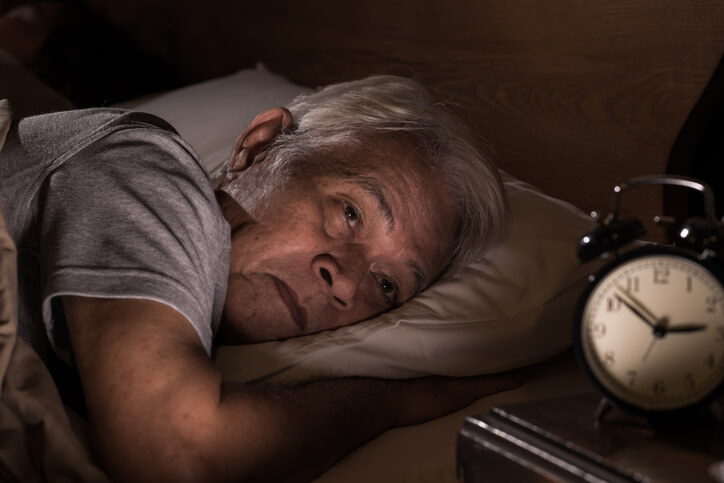
This can look different from person to person, but common symptoms include:
- Low energy that does not improve with rest
- Reduced strength and slower recovery
- More body fat (especially around the midsection)
- Less lean muscle tone
- Poor sleep or waking up tired
- Lower drive and motivation
- Feeling “older than you should” for your age
These symptoms can also overlap with other issues. That is why you should not self-diagnose. A real evaluation matters.
Treating AGHD: HGH Therapy Benefits
The standard of care for patients who have received a genuine diagnosis of AGHD is prescription growth hormone injections. For such patients, the benefits of HGH therapy are many, including, but not limited to:
- Healthier body composition and weight loss
- Increased muscle tone
- Better exercise recovery
- Improved energy and daily stamina
- Better mood and sense of well-being
- Improvements in memory and cognition
- Lowered risk of metabolic conditions like heart disease and diabetes
- Improved strength and vitality
- Improve libido and sexual performance
- Overall improvement in quality of life
Are There Natural Ways to Increase HGH?
Yes. Lifestyle habits can help your body make more growth hormone naturally, especially during sleep and after exercise. These steps are smart for almost everyone:
- Consistent sleep schedule (and enough sleep)
- Strength training and interval-style workouts
- Balanced meals with plenty of whole foods
- Healthy body weight
- Lower alcohol intake (especially at night)
- Stress reduction (daily, not “once in a while”)
Here’s the most important thing to note. These methods can help support your natural HGH output, but they are best viewed as an add-on, or “adjunctive therapy” and not a replacement for when a person truly needs prescription HGH therapy.
If your levels are low enough to cause real symptoms, lifestyle changes alone may not fully close that gap. A strong plan often combines both.
Growth Hormone Therapy vs Supplements of “HGH Boosters”
One thing you must understand is that there is no such thing as “over-the-counter HGH.” HGH is prescription medication. All brands of HGH injections are some form of prescription drug somatropin. Somatropin is made from human DNA, so it is an exact replacement for the HGH normally secreted by your body.
“HGH boosters” are usually dietary supplements. They contain no actual HGH. Some may support sleep quality, workout recovery, or basic nutrition. HGH supplements, which are usually combinations of amino acids and other proteins, can have some modest benefits for some people, but they are not prescription HGH and they should never be thought of as any kind of replacement for true hormone therapy for those who need it.
Do Growth Hormone Supplements Work?
You will see a lot of products online that claim to “boost HGH.” They may come as pills, powders, drops, sprays, or gummies. As stated above, none of these products are prescription HGH. Real HGH is a prescription medicine, and it is given by injection under a doctor’s care. You cannot buy real HGH at a vitamin store, a gas station, or from a random website.
So, what are these “boosters” doing? In most cases, they are trying to support things that may relate to hormones, like sleep, workout recovery, or protein intake. That may help some people feel a bit better. But that is not the same as raising HGH to a medical treatment level.
If you have real symptoms tied to low growth hormone, supplements are not a true substitute for prescription HGH therapy. They are best seen as a “nice extra,” not the main plan.
It is also important to know that supplements are not reviewed the same way prescription medications are. In the U.S., the FDA does not “approve” dietary supplements for safety and effectiveness before they are sold, and product quality can vary from brand to brand.
If you want to use supplements at all, use them the right way:
- Treat them as support, not treatment
Think “extra help,” not “this replaces HGH.”
- Avoid products that promise extreme results
Promises like “turn back time fast” or “gain muscle without effort” should make you cautious.
- Bring the bottle to your appointment
Let your HGH doctor review the label and help you avoid risky mixes.
- Focus first on the basics that actually move the needle
Sleep, training, nutrition, and stress control are the real foundation.
Are There Any Alternatives to HGH Injections?
In certain qualifying patients, who have been diagnosed with AGHD, growth hormone peptide therapy may be an option. Growth hormone peptides like sermorelin or ipamorelin are a form of HGH therapy and still require a doctor’s prescription. However, unlike HGH injections which increase HGH levels by immediately introducing HGH into the bloodstream, HGH peptides stimulate your body to make more HGH.
HGH peptides belong to the class of drugs known as “secretagogues.” They are so named because the cause a targeted gland, in this case the pituitary to produce and “secrete” more of a particular hormone. This more indirect approach can be effective for those with mild to moderate HGH deficiencies and may be more affordable, but the results are typically slower to develop and less predictable than direct HGH therapy. Still, our doctors have treated thousands of patients who qualify quite safely and effectively with HGH peptide therapy.
For adults who qualify, HGH peptides can offer a number of important health benefits. Because the act the same way as your body’s own growth hormone releasing hormones, they can be prescribed to naturally prompt the body’s pituitary gland to release more growth hormone without introducing HGH directly.
Patients on HGH peptide therapy often report improvements in:

- Physical appearance
- Weight management
- Overall wellness and energy levels
Unlike the over-the-counter supplements mentioned above falsely marketed to increase HGH, sermorelin and related peptides are real medications that must be prescribed by a licensed physician.
The complete benefits of HGH peptide injections for those who qualify can be very similar to HGH injections, including:
- Increased energy
- Increased ability to build lean muscle
- Weight loss, particularly reduction of belly fat
- Increased libido and improved sexual health
- Improved sleep
- Improved glucose metabolism
- Improved moods
- Enhanced memory and improved cognition
However, only your doctor can determine if HGH peptides may be right for your particular symptoms and medical background. Even if you do qualify, as with actual HGH injections, your program will also include lifestyle changes and the other natural ways to increase HGH that we have discussed.
Lifestyle Advice for Overall Hormone Balance

Even when you are on HGH therapy, lifestyle still matters. Medication works best when your daily habits support it.
A practical plan usually includes:
- Sleep: protect your bedtime and aim for deep, steady rest
- Movement: strength training plus regular walking
- Nutrition: protein at meals, plenty of fiber, fewer ultra-processed foods
- Stress: simple daily tools (breathing, sunlight, short breaks, time off screens)
- Consistency: results come from weeks and months of steady effort
These are not “extras.” They are part of the system.
The Best Antiaging HGH Program Combines Medication and Lifestyle Changes
The best programs do not force you to choose between “natural” and “medical.” They build a smart stack:
- Use lifestyle changes to support your body’s natural hormone rhythm
- Use prescription HGH therapy when labs and symptoms show a real need
- Monitor and adjust so you stay on track and avoid avoidable side effects
This approach is also how you protect your investment. HGH therapy is a serious medical service. It should be done with care, not shortcuts.
How to Find the Right HGH Therapy Clinic or HGH Doctor in My Area
If you are looking for the right provider of HGH therapy in your area, you need look no further than the HGH Therapy Doctor. When it comes to treating age-related hormone decline, what sets us apart most of all is our commitment to partnership. We walk with you through every phase of your treatment, adjusting and refining your plan as your body begins to heal. You are never left guessing about your progress or navigating your symptoms alone. With us, you receive thoughtful guidance, compassionate support, and a truly holistic plan designed to restore your energy, metabolism, and sense of well-being.
Our clinic is built around HGH care, but we also provide other treatments like testosterone therapy and menopause treatment. Regardless of your hormonal issues, we focus on careful evaluation, personalized treatment plans and continuous monitoring, so our patients can continue to do all the things the love in life.
At the HGH Therapy Doctor, aging optimally is never treated as a transaction. We invest in lasting relationships, guiding you through every phase of care with compassion, transparency, and a shared commitment to genuine, sustainable change.
Now that you know a lot more about HGH and HGH therapy, why not Contact Us today and see how hormone optimization may change your life!
Frequently Asked Questions About the Safety and Effectiveness of HGH Therapy
Is HGH therapy safe for adults?
When HGH is prescribed for the right patient and monitored correctly, many adults do well. Safety depends on proper dosing, follow-up visits, and watching for side effects early. A quality clinic will start with a full evaluation, then adjust your plan based on how you respond over time. Clinical guidance also emphasizes individualized treatment and monitoring.
What side effects should I watch for?
Some people may notice fluid retention (puffiness), joint or muscle aches, tingling in the hands, or changes in how their body handles sugar. Many side effects improve when dosing is adjusted. This is one reason you should avoid DIY approaches and choose a clinic that follows you closely after starting therapy.
How soon will I feel results?
Some patients notice changes in sleep, recovery, or daily energy in the first 1–3 months. Body composition changes often take longer and depend on workouts, nutrition, and consistency. Studies in adults with low growth hormone report improvements in quality of life and body composition over time, but the timeline varies person to person.
Will HGH therapy build muscle without exercise?
HGH is not a “no-work” solution. It can support recovery and body composition, but training and nutrition still drive results. People who combine HGH therapy with strength training, better sleep, and smart nutrition tend to get the best outcomes.
Are “HGH boosters” a good substitute?
No. Supplements may support sleep or workout recovery for some people, but they are not prescription HGH. Also, supplements are not reviewed the same way prescription drugs are before they are sold, so quality and claims can vary.
Do I have to stay on HGH therapy forever?
Not always. Some people use HGH therapy as a longer-term program, while others use it for a period of time based on goals, symptoms, and how they respond. The right answer depends on your health picture and your results. A medical clinic can review progress and help you make a smart plan rather than guessing.
What kind of monitoring should a good clinic provide?
A solid HGH program includes follow-up visits, repeat labs, and symptom tracking. The goal is simple: confirm progress, adjust dosing when needed, and reduce side effects risk. This kind of structured monitoring is a major reason to choose a specialized clinic.
What makes The HGH Therapy Doctor different?
We are focused on HGH therapy—not dabbling in it. Our approach is built around careful evaluation, personalized dosing, and ongoing monitoring, plus practical lifestyle coaching so your plan works in real life. If you want a clinic that takes HGH therapy seriously, you are in the right place.