
HGH therapy is not only safe for women, but it can also provide relief from menopausal symptoms and provide many other unique benefits for females.
At the Hormone Therapy Doctor, we know that HGH therapy is not “one-size-fits-all,” and that is especially true for women. A woman’s hormones change across her life. Monthly cycles, pregnancy, postpartum, and menopause all shape how she feels, looks, and performs. As growth hormone levels naturally decline with age, many women notice shifts that can feel sudden: less energy, softer muscle tone, slower recovery, stubborn fat, thinner skin, and a general sense that their body is not responding the way it used to.
We take an approach to HGH therapy for women that is as unique as you are. We also understand that women have a lot of misconceptions about HGH therapy. Many think it is something “only for men,” or they are afraid that it can make them to masculine or “muscular.”
Let’s take a closer look at why HGH is just as important to woman as it is to men and also discuss the unique benefits and unique considerations when treating females for age-related or “adult-onset” growth hormone deficiency.
What Is the Role of Growth Hormone in Women
Growth hormone helps the body build, repair, and renew. In women, it plays a supporting role in many systems all at the same time. It helps maintain lean tissue. It supports how the body uses fuel. It plays a role in tissue repair after workouts and daily wear-and-tear. It also supports skin structure and connective tissue over time. Some research in adults receiving growth hormone replacement has shown improvements in body composition and quality-of-life measures over months of treatment.
Growth hormone also interacts with other hormones that matter to women, including estrogen and other reproductive hormones. Because of this, a woman’s life stage can change both her symptoms and her response to therapy.
Does Age-Related HGH Deficiency Present Differently in Females Than Males?
The core issue, age-related growth hormone decline can affect both men and women. But women often describe the experience differently.
Many men focus on strength, libido, and performance. Women more often describe a “whole-body” change: energy, sleep quality, softer muscle tone, slower recovery, changes in skin texture, and a harder time maintaining a healthy weight. Women may also notice these changes during hormone transitions, especially perimenopause and menopause, when estrogen shifts can intensify how aging feels.
In clinical literature on adult growth hormone deficiency and replacement, improvements are often seen in body composition, energy, and well-being, areas that closely match how many women describe their goals.
Growth Hormone Deficiency in Women
True adult growth hormone deficiency is a medical condition. It is most often linked to problems that affect the pituitary gland or the signals that control it. This may include pituitary tumors, pituitary surgery, radiation treatment, certain head injuries, or other known pituitary hormone issues.
In adults, confirmed growth hormone deficiency can be associated with increased belly fat, lower lean muscle, reduced exercise capacity, weaker recovery, and reduced quality of life. Some women also show changes in metabolic markers and long-term bone health.
It is important to know that growth hormone rises and falls throughout the day, so a random growth hormone blood test is not a reliable way to diagnose deficiency. A proper evaluation is guided by symptoms, medical history, and appropriate testing strategy.
The Symptoms of HGH Deficiency in Women
Women commonly seek care because they feel “off,” even when they are doing the right things. Symptoms can look like normal stress or normal aging at first, but they may build up over time and usually include:
- Low energy that does not improve with rest
- Reduced stamina and slower workout recovery
- Loss of lean muscle tone and strength
- More belly fat or “stubborn” fat despite diet and exercise
- Thinner, drier-looking skin or reduced skin firmness
- More aches, stiffness, or a general “run down” feeling
- Lower confidence, lower drive, and reduced sense of well-being
In studies of adults treated with growth hormone replacement, researchers have reported improvements in body composition and patient-reported quality-of-life measures over time.
Hormone Therapy for Women: Why it Should Include HGH
When women think of hormone therapy, they often think of hot flashes, night sweats, and mood changes. Those symptoms are usually linked to estrogen and progesterone shifts. However, many women also struggle with low energy, slower recovery, stubborn weight gain, and reduced strength as they age. These concerns can be related to several factors, including changes in growth hormone activity.
Growth hormone is not a “menopause hormone,” but it supports how the body repairs and rebuilds. It can also affect how women feel after workouts, how they maintain muscle, and how their metabolism functions over time. For some women, focusing only on sex hormones leaves part of the picture missing.
A quality clinic does not assume HGH is the answer. Instead, it evaluates the whole hormone system and uses testing and medical judgment to decide if growth hormone support belongs in the plan.
HGH Therapy for Women: Specific Considerations
Women deserve a plan designed for women. Here are the factors we weigh carefully:
Dosing tends to be more individualized
Women often do best with a careful start-low, adjust-slow approach. The body can respond strongly to changes in fluid balance and tissue response, especially early on. Long-term safety data in adults receiving growth hormone replacement notes that side effects are often related to fluid retention and are most common during the early phase and dose adjustments.
Life stage matters
A premenopausal woman with regular cycles is not the same as a woman in perimenopause or menopause. Hormone shifts can change symptoms, goals, and how you feel week to week. Planning should match your life stage.
Body composition goals should be realistic and healthy
Some women expect “fast weight loss.” We focus instead on healthier body composition: better muscle support, better recovery, and better metabolic balance over time. Research in adults receiving GH replacement often shows body composition changes, but it is not a crash diet tool.
Athletic training and recovery
Women who train hard often care about recovery, soreness, and the ability to maintain strength with age. Tissue repair and connective support are common goals, and they should be handled with careful dosing and monitoring.
Fertility planning and family planning
If pregnancy is a goal, the plan needs a higher level of coordination and timing. If pregnancy is possible, we discuss it upfront and build a safer plan around that reality.
Is HGH Therapy Safe for Women?
When HGH therapy is medically supervised and carefully monitored, it is widely viewed as safe being just as safe for women as men. And in fact, can be very beneficial for some of her specific issues related to HGH decline and related hormonal imbalances.
However, that is not to say that it is without some potential side effects. The most common side effects reported in adult females receiving HGH replacement are typically related to fluid retention such as swelling, joint discomfort, or nerve compression symptoms. These and most other side effects subside over the course of therapy, or can be easily managed by adjusting your dosage or brand of HGH injections.
HGH Therapy and Menopause: What Is the Link?
Menopause is a major hormonal turning point. Estrogen levels fall, and many women notice a shift in body composition, bone strength, skin changes, sleep changes, and mood changes. This transition can make women feel like they are aging faster or prematurely.
While menopause is not “caused” by growth hormone changes, women in midlife often experience both at the same time: menopause-related estrogen changes and age-related growth hormone decline. That combination can amplify how the body feels and responds.
Menopausal hormone therapy is widely discussed for symptom relief and bone support in appropriate women, and recent reviews continue to evaluate benefits and safety in menopausal care.
Can HGH Be Used to Alleviate Menopause Symptoms?
Some women ask this because they want help with sleep, energy, body changes, and skin changes that started around menopause.
HGH therapy is not typically positioned as a direct treatment for hot flashes. But women may pursue HGH therapy for menopause-adjacent goals like:
- Better energy and stamina
- Better recovery and strength maintenance
- Support for healthier body composition
- Support for skin structure and tissue quality over time
- Reduction of brain fog and other cognitive issues
If menopause symptoms are the main problem, we discuss the full picture because many women do best when the plan addresses both hormone transitions and whole-body goals. When appropriate, that may include combining HGH therapy with other hormone-support strategies under medical care.
The Benefits of HGH for Women
Women typically pursue HGH therapy because they want to feel stronger, leaner, and more resilient. Benefits are often described in day-to-day terms:
- More steady energy
- Better recovery after workouts
- Improved ability to maintain lean muscle tone
- Better sense of well-being and confidence
- Healthier-looking skin texture and firmness over time
Clinical literature on HGH replacement in adults has reported improvements in body composition and many overall quality-of-life improvements.
Your results depend on your starting point, your plan, and your consistency with basics like nutrition, resistance training, and sleep. We build therapy to support those foundations, and they are included in our holistic approach to HGH therapy for women. them.
HGH, Bone Health, and Osteoporosis Prevention in Women
Bone strength is one of the biggest long-term health priorities for women, especially after menopause. Bone loss can accelerate after estrogen declines, raising the risk of osteopenia and osteoporosis.
There is a large volume of clinical research to indicate that HGH therapy improves bone density and can lower the risk of osteoporosis and osteoporosis-related fractures in women. HGH increases bone density by stimulating osteoblast proliferation and activity, which boosts bone formation. It acts directly on bones and indirectly by stimulating the production of Insulin-like Growth Factor-1 (IGF-1). This process increases bone remodeling, boosts cortical thickness, and enhances mineral content, particularly in individuals with growth hormone deficiency.
HGH Benefits for Fertility and Sexual Health in Women

Fertility support in specific IVF settings
In fertility care, specifically IVF treatment, HGH is often used to help “poor responders” get more out of a cycle. In this setting, studies and pooled analyses consistently point to meaningful improvements in cycle quality supporting egg development and overall response when HGH is added to a well-designed protocol. For women who have struggled with low response in past cycles, HGH can be an important tool to improve momentum and strengthen the path forward.
If fertility is your goal, we coordinate closely and tailor timing, dosing, and support around your personal fertility plan.
Sexual health and confidence
For many women, sexual health is tightly linked to energy, sleep, body confidence, and comfort. Reviews of adult HGH deficiency populations discuss sexual well-being and report better sexual function scores in patients treated with recombinant GH, while noting that improved general health may also play a role.
In real life, many women describe benefits like higher drive, better confidence, and feeling more connected to their body again—especially when therapy is paired with strength training and better sleep.
HGH Benefits for Hair and Skin Health in Women
Women often care deeply about skin quality, texture, firmness, and that “tired” look that can show up with age. Growth hormone has been studied for effects on collagen and skin thickness in adults receiving GH substitution, with research reporting increases in skin thickness and stimulation of collagen type I synthesis.
Skin aging is complex, and results vary by person. But if your goal is healthier-looking skin and stronger tissue quality, HGH therapy may be part of a broader plan.
Hair health is also multi-factorial. Many women notice hair changes during stress, postpartum, thyroid shifts, and menopause. In clinic practice, the best results usually come from a whole body plan that supports hormone balance, nutrition, sleep, and recovery, so hair and skin have what they need to thrive.
Can HGH Therapy Help Women Lose Weight?
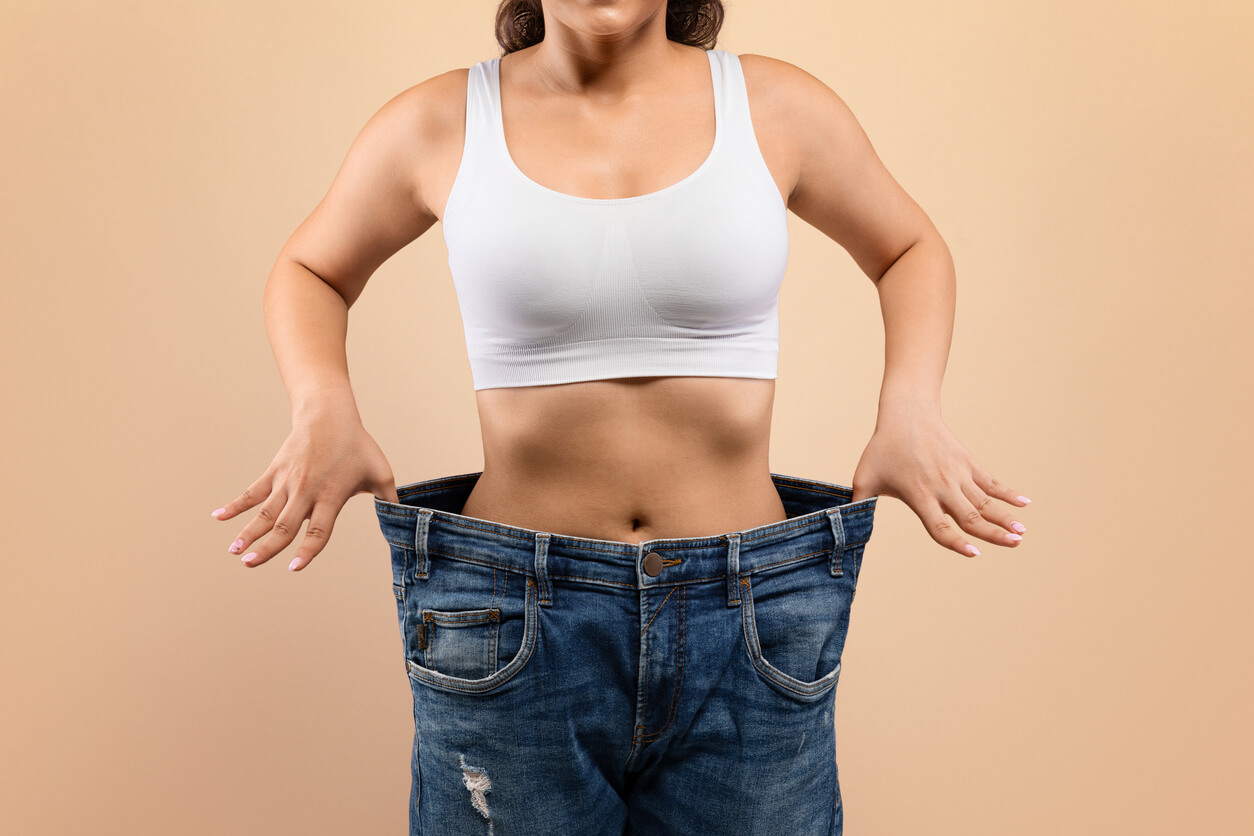
HGH therapy is not a in and of itself a “medical weight loss solution.” But it has been shown to help support body composition goals especially when the real goal is to reduce fat while maintaining or building lean tissue.
For example, a study entitled Obesity, growth hormone, and weight loss, concluded that growth hormone could indeed reduce abdominal fat. For women, this can make a huge difference because many diets lead to muscle loss along with fat loss. Our approach focuses on sustainable weight loss while supporting lean muscle and maintaining strength.
When women combine HGH therapy with resistance training, adequate protein, and stable sleep, they often report the best body changes, again this is all part of our “whole body” approach to hormone replacement therapies for women.
Is HGH Ever Combined With Other Forms of HRT for Women?
Yes. The “right” plan depends on your symptoms, your life stage, and your goals.
For women in perimenopause or menopause, it can make sense to discuss whether menopause hormone therapy is appropriate for symptom relief, vaginal health, and bone support, while HGH therapy supports broader performance, recovery, and body composition goals.
Some women may also be addressing thyroid support, nutrition deficiencies, or other hormone-related concerns. The key is coordination. Hormones should not be stacked randomly. They should be planned with clear goals and careful monitoring.
We Take a Different Approach to HGH Therapy for Females
Most clinics that provide HGH therapy for women take a cookie-cutter approach. We do not. At The HGH Therapy Doctor, our approach for women is the same as it is for all of our patients. It is built around a philosophy based on real-life goals and induvial treatment plans. That means we begin with a thorough medical review because fatigue, weight gain, sleep problems, and low motivation can have many causes. Hormone shifts may be part of the story, but thyroid function, blood sugar, stress load, and nutrient status can matter too. Getting the full picture comes first.
Next, we use lab testing to guide decisions. When HGH therapy is being considered, growth hormone activity is evaluated appropriately and interpreted in context. We also consider the other hormone systems that commonly affect women, including sex hormones, thyroid markers, and metabolic health markers when indicated. This helps us avoid guesswork and build a plan that matches your unique needs.
At the Hormone Therapy Doctor, HGH therapy for women is not “quick hormone prescribing.” It is a careful, medically supervised optimization plan designed to help you feel better and stay that way.
If you are dealing with fatigue, stubborn weight gain, reduced strength, poor sleep, or a sense that your body is not responding the way it used to, you may be experiencing more than “normal aging.” At The HGH Therapy Doctor, we take a deeper, more complete approach, evaluating the full hormone picture to find what’s truly behind your symptoms.
Contact the HGH Therapy Doctor near you to schedule a private consultation to get answers and a clear plan. We will review your symptoms, discuss your options, and design a hormone optimization program built for your body so you can feel stronger, leaner, and more like yourself again.
Frequently Asked Questions About HGH Use in Women
1) Is HGH therapy only for athletes or bodybuilders?
No. Many women pursue HGH therapy for everyday goals like energy, recovery, body composition, and healthy aging. The key is medical supervision, appropriate dosing, and a plan designed for your health—not extreme results.
2) How soon do women notice changes?
Some women notice early shifts in energy and recovery within the first weeks to months, while body composition and skin-related changes often take longer. Studies in adults receiving GH replacement report measurable changes in body composition and quality-of-life metrics over months.
3) Will HGH therapy make me bulky?
HGH therapy is not designed to make women “bulky.” For most women, the goal is better muscle support, better tone, and improved recovery. Muscle size changes usually come from heavy training and calorie surplus, not from HGH therapy alone.
4) What are the most common side effects?
In adults receiving GH replacement, common side effects are often related to fluid retention. This can include swelling, joint discomfort, or nerve compression symptoms, especially during early treatment and dose increases.
5) Can HGH therapy affect blood sugar?
Some adult GH literature notes that glucose levels can rise early in treatment in some patients, with monitoring recommended as part of safe care. This is one reason we personalize dosing and follow patients closely.
6) Can HGH therapy help with bone strength after menopause?
Bone health is a key reason women ask about HGH therapy. Research in postmenopausal women with osteoporosis has explored GH as an anabolic support and reported increases in bone mineral content in certain treatment settings.
7) Will HGH therapy treat hot flashes?
HGH therapy is not typically used as a direct hot flash treatment. Women may still choose HGH therapy for menopause-adjacent goals like energy, recovery, and body composition, while discussing targeted menopause symptom support separately.
8) Can HGH be part of a fertility plan?
In fertility care, GH has been studied as an IVF add-on for specific patients, especially poor responders. Evidence is mixed and often based on smaller trials, but ongoing research suggests potential benefit in certain settings.
9) Does HGH therapy improve skin?
Some studies of GH substitution in adults reported increases in skin thickness and collagen-related measures. Results vary, and the best outcomes usually come from a full plan that supports recovery and nutrition.
10) Can HGH therapy improve sex drive?
Sex drive is influenced by many factors, including energy, sleep, stress, and confidence. Reviews of GH therapy in adults with deficiency discuss associations with improved sexual function scores, though overall well-being may contribute as well.
11) Can HGH be combined with menopause hormone therapy?
In some women, yes. A coordinated plan may include menopause hormone therapy for symptom relief and bone support, and HGH therapy for broader performance and recovery goals. The right combination depends on your history and needs.
12) What makes your clinic different for women?
We tailor HGH therapy to female life stages, start conservatively, adjust carefully, and track how you feel—not just lab targets. We build plans around sustainable results like strength, energy, and recovery, with a clear safety-first monitoring process.