
Numerous clinical studies have demonstrated that human growth hormone (HGH) therapy can improve bone mineral density, strengthen bones and reduce the risk of fractures associated with osteoporosis.
As we age, our bodies become more vulnerable to a range of degenerative conditions, and one of the most serious is osteoporosis. The biggest threat posed by osteoporosis a loss of bone mineral density caused by the condition. This increases the risk of bone fractures, which are far more common in people with low bone density. Fractures in elderly adults are especially dangerous because they often occur alongside other age-related issues such as loss of balance, muscle weakness, and impaired mobility. In people who already have low bone mineral density once a fracture occurs, healing can be slow and complicated. This is especially true in older individuals.
HGH plays a vital role in the regeneration of nearly every tissue in the body—including bones. With age, the pituitary gland produces less HGH, resulting in a decrease in the production of new cells needed to maintain healthy tissues. When this process slows down, bone density declines, increasing the risk of osteoporosis.
Because growth hormone helps maintain the integrity of all tissues, it makes sense that HGH therapy could have a positive impact on preventing bone loss and reducing fractures. In fact, a wide body of clinical evidence supports this conclusion. Growth hormone therapy has been shown to be effective in reducing fracture risk and improving bone mineral density in aging adults. Let’s explore how HGH supports bone health and helps protect against osteoporosis.
What Is Osteoporosis?
Osteoporosis is a chronic condition marked by decreased bone mass and structural deterioration of bone tissue. While it is more prevalent among women—especially those who are postmenopausal—it affects both sexes and contributes to fractures in nearly 200 million people worldwide.
The disease causes bones to become fragile and brittle, making fractures more likely, particularly in the hips, spine, and wrists. The recovery process can be long and difficult, which is why osteoporosis is often described as a silent threat. Many people are unaware they have it until they suffer a serious break.
Which Hormones Regulate Bone Growth?
Both human growth hormone (HGH) and testosterone influence bone strength and development, but HGH plays the more dominant role. Growth hormone drives the repair and renewal of tissues, including both bone and muscle. Since bones rely on muscle for support and stability, the relationship between the two is critical. By helping to build muscle, HGH strengthens the skeletal system both directly and indirectly and reduces the likelihood of fractures.
What is the Connection Between HGH Deficiency and Osteoporosis?
Growth hormone deficiency contributes directly to the weakening of bones over time. HGH, produced by the pituitary gland, is responsible for stimulating bone growth and maintenance. As natural HGH production declines with age, the ability to regenerate bone diminishes. This reduction is a key factor in the onset of osteoporosis.
Clinical data have repeatedly shown that HGH therapy can be effective in both the treatment and prevention of osteoporosis, particularly in older patients. Postmenopausal women, who represent the highest risk group for developing osteoporosis, have shown marked improvements in bone strength and fracture resistance when treated with HGH. In addition to boosting bone density, HGH enhances lean muscle mass, which provides additional protection against falls and injuries.
Does HGH Increase Bone Density?
Yes, GH replacement therapy can increase bone density and help prevent fractures before they occur. During childhood and adolescence, growth hormone is the driving force behind bone lengthening and remodeling. As adults, this process continues at a slower pace and is known as bone remodeling—a cycle in which old bone is broken down by osteoclasts and replaced by new bone generated by osteoblasts.
HGH plays a key role in this cycle, directly stimulating osteoblast activity and encouraging the release of IGF-1, which further enhances bone growth. By accelerating the remodeling process, HGH helps the body maintain or increase bone density even in later life. Without sufficient HGH, the rate of bone renewal slows, and the overall strength and density of bones decline.
The Effects of Growth Hormone on Cortical and Cancellous Bone
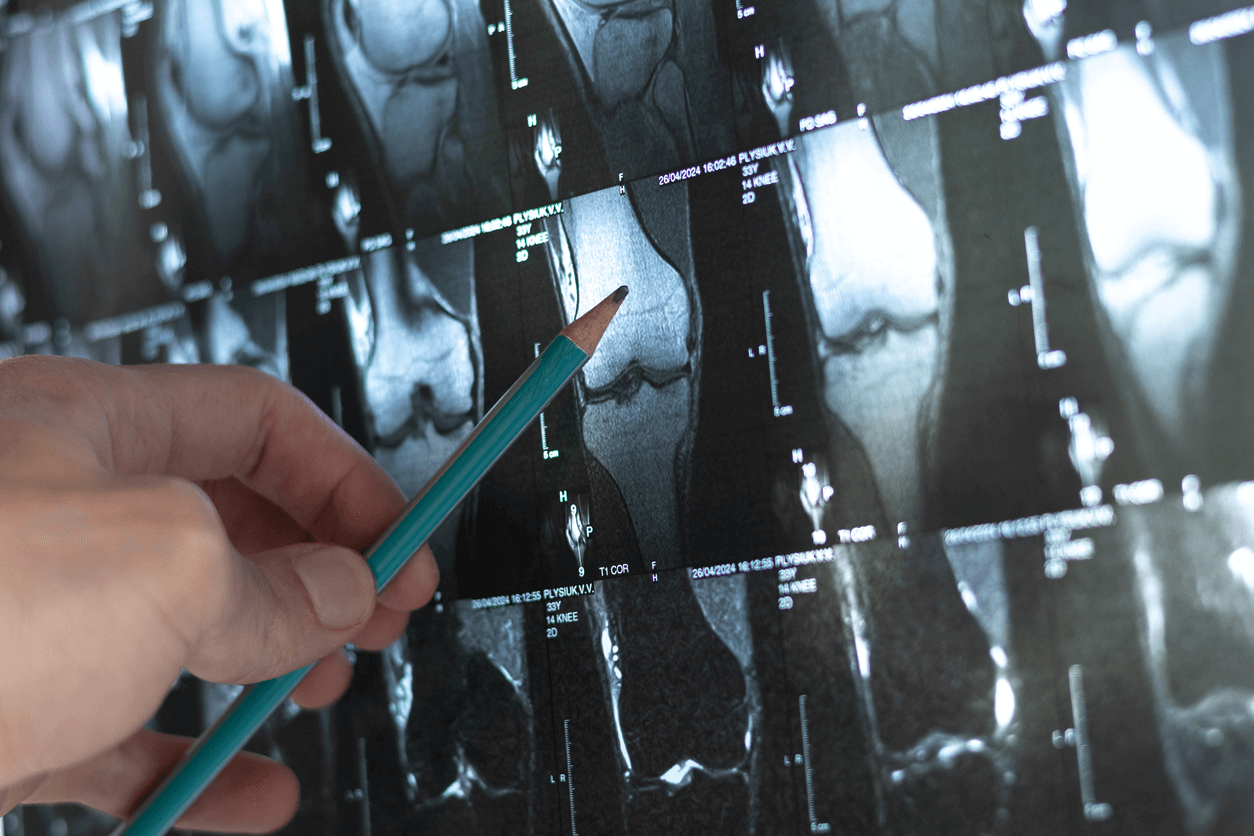
The human skeleton is made up of two types of bone tissue: cortical bone, which forms the dense outer surface, and cancellous (or trabecular) bone, which is lighter and found inside areas like the spine and pelvis. Cortical bone is compact and provides structural support, while cancellous bone has a spongy architecture and is more active in metabolic processes.
Research has shown that HGH replacement has beneficial effects on both types. It strengthens the structural density of cortical bone and enhances the regenerative capacity of cancellous bone. The result is a stronger, more resilient skeletal framework capable of withstanding greater mechanical stress.
Growth Hormone Reduces Risk of Osteoporosis Fractures
Randomized clinical trials have shown that growth hormone therapy reduces fracture risk in several important ways. First, it improves bone mineral density, counteracting the deterioration seen in osteoporosis. HGH also increases muscle strength and muscles support bone. At the same time, HGH contributes to fat loss, which reduces the physical stress placed on bones. In addition to improving muscle strength, growth hormone also strengthens tendons and ligaments, all of which support the skeletal system.
Furthermore, increased muscle strength and stronger bones improve balance and mobility which reduces the likelihood of falls and fractures. HGH therapy essentially strengthens the body from the inside out, helping older adults remain active and independent for longer.
Benefits of HGH for Strengthening Bones and Reducing the Risk of Osteoporosis
The degeneration of bone tissue in osteoporosis is caused by an imbalance between bone resorption and formation. As more old bone is broken down than new bone is produced, overall bone mass declines.
HGH therapy has been proven to stimulate both the breakdown and rebuilding phases of bone remodeling, with a net positive effect on bone formation. This means it doesn’t just halt the progress of osteoporosis—it can actually help reverse some of its damage by restoring lost bone mass.
If you are over 40, this may be the ideal time to learn about HGH and how it can help preserve your bone health. There is strong evidence that HGH not only supports bone density but can significantly reduce the risk of debilitating fractures.
How Does HGH Therapy Reduce the Risk of Osteoporosis Fractures in Older Men and Women
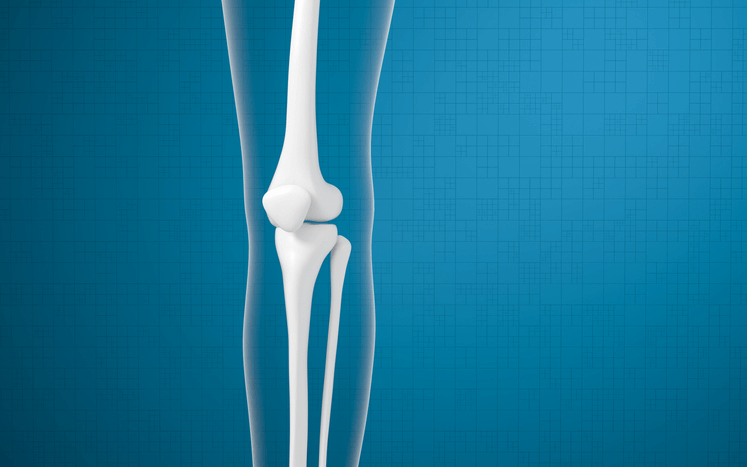
HGH helps protect older adults from osteoporosis-related fractures through multiple mechanisms. The therapy enhances bone mineral content and helps counteract the natural loss of bone that comes with aging. It also supports lean muscle growth, which improves balance and reduces the risk of falls—especially important for elderly individuals.
A well-regarded 2015 study in the Journal of Clinical Endocrinology & Metabolism revealed that women treated with HGH continued to experience fewer fractures and maintained higher bone density years after therapy ended. Additional meta-analyses have since confirmed that HGH therapy reduces fracture rates in both men and women diagnosed with osteoporosis.
Researchers concluded that HGH effectively enhances bone mass and reduces fracture risk, particularly recommending its use for postmenopausal women and individuals over 40 who face the highest risk of bone loss.
To sum it up HGH Therapy helps reduce the risk of fractures by:
- Increased bone strength
- Reversal of age-related bone loss
- Increased bone density
- Fall prevention thanks to weight loss and improved strength and balance
What Does the Research Have to Say About HGH and Bone Health?
Studies from around the world continue to support the link between HGH and bone health. One large clinical trial showed that postmenopausal women who received HGH maintained higher bone mineral density a decade later compared to those who received a lower dose or placebo.
A 2018 analysis found that HGH recipients had significantly lower fracture rates and higher levels of bone mass, than untreated individuals. Earlier research from the late 1990s and early 2000s also demonstrated that HGH therapy improves bone metabolism and bone mineral content, resulting in stronger bones and improved density as measured by Dual-energy X-ray absorptiometry, ( DEXA) scans.
Animal studies echo these findings, revealing that HGH improves both bone mass and mechanical strength, even in rats with normal hormone levels. A 2002 study concluded that continuous or intermittent HGH therapy, combined with calcium and vitamin D3, increases both bone mineral content and total body density, with effects that persisted even a year after treatment ended.
A meta-analysis published in 2017 reinforced these conclusions, confirming that HGH therapy significantly reduces fracture risk in people with osteoporosis.
Other Benefits of Growth Hormone Therapy
In addition to its role in preserving bone mass, hormone replacement such as HGH offers a wide range of age-defying health benefits. These include improved body composition, enhanced energy, better sleep, more youthful skin, sharper cognition, cardiovascular protection, immune support, elevated mood, and increased sexual vitality. Patients often report an overall improvement in quality of life after undergoing growth hormone replacement therapy.
If you’re concerned about osteoporosis or want to improve your bone health as you age, contact The HGH Therapy Doctor today to learn more about how HGH replacement therapy could benefit you.
Frequently Asked Questions About HGH, Bone Health, and Osteoporosis
What are the signs and symptoms of osteoporosis?
Osteoporosis can progress silently until a fracture occurs. Common signs include back pain from collapsed vertebrae, noticeable height loss, poor posture, and bones that fracture more easily than expected.
What is the main cause of osteoporosis?
Bone is constantly breaking down and regenerating. With age, HGH levels drop, slowing new bone formation. When breakdown exceeds formation, bone density declines, this process affects all people, though older women face the highest risk.
How is osteoporosis diagnosed?
Doctors assess bone mineral density using a specialized scan called DEXA, which measures mineral content in bones such as the hips and spine. The test is painless and typically completed within minutes.
How is osteoporosis treated?
Treatment depends on an individual’s fracture risk. If the risk is high, medications may be prescribed alongside hormone therapies such as HGH or testosterone replacement, both of which have been shown to improve bone health.
How can osteoporosis be prevented?
A balanced diet rich in calcium and protein, regular weight-bearing exercise, and adequate vitamin D intake can help protect bone mass. Hormone replacement therapy, including HGH, is a powerful preventive option for individuals over 40.