
HGH Therapy for Athletes: Benefits, Risks and Rules in Sports
Human Growth Hormone (HGH) can improve strength and athletic performance.
HGH has earned a reputation for its ability to improve muscle mass, strength, and endurance. For this reason, many people associate HGH with enhanced athletic performance. While there is truth to this connection, the story is far more complex. HGH is classified as a performance-enhancing drug (PED) and banned by virtually every professional and amateur sports organization worldwide. Still, for adults diagnosed with growth hormone deficiency (GHD), HGH is a legitimate medical therapy that can improve overall health, body composition, and physical ability.
Many scientific studies confirm HGH’s role in increasing lean muscle strength, supporting fat metabolism, and improving energy levels. These same benefits that make HGH illegal in sports are precisely why it is such a powerful therapy for patients with low HGH levels. For non-professional athletes and everyday fitness enthusiasts, HGH prescribed under medical supervision can restore vitality and help improve physical ability.
However, it is critical to distinguish between safe, legal therapy and black-market use. HGH is only legal with a valid prescription for growth hormone deficiency. Unfortunately, there is a dangerous underground market where unregulated HGH is sold, often manufactured in overseas labs without quality control. Such products are not only illegal but also risky, with the potential to contain little or no actual HGH—or worse, harmful contaminants. At The HGH Therapy Doctor, we stress the importance of medical supervision and regulated prescriptions to ensure safety and maximize benefits.
What Is HGH?
HGH is a peptide hormone secreted by the pituitary gland that plays a critical role in growth, cell repair, metabolism, and body composition. During childhood and adolescence, HGH fuels the growth of bones and muscles, helping individuals achieve full adult size and strength. In adults, HGH continues to serve essential functions, including maintaining lean body mass, regulating fat storage, and supporting tissue repair.
As we age, HGH levels naturally decline. By middle age, many people begin to notice changes such as increased belly fat, decreased muscle tone, reduced stamina, and slower recovery from exercise or injuries. These are often symptoms of age-related growth hormone deficiency (AGHD). In such cases, HGH therapy can restore balance, leading to measurable improvements in physical fitness, energy, and overall health.
It is important to remember that HGH is a prescription medication known as somatropin. For adults diagnosed with GHD, HGH replacement therapy is not only legal but also medically necessary. When administered by experienced professionals like those at The HGH Therapy Doctor, it can reverse many of the physical declines associated with aging. However, using HGH outside of medical supervision, particularly for bodybuilding or athletic enhancement without a deficiency, is both illegal and unsafe.
Is HGH a Steroid?
Human Growth Hormone (HGH) is often mistakenly lumped together with anabolic steroids. While both substances are banned in professional sports because of their ability to improve muscle growth and performance, HGH is not a steroid.
Anabolic steroids, such as testosterone and its synthetic derivatives, are hormone compounds that directly mimic or amplify male sex hormones. They bind to androgen receptors in the body, triggering muscle growth and other “masculinizing” effects. Steroids are classified as “anabolic-androgenic” drugs because they not only promote tissue growth (anabolic) but also influence male characteristics (androgenic).
HGH, on the other hand, is a peptide hormone naturally produced by the pituitary gland. Its role is to regulate growth, metabolism, and tissue repair. Unlike anabolic steroids, HGH does not interact with androgen receptors. Instead, it stimulates processes such as protein synthesis, collagen production, and fat metabolism. These effects contribute to muscle growth and repair, but through very different biological pathways.
The confusion arises because HGH, like steroids, has anabolic properties—a term that simply means it promotes building up tissues, especially muscle. In medical science, “anabolic” doesn’t always equal “steroid.” By definition, anything that stimulates tissue growth is anabolic, including HGH. That is why HGH is often misunderstood as being in the same category as anabolic steroids.
In summary:
- HGH is not a steroid. It is a peptide hormone that stimulates growth and repair.
- Testosterone is an anabolic steroid. Testosterone and related steroids act on androgen receptors and directly mimic sex hormones.
- Both HGH and steroids are banned in competitive sports due to their muscle-building and performance-enhancing effects, but biologically, they are very different substances.
For patients with growth hormone deficiency, HGH is a safe, legal, and doctor-prescribed therapy that restores health and vitality—not a steroid substitute.
Why Is HGH Considered a Performance Enhancing Drug?
HGH is considered a performance enhancing drug because it can affect several parts of the body that matter for strength, training, recovery, and body composition. It can help support lean muscle, improve the way the body uses fat for energy, and speed up the repair of soft tissue after hard workouts or injuries. These effects are the reason HGH has become so well known in sports, fitness, and bodybuilding circles.
For professional athletes, even a small edge can make a major difference. Faster recovery may allow an athlete to train harder and more often. Improved lean muscle may help with strength and power. Better body composition may help with speed, stamina, and overall performance. Because of these potential advantages, HGH is banned by most major sports organizations when used for athletic enhancement.
HGH is not allowed in competitive sports because it can change performance in ways that are not available to every athlete. But for adults with a true need, doctor-prescribed HGH therapy can help bring the body back into better balance. The goal is not to create an unfair advantage. The goal is to help the patient feel stronger, more active, and more capable in daily life.
For everyday adults, this distinction is important. You do not have to be a pro athlete to care about strength, recovery, and body composition. Many men and women simply want to keep up with their workouts, enjoy sports, maintain muscle, and feel good in their bodies as they age. When low HGH is part of the problem, properly prescribed therapy may help support those goals in a safe and supervised way.
Is HGH Allowed for Athletes?
For professional and Olympic-level athletes, the answer is simple: no. HGH is banned by organizations such as the World Anti-Doping Agency (WADA) because it provides a competitive edge by increasing muscle mass, shortening recovery times, and improving stamina. In that context, HGH is considered “cheating.”
For recreational athletes and fitness enthusiasts, however, the picture is different. If you are diagnosed with adult-onset growth hormone deficiency, HGH therapy can legally be prescribed to improve health and physical ability. This includes benefits such as enhanced cardiovascular endurance, improved oxygen uptake, and faster recovery from exercise-related fatigue.
The HGH Therapy Doctor regularly prescribes growth hormone therapy for adults with verified deficiencies who want to reclaim energy, strength, and confidence in their bodies. While pro athletes must avoid it, everyday patients can legally benefit from its ability to restore vitality and make physical activities—from weekend tennis matches to long-distance running—more enjoyable and sustainable.
The Benefits of HGH for Enhancing Sports Performance

Although HGH is prohibited in competitive sports, its impact on performance is undeniable. For individuals prescribed HGH replacement therapy, the benefits extend to nearly every aspect of physical activity. Patients often report that they gain more from workouts, improve their endurance in recreational sports, and feel a renewed sense of strength and agility.
Studies show that HGH can increase lean muscle mass and promote fat metabolism, leading to better body composition. It can also enhance stamina by improving how efficiently the body uses oxygen, which supports cardiovascular health. Recreational athletes may notice improved speed, stronger performance in endurance sports, and greater resilience during training sessions.
The HGH Therapy Doctor works with patients to tailor HGH therapy for their needs, ensuring both safety and optimal results. For men and women over 40, the benefits of HGH can be especially profound, transforming not only their athletic performance but also their daily quality of life.
HGH for Fitness and Bodybuilding
One of the most well-known effects of HGH therapy is muscle growth. For individuals with low HGH levels, treatment can restore the ability to gain and maintain muscle mass. This has made HGH a sought-after drug in the bodybuilding world. However, it is important to emphasize that HGH use for competitive bodybuilding without a prescription is illegal.
At The HGH Therapy Doctor, our focus is on restoring balance for patients suffering from GHD. These individuals often struggle with weight gain, loss of muscle, and declining fitness despite diet and exercise. For them, HGH therapy can be transformative. By supporting protein synthesis and collagen production, HGH not only builds lean muscle but also strengthens connective tissues like tendons and ligaments, reducing injury risk.
The Benefits of HGH Injections for Building Muscle Mass
When used under medical supervision, HGH injections provide a safe and effective way to increase muscle mass and strength. For patients with GHD, HGH therapy stimulates protein synthesis—the cornerstone of muscle development. It also aids in the repair and growth of connective tissues, which are essential for supporting muscle performance and preventing injuries.
Clinical studies confirm that adults undergoing HGH therapy experience measurable improvements in lean body mass and reductions in fat. This translates into more strength, better workout results, and faster recovery from exercise. Unlike black-market HGH, therapy prescribed at The HGH Therapy Doctor is carefully monitored to ensure safety and tailored to each patient’s needs.
The Benefits of HGH Therapy for Increasing Physical Fitness
HGH is often referred to as “the fitness hormone” because of its wide-ranging impact on physical health. Beyond building muscle, HGH therapy enhances metabolism, leading to fat reduction and improved cardiovascular health. These changes reduce the risk of chronic conditions like heart disease and diabetes while promoting better overall fitness.
HGH has also been studied for its role in healing. A University of Michigan study, funded by Dallas Mavericks owner Mark Cuban, demonstrated HGH’s ability to accelerate recovery from ACL injuries. Athletes in the study experienced faster healing times, improved muscle function, and quicker returns to activity.
This regenerative effect makes HGH therapy particularly valuable for active adults. Whether recovering from a sports injury or simply trying to stay in peak shape, HGH can help accelerate recovery and improve resilience.
Benefits of HGH for Bodybuilding
For many adults, building and keeping lean muscle is about more than looks. Muscle helps you stay strong, steady, and active as you age. At The HGH Therapy Doctor, we often work with patients who want better body composition, improved recovery, and more day-to-day strength, especially when low growth hormone levels are part of the problem.
When HGH therapy is medically appropriate and prescribed, it may support goals like improving lean muscle development, helping the body recover after workouts, and boosting overall training stamina. The key is doing it the right way, with a real diagnosis, a prescription, and ongoing medical oversight.
In a medical setting, dosing or an “HGH cycle” is always individualized. Your provider considers your age, body composition, fitness level, health history, and how your body responds over time. Program length can vary, too. Some patients are on a short-term plan, while others do better with a longer, carefully monitored approach.
The goal is never “more is better.” The goal is the right dose for your body, with a plan designed to help you feel stronger and perform better in everyday life—while keeping safety front and center.
Is it Legal to Use HGH for Bodybuilding?
Let’s be clear about what’s legal and what’s not. HGH is banned by most professional sports organizations as a performance-enhancing drug and using it strictly to gain an edge in competition is not something we support.
That said, many people who are not professional athletes still want to improve strength and muscle for very normal reasons, they want to feel fit again, protect their mobility, and keep their metabolism working for them. Lean muscle supports your health in a big way. Even at rest, muscle helps your body burn more calories, manage body fat more easily, and maintain better energy for work, family, and daily life.
In the U.S., it is illegal to buy or use HGH without a prescription. The safest and most appropriate path is legitimately prescribed HGH therapy. Otherwise, you are taking considerable health risks by trying to self-dose, buy questionable products online, or follow black-market “cycle” advice without medical guidance.
With proper prescribing and supervision, HGH therapy is commonly well tolerated, and your plan can be adjusted as needed to help you get results while staying safe.
Is HGH for Bodybuilding the Same as Testosterone?
HGH and testosterone are both hormones that can support strength and lean muscle, but they are not the same thing, and they work differently in the body. They also come with different treatment approaches, dosing strategies, and monitoring needs.
Like HGH, testosterone is also banned as a performance enhancing substance in most competitive sports, and like HGH, it can be used legally when it is prescribed for a true medical need and managed by a clinician.
At The HGH Therapy Doctor, we offer both HGH therapy and testosterone replacement for patients who want to improve muscle, strength, and body composition. If you’re a candidate, your provider will help decide which therapy makes the most sense based on your symptoms, labs, health history, and your goals, so you’re not guessing or trying to force a one-size-fits-all solution.
HGH for Healing and Recovery of Sports Related Injuries
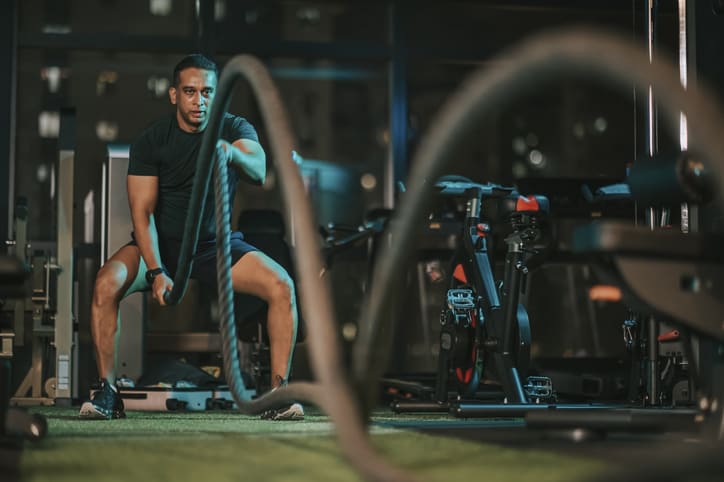
While HGH is banned for active competitors, research continues to highlight its value in recovery and rehabilitation. The Mark Cuban-funded study mentioned earlier revealed HGH’s ability to improve recovery from serious injuries. Although professional athletes cannot legally use it for performance enhancement, its medical use in treating injuries is gaining credibility in sports medicine.
At The HGH Therapy Doctor, we emphasize that HGH therapy is not about “cheating.” It is about restoring health, vitality, and physical ability in adults with real deficiencies. For those outside the world of competitive sports, HGH therapy provides an opportunity to regain physical strength and stamina lost with age.
Using HGH for Tendon and Ligament Healing
HGH therapy has shown great promise in aiding recovery from tendon, ligament, and muscle injuries. This is largely due to its ability to stimulate collagen production, which is vital for connective tissue repair. Patients undergoing HGH therapy often experience faster healing times, less downtime after injuries, and greater overall resilience.
Doctors are increasingly recognizing HGH’s role in rehabilitation medicine. Clinical studies demonstrate that patients treated with HGH recover more quickly from orthopedic injuries, with better long-term outcomes. For active adults or weekend athletes, this means faster returns to the activities they love.
What Does the Medical Research Say About HGH and Sports Performance
There is significant evidence in the medical literature that verifies the efficacy of HGH therapy for building muscle, burning fat, and increasing physical performance.
For example, A 2019 study looking at the impact of HGH replacement on muscle strength and tone in older men said, “Our study demonstrated an increase in muscle strength in the lower body part after HGH therapy in healthy men.” The study involved fourteen healthy men aged 50–70 years, whose baseline muscle strength was determined by leg press and bench press exercises, which focus primarily on quadriceps, the lower body part of the body, and pectoralis major—upper body part. After six months of HGH replacement therapy, the men in the HGH group did not show much difference in upper body strength, as determined by bench presses, but showed “significant” increases in lower body strength as indicated by vast improvements in strength in the leg presses.
An earlier study in 1997 found that two years of growth hormone therapy in patients who were known to have weakened muscles due to growth hormone deficiency provided significant increases in “isokinetic muscle torque.” The researchers concluded that this study provided “convincing evidence that HGH and IGF-I have a regulatory effect on muscle morphology, function, and metabolism.”
Are There Other Healing and Performance Benefits of HGH Therapy?
HGH also supports flexibility, joint health, and immune function. It plays a vital role in thymus health, which is central to T cell production—the “soldiers” of your immune system. Research from the CDC and National Institutes of Health shows that HGH therapy can enhance immune response, helping patients recover faster from illness and surgery.
Another study published in Hormone Research found that HGH patients experienced better muscle preservation and energy levels after surgery compared to those not receiving therapy. The evidence suggests that HGH not only improves athletic performance but also contributes to overall healing, making it a cornerstone of longevity and vitality.
HGH can also reduce recovery time after working out. It can do this in a number of ways. Growth hormone increases protein synthesis and amino acid uptake, which speeds up the repair of micro-tears in muscle tissue caused by intense exercise. It also strengthens connective tissues. HGH enhances collagen synthesis, which helps strengthen tendons and ligaments, potentially reducing the risk of injuries and accelerating healing from them. In addition, by improving the rate of cellular regeneration, HGH can minimize delayed onset muscle soreness (DOMS), allowing for more frequent training.
And finally, HGH supports deeper, more restorative sleep, which is critical for natural recovery and repair processes
HGH Therapy for Weight Loss and Improved Body Composition
HGH therapy may help qualified adults improve body composition by supporting lean muscle, fat metabolism, and better workout recovery.
Many adults notice that their bodies begin to change with age, even when their habits have not changed very much. Belly fat becomes harder to lose. Muscle tone becomes harder to keep. Workouts may feel less productive. Recovery may take longer. For some people, low HGH levels may be one reason these changes become so frustrating.
HGH plays an important role in how the body manages muscle and fat. When growth hormone levels are healthy, the body is often better able to maintain lean tissue and use stored fat for energy. When HGH levels drop, the opposite tends to happen.
This is where HGH therapy may provide real value for the right patient. When prescribed for adults with low growth hormone levels, HGH may help the body shift toward a healthier body composition. That means more lean muscle and less body fat. Keep in mind that HGH does not replace diet or exercise, but it can make those efforts feel more effective again and it is often used as part of an overall medical weight loss program in overweight adults who also have low HGH levels.
HGH therapy can be especially helpful when a patient feels stuck. Many adults come to treatment after trying to eat better and work out more, only to see very little change. They may feel like their body is no longer responding the way it used to. If testing shows that low HGH is part of the issue, therapy may help improve the foundation that diet and exercise depend on.
For fitness-minded adults, better body composition can also improve confidence and performance. Less excess fat may make movement feel easier. More lean muscle may support better strength and stamina. Improved recovery may help patients stay more consistent with their workouts. Over time, these changes can help patients feel more in control of their health and appearance.
At The HGH Therapy Doctor, treatment plans are based on the patient’s symptoms, lab results, health history, and goals. The focus is not just weight loss. The goal is better body composition, better strength, better recovery, and better long-term vitality. For adults who qualify, HGH therapy may help restore the physical support they need to look, feel, and perform at a higher level.
How to Get Started With HGH Therapy
If you are struggling with low energy, poor recovery, muscle loss, or age-related physical decline, HGH therapy could be the solution. At The HGH Therapy Doctor, getting started is simple:
- Contact Us – Reach out through our website to speak with an HGH therapy care counselor.
- Consultation – If you are a good candidate, you’ll meet with a licensed provider to discuss your history and symptoms.
- Lab Testing – Specific hormone blood tests are performed to evaluate your HGH levels.
- Prescription – If results confirm deficiency, you’ll receive a prescription for a customized HGH therapy program and directed to our medications page to purchase your HGH.
- Delivery – Your HGH therapy supplies will be delivered to your home, along with instructions and ongoing support.
With The HGH Therapy Doctor, you can trust that your therapy is legal, safe, and personalized to your needs.
Don’t Wait to Find Out if You Can Benefit From HGH!
If you are struggling with low energy, slow recovery, or difficulty maintaining muscle and fitness as you age, you don’t have to settle for decline. At The HGH Therapy Doctor, our board-certified providers specialize in personalized hormone replacement therapy, including safe, medically supervised HGH treatments.
We design every program around your unique needs, using advanced testing and monitoring to ensure the best possible results while keeping your safety the top priority. With our nationwide telemedicine services and convenient home delivery of your prescription therapies, restoring your energy, vitality, and performance has never been easier.
Contact The HGH Therapy Doctor near you today to schedule your consultation and discover how HGH therapy can help you look, feel, and perform at your best.
FAQs About HGH and Athletic Performance
- Can HGH make me a better athlete if I am not deficient?
No. If your HGH levels are normal, taking HGH will not provide the same benefits and could cause dangerous side effects.
- Why is HGH banned in professional sports?
Because HGH improves strength, muscle mass, and recovery, it provides athletes with an unfair advantage—hence its ban by WADA and other organizations.
- Is HGH safe to use for recreational athletes?
Yes, if prescribed for diagnosed growth hormone deficiency and monitored by a doctor. Recreational users can see improved endurance, recovery, and strength.
- Can HGH help with sports injuries?
Yes. Studies suggest HGH accelerates recovery from ligament and tendon injuries by stimulating collagen and tissue repair.
- How does HGH improve stamina?
HGH enhances oxygen uptake and cardiovascular efficiency, leading to better endurance during physical activity.
- Can I use HGH for bodybuilding competitions?
No. HGH is banned in bodybuilding organizations. However, patients with GHD can legally use it to regain muscle loss due to the deficiency.
- How long does it take to notice results from HGH therapy?
Most patients notice improvements in energy and recovery within a few weeks, with significant gains in muscle and endurance over 3–6 months.