
HGH and Brain Health: Can HGH Therapy Improve Mood, Memory, and Cognition?
Hormone Therapy, and in particular human growth hormone therapy, can improve mood, depression, and mental health.
Most people are familiar with the effects that Human growth hormone (HGH) can have on strength, stamina, and muscle mass. However, HGH also has a positive impact on mood and emotional health. It does this by stabilizing hormone levels that influence brain chemistry, cognitive function, and emotional resilience. This is why one of the many benefits of HGH therapy for both men and women suffering from age-related growth hormone decline is improved mood, fewer feelings of depression and anxiety, and improved mental focus.
Science has long known there to be a connection between hormone levels and mental and psychological well-being. Hormones are chemical messengers that influence nearly every system in the body, including the brain. HGH in particular has strong effects on neurological function. When HGH levels decline with age, the changes can ripple beyond the physical impacting memory, mood, stress tolerance, and even outlook on life.
This is why men and women in their 40s and beyond often find that hormone decline doesn’t just sap their strength and vitality, it also affects how they think and feel. At The HGH Therapy Doctor we’ve seen firsthand how HGH therapy can improve mood, sharpen cognition, and help restore overall brain health.
Your Hormones and Mental and Emotional Health: What is the Connection?
Hormones act like messengers in the body, carrying signals that influence everything from growth to energy. What many people don’t realize is just how much hormones affect mood and emotions. When your hormone levels are stable, your brain chemistry is more balanced, which helps you feel calm, focused, and emotionally steady. When hormones fluctuate or decline, it can disrupt that balance, leading to irritability, anxiety, sadness, or sudden mood swings.
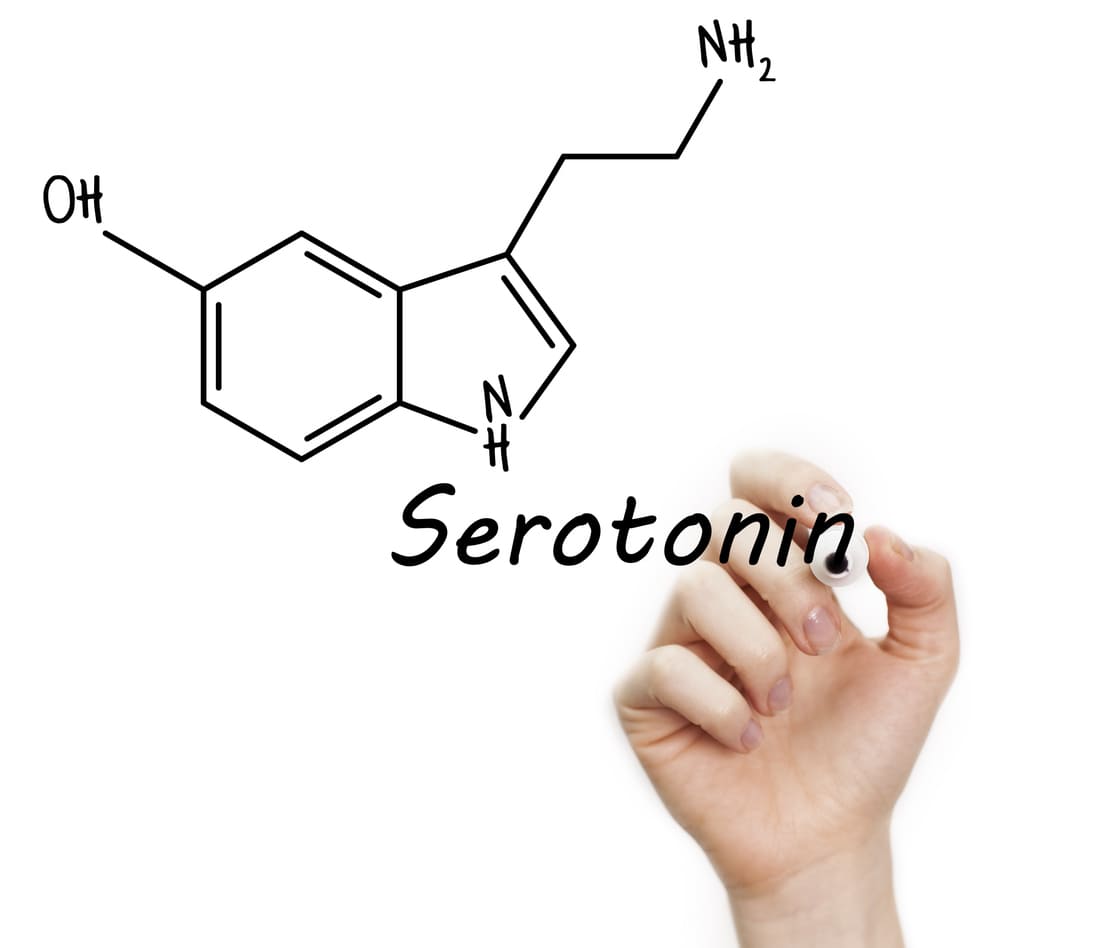
Many hormones, including HGH are tied to emotional health because they influence the release of important brain chemicals called neurotransmitters. Two of the most important are serotonin and dopamine. Serotonin helps regulate feelings of happiness and relaxation, while dopamine is tied to motivation, pleasure, and focus. When HGH is at optimal levels, serotonin and dopamine production are supported, which helps protect against depression and emotional instability.
On the other hand, when HGH and other hormones such as testosterone drop too low, serotonin and dopamine can also decrease. At the same time, cortisol, the stress hormone, may rise. This creates a chemical shift in the brain that makes it harder to manage stress, think clearly, or stay positive. The result can feel like brain fog, irritability, or even full-blown depression.
In this way, hormones, neurotransmitters, and emotions are all connected. Growth hormone replacement therapy doesn’t just restore physical vitality, it also helps reset this delicate balance in the brain, often leading to a more stable mood, greater resilience to stress, and an overall improvement in emotional well-being.
Mental and Emotional Health: What’s the Difference?
People often use the words “mental health” and “emotional health” as if they mean the same thing, but there is an important difference. Mental health refers to how well your brain processes information, whether you can focus, remember things, make decisions, and understand the world clearly. Emotional health, on the other hand, is about feelings. It’s how you respond to life’s ups and downs, and whether you can manage emotions like sadness, anger, or worry.
These two aspects of health are deeply connected. For example, your brain might recognize a red rose as a flower, but your emotions decide whether that rose makes you smile or feel sad. Good emotional health doesn’t mean you are happy every minute. It means you can accept both positive and negative emotions and recover when life is difficult.
As people age, declining hormone levels can throw both mental and emotional health off balance. That is why men and women in their 40s and beyond may notice more stress, irritability, or brain fog than they did before. Hormones often play a much bigger role in these changes than people realize.
HGH Therapy: How Does Growth Hormone Impact Mood and Cognition?
When people hear about HGH, they usually think of its role in physical vitality, i.e.: supporting muscle tone, fat burning, and energy. But HGH is also closely tied to emotional well-being. One of the most common signs of adult-onset growth hormone deficiency (AGHD) is persistent sadness, mood swings, or even depression.
We often see patients who struggled for years with fatigue, irritability, or foggy thinking finally start to feel relief once their growth hormone levels are restored through prescription HGH injections. Studies confirm this connection. Research has shown that HGH therapy can improve mood, memory, and overall mental health in adults with growth hormone deficiency.
HGH influences the brain in several ways. It supports healthy sleep patterns, helps regulate stress hormones, and promotes the release of natural feel-good chemicals. Patients often describe feeling calmer, more positive, and more resilient once their levels are corrected. Many clinical papers published in respected journals support the connection between growth hormone deficiency and an increased risk for depression:
- A 2021 article in Frontiers in Neuroendocrinology found a strong correlation between low growth hormone levels and elevated depression scores.
- Another study titled Human Growth Hormone in the Treatment of Biological Depression concluded that HGH may offer a promising therapeutic option for certain patients with clinical depression.
- A 2001 trial demonstrated improved cognitive function, memory, and mood among older adults treated with HGH.
- In 2004, a comparative study published in Medicina observed that HGH therapy significantly enhanced both cognition and mood in adults diagnosed with GHD.
HGH Therapy and Brain Health
Human Growth Hormone (HGH) plays a vital role not only in physical rejuvenation and tissue repair but also in maintaining optimal brain function. For adults with growth hormone deficiency (GHD), HGH therapy has shown remarkable potential in supporting brain health, cognitive performance, and overall emotional well-being.
Clinical evidence indicates that restoring HGH levels can enhance focus, memory retention, and mood stability by promoting neural regeneration, protecting brain cells from oxidative stress, and improving neurotransmitter balance. As HGH levels decline with age, replenishing them through medically supervised therapy can help preserve mental sharpness and emotional resilience.
How Does HGH Impact Memory Loss in Adults?
The connection between HGH and memory is deeply rooted in the hormone’s effects on the hippocampus, the area of the brain responsible for learning and long-term memory. Both animal and human studies have demonstrated that growth hormone promotes neuroplasticity, the brain’s ability to form new connections and retain information.
A groundbreaking study from Mount Sinai School of Medicine illustrated this concept using animal models. Rats exposed to mild shocks learned to associate the experience with danger. When researchers elevated their natural growth hormone levels, the animals demonstrated significantly improved memory retention. When HGH was later administered artificially, the recall effect more than doubled, showing the hormone’s potent influence on memory formation and consolidation.
Follow-up human studies echoed similar results. In adults with GHD, HGH replacement improved performance on tests of spatial memory, focus, and verbal learning. Researchers concluded that maintaining adequate growth hormone levels in midlife can protect against the early cognitive decline often associated with aging. Clinically, many patients treated with HGH therapy also report sharper recall, improved concentration, and decreased “brain fog.”
Can HGH Therapy Reverse Memory Loss?
While HGH therapy cannot “reverse” advanced memory loss caused by neurodegenerative diseases, it has been shown to improve cognitive performance and may help delay age-related decline. A landmark study published in the Archives of Neurology found that older adults with mild cognitive impairment who received treatment to stimulate growth hormone production showed measurable improvements in verbal memory and executive function.
Researchers concluded that these findings reinforce HGH’s role in maintaining brain integrity, particularly as its natural production diminishes with age. Because growth hormone levels are closely linked to IGF-1, a molecule essential for neuron growth and repair, low HGH may accelerate memory decline and increase susceptibility to Alzheimer’s disease. Conversely, restoring HGH to optimal levels can enhance neural communication and cognitive resilience.
Memory and Cognitive Benefits of Prescription HGH Therapy
For adults seeking cognitive enhancement or sharper mental performance, HGH therapy offers several potential benefits. Growth hormone receptors in the brain regulate not only memory but also concentration, learning speed, and mood.
By promoting deeper sleep cycles and reducing cortisol (the stress hormone), HGH fosters improved mental clarity, faster thought processing, and greater daytime alertness.
Patients often describe a noticeable improvement in focus and short-term memory within months of beginning therapy. Additionally, because HGH promotes better sleep, the brain’s nightly repair processes function more efficiently supporting both memory retention and overall emotional balance.
HGH and Emotional Wellbeing
Beyond cognition, HGH plays a key role in emotional regulation. Adults with growth hormone deficiency frequently experience mood swings, irritability, and depression—symptoms linked to decreased neurotransmitter activity in the brain. HGH therapy can help correct these imbalances by increasing the production and availability of serotonin, dopamine, and endorphins, the brain’s natural “feel-good” chemicals.
This hormone-driven regulation is similar in principle to how antidepressant medications (SSRIs) work by maintaining serotonin levels within the brain. However, HGH therapy addresses the root hormonal imbalance rather than artificially modifying neurotransmitter reuptake. Many patients report a calmer mood, improved motivation, and a more positive outlook on life after consistent treatment.
Growth Hormone and Depression: What is the Link?
As detailed above, there have been multiple studies that have documented a clear relationship between low HGH levels and depression. Individuals with untreated GHD often experience persistent fatigue, apathy, or sadness that does not respond to traditional antidepressants. By restoring HGH balance, patients typically experience improved energy, greater emotional stability, and renewed mental drive.
HGH exerts powerful neuroprotective effects, shielding brain cells from oxidative stress and supporting the regeneration of damaged neurons. This cellular protection promotes more stable neurotransmitter activity and supports long-term emotional wellness. Like testosterone in men and estrogen in women, HGH influences multiple pathways that regulate mood, motivation, and resilience under stress.
The Impact of HGH on Mood Regulation
The pituitary gland’s release of HGH affects far more than muscle growth, it influences nearly every system involved in emotional and cognitive regulation. Research continues to reveal that HGH enhances neuronal survival and promotes optimal neurotransmission, which contributes to steadier moods and better psychological balance.
By promoting brain cell repair and modulating serotonin and dopamine, HGH therapy can relieve anxiety, reduce irritability, and restore a sense of mental calm. These benefits are often most noticeable in older adults or those who have long suffered from untreated hormone deficiency.
Factors Influencing the Relationship Between HGH and Depression
The connection between HGH and mental health also involves other hormones, particularly IGF-1 (insulin-like growth factor 1). IGF-1 mediates many of HGH’s effects within the brain and plays a critical role in neurogenesis (the formation of new brain cells).
Low IGF-1 has been associated with depression, cognitive decline, and diminished motivation. Therefore, optimizing HGH therapy to achieve balanced IGF-1 levels is central to achieving emotional and cognitive benefits safely.
Other Benefits of HGH Therapy

HGH therapy supports many areas of health. In addition to mood and brain function, patients often see improvements in energy, muscle tone, bone strength, and even skin and hair health. Many also report better immune function and easier weight management. Here are the many additional benefits of HGH therapy our patients can expect to experience.
- Increased strength and improved energy levels
- Increased ability to build lean muscle mass
- Reduction of body fat, reversal of insulin resistance
- Greater exercise capacity
- Improved sexual wellness
- Better sleep
- Improved metabolic health, lowered risk of heart disease, high blood pressure, and diabetes
- Improved bone mineral density, lowered risk of osteoporosis, and osteoporosis-related fractures.
Other Ways to Improve Emotional Health
Hormone therapy is powerful, but it works best when combined with healthy daily habits. Managing stress through exercise, relaxation techniques, and quality sleep can make a big difference. Staying connected with loved ones, practicing gratitude, and finding meaning in work or hobbies also support a healthy mindset. At The HGH Therapy Doctor, we encourage patients to pair hormone therapy with these lifestyle steps to achieve lasting balance in both mind and body.
Finding the Best Hormone Replacement Therapy for Brain Health
HGH injections can make a remarkable difference in mental clarity and emotional stability, but not all clinics approach HGH therapy the same way. At The HGH Therapy Doctor, we take the time to understand each patient’s unique needs. We customize every treatment plan, explain the benefits and risks, and provide guidance on lifestyle choices that enhance results.
We see ourselves as your partners in health. Restoring testosterone and HGH is only part of how we can help you become the best version of yourself! Our goal is to help you thrive physically, mentally, and emotionally—so you can enjoy life to its fullest. Get started by Contacting Us today!
Frequently Asked Questions About Effects of Growth Hormone on Brain Health
1. How does HGH therapy support brain function?
HGH stimulates neural growth, improves blood flow to the brain, and enhances neurotransmitter activity—key factors in memory, learning, and emotional stability.
2. Can HGH therapy help improve memory?
Yes. Studies show that restoring HGH levels improves short- and long-term memory, attention span, and focus in adults with growth hormone deficiency.
3. Does HGH therapy prevent Alzheimer’s disease?
While not a cure, HGH may help delay or reduce the risk of Alzheimer’s by supporting neuron repair and maintaining healthy IGF-1 levels associated with cognitive protection.
4. How soon will I notice cognitive benefits from HGH therapy?
Most patients begin to notice improved clarity, focus, and memory within two to three months of consistent, medically supervised treatment.
5. Can HGH help with depression or anxiety?
HGH therapy often alleviates depression and anxiety by increasing serotonin and dopamine production and promoting balanced hormone function.
6. Does HGH improve sleep quality?
Yes. HGH promotes deep restorative sleep, which is vital for memory consolidation, emotional balance, and overall brain recovery.
7. Is HGH therapy safe for mental health improvement?
When prescribed and monitored by a qualified hormone specialist, HGH therapy is safe. Regular blood tests and IGF-1 monitoring ensure optimal dosing.
8. Are the cognitive effects of HGH therapy permanent?
Benefits last as long as optimal hormone levels are maintained. Continued medical supervision helps sustain results and adjust therapy as needed.