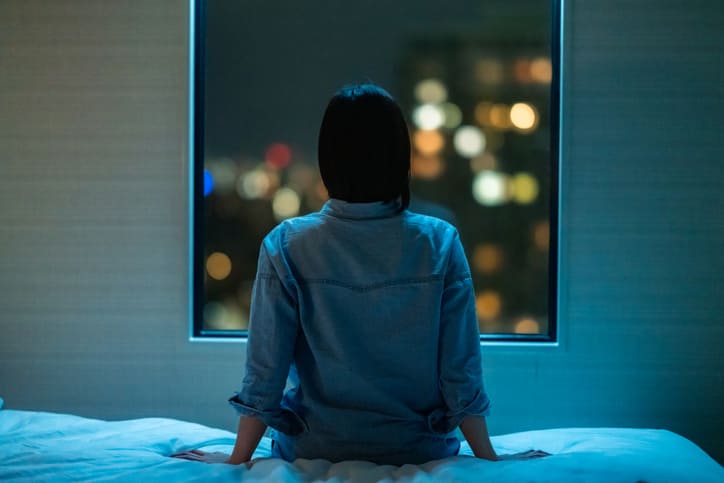
HGH Therapy and Optimized Sleep: What is the Link Between HGH and Sleep?
HGH Therapy can significantly improve sleep quality.
There is ongoing research that indicates a connection between poor or disturbed sleep and adult onset or “age-related” growth hormone deficiency. There is also evidence that the reverse is true; people, men in particular, with lower-than-normal HGH levels tend to suffer from sleep disorders.
Most people think that once you are over 40, sleep deprivation is just part of the normal part of the aging process. Between working full days at the office, dealing with budgeting, and the everyday stressors of raising a family, it is not uncommon for adults to have trouble sleeping and feel fatigued and exhausted throughout the day. However, while stress is a contributing factor, most people do not realize the intricate relationship between sleep and hormonal balance.
Several hormones are related to your ability to get restful sleep, not the least of which is human growth hormone (HGH).
Sleep and Your Hormones
There’s an undeniable connection between your sleep patterns and your hormone health. When sleep suffers, hormone production suffers. On the flip side, hormone imbalances can directly interfere with your ability to fall asleep, stay asleep, or wake feeling rested.
Most people recognize that quality sleep is critical for physical energy and emotional well-being. What’s less understood is just how deeply hormones, especially human growth hormone (HGH) and HGH therapy can be tied to the quality of your sleep.
What Is Insomnia?
Insomnia isn’t just the occasional restless night. It’s a sleep disorder that involves persistent difficulty falling asleep, staying asleep, or waking earlier than desired without being able to drift back off.
While most people deal with brief periods of poor sleep from time to time, chronic insomnia can take a serious toll—impacting mood, focus, immune function, physical health, and overall quality of life.
What Are the Three Types of Insomnia?
Healthcare professionals typically classify insomnia based on how long it lasts:
- Transient Insomnia – Brief episodes of poor sleep lasting less than one month.
- Short-Term Insomnia – Ongoing sleep issues lasting one to six months.
- Chronic Insomnia – Sleep disturbances persisting for more than six months.
Insomnia can also be further categorized as:
- Primary Insomnia – When insomnia occurs independently, not tied to other health conditions.
- Co-morbid Insomnia – When sleep difficulties are linked to other health problems like medical conditions, mood disorders, or hormonal imbalances. Often, poor sleep worsens the underlying issue, especially when hormone issues such as adult onset growth hormone deficiency, are part of the problem.
Many adults experience temporary insomnia caused by stress or life changes. However, when sleep problems become chronic, it’s important to work with an experienced practitioner to uncover and address the root causes.
Causes of Insomnia

Sleep struggles can arise from a wide range of factors. Sometimes insomnia exists as an isolated issue, but it’s often connected to other physical or emotional concerns.
Some common causes include:
- Stress, anxiety, or depression
- Poor sleep habits or irregular sleep schedules (including shift work or jet lag)
- Eating heavy meals late at night
- Use of substances like caffeine, alcohol, or tobacco
- Underlying medical conditions (including sleep apnea)
- Hormonal imbalances, especially age-related declines
It’s no coincidence that sleep issues often become more pronounced with age. As hormone levels—including HGH—naturally decline, it becomes harder for the body to regulate restorative sleep cycles.
Health Benefits of a Good Night’s Sleep
In addition to feeling better mentally and physically, quality sleep plays a crucial role in hormone production, particularly growth hormone. But the benefits of good sleep go far beyond just that.
Consistently getting at least 7 hours of sleep each night supports:
- A healthy heart
- Lower stress and reduced inflammation
- Enhanced focus, learning, and memory
- Weight management and metabolism
- Reduced risk of mood disorders like anxiety and depression
- Improved immune function
- Overall longevity and vitality
Sleep is when your body shifts into recovery mode. It repairs tissues, restores energy, balances hormones, and supports nearly every function vital to health.
HGH and Sleep Disorders
HGH is a vital hormone produced by the pituitary gland. While it’s best known for driving growth during childhood and adolescence, it remains critically important throughout adulthood. One of HGH’s key roles in adults is facilitating tissue repair, cellular regeneration, and metabolic health—all processes that peak while you sleep.
In fact, as much as 75% of your HGH release happens during deep or REM sleep. When your sleep is disrupted—whether by stress, hormonal imbalances, or lifestyle factors—your body produces significantly less HGH.
And here’s where it gets even more complicated. Low HGH levels can also cause or worsen sleep problems. This creates a vicious cycle where poor sleep leads to low HGH, and low HGH further damages sleep quality.
Additionally, individuals with growth hormone deficiency are more likely to struggle with weight gain or obesity, which increases the risk of sleep apnea condition that causes fragmented, poor-quality sleep.
Sleep disturbances are one of the hallmark symptoms of adult-onset growth hormone deficiency (AGHD). People with AGHD often report:
- Difficulty falling asleep
- Restless or fragmented sleep
- Waking feeling unrefreshed
- Low energy throughout the day
This is why improving growth hormone levels can have such a dramatic impact on sleep quality.
HGH Therapy Benefits for Better Sleep
When it comes to improved sleep, the benefits of growth hormone therapy cannot be overstated! At The HGH Therapy Doctor, we’ve seen firsthand how HGH therapy can transform sleep for patients suffering from HGH deficiency. Restoring optimal HGH levels doesn’t just improve energy, and metabolism directly helps reduce cortisol, calms the nervous system, and promotes deeper, higher-quality sleep.
Patients on HGH therapy often report:
- Falling asleep faster
- Staying asleep longer
- Waking up feeling refreshed and energized
- More stamina throughout the day
- Better mood and reduced stress
While HGH therapy is not prescribed specifically as a sleep aid, for adults who show clear signs of growth hormone deficiency, including poor sleep, it can be a key part of restoring total wellness.
Other Health Benefits of HGH as We Age
There are many benefits of HGH for men and women over 40 that go well beyond improved sleep. HGH plays a vital role in maintaining your physical, emotional, and metabolic health—especially as natural levels decline with age.

Our patients on HGH therapy often report:
- Improved ability to build lean muscle
- Improved skin tone and elasticity, leading to a more youthful appearance
- Reduction in fine lines, wrinkles, and thinning skin
- Increased fat metabolism, particularly around the hips and thighs
- Greater energy and stamina, with fewer episodes of fatigue
- Better bone density, helping prevent osteoporosis
- Enhanced mood and reduced anxiety or depression
- Improved libido and sexual wellness
- Sharper mental focus and cognitive clarity
HGH supports many of the biological processes that become compromised as we age. Whether the goal is to feel more energetic, regain a youthful appearance, or simply restore overall vitality, growth hormone optimization can be a powerful anti-aging tool.
When paired with healthy lifestyle changes, HGH therapy can dramatically improve how you look, feel, and perform both in the gym and in everyday life.
How to Get a Prescription for HGH Therapy
You must have a prescription from a licensed healthcare professional for HGH injections. At The HGH Therapy Doctor, we make obtaining a prescription for HGH therapy easy. It starts with filling out our “contact us” form, from there, one of our hormone therapy experts will contact you and take you through the entire process, from lab work to shopping for your HGH injections safely and securely from our medications page.
Why Choose HGH Therapy Doctor for HGH Therapy?
When it comes to HGH Therapy not all clinics are the same. At The HGH Therapy Doctor locations nationwide, we believe that hormone optimization is both a science and an art—requiring expert evaluation, precise dosing, and personalized care.
Here’s why so many men and women trust their hormone optimization treatments to The HGH Therapy Doctor:
- Unmatched Expertise: Our team of experienced physicians specializes in diagnosing and treating hormone imbalances, including growth hormone deficiency. This is not a side service — it’s our core specialty.
- Personalized Treatment Plans: No two patients are the same. We create customized HGH therapy programs based on your lab work, symptoms, goals, and overall health profile.
- Telemedicine Convenience: Wherever you are, we make HGH therapy accessible. Our streamlined telehealth consultations and nationwide lab partnerships make it easy to get started—without ever having to visit a doctor’s office in person.
- Premium Quality and Safety: We only prescribe genuine, pharmaceutical-grade HGH from licensed U.S. pharmacies. Your safety and results are our top priority.
- Comprehensive Support: Our care goes beyond just prescribing. We support you throughout your therapy with ongoing check-ins, adjustments as needed, and guidance on nutrition, exercise, and lifestyle.
If you’re ready to experience the transformative effects of HGH therapy — better sleep, more energy, improved body composition, and an overall better quality of life. Contact Us today and enjoy better sleep and better health tomorrow!
Frequently Asked Questions on HGH and Sleep
- How are Human Growth Hormone (HGH) levels connected to sleep?
HGH is primarily released during deep, slow-wave sleep. This means poor sleep quality or insufficient deep sleep can significantly reduce your body’s natural HGH production, impacting recovery, energy, and overall vitality.
- Can HGH therapy help improve my sleep quality?
Yes. By restoring optimal growth hormone levels, HGH therapy can enhance sleep architecture, helping you reach deeper, more restorative sleep stages, which in turn supports tissue repair, immune function, and hormone balance.
- Why do people with low HGH often experience insomnia or restless sleep?
Low HGH disrupts the balance of other hormones, including cortisol and melatonin, leading to difficulty falling or staying asleep. Many patients report improved sleep once HGH levels are normalized through therapy.
- Does HGH therapy affect how long I sleep, or just how well I sleep?
HGH therapy often improves both. Patients frequently describe fewer nighttime awakenings and more consistent sleep cycles, resulting in better overall rest—even if total sleep duration remains the same.
- Can better sleep from HGH therapy also improve mood and daytime energy?
Absolutely. Restorative sleep boosts neurotransmitter balance, reduces fatigue, and stabilizes mood. Many patients on HGH therapy notice higher energy levels and more mental clarity during the day.
- How long does it take to notice sleep improvements after starting HGH therapy?
While results vary, most patients report improved sleep patterns within the first few weeks to two months of consistent, medically supervised HGH therapy.
- Can HGH therapy help people with sleep disorders such as sleep apnea?
While HGH therapy isn’t a direct treatment for sleep apnea, improving growth hormone levels may enhance muscle tone and overall metabolic health—factors that can indirectly support better breathing and sleep quality when combined with other therapies.
- Is it safe to use HGH therapy for sleep improvement?
When prescribed based on clinical testing and monitored by hormone specialists, HGH therapy is considered safe and effective. The HGH Therapy Doctor customizes each protocol to ensure optimal results with minimal side effects.