
Often, patients with growth hormone deficiency are likely already suffering from other “comorbid” or pre-existing conditions. HGH therapy is generally regarded as safe. However, like any drug it has some side effects. In some people with certain pre-existing conditions, these side effects could be worse. However, pre-existing conditions do not automatically disqualify someone with growth hormone deficiency from HGH treatment. In fact, most adults in their 40s, 50s, and beyond are managing at least one chronic health issue. The key is to understand that HGH therapy is never prescribed in isolation, but is part of a broader medical strategy that takes all your conditions into account.
At The HGH Therapy Doctor, we will take a complete medical history before offering a diagnosis of growth hormone deficiency and prescribing HGH injections, as well as monitor several factors:
- Baseline and ongoing insulin-like growth factor (IGF-1) levels, which reflect HGH activity in the body.
- Overall metabolic function, including blood sugar regulation and lipid profiles.
- Cardiovascular health, especially if you have hypertension or a history of heart disease.
- Other hormones, such as testosterone, thyroid, and cortisol, are used to ensure balance.
Patients should also recognize that HGH is a controlled therapy. Self-medicating or purchasing HGH illegally can create serious health risks, particularly for those with pre-existing conditions. Under medical supervision, however, HGH therapy is carefully dosed and adjusted over time to align with your specific health status.
Is HGH Therapy Safe for Patients with Health Problems?
Safety is the foundation of any hormone therapy program. For patients with pre-existing conditions, safety depends on two critical factors: transparency and monitoring. You must share your complete health history, including any past or current diagnoses, medications, and treatment plans, so your physician can build a therapy strategy that fits your unique needs. Monitoring, such as IGF-1 tests and GH stimulation tests, ensures that your treatment stays safe, with regular follow-ups and blood tests helping your doctor make timely adjustments.
When these safeguards are in place, HGH therapy is generally well tolerated. Patients with diabetes often find improvements in glucose control, those with obesity notice healthier body composition, and adults with mood disorders report enhanced focus and resilience. The key is that therapy is customized and supervised, giving you confidence that your health is being protected while your hormone balance improves.
Comorbidity and Contraindications for HGH Therapy
Comorbidity, or the presence of multiple chronic conditions, is very common in patients exploring HGH therapy. Someone may have both diabetes and hypertension, or a combination of obesity and low testosterone. Far from being a disqualifier, these overlapping conditions often make the benefits of HGH even more meaningful, since deficiency can aggravate each of them.
There are, however, circumstances where HGH therapy should not be initiated right away. Active or recent cancer, uncontrolled diabetes, or untreated sleep apnea are examples of contraindications that must be addressed before therapy begins. This is why The HGH Therapy Doctor places great emphasis on thorough initial evaluations. By identifying risks upfront and correcting them before treatment, we ensure that HGH therapy is introduced only when safe and appropriate.
HGH Therapy and Patients With Diabetes
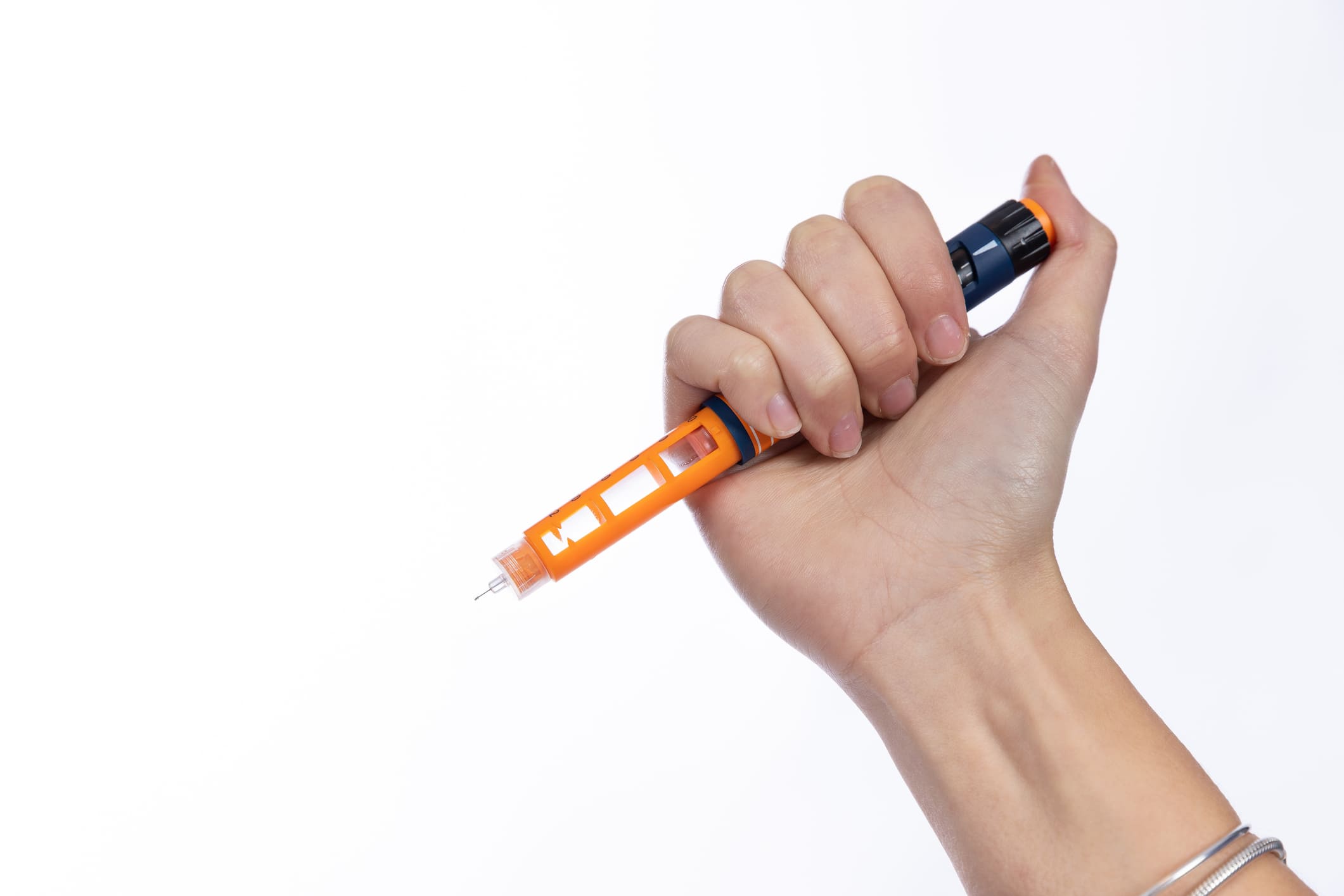
Diabetes and HGH deficiency are closely linked, with each making the other worse. Low growth hormone contributes to central weight gain, sluggish metabolism, and insulin resistance, which in turn destabilize blood sugar. Restoring HGH to proper levels can make a significant difference, helping many patients improve insulin sensitivity, reduce fat mass, and stabilize glucose levels over time.
That said, HGH therapy in patients with diabetes must be approached cautiously. Higher doses can temporarily elevate blood sugar, which is why treatment begins at the lowest effective dose. Blood glucose and A1C levels are checked frequently, and adjustments are made as needed. With the right balance, HGH therapy can actually support better long-term diabetic control rather than worsen it.
HGH Therapy and Patients With High Blood Pressure or Heart Disease
Cardiovascular concerns are often front-of-mind for adults considering hormone replacement. Growth hormone deficiency itself raises the risk of heart disease by impairing cholesterol balance, stiffening arteries, and lowering cardiac performance. By restoring HGH to normal ranges, many patients experience improvements in heart health, better cholesterol profiles, and greater endurance during physical activity.
For patients with high blood pressure or a history of heart disease, supervision is critical. While HGH can be supportive for heart health, improper dosing may lead to fluid retention or fluctuations in blood pressure. That is why The HGH Therapy Doctor includes regular cardiovascular evaluations as part of every treatment plan. With thoughtful oversight, HGH therapy can support—not undermine—your heart health.
HGH Therapy and Patients With Depression or Mood Disorders
The connection between growth hormone and mental health is stronger than most people realize. HGH deficiency disrupts neurotransmitter activity in the brain, including serotonin and dopamine, which are essential for regulating mood, focus, and resilience. As a result, adults with low HGH frequently struggle with depression, anxiety, and mental fog.
Correcting this imbalance often brings relief. Patients undergoing HGH therapy commonly describe feeling clearer, calmer, and more optimistic. Importantly, HGH therapy is not a substitute for psychiatric treatment, but it can be a powerful complement to existing therapies. For patients already managing depression or other mood disorders, restoring HGH can provide a valuable boost to overall mental well-being.
HGH Therapy and Patients With Low Testosterone

Low testosterone and HGH deficiency often overlap, producing a compounded effect of fatigue, poor libido, and declining muscle strength. Treating only one of these conditions typically leaves patients only partially improved. A dual approach—where both testosterone and growth hormone are corrected—often delivers the most complete restoration of vitality.
At The HGH Therapy Doctor, we frequently treat men with combined deficiencies. Careful dosing and balance between the two hormones are crucial, as they interact with one another in regulating metabolism, energy, and body composition. With individualized management, patients regain strength, sexual health, and vitality safely, even when pre-existing hormone imbalances complicate their presentation.
HGH Therapy and Patients With Thyroid Disorders or Other Hormone Imbalances
Hormones never act in isolation, which is why thyroid conditions often go hand-in-hand with HGH deficiency. Restoring growth hormone can improve energy, metabolism, and cognitive sharpness in thyroid patients, but it also requires careful coordination. HGH therapy may affect thyroid hormone activity, meaning your dosage of thyroid medication may need to be adjusted as treatment progresses.
This principle extends to other hormonal issues, such as cortisol imbalances or adrenal fatigue. A patient with multiple hormone irregularities requires a holistic plan that restores balance across the system rather than focusing on a single deficiency. Our clinic specializes in integrated hormone management, ensuring HGH therapy is safe and effective even in complex cases.
HGH and Patients With Obesity
Obesity and HGH deficiency create a reinforcing cycle: excess abdominal fat reduces the body’s natural growth hormone output, while low HGH levels promote further fat accumulation. This makes it extremely difficult for many adults to lose weight, even with diet and exercise.
Introducing HGH therapy can help break this cycle. Many patients on HGH experience reductions significant weight loss and an increase in lean muscle, and an overall boost in metabolism. While HGH is not a weight-loss drug, it enhances the effectiveness of lifestyle interventions, making it easier to achieve sustainable weight management. When combined with nutrition guidance and exercise, HGH therapy provides a powerful foundation for healthier body composition.
HGH and Cancer Risk: Is There a Reason for Concern?
Understandably, many patients worry about whether HGH therapy could increase cancer risk. The reality is that growth hormone does not cause cancer. The concern stems from the fact that HGH stimulates cell growth and repair, and in theory, it could accelerate tumor development in someone with active cancer.
For this reason, patients with a history of cancer undergo a thorough evaluation before starting therapy. If you are cancer-free and in remission, HGH therapy may still be a safe option, but it will involve additional monitoring. With these precautions in place, most patients can move forward confidently, knowing their treatment is aligned with both safety and long-term health.
Ensuring the Safety of HGH Regardless of Your Health or Medical Conditions
Every patient deserves peace of mind when starting hormone replacement therapy. At The HGH Therapy Doctor, safety is built into every stage of care. From your first consultation, we perform comprehensive testing to establish your baseline health, including IGF-1, metabolic markers, cardiovascular indicators, and hormone panels.
Treatment is then tailored to your individual profile. Dosing is never standardized; instead, we start conservatively and adjust gradually. Throughout your therapy, we conduct scheduled laboratory tests and follow-up visits, ensuring that your body is responding positively. This proactive, patient-centered model means you can pursue HGH therapy with confidence, even if you are managing chronic conditions.
We Take a Unique Approach to HGH Therapy
The HGH Therapy Doctor is a well-respected leader in the treatment of age-related hormone loss in men and women. Unlike other HRT clinics in your area that may offer a quick, generalized treatment plan, we take the time to understand your health history, evaluate your conditions, and customize therapy for your needs. This includes collaborating with your other healthcare providers when necessary, so your HGH deficiency treatment fits seamlessly into your broader medical care.
By combining advanced lab work and diagnostics, careful monitoring, and individualized protocols, we provide a level of precision and safety unmatched in the field. For patients with pre-existing conditions, this thoughtful approach ensures that HGH therapy is not just safe but transformative.
Now that you know more about how we can make HGH Therapy safe for almost anyone, why not contact us today and see how we can help you look and feel younger!
Frequently Asked Questions About Prescribing HGH for Patients With Pre-Existing Medical Conditions
1. Can I start HGH therapy if I have diabetes?
Yes, many patients with diabetes benefit from HGH, but careful monitoring of glucose and A1C levels is essential.
2. Is HGH safe if I have heart disease?
With supervision, HGH may improve cardiovascular health. Your doctor will track blood pressure and heart function throughout treatment.
3. Does HGH therapy worsen depression or anxiety?
On the contrary, many patients report improved mood and mental clarity when hormone levels are restored.
4. What if I am on thyroid medication?
HGH may require thyroid dose adjustments, but the combination can be highly effective when managed correctly.
5. Is HGH therapy safe if I am obese?
Yes, and it may actually help reduce abdominal fat and improve metabolism. Lifestyle changes remain important.
6. Can I take HGH if I have had cancer in the past?
Patients in remission may still be candidates, but extra safety monitoring is required. Active cancer is a contraindication.
7. Is HGH therapy safe if I am already on testosterone replacement therapy (TRT)?
Yes, in fact, combined therapy often provides the best outcomes for men with multiple hormone deficiencies.
8. What conditions prevent someone from starting HGH therapy?
Uncontrolled diabetes, untreated sleep apnea, or active cancer may delay or prevent therapy until properly managed.