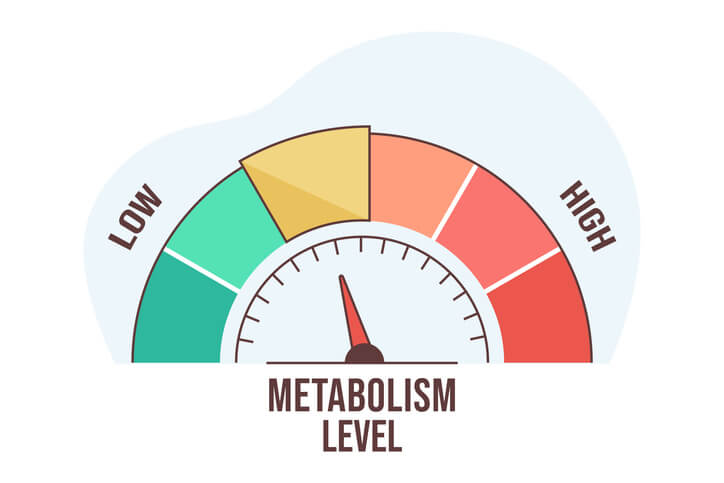
The Link Between HGH and Metabolism: Why Energy Drops With Age
As men and women age, human growth hormone or HGH is vital to healthy sleep, energy and recovery.
Sleep, energy, and recovery are closely connected. When one starts to slip, the others often follow. Many adults over 40 begin to notice that they do not sleep as deeply, do not bounce back the way they used to, and do not have the same steady energy they had in earlier years. Workouts feel harder. Stress feels heavier. Healing takes longer. Even getting through a normal day can feel like more effort.
One reason for these changes is that natural HGH levels tend to decline with age. HGH helps support repair, renewal, metabolism, muscle tone, tissue health, and overall vitality. When levels fall, the body may feel slower, weaker, and less resilient. This can show up in many ways, including poor sleep, low energy, slower recovery from exercise, longer healing after illness or injury, and a general sense that the body is not working as smoothly as it once did.
This is where HGH therapy may help. In the qualifying adults and under proper medical supervision, treatment with HGH injections can support deeper recovery on a whole-body level. It may help the body restore healthier patterns of rest, repair, and renewal. That is important because better sleep can improve recovery, better recovery can improve energy, and better energy can improve daily life.
Let’s take a closer look at how HGH supports sleep, healing, strength, resilience, and a more youthful sense of energy.
Why Do Energy Levels Drop as We Age
It is easy to blame lower energy on a busy schedule, poor sleep, or simply “getting older.” Those things can matter, but they do not explain the whole picture. Many adults notice that their energy changes in a very specific way with age. They may still be able to get through the day, but it takes more effort. The same workday feels heavier. Exercise feels less rewarding. Recovery takes longer. Even when they are eating reasonably well and trying to stay active, they may feel as if their body is running on a lower setting than it once did.
Part of that change is tied to the way the body’s repair and energy systems shift over time. As we age, the body often becomes less efficient at maintaining lean muscle, using stored fat for fuel, repairing tissue after stress, and keeping sleep as restorative as it used to be. All of that is related to hormone balance and is why age-related hormone loss is a big part of energy decline in people over 40.
In particular, human growth hormone (HGH) plays a role in this age-related fatigue. HGH is not the only reason that energy levels drop with age. Tiredness can come from thyroid problems, low testosterone, poor sleep, anemia, chronic stress, certain medications, depression, and many other medical issues. However, HGH is involved in many of the processes that help the body maintain strength and energy such as tissue repair, lean muscle support, fat metabolism, exercise recovery, and sleep quality.
It is also important to understand that energy is not only about how awake a person feels. Healthy energy depends on how well the body can produce, store, and use fuel. It depends on muscle mass, circulation, hormone balance, sleep depth, blood sugar stability, and the ability to recover from physical and mental stress. When these systems weaken together, fatigue can feel more like a full-body slowdown than simple sleepiness.
That is why adults who are dealing with persistent low energy should avoid guessing. A proper medical evaluation can help determine whether declining HGH, other hormone changes, or an unrelated health condition may be contributing to your daytime fatigue and loss of energy.
HGH and Metabolism: What is the Link?
Metabolism is often described only in terms of weight loss, but it is much more than the numbers on a scale. Metabolism is the body’s system for turning food, stored nutrients, and oxygen into usable energy. It also helps determine how efficiently the body maintains muscle, breaks down fat, repairs tissue, and responds to physical activity. When metabolism slows with age, people may notice lower stamina, easier weight gain, reduced muscle tone, and a harder time bouncing back after exertion.
HGH is part of the hormonal network that helps regulate metabolism. It supports the maintenance of lean tissue, which matters because muscle is metabolically active. Muscle does not just shape the body; it helps the body use energy more efficiently. As HGH levels decline, some adults may find it harder to preserve muscle even when they remain active. Over time, less lean muscle can contribute to a slower resting metabolic rate, meaning the body may burn fewer calories at baseline than it once did.
HGH also influences how the body handles fat. Healthy HGH activity helps support lipolysis, the process by which stored fat is broken down and made available as fuel. When HGH levels are lower, the body may become more likely to store fat and less efficient at using it for energy. This does not mean HGH therapy is a weight-loss shortcut. It means that HGH is one of the hormones that can affect whether the body is working with or against a person’s efforts to improve body composition.
The relationship between HGH and energy is quite important. However, HGH does not act like stimulant and properly prescribed HGH therapy should not be viewed as an instant energy boost. Instead, HGH may help improve the systems that support energy over time. When metabolism, sleep quality, muscle maintenance, and recovery begin to function better, many patients describe a steadier kind of energy. They may feel less drained by ordinary activity. They may feel more capable during exercise. They may recover with less lingering fatigue.
This is also why HGH therapy should be medically guided. Metabolism is influenced by many hormones, not one. Thyroid hormones, insulin, cortisol, testosterone, estrogen, and HGH can all affect energy, body composition, and recovery. If one part of the system is treated without understanding the rest, results may be limited or uneven. A careful evaluation helps determine whether HGH is truly part of the problem and whether treatment is appropriate. When that is prescribed responsibly, HGH therapy has been proven to improve the conditions that allow metabolism to work more efficiently again.
Other Symptoms of HGH Decline in Adults Besides Fatigue
Weakness and fatigue are not the only symptoms of age-related growth hormone loss. Other common symptoms associated with low or declining HGH in adults may include:
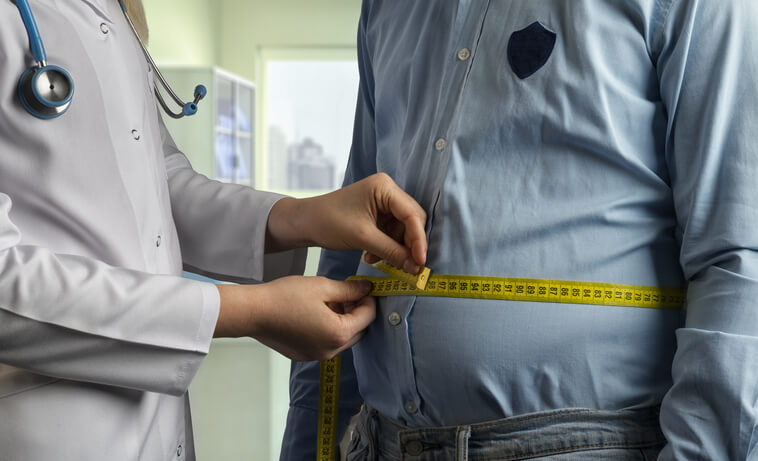
- Increased abdominal fat, especially when diet and activity have not changed much
- Reduced lean muscle tone or a softer body composition
- Slower recovery after workouts, physical labor, or minor injury
- Lower exercise capacity or reduced stamina during normal activity
- Decreased strength despite continued physical effort
- Poorer sleep quality or waking without feeling restored
- Thinner, drier, or less elastic skin
- More noticeable changes in hair texture or thickness
- Joint stiffness or generalized aches that are not clearly tied to injury
- Lower motivation to stay active because the body feels harder to push
- Mood changes, including feeling more flat, less driven, or less resilient
- Difficulty maintaining previous fitness results
- A sense of physical aging that feels faster than expected
What is the Relationship Between HGH and Energy Levels
Energy is about much more than feeling awake. Real energy means having the strength, stamina, and physical drive to move through the day without feeling drained all the time. It means getting through work, exercise, family life, and daily tasks without feeling like your body is always running low.
HGH plays a meaningful role in that process. It helps support metabolism, lean muscle maintenance, recovery, tissue repair, and the body’s ability to use resources efficiently. When HGH levels drop with age, many adults begin to notice a slow but steady change in how they feel. Their stamina declines. They lose some physical drive. Their body composition changes. They feel more sluggish. They recover more slowly from activity. Their energy becomes less stable.
Low energy is rarely caused by one thing alone. It often comes from a mix of factors that build on each other over time. Poor sleep leads to fatigue. Slower recovery leads to soreness and lower exercise tolerance. Loss of lean muscle can make the body feel weaker. More body fat can make movement feel harder. Stress can leave a person feeling mentally and physically drained. When HGH levels fall as part of aging, the body may become less efficient across many of these areas at once.
That is why energy problems often feel so broad. A person may not just feel sleepy. They may feel depleted. They may feel like they are dragging through the day, struggling to keep up, and no longer recovering from normal life the way they once did.
By helping support repair, body composition, sleep quality, and recovery, HGH therapy may help restore a stronger foundation for healthier energy.
Can HGH Therapy Help Adults Feel More Vital and Energetic?
Yes, in the right adults, HGH therapy may help improve vitality and day-to-day energy. Many people do not just want more pep for a few hours. They want to feel more like themselves again. They want to wake up with more drive, move through the day with more ease, and feel less worn down by normal responsibilities.
That is where vitality matters. Vitality is the feeling that the body is working with you, not against you. It is the sense of physical readiness, resilience, and strength that helps you enjoy life more fully. When growth hormone levels decline, that spark can fade. People may still function, but they often feel older than they should. They may say they are getting through the day, but they are not really enjoying it with the same “verve” they once had.
HGH therapy may help change that by supporting the systems that help the body stay strong and responsive. Better recovery often leads to better stamina. Better sleep can lead to better mental and physical energy. Better tissue repair can reduce the sense of constant wear and tear. Improved muscle support can make movement easier and more natural. All of these changes can lead to a meaningful shift in how a person feels.
This does not happen as a sudden rush. The goal is not a stimulant-like effect. The goal is steady, slow, ongoing improvements in energy over time. That overall broader sense of vitality can also affect confidence, motivation, and quality of life. When people feel stronger, sleep better, and recover faster, they often become more active. They may return to exercise. They may become more social. They may feel more mentally engaged. In that way, better energy is not just a symptom improvement. It can become the starting point for a healthier and more rewarding lifestyle.
HGH Therapy for Increase Energy and Improved Recovery
Recovery is one of the most important parts of healthy aging, but it is also one of the first things many people notice slipping with time. In younger years, the body often repairs itself more quickly. A tough workout, a stressful week, a minor injury, or even a short illness may not leave much of a mark. As the years pass, that same stress can take more out of the body and last longer.
HGH is closely tied to recovery because it helps support cellular health, renewal, and regeneration. In simple terms, it helps the body repair what daily life breaks down. That includes muscles, tissues, skin, connective structures, and other parts of the body that need steady maintenance. It also supports the body’s ability to restore balance after physical strain, illness, injury, or stress.
This is why recovery should be looked at in a broad way. Recovery is not only about getting over a workout. It is also about recovering from poor sleep, illness, surgery, injury, inflammation, emotional stress, and the steady wear and tear that comes with age. When the body loses some of its natural recovery power, a person may begin to feel like they never fully bounce back. They may feel tired more often, sore for longer, and less able to handle physical or emotional stress.
HGH therapy may help by improving the body’s internal repair environment. It may support lean tissue, healthier healing, improved resilience, and stronger recovery after many different types of strain. That is one reason HGH remains such an important part of anti-aging and restorative care. It is not only about one symptom. It is about helping the body regain a better ability to repair, rebuild, and renew itself.
HGH and Reducing Systemic Inflammation for Optimal Aging
Many people have heard that inflammation is part of aging. That idea is important because long-term, body-wide inflammation is believed to play a major role in how we age and how our health changes over time. This is often called the inflammation theory of aging. In simple terms, it means that low-grade ongoing inflammation may contribute to fatigue, slower healing, poorer recovery, body aches, weaker immune function, and many other age-related changes.
When inflammation stays too active for too long, the body may feel stuck in a state of wear and tear. Recovery becomes harder. Sleep may suffer. Energy may drop. Tissues may not repair as efficiently. People may feel older not just in years, but in how their body functions each day.
HGH therapy may help support a healthier recovery environment by improving repair, renewal, and overall tissue health. As the body becomes more efficient at rebuilding itself, the burden of long-term stress and inflammatory wear may begin to ease. This is one reason HGH is often viewed as part of a broader anti-aging strategy. It may help the body become less run down and more resilient.
Reducing systemic inflammation matters not just for comfort, but for long-term vitality. When the body is less inflamed and more balanced, people may notice better movement, better recovery, clearer thinking, better sleep, and a stronger sense of wellness overall. That is why inflammation support is often seen as one of the deeper life extension and healthy aging benefits of HGH therapy.
Can HGH Help You Recover From Emotional Fatigue?

Fatigue is not only physical. Emotions can take their toll on energy levels as well. Many adults do not just feel tired only in the body. They feel worn down in the mind and spirit as well. They may feel less motivated, more stressed, more irritable, or more emotionally flat than they used to. These negative emotional states not only can make you feel burnt out emotionally, they can actually lead to increased physical fatigue.
HGH therapy may help support emotional well-being in several ways. First, better sleep and better physical recovery often improve mood on their own. When a person is less exhausted, less sore, and more physically stable, they often feel more emotionally steady too. Second, improved energy and vitality can help a person feel more engaged in life. That can restore confidence, improve motivation, and support a better sense of self.
Some adults also report improvements in feelings tied to stress, low mood, and emotional fatigue. This may happen because the body and mind are closely connected. When the body is not recovering well, emotional strain often grows. When recovery improves, emotional resilience may improve too.
This does not mean HGH should be viewed as a stand-alone treatment for serious mental health concerns. Emotional health should always be approached with proper care and a full understanding of the person’s needs. Still, for adults whose emotional well-being has been affected by poor sleep, low vitality, slower recovery, and age-related hormone decline, HGH therapy may play a helpful supportive role in helping them feel more balanced and more like themselves again.
HGH Therapy for Fatigue and Improved Energy Near Me
If you are a man or women over 40 and do not seem to have the strength and energy you used to, it’s time to consider that HGH decline may be part of the problem. At the HGH Therapy Doctor near you, it’s easy to get started, and once you do, you will see why we are recognized leaders in treating hormonal imbalances in adults.
We know that admitting you need help is a personal decision. It’s hard to accept that we are not as young as we used to be, but that does not mean you have to give up on the things you love. At The HGH Therapy Doctor we take the time to understand your symptoms, your goals, and what “feeling better” really means for you. Your care starts with a thorough evaluation, followed by a clear, step-by-step plan that’s designed around your body and your lifestyle, not a one-size-fits-all protocol.
The HGH Therapy Doctor Difference
Our focus is on helping adults address the root causes of age-related hormone decline with personalized care. Our doctors understand that poor sleep, low energy, and slow recovery are often connected. Instead of looking at each symptom on its own, we take a broader view of how hormone balance affects the whole body. That means building a plan that supports better rest, stronger recovery, improved vitality, and healthier aging overall.
At The HGH Therapy Doctor, your care is built around you. We take the time to understand how you have been feeling, how your symptoms are affecting your day-to-day life, and what you want to improve most. Whether your biggest concern is sleep, energy, workout recovery, healing, or overall vitality, our goal is to create a treatment plan that fits your body and your goals.
Our approach is thorough, personalized, and focused on long-term wellness. We use detailed evaluations, thoughtful medical guidance, and ongoing monitoring to help make sure treatment stays effective and aligned with your needs over time. We do not believe in one-size-fits-all care. We believe in helping adults feel stronger, recover better, and regain a healthier sense of balance as they age.
Now that you know more about the relationship between HGH, sleep, energy and recovery, it’s time to take the next step. Contact The HGH Therapy Doctor today to schedule your consultation and see how HGH therapy can make you feel more like yourself again.
Frequently Asked Questions About HGH, Metabolism and Energy
Can low HGH make you feel tired all the time?
Low HGH may contribute to persistent fatigue in some adults, especially when it affects sleep quality, muscle maintenance, tissue repair, and metabolism. However, feeling tired all the time does not automatically mean a person has low HGH. Fatigue can come from many causes, including thyroid imbalance, poor sleep, low testosterone, chronic stress, nutritional problems, and other medical conditions. That is why testing and a full clinical review are important before considering HGH therapy.
Does HGH speed up metabolism?
HGH can support parts of metabolism that influence body composition, including lean muscle maintenance and fat utilization. A healthier HGH level may help the body respond better to exercise, nutrition, and recovery. However, HGH therapy should not be described as a quick metabolism booster or a substitute for lifestyle changes. In properly selected adults, it may help improve the internal conditions that allow metabolism to work more efficiently over time.
Will HGH therapy give me more energy right away?
Most patients should not expect HGH therapy to feel like a stimulant. It does not work the way caffeine or energy drinks work. When HGH therapy is appropriate, energy changes usually develop gradually as sleep, recovery, body composition, and physical resilience improve. Some adults notice early changes in recovery or sleep before they notice a clear change in daily energy. The timeline depends on the person’s health, dosage, consistency, and other hormone or metabolic factors.
Can HGH help with weight gain after 40?
HGH may help some adults who are gaining fat and losing muscle because of age-related hormone decline, but it is not a stand-alone weight-loss treatment. Its role is more closely tied to body composition, fat metabolism, recovery, and lean tissue support. Adults who qualify for treatment may see better results when HGH therapy is combined with appropriate nutrition, strength training, sleep improvement, and medical monitoring.
How do I know if my fatigue is related to HGH?
The only responsible way to know is through a medical evaluation. A provider should review symptoms, health history, medications, sleep, nutrition, exercise habits, and lab results. HGH-related fatigue is more likely to be considered when low energy appears with other signs such as reduced muscle tone, slower recovery, increased abdominal fat, and decreased exercise tolerance. Even then, testing is needed because similar symptoms can come from other hormone or health issues.
Is HGH therapy safe for adults with low energy and slow metabolism?
HGH therapy can be safe and effective for properly screened adults who have a legitimate medical need and are monitored by a qualified provider. Safety depends on correct diagnosis, appropriate dosing, regular follow-up, and attention to side effects. It should never be used casually, purchased without a prescription, or taken without medical supervision. When treatment is matched to the right patient, HGH therapy may be a useful option for improving the hormonal environment that supports energy and metabolism.