
HGH for Skin, Hair, and Anti-Aging
Human growth hormone or HGH has become a cornerstone of Anti-Aging medicine.
For most of us, aging does not happen all at once. It can start with small changes that slowly build over time. You may feel like you do not recover from working out as fast as you used to. You may notice less strength, more belly fat, thinner skin, lower energy, weaker sleep, or a general feeling that your body is not keeping up with your life. These changes can affect the way you work, play, spend time with family, and enjoy the things you love.
HGH therapy is used in anti-aging medicine to help support the body from the inside out. HGH plays an important role in repair, strength, fat metabolism, sleep quality, and healthy tissue support. When HGH levels are no longer where they should be, many adults begin to feel older than they are. The goal of HGH replacement therapy is not to “turn back the clock” in an unrealistic way. The goal is to help the body work closer to its best possible level for your age, health, and needs.
This is why HGH therapy can be such an important part of a healthy aging plan. It may help support lean muscle, better recovery, healthier body composition, stronger bones, smoother-looking skin, healthier hair, and a more active lifestyle. For many adults, these improvements can make daily life feel easier and more enjoyable.
Let’s take a closer look at the relationship between growth hormone and aging and the many anti-aging benefits of HGH.
What is the Relationship Between HGH Decline and Aging?
HGH levels naturally decline as adults get older. This decline does not always happen in the same way for every person. Some adults may notice mild changes over many years. Others may feel a sharper drop in energy, strength, sleep, or body tone during midlife or later adulthood.
HGH is closely tied to how the body repairs and renews itself. When levels are healthy, HGH helps support muscle, bone, skin, metabolism, and recovery. It also works with other hormones that help the body stay balanced. As HGH levels fall, the body may not repair itself as quickly or respond to exercise and healthy habits as well as it once did.
One common change linked with lower HGH is a loss of strength. Adults may feel weaker, even if they are still active. They may find that workouts feel harder or that it takes longer to recover afterward. This can make it harder to keep muscle as the years go by.
Body composition can also change. Lower HGH may make it easier to gain fat and harder to maintain lean muscle. Many adults notice this most around the waist. Even with a better diet and exercise, the body may not respond the same way it did in younger years.
Skin and hair can also be affected by age-related hormone changes. HGH helps support tissue repair and healthy renewal. When levels decline, some people notice thinner-looking skin, less firmness, slower healing, or changes in hair thickness and texture. These changes can make a person look and feel older than they want to.
Energy is another major concern. Lower HGH may contribute to a slower, heavier feeling during the day. Adults may still be able to “push through,” but they may not feel as sharp, strong, or motivated as they once did. Over time, this can affect mood, activity, and overall quality of life.
HGH decline is not the only reason people age. Aging is complex. It involves hormones, lifestyle, stress, sleep, nutrition, genetics, and overall health. However, HGH is one important piece of the healthy aging picture. When HGH is low or no longer well balanced, restoring better hormone support may help the body respond in a stronger, more youthful way.
What is Anti-Aging Medicine?
Anti-aging medicine is a medical field focused on helping people live longer, healthier, and more active lives. It is not only about appearance. It is about helping the body stay stronger, more balanced, and more resilient as the years pass.
Groups involved in healthy aging research and education often describe anti-aging medicine as a forward-looking approach to health. Instead of waiting for serious problems to develop, this field looks at how to prevent, slow, or reduce age-related decline. The goal is to support a longer health span, which means more years of life spent feeling well, moving well, and staying active.
Traditional care often focuses on treating disease after symptoms appear. Anti-aging medicine takes a more proactive view. It asks why a person is losing energy, gaining fat, sleeping poorly, losing strength, or feeling older than expected. Then it looks for ways to support the body before those problems become more serious.
Hormone balance is one important part of this approach. As men and women age, hormone levels can shift. These shifts can affect muscle, weight, mood, sex drive, sleep, skin, bones, and overall vitality. Anti-aging medicine looks at these changes in a careful and personalized way. The goal is to help restore better balance so the body can work more efficiently.
HGH therapy may be one part of a broader anti-aging plan. A complete plan may also include nutrition, exercise, sleep support, other hormone therapies such as testosterone, weight management, and regular medical monitoring. When these tools are used together, they can help adults feel stronger, look healthier, and stay more engaged in daily life.
Anti-aging medicine is best understood as healthy aging medicine. It is about helping people protect their strength, independence, and quality of life. For many adults, that means taking action before they feel limited by age. It means building a plan that supports the body today while also helping protect long-term wellness.
The Anti-Aging Benefits of Growth Hormone Injections
Growth hormone injections may offer many anti-aging benefits for adults who are good candidates for treatment. These benefits are often connected to the way HGH supports repair, renewal, strength, and body balance.
One of the most common reasons adults consider HGH therapy is to support better body composition. As HGH levels decline, it may become harder to maintain lean muscle and easier to gain fat. HGH therapy may help the body support more muscle tone and a leaner shape, especially when combined with healthy eating and regular exercise.
HGH may also help support stronger recovery. Many adults notice that they feel sore longer after workouts or daily activity as they get older. With better hormone support, the body may be able to recover more efficiently. This can help patients stay active and keep up with the routines that matter to them.
Skin health is another important anti-aging benefit. HGH supports healthy tissue repair and renewal. Many patients are interested in HGH because they want skin that looks firmer, smoother, and healthier. While results vary, better hormone balance may help support a more refreshed appearance over time.
HGH may also support hair health, bone strength, sleep quality, and brain performance. These benefits are part of why HGH is often discussed in anti-aging medicine. The goal is not to focus on one single symptom. The goal is to help the body function better across several areas that are affected by aging.
Energy and vitality are also major benefits. Adults with low HGH often describe feeling slower, less motivated, or less physically capable than they used to feel. HGH therapy may help restore a stronger sense of drive and stamina, making it easier to stay active and engaged.
The best results come from a personalized plan. HGH therapy works best when it is guided by testing, medical history, symptoms, and ongoing follow-up. When used correctly, growth hormone injections can be a powerful part of a healthy aging plan designed to help adults feel stronger, look healthier, and age with more confidence.
Does HGH Reverse Aging?

No. HGH does not reverse aging. Nothing can make the body go backward in time.
However, HGH may help slow many of the visible and physical signs linked with aging. It can support strength, energy, lean muscle, skin health, recovery, and overall vitality. For many adults, this can make aging feel less limiting and more manageable.
The goal of HGH therapy is not to make a person young again. The goal is to help patients age more optimally. That means supporting the systems that help you move, repair, sleep, think, and stay active. When those systems are better supported, many adults feel more like themselves again.
HGH therapy may be especially helpful for people who feel that normal aging has started to affect their lifestyle. This may include lower energy, weaker workouts, more body fat, slower recovery, thinner-looking skin, or a loss of overall strength. With the right care plan, HGH may help improve these concerns and support a healthier, more active future.
Proper medical supervision is very important. HGH therapy should be based on a full review of symptoms, lab work, medical history, and personal goals. The dose should be carefully chosen and adjusted as needed. Follow-up visits help make sure the treatment remains safe, effective, and aligned with the patient’s needs.
So, while HGH does not reverse aging, it can help many adults age better. It can help support the body’s natural repair and renewal systems. It can help men and women feel stronger, more energetic, and more confident as they move through midlife and beyond.
HGH for Skin Health and Rejuvenation
HGH plays an essential role in keeping your skin looking youthful, vibrant, and healthy.
Walk through any pharmacy or browse online and you’ll quickly see an overwhelming number of beauty products promising smoother, more youthful looking skin. The global market for skincare and anti-aging creams, serums, and wrinkle busters is enormous — and for good reason. Most people understand that the outward signs of aging, like sagging skin can significantly impact appearance and confidence.
But no cosmetic product – despite their claims — can match what HGH can do for you from the inside out. Unlike lotions or “wrinkle creams,” HGH works on a cellular level to stimulate the regeneration and repair of your skin. That’s because growth hormone is one of the body’s primary tools for renewing skin tissue and maintaining tight, youthful-looking skin hair.
As HGH production naturally declines with age, the visible consequences become more apparent. Wrinkles begin to form, and skin loses its firmness. These signs of aging are closely linked to age-related HGH decline. Fortunately, with growth hormone replacement therapy, patients often experience a noticeable transformation in the skin along with many other anti-aging and rejuvenative benefits.
What Is the Link Between HGH and Lines and Wrinkles?
Your skin’s ability to remain smooth, firm, and resilient depends largely on two key proteins: collagen and elastin. Collagen provides the skin with structural support, while elastin allows it to stretch and bounce back. Think of collagen as the concrete foundation of a home — when that foundation starts to weaken, cracks begin to show. The same is true for your skin when collagen production slows.
As HGH levels drop with age, collagen synthesis slows as well. This leads to sagging, wrinkles, and thinning of the skin. At the same time, your body’s ability to repair damaged skin cells is reduced. Together, these changes result in skin that appears older, less radiant, and more prone to issues like dryness or the dreaded “crepey” texture.
HGH Therapy helps reverse this decline by stimulating the body to produce more collagen and elastin. Clinical studies have shown that patients receiving growth hormone injections often see firmer, thicker skin with fewer lines, improved hydration, and a healthy, youthful glow.
The Proven Benefits of HGH Therapy for Aging Skin
A growing body of research supports the ability of HGH to tighten and rejuvenate skin. One comprehensive review published in 2011, titled Growth Hormone System: Skin Interactions, analyzed the cumulative research and concluded that HGH plays a significant role in skin development, maintenance, and repair. The findings highlighted a clear relationship between declining HGH levels and the onset of visible skin aging.
In particular, low HGH levels are associated with:
- Thinner, more fragile skin layers
- Formation of wrinkles and fine lines
- Increased visibility of cellulite
- Development of age spots
- General sagging and loss of elasticity
When HGH is introduced via prescription growth hormone injections, it initiates a cellular cascade that restores the skin from within. Elastin production increases, making the skin more elastic and better able to recover from stretching or injury. Collagen levels rise, thickening the skin and smoothing out wrinkles and texture irregularities. Over time, skin becomes stronger, softer, and more supple.
Many patients undergoing HGH replacement therapy report gradual but noticeable improvements beginning within a few weeks, with dramatic results emerging by the three- to six-month mark. With continued treatment, common concerns like uneven tone, crepey skin, and visible cellulite diminish, replaced by a more luminous and youthful complexion.
How Does HGH Impact Hair Health?
To appreciate how HGH impacts hair, we must first understand how your hair grows. The hair growth cycle begins with cells called keratinocytes which produce keratin. A hair bulb forms at the base of a hair follicle, and it is there that these living cells divide and grow to build the hair shaft. Blood vessels nourish these cells by bringing hormones that will help to support this process, one of the most important of which is human growth hormone. As we age and HGH levels decrease, your hair follicles cannot provide enough new cells to make your hair grow as strong and thick as it did when you were younger. Weak, thinning hair is the result. In addition, pigment cells that produce melanin in the follicle will also start to die with aging, and fewer are replaced due to low HGH, and this is how our hair begins to turn gray.
It stands to reason, therefore, that if we increase your HGH level with growth hormone therapy, hair regrowth will improve. Studies have shown that this is indeed the case. As your HGH levels rise, cellular regeneration takes place throughout your body, including in the living cells of your hair. Many people have reported an overall improvement in hair thickness and quality as well as a return of natural color after just six months of HGH therapy.
The driving force between HGH and its impact on hair and hair loss is its relationship with another critical hormone known as IGF-1. HGH stimulates the liver to produce and release another hormone called Insulin-like Growth Factor-1 or IGF-1. Among its many other functions, IGF-1 is known to stimulate hair follicles to proliferate and influence the growth cycle of the hair follicle. People with an IGF-1 deficiency and/or a growth hormone deficiency often experience hair loss. HGH therapy and IGF-1 injections have been shown to slow hair loss and restore hair in such individuals.
HGH and Anti-Aging: The Other Benefits of HGH
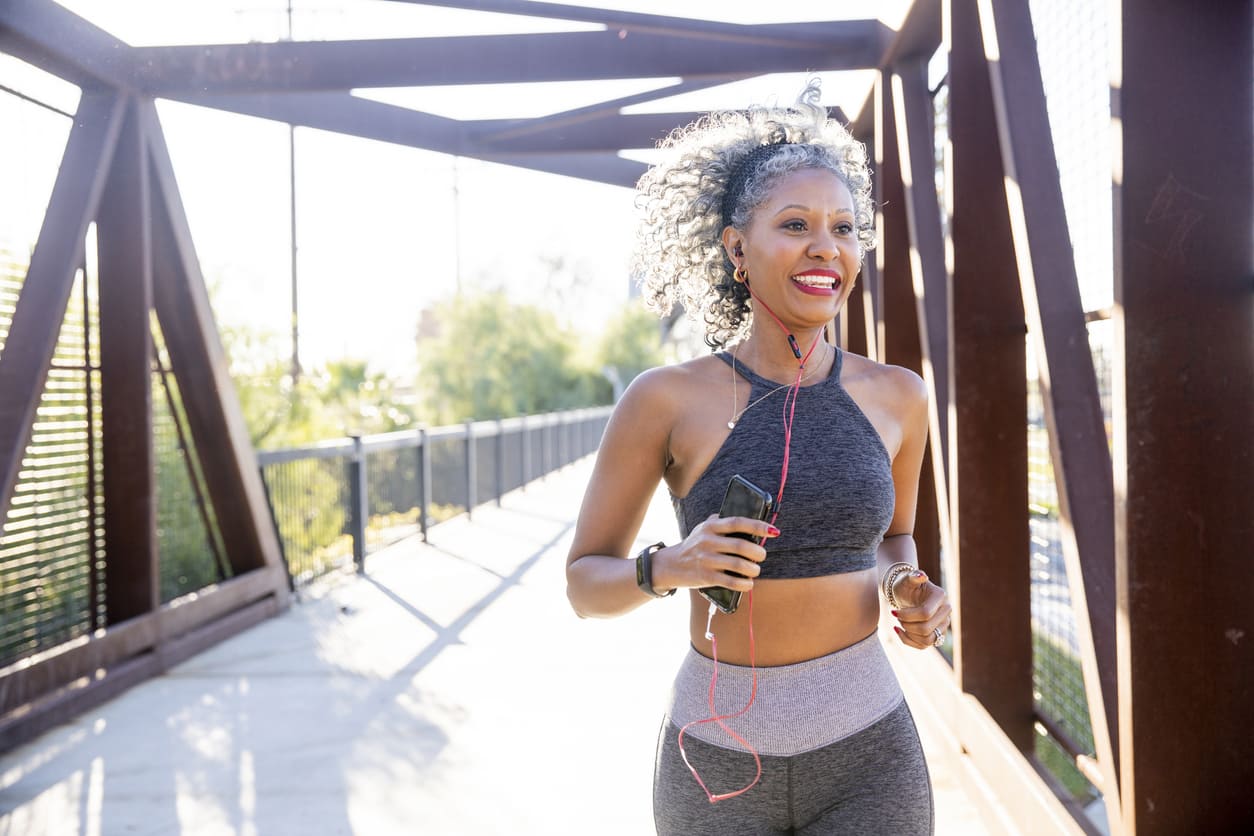
Improved skin health is just one of the many anti-aging benefits of growth hormone replacement therapy. Here are six sensational anti-aging benefits of HGH.
- Restoring Sexual Health and Libido
One of the most common — and frustrating — signs of aging is a decline in sexual desire and performance. Men may experience erectile dysfunction, while women often face reduced libido, vaginal dryness, or discomfort during intimacy. These changes frequently stem from declining HGH levels. Growth hormone therapy may help to restore sexual function by supporting hormone balance, circulation, and energy levels essential to sexual health in both men and women.
- Strengthening Bones and Preventing Fractures
Human growth hormone plays a vital role in bone density maintenance. Clinical studies have shown that HGH not only helps increase bone mineral density but can also reduce the risk of fractures associated with osteoporosis. A study in the Journal of Clinical Endocrinology & Metabolism found that even years after receiving HGH treatment, women with osteoporosis experienced lasting protection against fractures. More recently, pooled data across multiple trials confirmed that HGH therapy benefits bone strength and helps prevent bone loss in both men and women.
- Stimulating Thicker, Healthier Hair
Hair thinning and loss are other common symptoms of aging, often related to hormonal changes. Growth hormone helps rejuvenate hair follicles, supporting stronger, more vibrant strands. Just as HGH improves skin cell regeneration, it can enhance the health and growth rate of hair cells, promoting fuller, shinier hair for both men and women.
- Enhancing Body Composition: Muscle Growth and Fat Loss
The age-related drop in HGH is partly responsible for the muscle loss and weight gain many experience as they get older. HGH therapy boosts protein synthesis, which helps build and maintain lean muscle mass. It also improves your ability to burn fat and convert food into energy. With higher HGH levels, patients often report better workouts, increased muscle tone, and reduced abdominal fat. Studies also suggest HGH may have a protective effect on cardiac muscle — supporting overall heart health.
- Boosting Energy, Metabolism, and Vitality
Fatigue and sluggish metabolism are common complaints as we age — and they’re often linked to declining HGH. Growth hormone replacement can significantly improve metabolic rate, helping your body burn calories more efficiently and produce energy more effectively. The result? Increased stamina, sharper mental clarity, and an overall sense of vitality that many describe as “feeling years younger.”
- Supporting Brain Health and Cognitive Function
Growth hormone has been shown to influence brain function in meaningful ways. Patients undergoing HGH therapy frequently report improved focus, sharper memory, and better emotional balance. Researchers believe this may be due to HGH’s role in supporting neurotransmitter production — including dopamine and serotonin — which regulate mood, motivation, and mental clarity. HGH also promotes neural repair and may enhance cognitive resilience over time.
Anti-Aging Benefits of HGH Decade by Decade
HGH therapy can offer age-specific benefits depending on your stage of life. Here’s how different age groups may benefit from growth hormone optimization:
In Your 30s:
HGH levels start to drop, and early signs may include fatigue, reduced exercise capacity, and trouble sleeping. Growth hormone therapy can increase energy, improve sleep quality, and enhance recovery from workouts.
In Your 40s:
Symptoms such as weight gain, reduced libido, and muscle loss often become more noticeable. HGH therapy at this stage can help restore sexual function, lower bad cholesterol levels, improve heart health, and boost lean muscle mass.
In Your 50s and Beyond:
HGH therapy can deliver full-spectrum anti-aging effects: healthier skin, improved immune response, better bone density, sharper cognition, and greater overall vitality. Patients often report they feel “rejuvenated from the inside out.”
We Take a Different Approach to HGH and Anti-Aging Medicine
At the HGH Therapy Doctor we take a different approach to hormone therapies and anti-aging medicine. We realize that admitting you need help is a personal decision. It’s hard to accept that you are not as young as you used to be. That’s why we take the time to understand your symptoms, your goals, and what “feeling better” really means for you. Your care starts with a thorough evaluation, followed by a clear, step-by-step plan that’s designed around your body and your lifestyle — not a one-size-fits-all protocol.
What truly sets us apart is how we support you after you start. We don’t “set it and forget it.” We build in smart follow-ups, listen closely to how you feel, and make thoughtful adjustments when needed. You’ll always know what you’re taking, why you’re taking it, and what to expect next. Our goal is simple: help you feel stronger, more confident, and more in control of your health — with guidance that stays steady over time.
How To Get Started With HGH Injections at HGH Therapy Doctor
If you’re experiencing symptoms of aging such as low energy, weight gain, thinning hair, or changes in skin tone — and you suspect declining HGH levels may be the cause — the first step is to book a free consultation with an HGH Therapy Doctor Clinic in your area.
With Clinics all over the country, we take a unique approach to growth hormone therapy. Your anti-aging journey with HGH starts with a thorough evaluation of your health history, symptoms, and goals. You’ll then undergo diagnostic testing, including specialized blood work, to determine your current hormone levels. If age-related growth hormone deficiency is identified, we will design a personalized HGH skin and anti-aging treatment plan tailored to your needs.
You can even order your prescribed dose of HGH injections right from the medications page on our website.
If you’re ready to explore how HGH Therapy can help you look and feel younger, reach out to our HGH clinic today. With the right guidance and a properly managed treatment plan, you can start unlocking the many anti-aging benefits of growth hormone and reclaim your vitality at any age.
Frequently Asked Questions About HGH and Anti-Aging
Can HGH therapy help extend your life?
There’s growing evidence that HGH may positively influence longevity. Research funded by the NIH has shown that growth hormone can increase lifespan in animal models. While its effects on human lifespan remain under study, HGH’s benefits in quality of life and disease prevention are well supported.
Is HGH legal for anti-aging purposes?
Yes — but only with a valid prescription. HGH can legally be used for anti-aging when prescribed by a qualified physician for age-related growth hormone deficiency, diagnosed through specific blood testing.
Do you need a prescription to use HGH?
Absolutely. HGH injections are a controlled medication in the U.S. and must be prescribed after clinical evaluation and diagnostic confirmation of deficiency. Over-the-counter HGH products are not legitimate and often do not contain actual HGH.
How do I choose the right HGH clinic for anti-aging?
Look for clinics that specialize in age management or regenerative medicine. Reputable clinics will have board-certified providers, experience with hormone replacement therapies, and affiliations with professional organizations like A4M. Most importantly, they should offer customized care — because hormone optimization is never one-size-fits-all.