
DHEA for Women After 40: Your Complete Guide
DHEA is an important hormone that can affect how women feel as they move through their 40s, 50s and beyond.
Like many hormones, DHEA levels tend to change with age. For some women, lower levels may occur along with changes in energy, sexual health, mood and overall well-being. DHEA can also serve as a building block that the body uses to make other hormones, including testosterone and estrogen.
For these reasons, DHEA may be worth evaluating as part of a complete hormone assessment for women over 40. However, DHEA should not be viewed in isolation. Symptoms that seem related to low DHEA can also be caused by changes in estrogen, progesterone, testosterone, thyroid hormones and other factors.
What Is DHEA?
DHEA stands for dehydroepiandrosterone. It is a steroid hormone produced mainly by the adrenal glands, which are located just above the kidneys. Women also produce smaller amounts of DHEA through the ovaries and other tissues.
DHEA is sometimes called a “precursor hormone.” This means the body can use it as raw material to make other hormones. DHEA can be converted into androgens such as testosterone, as well as estrogens.
DHEA production rises during childhood and adolescence and is generally highest during early adulthood. Levels tend to decline as people get older. Women usually have lower DHEA and DHEA sulfate levels than men, and the long-term decline may become more noticeable during middle age.
However, this decline does not happen in exactly the same way for every woman. Hormone levels can fluctuate during perimenopause. Age, adrenal function, medications, illness and other factors may also affect DHEA levels.
That is why a low DHEA level should always be considered in the context of a woman’s age, symptoms and overall hormone health.
Why Do Women Need DHEA?
DHEA plays several roles in female hormone function. One of the most important is its ability to serve as a source for the production of other sex hormones.
This can become especially important as women age. Ovarian hormone production changes during perimenopause and menopause. At the same time, production of DHEA generally declines over the years.
DHEA contributes to the pool of hormones that can be converted within different tissues into testosterone and estrogen. These hormones help support sexual function, vaginal health, bone health, muscle maintenance, mood and many other functions.
Women do not necessarily need high DHEA levels to feel well. More is not always better. The goal is healthy hormone balance.
A woman with adequate DHEA and no related symptoms may have no reason to take DHEA. Another woman with lower levels and symptoms that fit her hormone profile may be a candidate for supplementation or another type of hormone therapy.
This is why DHEA treatment should be based on the individual rather than on age alone.
How Is “Low DHEA” Diagnosed in Women?
Low DHEA is usually evaluated with a blood test for DHEA sulfate, commonly written as DHEA-S or DHEAS. DHEA-S is a more stable form of DHEA in the bloodstream and is often used to assess adrenal androgen production.
A blood test is only one part of the evaluation. DHEA-S naturally changes with age, which means a level that may be considered typical for a woman in her 60s could be considered low for a woman in her 30s or 40s.
There is also no single DHEA number that explains every symptom in every woman. Doctors should look at laboratory results along with the patient’s medical history, current medications, age and symptoms.
A complete hormone evaluation may also include estrogen, progesterone, testosterone and thyroid hormone testing. Other testing may be recommended depending on the woman’s symptoms and health history.
Possible symptoms that may lead a doctor to look more closely at DHEA and other hormones can include low sex drive, decreased energy, vaginal changes, changes in mood or a general decline in well-being.
These symptoms are not specific to low DHEA. Many hormonal and nonhormonal conditions can cause them. Proper testing helps determine whether DHEA is actually part of the problem.
Very low DHEA-S levels can sometimes be associated with adrenal or pituitary disorders. In those cases, further medical evaluation may be needed rather than simply starting a supplement.
Do You Need a Prescription for DHEA?
Not all forms of DHEA require a prescription.
DHEA is sold in the United States as an over-the-counter dietary supplement. Oral DHEA products can be found in tablets and capsules in many pharmacies, health stores and online.
However, the fact that DHEA is available without a prescription does not mean every woman should take it without medical guidance. DHEA is a hormone. Taking too much can raise androgen or estrogen activity and create unwanted symptoms.
There are also prescription forms of DHEA. Prasterone is another name for DHEA and is available as a prescription vaginal treatment for certain menopause-related vaginal symptoms, including painful intercourse.
Doctors may also prescribe compounded DHEA preparations when appropriate. These may include customized topical or vaginal products prepared by a licensed compounding pharmacy.
The best approach depends on why DHEA is being considered. A woman seeking help for vaginal dryness may need a very different treatment than a woman whose concern is low DHEA-S combined with changes in energy or sexual health.
Benefits of DHEA for Women
The potential benefits of DHEA depend on the woman’s age, hormone levels, symptoms, health history and the form of DHEA being used.
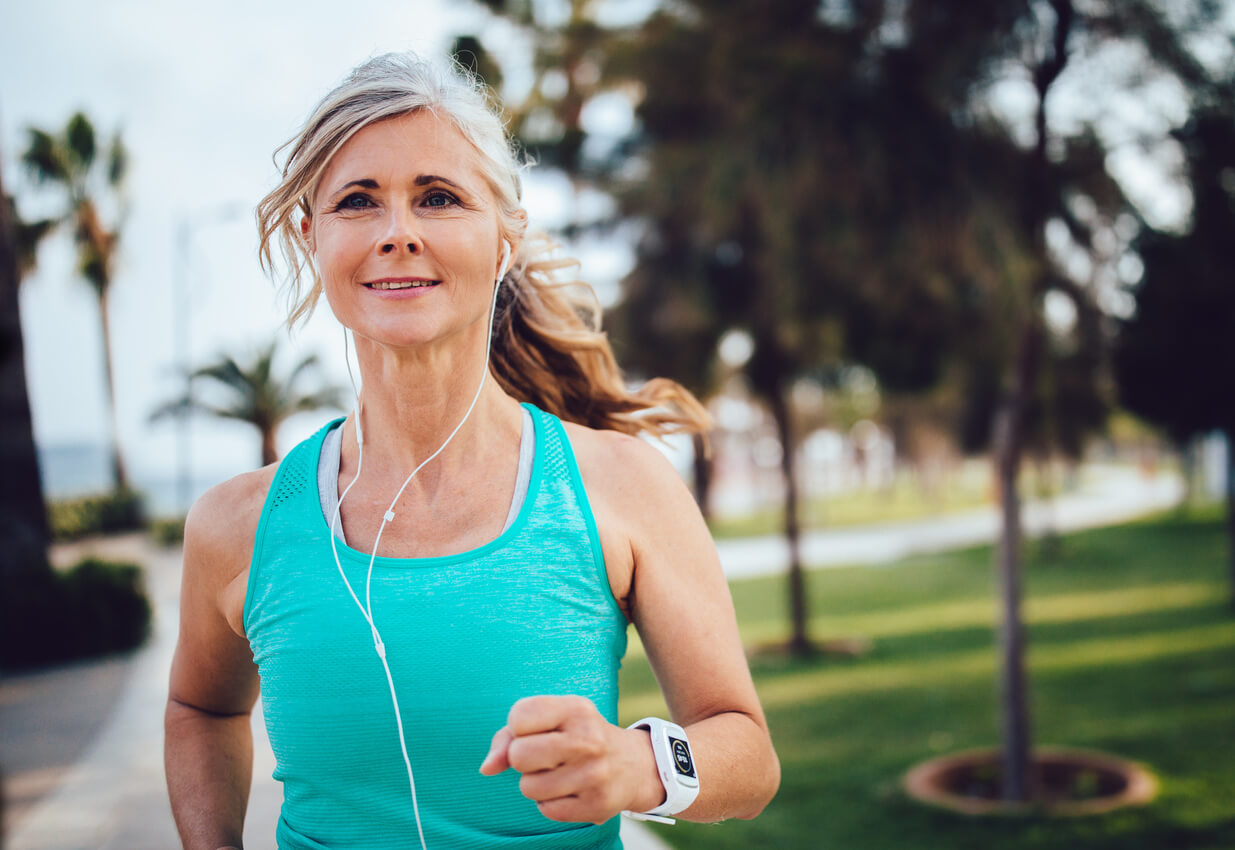
Women who already have healthy DHEA levels should not assume that taking extra DHEA will automatically improve how they feel. When DHEA is used medically, the goal should be to address an identified need and maintain balanced hormone levels.
Potential benefits may include:
- Supporting sexual health. DHEA contributes to androgen and estrogen activity in women. In carefully selected patients, restoring low DHEA may support sexual desire, arousal and overall sexual well-being.
- Improving vaginal comfort. Vaginal DHEA can act within vaginal tissues and may help women who experience thinning, dryness and painful intercourse related to menopause.
- Supporting energy and well-being. Some women with low DHEA levels report fatigue, reduced motivation or a general decline in how they feel. DHEA may be considered as part of a broader hormone evaluation when these symptoms are present.
- Supporting healthy androgen balance. Women need androgens too. DHEA provides one source from which the body can produce testosterone and other androgens. These hormones are involved in libido, muscle function and several other processes.
- Supporting bone and body composition. DHEA and the hormones made from it interact with tissues throughout the body. Researchers have studied DHEA in relation to bone, muscle and body composition, although results from systemic DHEA supplementation have not been consistent.
DHEA should not be promoted as a cure for aging or as something every woman needs after 40. Its greatest value may be when it is used as one part of an individualized hormone program based on symptoms, laboratory results and ongoing medical monitoring.
Forms of DHEA: Is There a Best One for Women?
There is no single form of DHEA that is best for every woman.
The right choice depends largely on what a woman is trying to treat. Oral DHEA may make sense in one situation, while a vaginal or topical preparation may make more sense in another.
Oral DHEA supplements are the most widely available form. They usually come in tablets or capsules and are sold without a prescription. Oral DHEA enters the bloodstream and can affect hormone activity throughout the body. For this reason, the dose should be chosen carefully.
Oral DHEA may be considered when a woman has low DHEA-S levels along with symptoms that her healthcare provider believes could be related to inadequate adrenal androgen activity.
Vaginal DHEA is more targeted. Prescription vaginal DHEA is used primarily for vaginal changes associated with menopause. It may help improve vaginal tissue and decrease discomfort or pain during sex.
For a woman whose main complaint is vaginal dryness, irritation or painful intercourse, a localized vaginal treatment may be more appropriate than simply taking an oral DHEA supplement.
DHEA creams and compounded preparations provide another option. A doctor may prescribe a compounded DHEA cream or vaginal preparation with a strength and delivery method selected for the individual patient.
For example, a prescription compounded vaginal cream containing DHEA may be considered for a woman whose main concern involves vaginal or sexual discomfort. Another woman with low systemic DHEA-S levels may be better suited to an oral approach.
Some supplements are also marketed as 7-keto DHEA. This is not the same as standard DHEA. It is a DHEA metabolite that does not function in the body in exactly the same way and is not a substitute for DHEA when the goal is to address hormone levels.
Choosing the best DHEA product starts with identifying the problem first. The form, dose and duration should then be matched to that specific need.
Does DHEA Have Any Side Effects Specific to Women?
Because DHEA can increase androgen activity, some of its most noticeable side effects in women involve the skin, hair and other androgen-sensitive tissues.
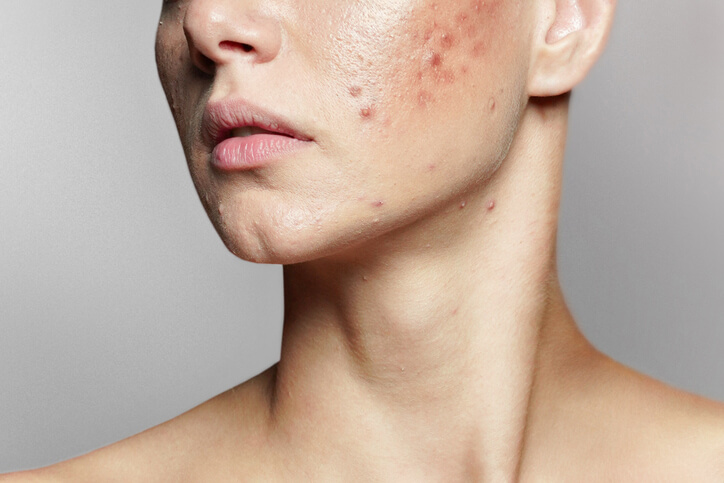
Possible side effects can include:
- Acne or oily skin
- Increased facial or body hair
- Scalp hair thinning
- Changes in menstrual patterns in women who still have periods
- Breast tenderness or other symptoms related to changes in estrogen activity
- Mood changes or irritability
- Vaginal discharge with some vaginal DHEA products
These effects are more likely to become an issue if DHEA levels rise too high for the individual woman.
Women who develop increased facial hair, persistent acne, significant scalp hair loss, unexpected vaginal bleeding or other new symptoms should contact their healthcare provider. Their dosage or treatment plan may need to be changed.
DHEA also requires added caution in women with certain hormone-sensitive medical conditions. A complete medical history should therefore be reviewed before treatment begins.
This is another reason why buying a high-dose DHEA supplement and taking it without testing may not be the best approach. A dose that is appropriate for one woman can be too much for another.
Are There Ways to Naturally Raise DHEA Levels in Women?
There is no proven food, exercise or lifestyle program that can reliably restore low DHEA to a specific level. However, healthy lifestyle habits can support normal adrenal function and overall hormone health.
Regular exercise may support metabolic health, muscle maintenance, sleep and stress management. Both resistance training and aerobic exercise can be valuable for women after 40.
Getting enough sleep is also important. Hormones are closely linked to the body’s daily sleep-wake cycle. Chronic sleep loss can affect many aspects of endocrine and metabolic health.
Managing chronic stress may also help support healthier adrenal function. This can include exercise, relaxation techniques, adequate recovery time and addressing ongoing sources of physical or emotional stress.
A balanced diet that provides enough protein, healthy fats and essential nutrients supports normal hormone production. However, eating cholesterol-rich foods or specific foods does not automatically cause the body to produce more DHEA.
Wild yam products are sometimes marketed as a “natural DHEA” solution. The human body does not simply convert wild yam into DHEA. Women should not assume these products work the same way as actual DHEA therapy.
For women with clinically significant hormone concerns, lifestyle changes may be helpful, but they should not replace appropriate hormone testing and medical evaluation.
Why Should Women Come to The HGH Therapy Doctor for Any Hormone Issues?
Hormone changes after 40 rarely involve just one hormone.
A woman may think low DHEA is causing her symptoms when the real issue involves estrogen, progesterone, testosterone, thyroid hormones or several hormones changing at the same time. Perimenopause and menopause can make this picture even more complex.
At The HGH Therapy Doctor, our doctors take a comprehensive approach to women’s hormone health. We look at your symptoms, medical history and laboratory results before recommending treatment.
That means DHEA is not automatically prescribed simply because a woman is over 40. If testing shows that DHEA may be part of the problem, our doctors can determine whether supplementation makes sense and which form may be most appropriate.
Treatment may involve DHEA alone or DHEA as part of a broader hormone replacement program. Depending on your needs, your plan may also address estrogen, progesterone, testosterone or other hormone concerns.
Ongoing monitoring is an important part of treatment. Follow-up testing and medical visits allow your provider to evaluate how you are responding and adjust therapy when necessary.
Our telemedicine process also makes it possible for eligible patients to receive individualized hormone care without relying on one-size-fits-all supplements. After your consultation and required testing, a licensed medical provider can determine whether prescription treatment is appropriate. When prescribed, medications are provided through licensed pharmacies.
If you are over 40 and no longer feel like yourself, a complete hormone evaluation can help identify what has changed. Contact The HGH Therapy Doctor today to schedule your consultation and learn whether DHEA or another form of hormone therapy may help you feel your best again.