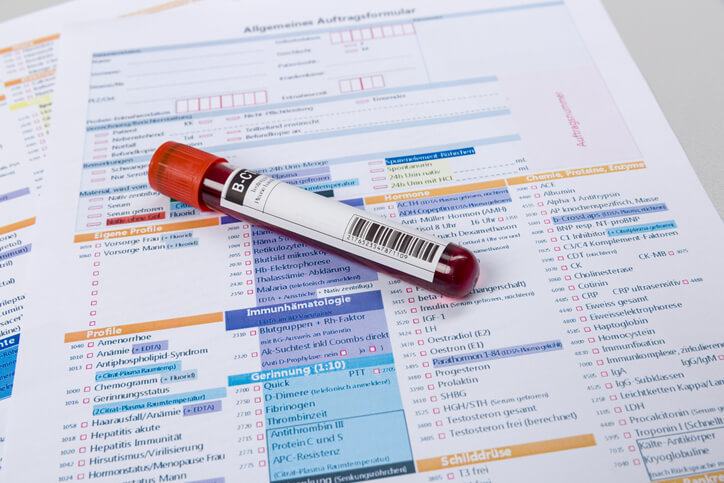
 We maximize your HRT results with comprehensive hormone blood testing and state-of-the-art diagnostics.
Before starting any form of hormone optimization, whether Testosterone Replacement Therapy (TRT) or Human Growth Hormone (HGH) Therapy, the most important step is to understand exactly where your levels are today. At The HGH Therapy Doctor, every treatment journey begins with a structured, data-driven evaluation of your hormones, not guesswork.
Our clinicians rely on both targeted and comprehensive hormone panels to identify hormonal imbalances, with special focus on testosterone and growth hormone. These lab panels, along with testing for other hormone levels, help us assess how well your hypothalamic-pituitary axis, the command center of hormone production, is functioning.
Before any tests are ordered, you will complete a detailed health history and undergo a physical examination. We review your current symptoms, when they started, what makes them better or worse, and how they have changed over time.
If low testosterone is suspected, blood work becomes the cornerstone of diagnosis. Testosterone is essential for maintaining male vitality, lean muscle, sexual function, cognitive performance, and emotional resilience. As levels gradually fall with age, many men experience a cluster of physical, mental, and emotional changes that are often written off as “just getting older.”
The diagnostic process at The HGH Therapy Doctor includes:
- A focused physical exam
- A clinician-guided review of symptoms
- A comprehensive blood panel
Common signs and symptoms of low testosterone can include:
- Persistent fatigue or decreased stamina
- Reduced sex drive or changes in sexual performance
- Increased abdominal fat or difficulty losing weight
- Loss of muscle tone or strength
- Irritability, anxiety, or low mood
- Trouble concentrating, memory lapses, or “brain fog”
By correlating your symptoms with objective lab data, we can determine whether hormone replacement is appropriate and, if so, how to tailor it for your body.
Is There Any Special Preparation for Hormone Blood Testing?
Preparation for hormone blood work can vary depending on which tests are being ordered, but in most cases the process is straightforward. For many standard hormone panels, no extensive preparation is required beyond scheduling your blood draw at the recommended time of day, often in the morning for more accurate testosterone measurements.
Some tests, however, may require:
- Fasting for a set number of hours
- Avoiding certain supplements or medications beforehand
- Adjusting the timing of your usual prescriptions
- Limiting intense exercise shortly before the test
Your provider at The HGH Therapy Doctor will give you clear, written instructions tailored to your specific panel, so you know exactly how to prepare. If fasting or medication adjustments are needed, you will be told well in advance so there are no surprises on the day of your lab work.
Comprehensive Hormone Blood Panels for Women
Women experience hormonal changes across every stage of life even before perimenopause of menopause. For many, these changes bring symptoms that impact energy, sleep, weight, mood, and sexual wellness. A comprehensive hormone panel helps uncover the root cause, rather than simply masking symptoms.
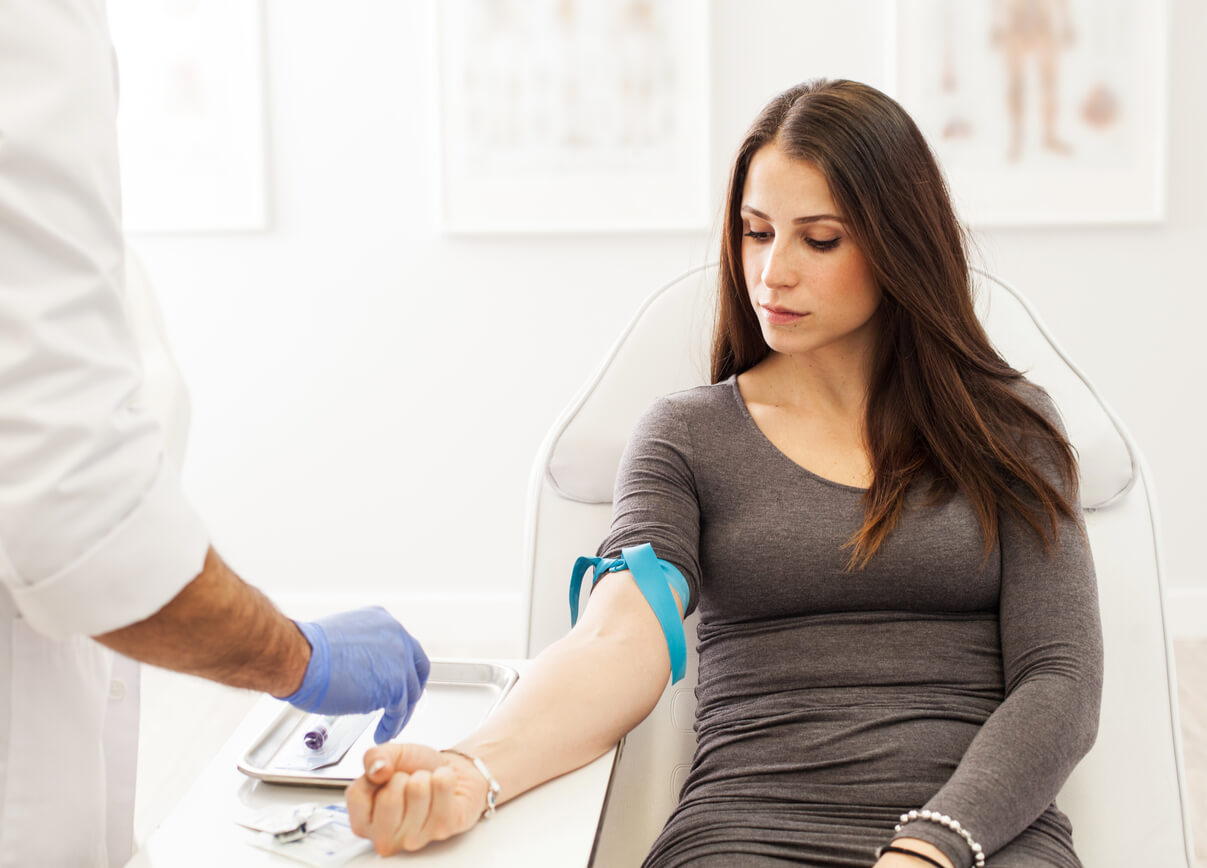
At The HGH Therapy Doctor, female hormone panels are typically designed to evaluate:
- Estrogen levels (often estradiol)
- Progesterone
- Total and free testosterone
- DHEA-S (a precursor hormone produced by the adrenal glands)
- Thyroid hormones (TSH, free T3, free T4, sometimes reverse T3)
- Cortisol and other adrenal markers when appropriate
- Sex hormone-binding globulin (SHBG)
By looking at these hormones together—not in isolation—we can better understand why a woman may be experiencing hot flashes, night sweats, weight gain, low libido, mood swings, sleep disturbances, or cognitive changes.
The goal of this comprehensive assessment is to determine whether bioidentical hormone therapy, lifestyle modifications, or a combination of approaches would best help restore balance. Every treatment plan is personalized based on lab results, symptoms, age, and overall health.
Comprehensive Hormone Blood Panels for Men
For men, age-related hormone decline often centers on testosterone, but it rarely stops there. Thyroid function, estradiol levels, adrenal status, and metabolic health all influence how a man feels and performs day to day. That is why The HGH Therapy Doctor uses broad hormone panels rather than a single “check-the-box” testosterone test.
Comprehensive male hormone blood work may include:
- Total testosterone
- Free testosterone and SHBG
- Estradiol (E2), to monitor estrogen balance
- Luteinizing hormone (LH) and follicle-stimulating hormone (FSH) to assess testicular and pituitary function
- Prolactin, when clinically indicated
- Thyroid markers (TSH, free T3, free T4)
- IGF-1, as an indirect indicator of growth hormone activity
- Fasting glucose, insulin, and other metabolic markers as needed
This broader view allows your provider to determine whether your symptoms are driven primarily by low testosterone, growth hormone deficiency, thyroid dysfunction, or a combination of factors. With this information in hand, we can design a targeted treatment plan that addresses the full hormonal picture, not just one lab value.
How Is Low Testosterone Tested?
Low testosterone is diagnosed through a blood test that measures how much testosterone is circulating in your bloodstream. In adult men, typical reference ranges for total testosterone are roughly 300–1,000 ng/dL, though exact ranges may vary by laboratory. Levels naturally fluctuate throughout the day, peaking in the early morning and declining by evening.
To capture the most accurate snapshot, The HGH Therapy Doctor schedules testosterone blood draws in the morning. While some at-home tests use saliva, blood-based testing remains the accepted clinical standard for evaluating testosterone in adults.
We generally assess both:
- Total testosterone – the overall amount of testosterone in the bloodstream
- Free testosterone – the portion that is not bound to SHBG or albumin and is immediately available to tissues
Although many primary care offices can order testosterone testing, working with hormone-focused specialists at The HGH Therapy Doctor ensures that your results are interpreted through the lens of age-related hormone decline, symptom patterns, and overall health status. Any treatment recommendations that follow are designed to be both safe and individualized.
Do I Need to Prepare for a Testosterone Blood Test?
In most cases, preparation for a testosterone blood test is minimal. The most important factor is scheduling the draw in the early morning, typically between 7:00 and 10:00 a.m., when levels are naturally highest and most reflective of your true baseline.
Testosterone in your bloodstream exists in two key forms:
- Protein-bound testosterone – attached to SHBG or albumin
- Free testosterone – unbound and immediately available for use by your body
Many basic panels measure only total testosterone. At The HGH Therapy Doctor, we routinely evaluate both total and free testosterone. This provides a more complete picture of your hormonal status and guides us in selecting the most appropriate dose and form of TRT, if treatment is indicated.
Your provider will let you know if any additional preparation such as fasting is required based on other labs being drawn at the same time.
Should Women Be Tested for Low Testosterone Too?
Yes. Testosterone is often mislabeled as a “male-only” hormone, but women produce it as well, just in lower amounts. During and after menopause, female testosterone levels can fall significantly, contributing to fatigue, reduced sexual desire, mood changes, and loss of muscle tone.
For women experiencing these symptoms, a carefully interpreted testosterone test can reveal whether a deficiency is contributing to their complaints. At The HGH Therapy Doctor, women’s hormone panels often include testosterone alongside estrogen, progesterone, thyroid markers, and other hormones so we can see the full picture.
When low testosterone is confirmed and treatment is appropriate, therapy is always administered in physiologic, female-specific doses with close monitoring to maintain safety and avoid masculinizing side effects.
What Are Normal HGH Levels in Adults?
Human Growth Hormone (HGH) is released in short bursts throughout the day and especially at night during deep sleep. Because of this pulsed pattern, a single random HGH blood measurement does not reliably reflect your average growth hormone status.
Instead, clinicians often use IGF-1 (Insulin-Like Growth Factor 1) as a more stable marker of HGH activity over time. IGF-1 is produced in response to growth hormone and tends to remain relatively steady, making it a practical diagnostic tool.
Typical IGF-1 reference ranges (which may vary slightly by lab) often include values such as:
- Men ages 20–40: approximately 200–450 ng/mL
- Men over 40: approximately 100–300 ng/mL
- Women ages 20–40: approximately 150–400 ng/mL
- Women over 40: approximately 100–275 ng/mL
If your IGF-1 levels are consistently low and you report symptoms like reduced vitality, decreased muscle tone, increased fat mass, or cognitive changes, The HGH Therapy Doctor may recommend additional testing to evaluate for adult growth hormone deficiency.
What Are the Normal Testosterone Ranges in Men and Women?
Hormone levels are influenced by age, time of day, stress, illness, and certain medications. To reduce variability, testosterone testing is usually done in the morning, when levels are at their peak.
Commonly used reference ranges for total testosterone include:
- Adult men: roughly 300–1,000 ng/dL
- Adult women: roughly 15–70 ng/dL
However, “normal range” does not always mean “optimal for you.” Some individuals fall within these ranges yet still experience classic symptoms of low testosterone. That is why The HGH Therapy Doctor often measures free testosterone and evaluates your clinical picture as a whole, rather than relying on a single number.
What Do My Testosterone Test Results Mean?
If your lab work confirms low testosterone, The HGH Therapy Doctor may recommend a carefully monitored Testosterone Replacement Therapy program tailored to your needs and health status. TRT can be delivered in several forms, including:
- Intramuscular or subcutaneous injections
- Transdermal patches or gels
- Oral formulations
- Implantable pellets
Although multiple delivery methods are available, clinical experience and patient outcomes often show that testosterone injections provide the most consistent, controllable results for many men.
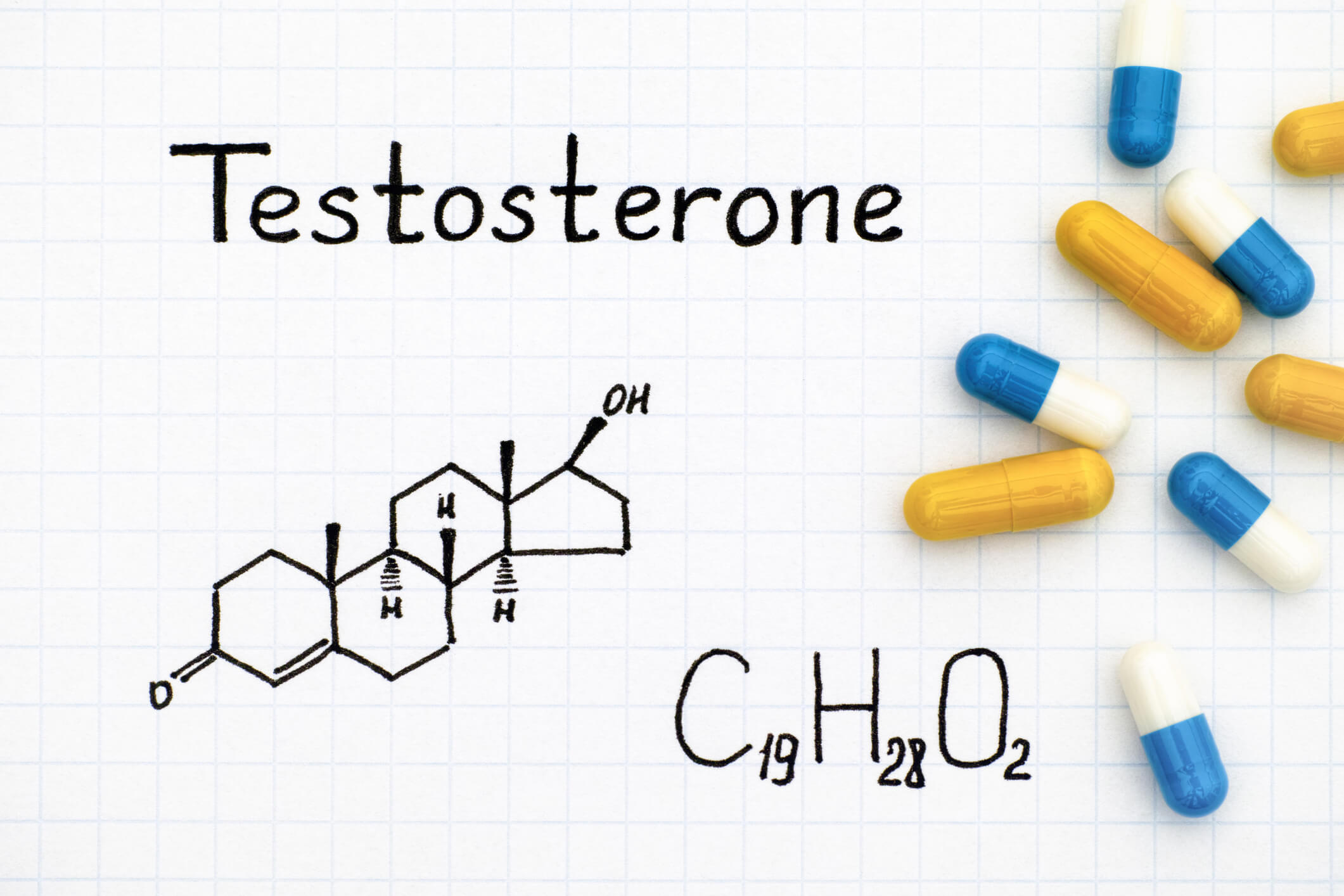
Patients who start TRT under our supervision frequently report improvements such as:
- Renewed energy and stamina
- Increased libido and better sexual performance
- Sharper focus and improved memory
- More stable mood and reduced irritability
- Gains in lean muscle and reductions in fat mass
- Deeper, more restorative sleep
- Relief from low-mood or depressive symptoms
While these symptoms could indicate a hormonal imbalance, only a blood test can determine whether low testosterone is the underlying cause of your symptoms and whether TRT is an appropriate course of action.
Understanding HGH Blood Test Results
Before growth hormone therapy is prescribed, a clear diagnosis of adult growth hormone deficiency (GHD) must be established. Because HGH is secreted in intermittent pulses, a single random level is rarely diagnostic. Instead, The HGH Therapy Doctor may order growth hormone stimulation or suppression tests to determine how well your pituitary gland responds.
HGH Blood Testing and Diagnosis
Rather than simply taking one static blood sample, stimulation testing evaluates how your body reacts when the pituitary is triggered to release HGH. During a stimulation test, you may receive a specific medication or agent designed to provoke HGH secretion. Blood samples are then drawn at timed intervals to measure the response.
In almost all cases, an IGF-1 test is also obtained. Because IGF-1 levels remain more stable throughout the day, they provide a valuable “big picture” view of your long-term growth hormone status. Together, stimulation testing and IGF-1 levels help your provider determine whether true GHD is present.
How Should I Prepare for an HGH Test?
Preparation for HGH-related tests depends on the exact protocol being used. In many cases, your provider may recommend:
- Fasting for a certain number of hours prior to the test
- Temporarily stopping or adjusting some medications
- Avoiding strenuous exercise immediately before testing
- Taking a specific stimulating agent or medication at a designated time
The HGH Therapy Doctor will give you detailed instructions well ahead of your appointment, so you know exactly how to prepare. Following these directions closely helps ensure accurate, reliable results and keeps you safe throughout the testing process.
What Do My HGH Test Results Indicate?
If your results show that you have low growth hormone activity consistent with adult GHD, you may be a candidate for prescription HGH therapy under careful medical supervision.
In appropriately selected adults with confirmed deficiency, documented benefits of growth hormone therapy may include:
- Increased energy and improved endurance
- Enhanced lean muscle mass and better body composition
- Reduction in stubborn visceral and subcutaneous fat
- Improved libido and sexual well-being
- Sharper mental clarity and more stable mood
- Better quality, more restorative sleep
At The HGH Therapy Doctor, HGH therapy is never a one-size-fits-all protocol. Dosages are individualized, titrated based on lab results and symptom response, and monitored regularly to maintain safety and effectiveness.
Does It Matter Where You Get Your Hormones Tested?
Yes, it matters a great deal. At-home testing kits and basic lab panels may seem convenient or inexpensive, but they often provide a limited snapshot and may not be interpreted by clinicians with deep experience in hormone optimization.
When you choose The HGH Therapy Doctor, your lab work is:
- Ordered thoughtfully based on your history and symptoms
- Interpreted by providers who specialize in age-related hormone decline
- Used to build a personalized treatment road map—not a generic protocol
From your first consultation through follow-up testing and ongoing care, our team prioritizes communication, education, and support. We believe every patient deserves a clear understanding of their lab results and a treatment plan that evolves as their body responds.
When you partner with The HGH Therapy Doctor for hormone testing and therapy, you are not just getting access to advanced diagnostics and cutting-edge treatments you are gaining a long-term ally in your health and wellness journey. To learn more or schedule your initial evaluation, contact us today.
Frequently Asked Questions About Hormone Blood Testing
1. Why is blood testing necessary before starting HRT?
Hormone replacement without lab work is risky. Blood testing reveals whether your symptoms are truly related to hormone imbalance, establishes a baseline before treatment, and helps your provider design a protocol that is both safe and effective. At The HGH Therapy Doctor, every hormone therapy plan is grounded in objective lab data.
2. What’s the difference between total and free testosterone?
Total testosterone reflects all of the testosterone in your bloodstream, including the portion bound to proteins like SHBG and albumin. Free testosterone is the fraction that is unbound and immediately available for use by your cells. We often measure both total and free testosterone to understand your true levels.
3. When should I schedule my testosterone blood test?
Testosterone is highest in the early morning and gradually declines throughout the day. For that reason, we recommend scheduling your blood draw between about 7 and 10 a.m. Testing during these hours gives a more accurate representation of your peak daily level and helps us interpret your results correctly.
4. Can I eat or take medicine before a hormone blood test?
It depends on which labs are being ordered. Many basic testosterone or IGF-1 tests do not require fasting, but some growth hormone stimulation protocols and metabolic panels do. Certain medications or supplements may also need to be held beforehand. Your provider at The HGH Therapy Doctor will give you test-specific instructions so you know exactly what to do.
5. How quickly do results come in?
Most standard hormone panels return within a few business days, though specialty tests may take a bit longer. As soon as your results are available, a provider from The HGH Therapy Doctor will review them with you, explain what they mean, and outline any recommended next steps in your treatment plan.
6. Can women benefit from hormone blood testing?
Absolutely. Women frequently experience shifts in estrogen, progesterone, testosterone, and growth hormone, especially during perimenopause and menopause. Comprehensive hormone testing can clarify the source of symptoms such as hot flashes, weight gain, insomnia, low libido, or mood changes. At The HGH Therapy Doctor, we offer tailored hormone panels and treatment plans for both men and women.